


CNC Machining of Mass Aluminum Parts
Introduction to CNC Machining of Mass Aluminum Parts
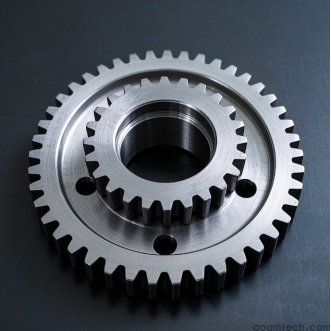
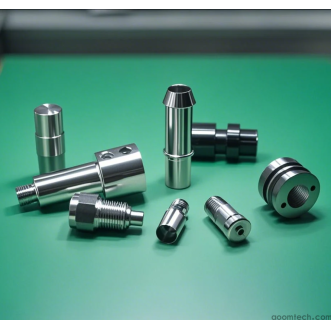
CNC Machining of Mass Aluminum Parts is a widely used manufacturing process that produces large quantities of precise aluminum components using computer-controlled machines. Aluminum is one of the most important materials in modern industry because it is lightweight, strong for its weight, corrosion-resistant, and has excellent thermal and electrical conductivity.
Mass-produced aluminum parts are essential in many industries:
Automotive: engine blocks, transmission housings, brackets
Aerospace: structural frames, wing components, interior supports
Electronics: smartphone casings, heat sinks, connectors
Consumer goods: kitchen utensils, appliance housings, furniture parts
Because these industries require both precision and large-scale production, CNC machining is one of the most reliable methods for manufacturing aluminum parts efficiently and consistently.
Pre-Machining Considerations for Mass Aluminum Parts
Design Optimization
Before starting production, design optimization is critical in pre - machining for CNC mass aluminum part processing. A well-optimized design reduces machining time, lowers cost, and improves production stability.
Key design guidelines include:
Avoid overly complex shapes that increase machining steps
Use standard dimensions and common feature sizes where possible
Reduce unnecessary surfaces and deep cavities
Add proper draft angles for easier machining and part removal
CAD/CAM software is often used to simulate machining paths and detect design issues before production begins, reducing risks and improving efficiency.
Aluminum Alloy Selection
Choosing the right aluminum alloy has a direct impact on machining performance and final product quality.
6061 aluminum: widely used, good strength, excellent corrosion resistance, easy to machine
7075 aluminum: very high strength, used in aerospace, but more difficult to machine
5052 aluminum: strong corrosion resistance, suitable for marine and sheet applications
The selection depends on load requirements, environment, and cost targets. A poor alloy choice can lead to tool wear issues or reduced product lifespan.
CNC Machining Operations for Mass Aluminum Parts
Milling Operations
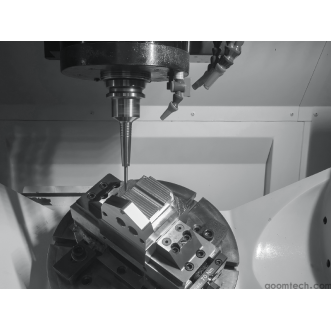
milling operations in CNC mass aluminum part machining are the most common processes for shaping aluminum components. Milling is used to create flat surfaces, pockets, slots, and complex 3D shapes.
High-speed milling is often used in mass production to improve efficiency. Carbide end mills are preferred due to their hardness and durability.
Important machining parameters include:
Spindle speed: higher for roughing, moderate for finishing
Feed rate: balanced to avoid vibration and tool wear
Depth of cut: deeper cuts for roughing, lighter cuts for finishing
Proper toolpath programming ensures smooth transitions, reduced cycle time, and consistent surface quality.
Turning Operations
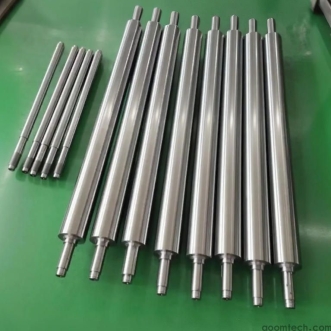
Turning is used for cylindrical aluminum parts such as shafts, bushings, and housings. The workpiece rotates while a cutting tool removes material to achieve precise diameters.
Key considerations include:
Correct tool alignment to ensure dimensional accuracy
Use of carbide inserts suitable for aluminum
Stable spindle speed and feed control
Proper coolant application to reduce heat and improve surface finish
Drilling and Boring Operations
Drilling creates initial holes, while boring refines them to precise tolerances. These operations are essential for parts requiring fastening or assembly features.
Best practices include:
Using sharp drill bits designed for aluminum
Applying peck drilling to remove chips efficiently
Using coolant to prevent overheating
Ensuring accurate positioning to avoid misalignment
Tooling and Fixturing for Mass Aluminum Parts
Tool Selection
Tool selection is a key factor in the efficiency of CNC machining of mass aluminum parts. Carbide tools are commonly used due to their durability and heat resistance.
Important tool geometry features include:
Positive rake angle for smoother cutting
Proper clearance angle to reduce friction
Optimized helix angle for chip removal
Regular tool inspection and timely replacement help maintain consistent quality in mass production.
Fixturing Design
A strong fixturing system ensures that aluminum parts remain stable during machining. Poor fixturing can cause vibration, errors, and even part damage.
Common fixturing methods include:
Custom mechanical fixtures for repeat production
Vacuum chucks for thin or flat parts
Modular clamping systems for flexibility
Proper alignment with CNC machine axes is essential to maintain accuracy across all produced parts.
Quality Control in CNC Machining of Mass Aluminum Parts
In-Process Inspection
quality control in CNC - machined mass aluminum parts starts during production. In-process inspection helps detect errors early and reduce waste.
Common inspection tools include calipers, micrometers, and coordinate measuring machines (CMM).
Typical checks include:
Dimensional accuracy of machined features
Surface finish quality
Hole depth and diameter consistency
Final Inspection and Testing
Final inspection ensures every part meets design requirements. This includes full dimensional checks and sometimes functional testing such as strength or fatigue performance.
If a part fails inspection, manufacturers may:
Re-machine the part if possible
Adjust machining parameters
Scrap defective parts
Challenges and Solutions in CNC Machining of Mass Aluminum Parts
Tool Wear and Breakage
High-speed production can cause rapid tool wear or breakage. This affects cost and production efficiency.
Solutions include:
Using coated carbide tools for longer life
Optimizing cutting parameters
Monitoring tool condition regularly
Thermal Effects
Heat generated during machining can cause aluminum expansion and dimensional errors.
To control thermal effects:
Use effective coolant systems
Adjust cutting speed to reduce heat buildup
Allow cooling time between operations
Benefits of CNC Machining for Mass Aluminum Parts
High Precision and Repeatability
CNC systems ensure consistent accuracy across thousands of identical parts. This is critical for industries like aerospace and automotive, where tight tolerances are required for safety and performance.
Cost-Effectiveness in Mass Production
CNC machining reduces cost per part through automation, reduced labor needs, and efficient material usage. Once the system is set up, large-scale production becomes highly efficient and stable.
Conclusion
CNC Machining of Mass Aluminum Parts is a highly reliable and efficient manufacturing method for producing large quantities of precise components. By carefully managing design, material selection, tooling, machining operations, and quality control, manufacturers can achieve excellent performance, lower costs, and consistent product quality.
With the growing demand for lightweight and durable aluminum parts, CNC machining continues to play a key role in modern global manufacturing.
 Process of Custom High-Precisi
 CNC Machining Parameter Settin
 5 Key Tips for CNC Machining o
 Small-batch Precision Parts 5-