


CNC Machining Parts Manufacturing Company
Introduction to CNC Machining Parts Manufacturing Company
The Significance of CNC Machining Parts Manufacturing Companies
A CNC Machining Parts Manufacturing Company plays a key role in today’s global manufacturing system. CNC (Computer Numerical Control) machining uses computer-controlled machines to produce highly precise parts from metal, plastic, and other materials. These companies are the backbone of modern production because they can create complex, accurate, and repeatable components that are used in many essential products.
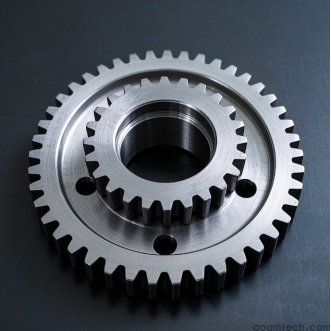
Industries such as automotive, aerospace, medical, and electronics depend heavily on CNC-machined parts. For example, engine components in cars, precision parts in aircraft systems, surgical tools in hospitals, and connectors in smartphones are all commonly produced by these companies. Without them, modern product design and manufacturing would not be possible at today’s level of precision and efficiency.
Services Offered by CNC Machining Parts Manufacturing Companies
Custom Part Manufacturing
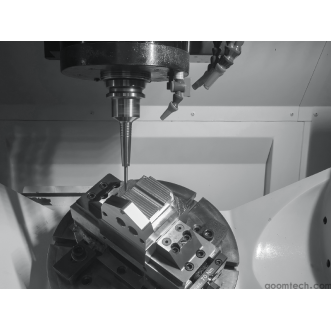
One of the main services of CNC machining parts manufacturing company is custom part production. Customers provide technical drawings or CAD files, and engineers convert them into machine instructions using CAD/CAM software. CNC machines then produce the parts according to exact specifications.
These companies can handle both simple and highly complex geometries, including multi-axis machining parts with tight tolerances. Quality is ensured through in-process inspections, precision measuring tools, and strict production standards.
Prototyping
Prototyping is another essential service. Before full production begins, companies create sample parts to test design, function, and assembly fit. This step helps customers identify design issues early.
Prototypes may be made from cost-effective materials different from final production materials. Turnaround times are usually fast, allowing quick product development cycles. Feedback from prototypes is used to improve the final design, reducing long-term production risks and costs.
Mass Production
CNC machining companies also support mass production with high efficiency and consistent quality. Through automation, robotic loading systems, and optimized workflows, they can produce large quantities of parts with minimal variation.
Economies of scale help reduce unit costs, making mass production both efficient and cost-effective. Strict quality control ensures that every part meets required standards, even at high volumes.
Material Selection and Sourcing
Another important service is material support. A CNC Machining Parts Manufacturing Company helps clients choose suitable materials based on application needs, performance requirements, and budget.
Common materials include aluminum, stainless steel, titanium, plastics, and engineering composites. Material choice directly affects strength, durability, weight, and machining difficulty. Many companies also manage material sourcing to ensure stable supply and consistent quality.
Key Factors to Consider When Choosing a CNC Machining Parts Manufacturing Company
Experience and Expertise
When choosing a CNC machining parts manufacturing company, experience is a critical factor. Companies with long industry experience are better at solving technical challenges and handling complex designs.
Clients should evaluate past projects, industries served, and technical capabilities. A strong team of engineers, machinists, and programmers is also essential for reliable production.
Quality Assurance
Quality control is a key requirement. A reliable company uses advanced inspection tools such as Coordinate Measuring Machines (CMM), micrometers, and surface testers.
A strong quality system includes in-process inspection, final inspection, and clear handling procedures for non-conforming parts. This ensures that all products meet required standards and customer expectations.
Cost-Effectiveness
Cost is important, but it should always be balanced with quality. A professional CNC machining company provides transparent pricing, including material costs, machining fees, and additional services.
To evaluate cost-effectiveness, customers should compare multiple quotes and consider production efficiency, material sourcing capabilities, and added value services rather than focusing only on the lowest price.
Turnaround Time
Delivery speed is another key factor. A reliable company provides accurate lead times and consistently meets deadlines.
Efficient production planning and strong supply chain management help ensure on-time delivery. Delays can affect entire project schedules and increase overall costs, making timely production essential.
How CNC Machining Parts Manufacturing Companies Contribute to Different Industries
Automotive Industry
CNC machining companies contribute significantly to the automotive sector by producing engine parts, transmission components, and suspension systems.
The precision of these parts directly affects vehicle performance, safety, and fuel efficiency. Lightweight CNC-machined components also help reduce vehicle weight, improving energy efficiency and overall performance.
Aerospace Industry
In the aerospace sector, these companies manufacture highly precise components for aircraft engines, structural frames, and avionics systems.
According to strict industry standards, parts must withstand extreme conditions. Materials such as titanium alloys and high-strength steels are commonly used. Precision machining ensures safety, durability, and reliability in flight operations.
Medical Industry
CNC machining plays a vital role in the medical field by producing surgical instruments, implants, and diagnostic device components.
Medical parts require high precision, biocompatibility, and sterilization compatibility. Advanced CNC machining allows for custom implants that fit patients more accurately, improving treatment outcomes and recovery rates.
Electronics Industry
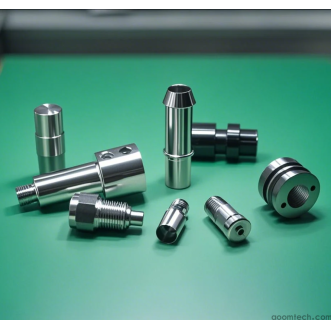
In electronics, CNC machining is used to produce connectors, heat sinks, enclosures, and micro components.
The industry demands miniaturization and high precision. Aluminum is often used for heat sinks due to its excellent thermal conductivity. CNC machining ensures both functional performance and high-quality appearance of electronic products.
Conclusion
A CNC Machining Parts Manufacturing Company is essential to modern industrial production. From prototyping and custom manufacturing to mass production and material selection, these companies provide complete solutions for precision engineering needs.
Understanding the contribution of CNC machining parts companies to industries helps businesses make better sourcing decisions and improve product quality. With the right partner, companies can achieve higher efficiency, lower costs, and better product performance across automotive, aerospace, medical, and electronics sectors.
In today’s competitive global market, selecting the right manufacturing partner is not just an option—it is a strategic advantage.
 Process of Custom High-Precisi
 CNC Machining Parameter Settin
 5 Key Tips for CNC Machining o
 Small-batch Precision Parts 5-