


How to Select a Suitable Supplier for CNC Machined Parts Manufacturing
Choosing the right partner for CNC machining is one of the most important decisions for any engineering project or manufacturing business. This guide on How to Select a Suitable Supplier for CNC Machined Parts Manufacturing explains practical steps to help you evaluate suppliers, reduce risks, control costs, and ensure consistent product quality.
Introduction to Selecting a CNC Machined Parts Manufacturer
Importance of Choosing the Right Supplier
Selecting the right supplier for CNC machined parts is critical because it directly affects product quality, cost, and delivery time. A reliable supplier helps ensure your project runs smoothly, while a poor choice can cause serious problems such as delays, defects, or unexpected costs.
For example, in the automotive industry, faulty CNC-machined components can lead to product recalls, which damage brand reputation and increase financial losses. In electronics manufacturing, inconsistent part quality may result in production line stoppages, affecting large-scale output and customer delivery schedules.
This is why businesses must carefully evaluate suppliers instead of choosing only based on low price or convenience.
Evaluating Supplier Capabilities
Equipment and Technology
One of the most important steps in evaluating equipment in choosing CNC parts suppliers is checking whether the supplier has modern and well-maintained machines. A strong supplier should have a wide range of CNC equipment, such as CNC milling machines, CNC lathes, and multi-axis machining centers.
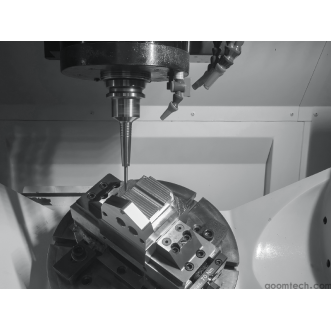
Advanced machines, especially 5-axis CNC systems, allow the production of highly complex geometries in a single setup. This improves accuracy and reduces errors caused by multiple setups.
You should also ask about:
Machine age and maintenance schedule
Upgrade frequency of CNC systems
Use of CAD/CAM software for programming and design
To evaluate capability effectively, request sample parts, machine specifications, and production case examples. This helps you verify whether the supplier can meet your technical requirements.
Technical Expertise
Technical knowledge is another key factor when selecting a CNC supplier. Skilled engineers and operators can significantly improve machining quality and efficiency.
A qualified team should understand:
CNC programming and toolpath optimization
Material properties and machining behavior
Tool selection for different metals and plastics
Process optimization for cost and precision balance
Experienced technicians can solve problems such as vibration, tool wear, or dimensional errors. When assessing expertise, check:
Engineer qualifications and certifications
Years of experience in CNC machining
Previous projects similar to yours
Quality Assurance in Selecting CNC Machined Parts Manufacturers
Quality Management System
A strong quality system is essential in quality assurance in selecting CNC machined parts manufacturers. Reliable suppliers use structured inspection processes to ensure consistent quality.
Key elements include:
In-process inspection during machining
Final inspection before delivery
Use of precision tools such as calipers, micrometers, and CMM (Coordinate Measuring Machine)
International certifications such as ISO 9001 indicate that the supplier follows standardized quality procedures. You should also ask for:
Inspection reports and checklists
Defect handling procedures
Quality control frequency at each production stage
A well-structured quality system reduces risks of defects and ensures stable production results.
Material Quality Control
Material quality has a direct impact on the strength, durability, and performance of CNC machined parts. A reliable supplier should use certified raw materials and perform proper testing before production.
Important checks include:
Verification of material certificates (such as steel grade or aluminum grade)
Incoming material inspection
Mechanical testing such as tensile strength tests
Chemical composition analysis
In industries like aerospace or medical devices, strict material compliance is essential. Always confirm where the supplier sources materials and how they ensure consistency.
Cost-effectiveness and Pricing
Cost-effectiveness
When evaluating suppliers, cost should not be the only factor. The goal is to find a balance between price and quality. A truly cost-effective supplier delivers good quality while maintaining reasonable pricing.
Factors that influence cost-effectiveness include:
Efficient machining processes that reduce waste
High-quality materials that reduce failure rates
Additional services such as surface finishing or assembly
Sometimes, a slightly higher price can lead to lower total project costs because of better quality and fewer reworks.
Pricing Transparency
Transparent pricing is essential to avoid hidden costs. A reliable supplier should provide clear and detailed quotations.
A proper quote should include:
Material cost
Machining cost
Surface finishing costs
Packaging and shipping fees
You should also ask about potential extra charges such as:
Design modifications
Rush production fees
Special material sourcing
Clear pricing helps you compare suppliers fairly and avoid unexpected budget issues.
Customer Service and Communication
Responsiveness
Good communication is essential for successful manufacturing projects. A reliable supplier should respond quickly to inquiries and provide regular updates.
Signs of good responsiveness include:
Fast email or message replies
Clear project timelines
Regular production progress reports
Availability of a dedicated contact person
Strong communication reduces misunderstandings and ensures that your requirements are correctly implemented.
Flexibility
Flexibility is another important factor when selecting suppliers. Projects often change during development, and a good supplier should adapt quickly.
Flexible suppliers can handle:
Changes in order quantity
Design updates or modifications
Urgent delivery requests
This adaptability is especially important for prototype development and fast-paced industries.
Reputation and References
Industry Reputation
A supplier’s reputation reflects their reliability and performance history. Before choosing a partner, research their background carefully.
You can evaluate reputation by:
Reading online reviews on industry platforms
Checking manufacturing forums and communities
Asking for referrals from other businesses
Look for consistent patterns in feedback rather than relying on a single opinion. A strong reputation usually indicates stable quality and good customer service.
References and Case Studies
Requesting references and case studies is a practical way to verify supplier experience. Past customer feedback gives real insights into performance.
When contacting references, ask questions such as:
Were the parts delivered on time?
Did the parts meet quality expectations?
How was communication during the project?
Case studies also show how the supplier handles complex or similar projects, helping you judge whether they are suitable for your needs.
Conclusion
Understanding How to Select a Suitable Supplier for CNC Machined Parts Manufacturing is essential for ensuring product quality, controlling costs, and achieving reliable delivery schedules. By carefully evaluating equipment, technical expertise, quality systems, pricing transparency, communication, and reputation, you can significantly reduce risks in your supply chain.
In today’s competitive manufacturing environment, the right supplier is not just a vendor but a long-term partner that contributes to your product success and business growth.
 Process of Custom High-Precisi
 CNC Machining Parameter Settin
 5 Key Tips for CNC Machining o
 Small-batch Precision Parts 5-