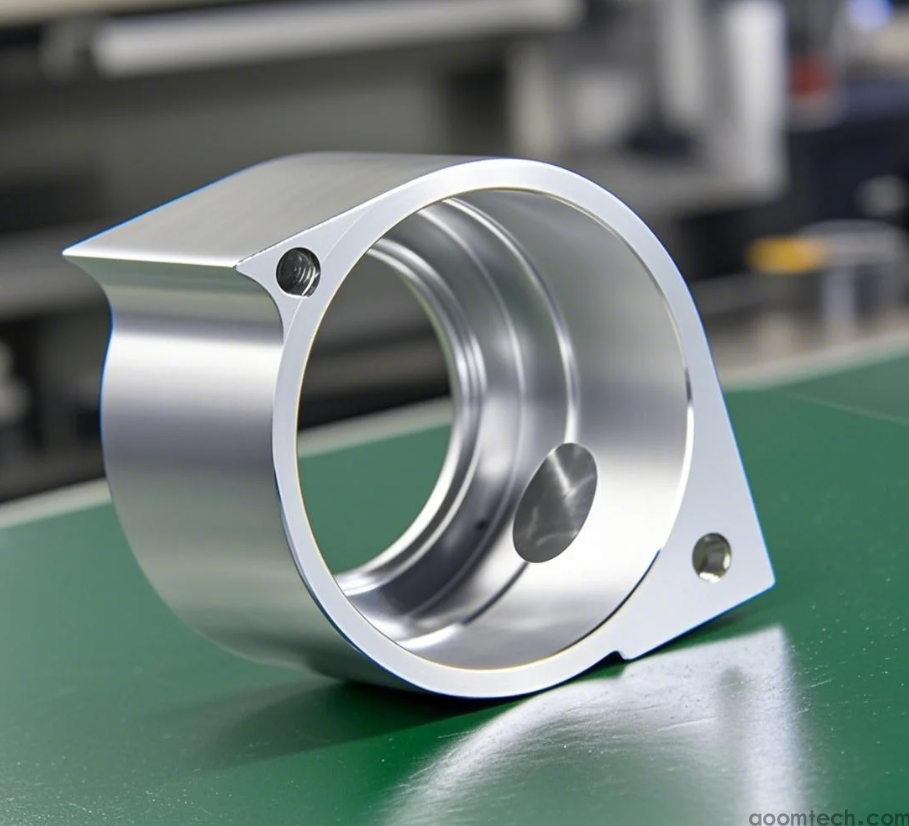
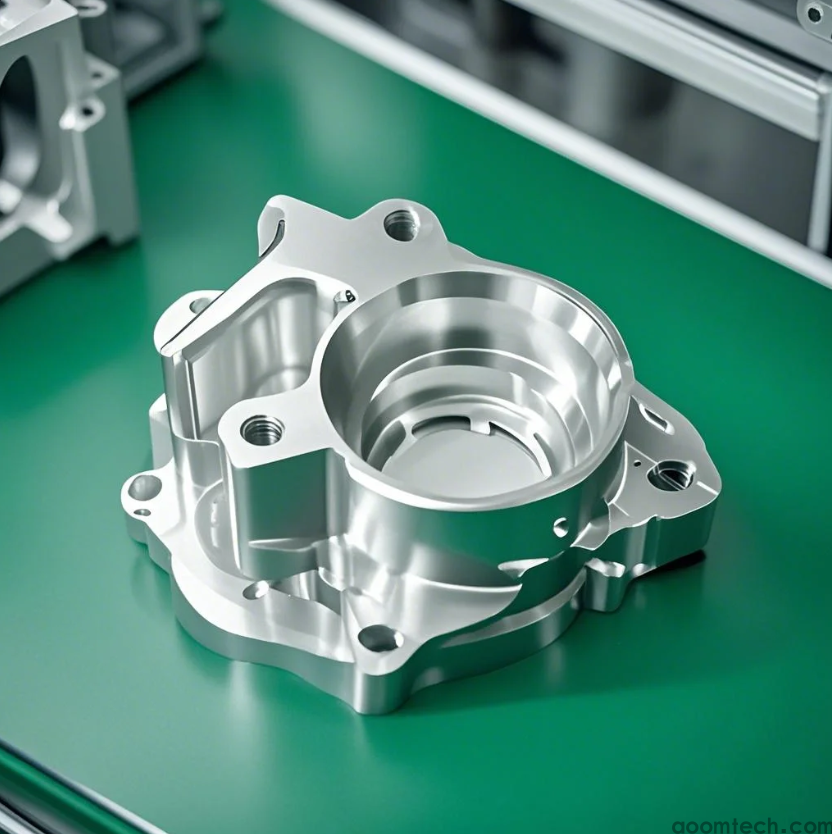
Aluminum Parts CNC Machining Process
Introduction to Aluminum Parts CNC Machining Process
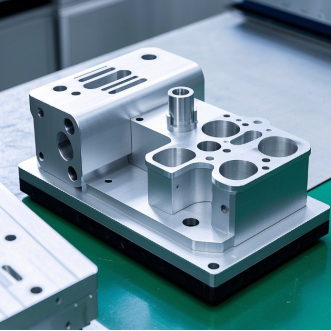
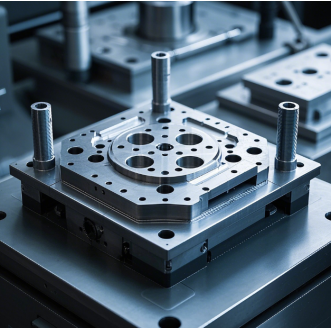
The Aluminum Parts CNC Machining Process is a modern manufacturing method used to produce highly accurate and complex aluminum components. CNC stands for Computer Numerical Control, meaning machines are controlled by programmed instructions instead of manual operation.
CNC-machined aluminum parts are widely used across many industries because aluminum offers a strong combination of light weight, corrosion resistance, and excellent thermal conductivity. These properties make it ideal for high-performance and cost-efficient manufacturing.
The Significance of CNC-machined Aluminum Parts
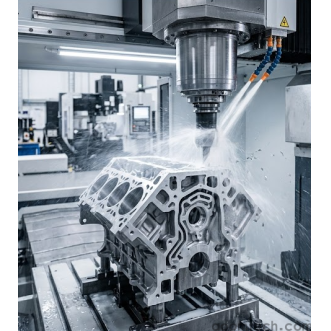
Aluminum parts play a critical role in industries such as automotive, aerospace, electronics, and consumer goods. In automotive manufacturing, aluminum engine blocks help reduce vehicle weight and improve fuel efficiency. In aerospace, aluminum structures are used in aircraft wings and fuselage components to maintain strength while minimizing weight.
In electronics, aluminum heat sinks are essential for cooling devices and preventing overheating. In consumer products, aluminum casings are widely used in laptops, smartphones, and appliances due to their durability and premium appearance.
These examples show how CNC-machined aluminum parts directly improve product performance, reliability, and design quality.
Steps in the Aluminum Parts CNC Machining Process
Design and Programming
The process begins with design and programming. Engineers create a 3D model of the part using CAD (Computer-Aided Design) software. This model defines the exact shape, dimensions, and tolerances of the aluminum component.
Next, the design is converted into machine instructions using CAM (Computer-Aided Manufacturing) software. This step generates toolpaths, cutting speeds, feed rates, and machining sequences that the CNC machine will follow.
Accurate design and programming are essential. Even small errors can result in parts that do not fit properly in assembly or fail to meet performance requirements.
Material Selection and Preparation
Material selection is a key step in the Aluminum Parts CNC Machining Process. Different aluminum alloys are chosen based on strength, machinability, and application requirements.
6061 aluminum: Good balance of strength, corrosion resistance, and machinability. Common in general engineering parts.
7075 aluminum: High strength, widely used in aerospace and high-performance applications.
2024 aluminum: Excellent fatigue resistance, often used in aircraft structures.
After selecting the alloy, the material is cut into suitable sizes. In some cases, heat treatment or annealing may be used to reduce internal stress and improve machinability.
Machining Operations
CNC Milling of Aluminum Parts
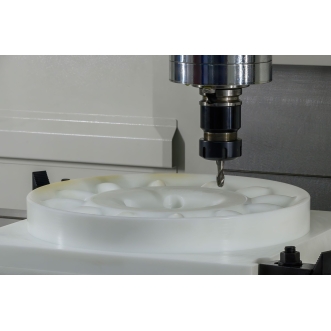
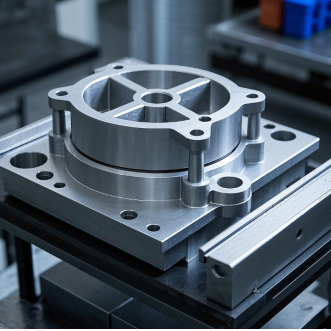
CNC milling of aluminum parts is one of the most common machining operations. A rotating cutting tool removes material from the workpiece to create flat surfaces, grooves, holes, and complex 3D shapes.
Carbide end mills are commonly used due to their durability and sharp cutting edges. Aluminum is typically machined at high spindle speeds (3000–8000 RPM) with moderate feed rates to ensure smooth cutting and good surface finish.
Proper tool selection and machining parameters are essential to prevent burr formation and ensure dimensional accuracy, especially for parts like aluminum heat sinks with fine fins.
Turning Aluminum Parts in CNC Machining
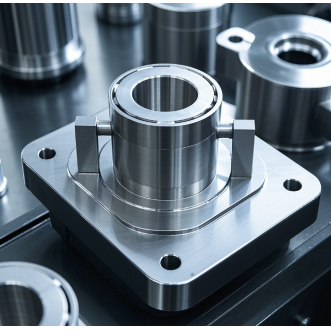
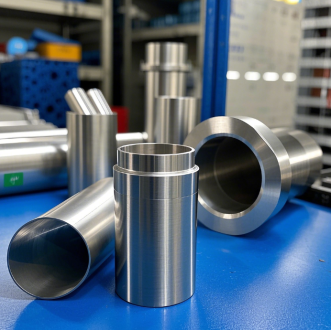
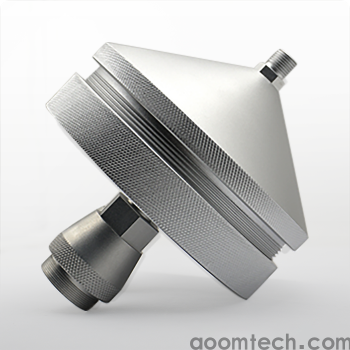
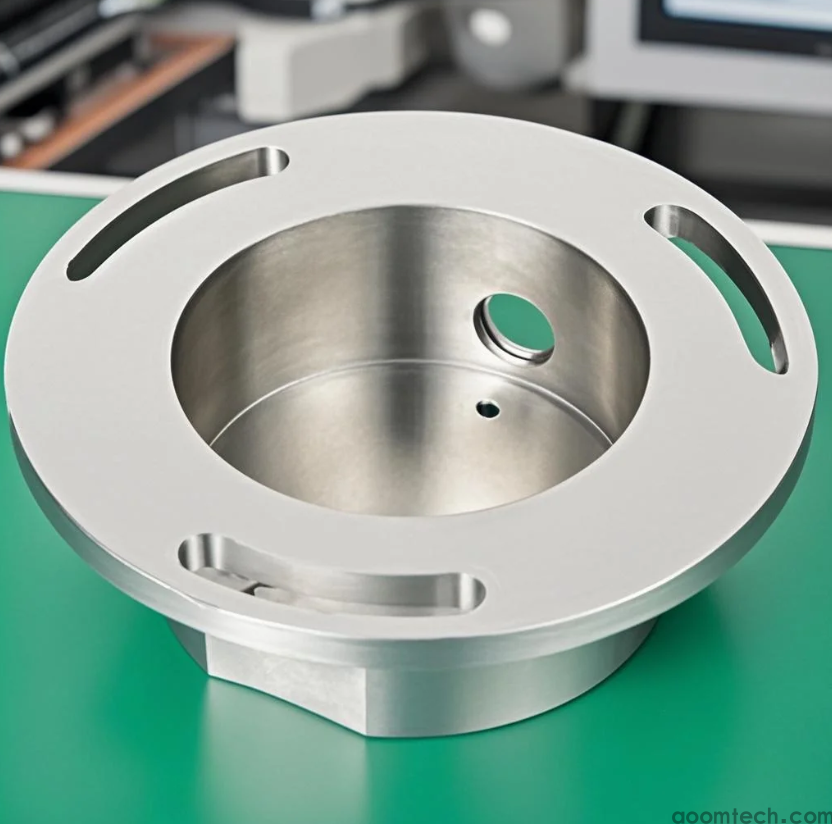
Turning aluminum parts in CNC machining is used to produce cylindrical components such as shafts, bushings, and rotating parts. The workpiece rotates while a stationary cutting tool removes material.
To achieve high precision and smooth surface finish, carbide inserts are commonly used. Spindle speeds typically range from 2000–6000 RPM, depending on part size and alloy type.
Maintaining concentricity and avoiding vibration (chatter) are important for achieving high-quality cylindrical parts used in automotive and industrial systems.
Drilling
Drilling is used to create precise holes for assembly, fastening, wiring, or fluid passage. Twist drills with a 118°–135° point angle are commonly used for aluminum machining.
Proper cutting speed (1500–4000 RPM) and feed rate must be controlled to avoid overheating and tool wear. Accurate hole placement is essential for parts like electronic housings and mechanical assemblies.
Finishing Operations
After machining, finishing operations improve both appearance and performance. Common finishing methods include:
Deburring: Removes sharp edges and machining burrs.
Anodizing: Improves corrosion resistance and surface hardness.
Powder coating: Provides a durable and decorative surface layer.
Polishing: Enhances surface smoothness and visual appeal.
Challenges in Aluminum Parts CNC Machining
Tool Wear and Breakage
Although aluminum is relatively soft, high-speed machining can still cause tool wear. Complex geometries and fine tools increase the risk of tool breakage.
To reduce this issue, manufacturers use high-quality carbide tools, monitor tool condition regularly, and optimize toolpaths to reduce cutting stress.
Heat Generation
Heat generated during machining can affect dimensional accuracy and tool life. Excess heat may also cause material expansion and surface defects.
Using coolant systems, adjusting cutting parameters, and selecting heat-resistant tools help control temperature during machining.
Surface Finish and Burring
Aluminum tends to form burrs during cutting, which can affect assembly and appearance. Achieving a smooth surface finish requires sharp tools, optimized cutting conditions, and proper post-processing.
Deburring is often necessary after machining to ensure the part meets quality and functional requirements.
Quality Control in Aluminum Parts CNC Machining
In-process Inspection
In-process inspection is essential for maintaining consistency during production. Measurements are taken using calipers, micrometers, and optical devices to verify dimensions.
This step helps detect problems early, such as tool wear or machining deviation, preventing large-scale defects.
Final Inspection (Quality Control for Aluminum Parts CNC Machining)
Quality control for aluminum parts CNC machining includes a detailed final inspection after all machining and finishing processes are completed.
Advanced tools such as Coordinate Measuring Machines (CMM), profilometers, and hardness testers are used to verify:
Dimensional accuracy
Surface roughness
Material hardness (if required)
Overall appearance and defects
Parts that do not meet specifications are either reworked or rejected depending on the level of deviation.
Documentation and Traceability
Documentation ensures that every stage of the Aluminum Parts CNC Machining Process is recorded, including material batch, machining parameters, and inspection results.
Traceability is important for quality assurance and compliance with standards such as ISO 9001 and AS9100 (aerospace quality standard). If a defect is found later, the root cause can be traced back to its origin.
Conclusion
The Aluminum Parts CNC Machining Process is a highly precise and efficient manufacturing method that supports many modern industries. From design and material selection to machining and final inspection, each step plays a critical role in ensuring product quality and performance.
With advanced techniques such as CNC milling of aluminum parts and turning aluminum parts in CNC machining, manufacturers can produce complex components with high accuracy and consistency. At the same time, strong quality control systems ensure reliability and long-term performance.
As industries continue to demand lightweight, durable, and high-performance components, CNC machining of aluminum will remain a key manufacturing solution worldwide.
RELATED PRODUCTS
-
Medical Brass CNC Machining Parts
-
Precision CNC Machining PEEK Services
-
Precision Custom CNC Machined Car Parts
-
cnc machining optical housings
-
Precision CNC Casting Machining Services
-
Precision Gear CNC Machining Services
-
Precision Stainless Steel Parts CNC Mach
-
CNC Machining of Precision Aluminum Tube
-
CNC Machining of Large Precision Aluminu
-
CNC Machining & Manufacturing of Pre