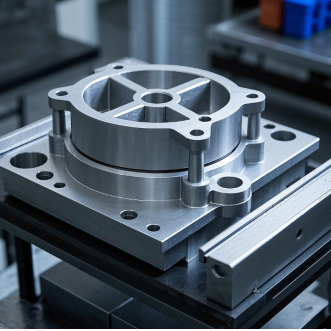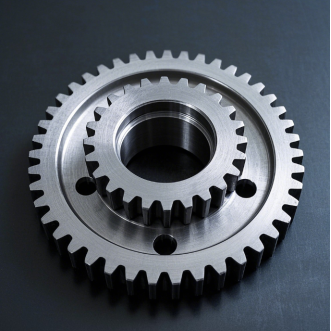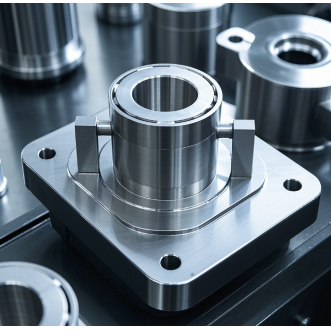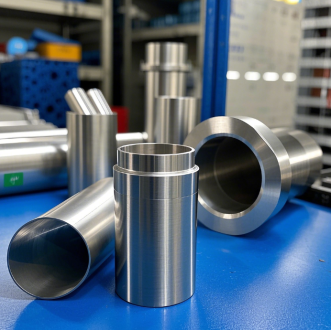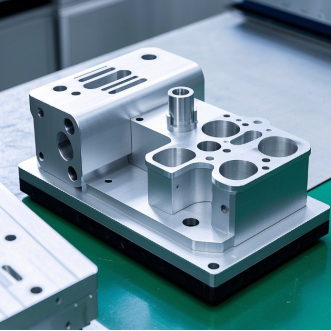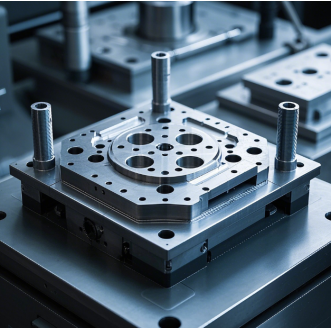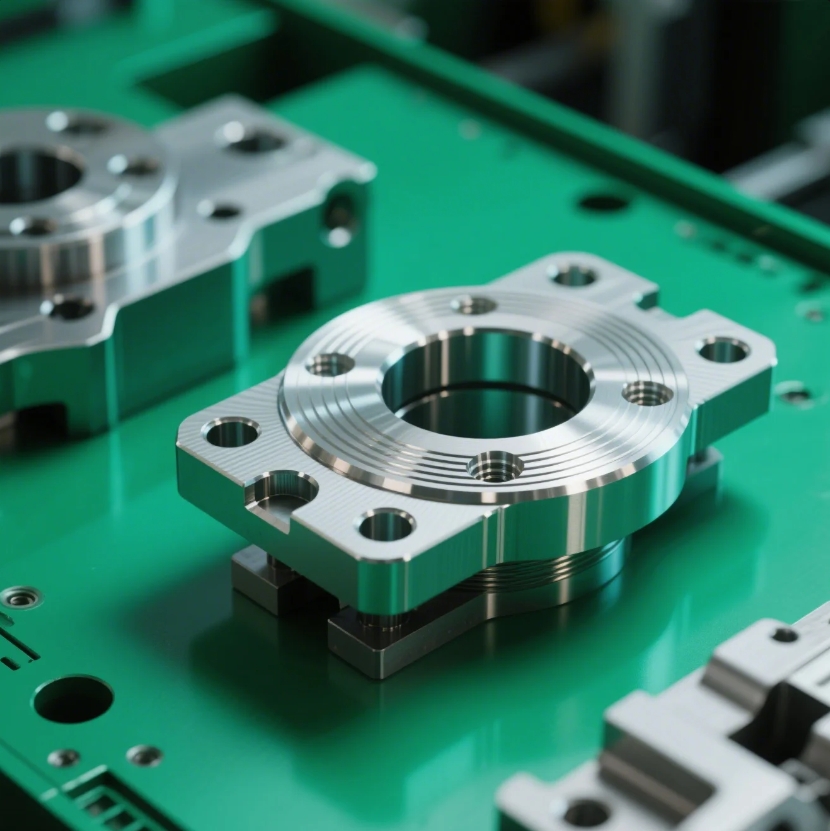
Automotive Parts CNC Machining
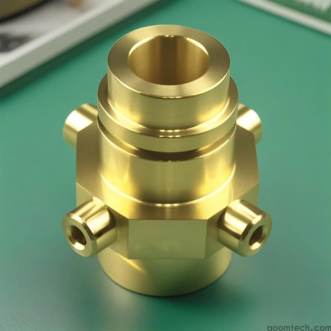
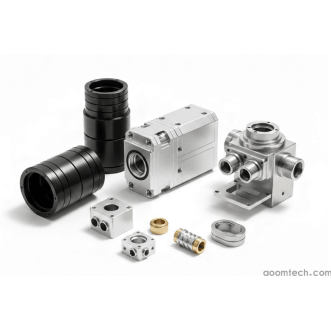
Automotive Parts CNC Machining plays a critical role in today’s automotive industry. It refers to the use of computer-controlled machines to produce precise and reliable vehicle components. From engine parts to transmission systems, CNC machining ensures that every part meets strict safety, performance, and durability requirements.
In this article, we will explain the importance, process, benefits, challenges, and industry impact of CNC machining in automotive manufacturing. The goal is to help engineers, manufacturers, suppliers, and learners understand how this technology shapes modern vehicles.
Introduction to Automotive Parts CNC Machining
In the automotive industry, producing high-quality parts is essential for vehicle performance, safety, and reliability. Even a small error in a component can affect how a car drives, brakes, or consumes fuel. This is where CNC (Computer Numerical Control) machining becomes essential.
CNC machining uses programmed instructions to control cutting tools with extreme precision. As a result, automotive parts are produced with consistent quality and tight tolerances. This improves efficiency in production and strengthens the competitiveness of automotive manufacturers worldwide.
The importance of CNC machining for automotive parts lies in its ability to produce complex, high-precision components at scale while maintaining consistent quality across production batches.
Importance of CNC Machining for Automotive Parts
Precision and Consistency
CNC machining ensures extremely high precision in automotive parts production. Modern vehicles require components that fit together perfectly to ensure smooth operation and safety.
For example, a piston in an engine must meet exact dimensions to ensure proper combustion. If the piston is too large or too small, it can reduce engine efficiency or even cause damage. CNC machining allows manufacturers to achieve tight tolerances consistently, ensuring that every piston performs the same way across thousands of units.
Because the process is automated, the consistency of parts remains stable even in large production batches. This reduces human error and improves reliability.
Complex Part Manufacturing
Automotive components often have complex shapes and internal structures. Traditional manufacturing methods struggle with these designs, but CNC machining handles them with ease.
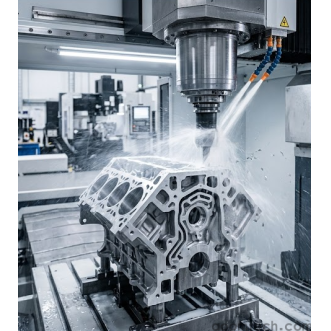
Parts such as transmission gears, engine blocks, and intake manifolds require detailed geometries. CNC machines can precisely create both internal and external features, ensuring proper function and performance.
For instance, an intake manifold must guide air efficiently into the engine. CNC machining allows manufacturers to create smooth internal channels that improve airflow and engine efficiency.
Process of Automotive Parts CNC Machining
Design and Programming
The process of automotive parts CNC machining begins with digital design. Engineers use CAD (Computer-Aided Design) software to create a 3D model of the part. This model includes exact dimensions, tolerances, and functional requirements.
Next, CAM (Computer-Aided Manufacturing) software converts the design into machine instructions. These instructions define toolpaths, cutting speed, feed rate, and depth of cut.
For example, a complex engine bracket may require multi-axis toolpaths to achieve its final shape. Programmers must carefully plan each movement to avoid collisions and ensure accuracy.
Material Selection and Preparation
Material choice is extremely important in automotive manufacturing. Common materials include steel, aluminum, titanium, and alloys. Each material has different properties such as strength, weight, and heat resistance.
Steel is strong and durable but harder to machine. Aluminum is lightweight and easier to cut, making it ideal for fuel-efficient vehicles. Titanium is used in high-performance applications due to its strength and corrosion resistance.
Before machining, materials are cut, cleaned, and sometimes heat-treated to improve performance and machinability. The hardness of the material also determines the type of cutting tools used.
Machine Setup and Tooling
The CNC machine must be properly set up before production begins. The workpiece is securely fixed using specialized fixtures to prevent movement during machining.
Tool selection is equally important. Carbide tools are often used for hard materials, while high-speed steel tools may be used for softer metals.
A custom fixture may be designed for complex automotive parts to ensure stability and precision during machining operations.
Machining Operations
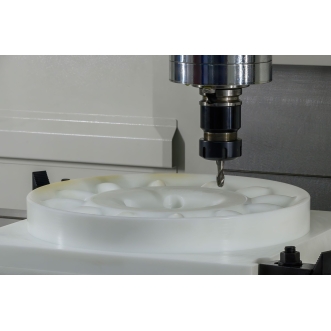
Milling: Used to create flat surfaces, pockets, and complex shapes. Milling parameters are adjusted based on material type. For example, aluminum allows faster cutting speeds than steel.
Turning: The workpiece rotates while a cutting tool shapes it into cylindrical forms such as shafts and bushings. Precision control ensures smooth surface finishes.
Drilling and Boring: These operations create precise holes in automotive parts. Coolants are often used to reduce heat and improve accuracy.
Quality Control and Inspection
Quality control is a critical stage in the machining process. Tools such as calipers, micrometers, and Coordinate Measuring Machines (CMMs) are used to verify accuracy.
For example, if a CMM detects a deviation in a brake component, engineers can adjust the machining parameters immediately to correct the issue. This ensures that safety-critical parts meet strict standards.
Benefits of CNC-Machined Automotive Parts
Enhanced Vehicle Performance
The benefits of CNC-machined automotive parts include improved vehicle performance. High-precision parts reduce friction, improve engine efficiency, and enhance overall driving experience.
For example, a CNC-machined camshaft ensures precise valve timing, which improves fuel efficiency and engine power output.
Cost-Effectiveness in Large Production
Although CNC machines require initial investment, they become highly cost-effective in medium to large production batches. Once programmed, they can produce thousands of identical parts with minimal human intervention.
This reduces labor costs and improves production speed, making CNC machining a preferred method for automotive suppliers.
Rapid Prototyping
CNC machining is ideal for prototyping new automotive designs. Engineers can quickly produce and test parts before full-scale production.
For example, a car manufacturer may test a new engine bracket design using CNC-machined prototypes. This helps identify design flaws early, saving time and development costs.
Challenges in Automotive Parts CNC Machining
High-Tech Equipment and Maintenance
The challenges in automotive parts CNC machining include the need for expensive and advanced equipment. CNC machines require regular maintenance to ensure accuracy and performance.
If maintenance is ignored, machine breakdowns can cause production delays and financial losses.
Strict Quality Standards
The automotive industry follows strict safety and quality regulations. Every component must meet precise specifications.
For example, brake system components must pass rigorous testing to ensure they function correctly under extreme conditions. This requires continuous monitoring and inspection during production.
Complex Programming Requirements
Some automotive parts have extremely complex designs that require advanced programming skills. Engineers must understand both the design intent and machining limitations.
Incorrect programming can lead to tool collisions, waste of material, or defective parts.
Impact of CNC Machining on the Automotive Industry
Innovation and Product Development
The impact of CNC machining on the automotive industry is significant in driving innovation. It allows manufacturers to develop lightweight, strong, and efficient components.
For example, CNC machining enables the production of aluminum engine blocks that reduce vehicle weight and improve fuel economy.
Improved Production Efficiency
CNC machining has greatly increased production efficiency. Automated processes reduce manual labor and speed up manufacturing while maintaining consistent quality.
Large automotive factories can now produce thousands of parts daily with high precision and minimal defects.
Conclusion: The Future of Automotive Parts CNC Machining
Automotive Parts CNC Machining is a foundation of modern vehicle manufacturing. It ensures precision, efficiency, and innovation across the automotive industry.
From design and programming to machining and inspection, every step contributes to producing reliable and high-performance automotive components.
Despite challenges such as high equipment costs and strict quality requirements, CNC machining continues to evolve and improve. Its role in developing safer, more efficient, and more advanced vehicles will only grow in the future.
For manufacturers and engineers, understanding CNC machining is essential for staying competitive in the automotive market and developing next-generation vehicles.
RELATED PRODUCTS
-
Medical Brass CNC Machining Parts
-
Precision CNC Machining PEEK Services
-
Precision Custom CNC Machined Car Parts
-
cnc machining optical housings
-
Precision CNC Casting Machining Services
-
Precision Gear CNC Machining Services
-
Precision Stainless Steel Parts CNC Mach
-
CNC Machining of Precision Aluminum Tube
-
CNC Machining of Large Precision Aluminu
-
CNC Machining & Manufacturing of Pre