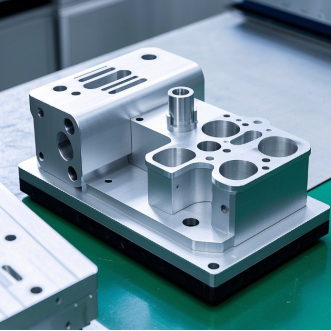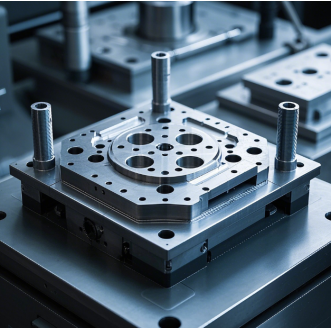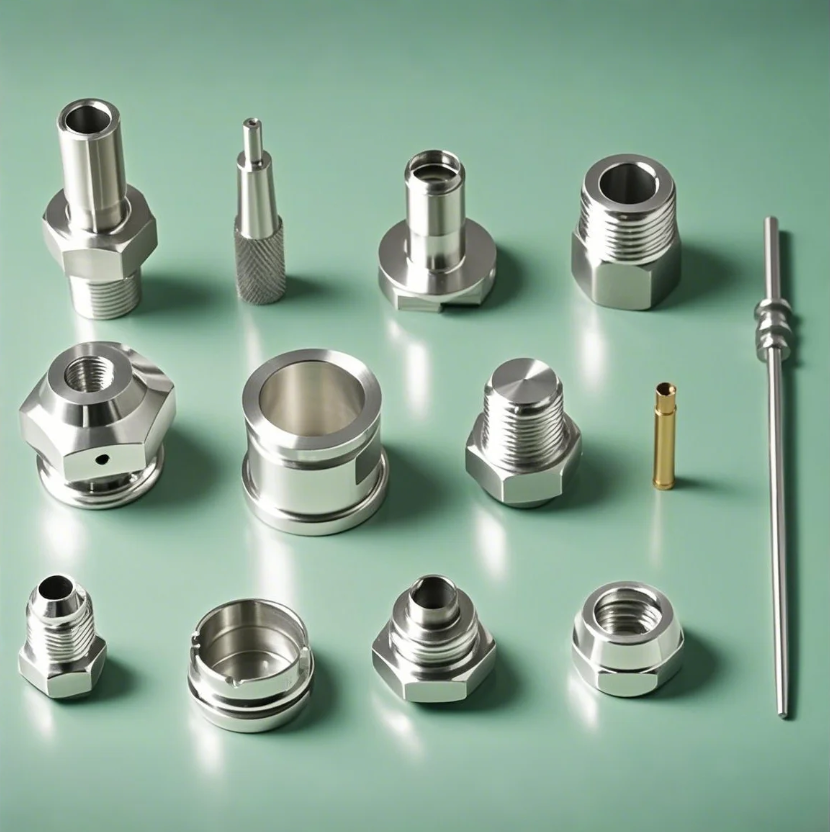
Batch CNC Machining of Non-standard Parts
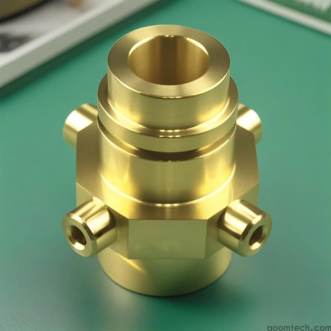
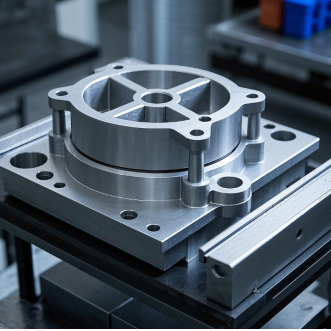
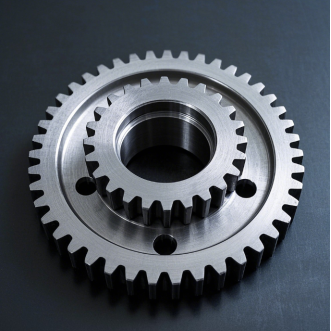
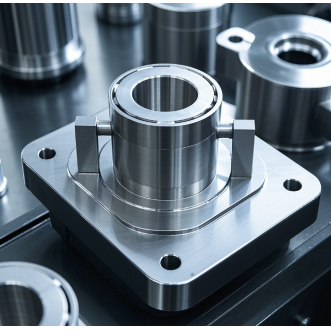
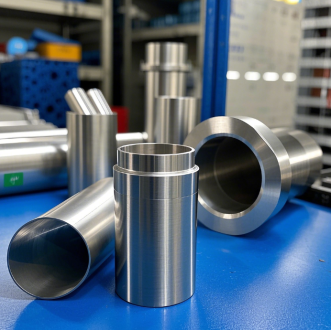
Batch CNC Machining of Non - standard Parts plays a crucial role in modern manufacturing industries where custom components are required in multiple quantities. These parts do not follow standard dimensions or designs and are often engineered for specific machines, systems, or environments. CNC (Computer Numerical Control) technology makes it possible to produce these complex parts with high accuracy, repeatability, and efficiency.
This article explains the full process of batch CNC machining for non - standard parts, including design, material selection, programming, machining, and quality control. It also discusses real-world challenges, advantages, and important considerations for manufacturers and buyers.
The Significance of Batch CNC Machining for Non - standard Parts
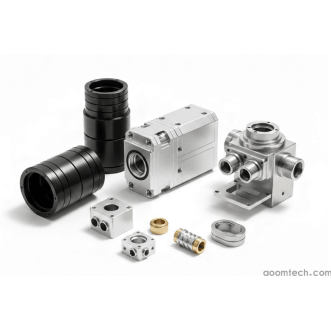
Non - standard parts are custom components designed for specific applications where standard parts cannot meet technical requirements. Batch production means manufacturing multiple identical units of these custom parts in one production cycle.
This approach is widely used in industries such as aerospace, automotive, medical equipment, robotics, and energy. For example, in aerospace manufacturing, custom brackets, housings, and connectors are often produced in batches to ensure consistent performance across aircraft systems.
Batch production offers a balance between customization and efficiency. Once the CNC program and setup are ready, multiple identical parts can be produced at a lower cost per unit while maintaining strict quality standards.
The Process of Batch CNC Machining for Non - standard Parts
Design and Engineering
The process begins with detailed engineering design using CAD (Computer-Aided Design) software. Engineers create a 3D model based on functional requirements, load conditions, and assembly constraints.
At this stage, design for manufacturability is essential. The model must be optimized for machining, ensuring tool access, minimizing unnecessary complexity, and reducing machining time. Poor design can lead to production delays, increased costs, or even scrapped batches.
A well-optimized design is the foundation of successful CNC production.
Material Selection
Material choice directly affects performance, cost, and machining efficiency. Common materials include aluminum, stainless steel, carbon steel, titanium, and engineering plastics.
For example, stainless steel is often used in marine environments due to its corrosion resistance, while aluminum is preferred in aerospace applications for its lightweight properties.
Material selection also influences cutting speed, tool wear, and surface finish quality. Harder materials require slower machining speeds and stronger cutting tools.
CNC Programming
Once the CAD model is finalized, it is converted into CNC instructions using CAM (Computer-Aided Manufacturing) software. This step creates the toolpaths that guide the machine.
The CNC program defines:
Tool movement paths
Cutting speeds and feed rates
Depth of cut
Tool changes and sequences
Accurate programming is critical in batch CNC machining of non - standard parts because even small errors can affect all parts in the batch.
Machine Setup and Tooling
Before production begins, CNC machines are configured with the correct tools, fixtures, and workholding systems. High-precision tools are selected based on material and geometry requirements.
Proper setup ensures stability, repeatability, and accuracy throughout the batch. Incorrect tooling or setup can result in dimensional errors, poor surface finish, or tool breakage.
Machining Operations
Milling
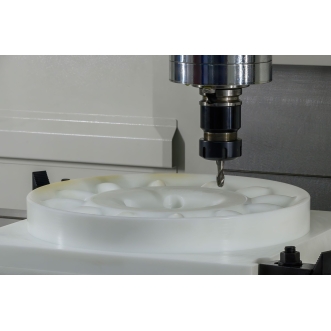
Milling is used to create flat surfaces, slots, and complex 3D shapes. Carbide tools are commonly used for hard materials. Parameters such as spindle speed and feed rate must be carefully controlled to maintain accuracy.
Turning
Turning is used for cylindrical parts. The workpiece rotates while the cutting tool shapes it. This process requires precise control to maintain concentricity and avoid vibration issues such as chatter.
Drilling and Boring
Drilling creates holes, while boring refines them to precise dimensions. These operations are critical in ensuring proper assembly and functionality. Accurate hole placement is essential for alignment and structural integrity.
Quality Control
Quality control in batch CNC machining of non - standard parts ensures consistency across all units in production.
Inspections include:
Dimensional measurement using calipers and micrometers
Surface roughness testing
In-process tool wear monitoring
Final inspection of finished parts
If one part fails inspection, the entire batch may be reviewed to identify root causes and prevent repeated defects.
Challenges in Batch CNC Machining of Non - standard Parts
Complex Geometry
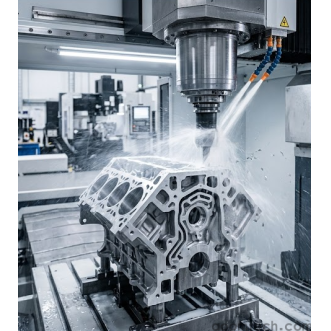
Non - standard parts often have complex shapes that require multi-axis CNC machines. Advanced programming and simulation tools are needed to ensure toolpaths are efficient and collision-free.
Variability in Design
Each batch may involve different designs, making standardization difficult. Manufacturers must adapt quickly to new requirements while maintaining production efficiency.
Cost Effectiveness in Smaller Batches
Smaller production runs may not fully benefit from economies of scale. Setup costs and programming time can increase the cost per unit. Efficient planning and reusable machining strategies help reduce these costs.
These issues are commonly referred to as challenges in batch non - standard part CNC machining, especially in custom manufacturing environments.
Advantages of Batch CNC Machining for Non - standard Parts
Customization and Flexibility
CNC technology allows full customization of each part design. Engineers can modify designs quickly to meet different application needs without changing the entire production system.
High Precision and Consistency
One of the main benefits of CNC machining is repeatability. Every part in the batch is produced with the same precision, ensuring consistent performance in final assemblies.
Cost Efficiency for Multiple Units
Once the system is set up, producing multiple units becomes more economical. This reduces labor cost per unit and improves material utilization.
These benefits highlight the advantages of batch CNC for non - standard parts in industrial manufacturing.
Considerations When Undertaking Batch CNC Machining
Manufacturer Expertise
Choosing an experienced CNC manufacturer is critical. Skilled engineers and operators ensure proper handling of complex designs, material selection, and production challenges.
A strong track record, technical capability, and modern equipment are key indicators of reliability.
Cost and Pricing Structure
Pricing should include material costs, machining time, tooling, and setup expenses. While low cost is attractive, quality should never be compromised.
Long-term partnerships and larger order volumes often help reduce overall production costs.
Lead Times
Lead time depends on design complexity, material availability, and production workload. Clear communication with manufacturers helps set realistic expectations and avoid delays.
Conclusion: Mastering Batch CNC Machining of Non - standard Parts
Batch CNC machining is a powerful solution for producing custom-designed components with high precision and repeatability. From design and programming to machining and inspection, each step plays a critical role in ensuring product quality.
Understanding the process of batch CNC machining for non - standard parts, along with its challenges and advantages, helps manufacturers and clients make better decisions.
Success in this field depends on accurate engineering, proper material selection, efficient programming, and strict quality control. With the right approach, Batch CNC Machining of Non - standard Parts delivers cost-effective, high-quality solutions for a wide range of industries.
Continuous improvement, skilled expertise, and strong communication between clients and manufacturers remain key factors in achieving reliable and efficient production outcomes.
RELATED PRODUCTS
-
Medical Brass CNC Machining Parts
-
Precision CNC Machining PEEK Services
-
Precision Custom CNC Machined Car Parts
-
cnc machining optical housings
-
Precision CNC Casting Machining Services
-
Precision Gear CNC Machining Services
-
Precision Stainless Steel Parts CNC Mach
-
CNC Machining of Precision Aluminum Tube
-
CNC Machining of Large Precision Aluminu
-
CNC Machining & Manufacturing of Pre