Castings CNC Machining
Introduction to Castings CNC Machining
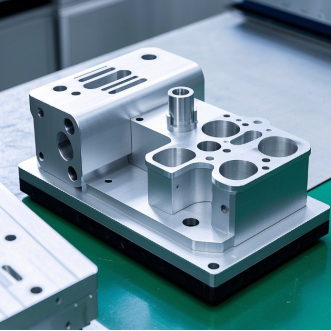
Castings CNC Machining is a key manufacturing process that combines metal casting and CNC (Computer Numerical Control) machining to produce high-quality, precise, and functional metal parts. In many industries, metal parts are first made through casting, which creates a near-final shape. However, castings alone are not always accurate or smooth enough for final use. That is where CNC machining becomes essential.
The combination of casting and CNC machining helps industries such as automotive, aerospace, and industrial machinery produce strong and reliable components. By using CNC machines, manufacturers can improve accuracy, surface quality, and overall performance of cast parts.
The Significance of Castings CNC Machining
Castings are widely used because they allow complex shapes to be formed at a relatively low cost. However, raw castings often have surface roughness, slight dimensional errors, or internal variations. Castings CNC Machining solves these issues by refining the part into a final, usable product.
This process is important because it bridges the gap between raw metal formation and final engineering requirements. Without CNC machining, many cast parts would not meet modern precision standards.
Importance of CNC Machining for Castings
Enhancing Precision and Dimensional Accuracy
The importance of CNC machining for castings lies in its ability to improve accuracy. Cast parts are rarely perfect due to shrinkage during cooling and mold limitations. CNC machines correct these errors by removing excess material and achieving exact dimensions.
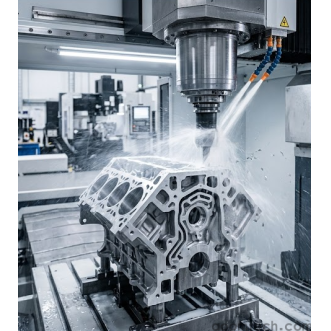
For example, in an automotive engine block, casting creates the general structure. However, CNC machining refines cylinder bores, mounting surfaces, and internal channels so that pistons, gaskets, and other parts fit perfectly. Without this step, engine performance and reliability would be reduced.
Improving Surface Finish
Another important role of CNC machining is improving surface quality. Raw castings often have rough textures that are not suitable for functional or decorative use.
For instance, a decorative metal casting used in furniture or architecture may look dull and uneven after casting. Through CNC machining, the surface becomes smooth and polished, improving both appearance and usability. In hydraulic systems, smoother surfaces also help reduce friction and wear.
Process of Machining Castings with CNC
Inspection and Preparation of Castings
The process of machining castings with CNC begins with careful inspection. Manufacturers check for defects such as:
Porosity (small air holes inside the metal)
Cracks caused by cooling stress
Uneven or excess material on surfaces
If defects are found, the casting may undergo pre-treatment such as heat treatment. Heat treatment improves hardness, reduces internal stress, and makes the material more stable for machining. This step helps prevent deformation or tool damage during CNC operations.
Fixture and Setup on CNC Machine
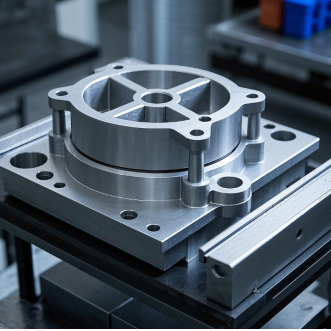
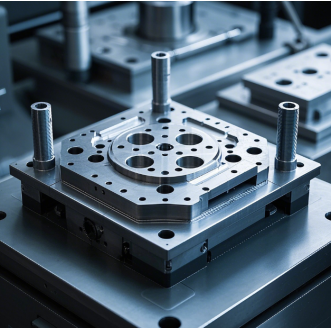
Proper setup is critical in Castings CNC Machining. The casting must be securely fixed using a fixture so it does not move during machining.
If the fixture is incorrect, the part may shift slightly, leading to inaccurate cutting or even damage. For example, a poorly supported casting could vibrate during milling, resulting in uneven surfaces and wasted material.
During setup, operators also select tools, load CNC programs, and align the casting according to design coordinates.
Machining Operations
Milling
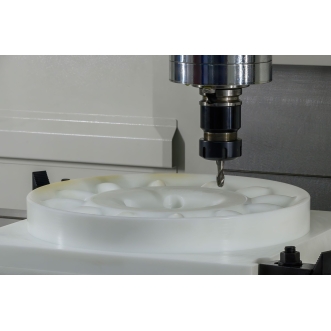
Milling is used to create flat surfaces, grooves, and complex shapes. In castings, milling is often used to refine external faces and internal features.
For steel castings, carbide-tipped milling cutters are commonly used because they are strong and wear-resistant. The correct tool choice depends on material hardness and required surface finish.
Turning
Turning is used when the casting has cylindrical shapes. The workpiece rotates while a cutting tool removes material.
This process is used to refine outer diameters, create internal bores, or form threads. Carbide inserts are commonly used because they handle heat and wear well. Proper speed and feed control ensures smooth surface finish and accurate size.
Drilling and Boring
Drilling creates holes in castings, while boring improves their accuracy and diameter. These operations require high precision tools and stable machining conditions.
Coolant is often used to prevent overheating and improve tool life. Inaccurate drilling can cause misaligned holes, which may affect assembly of final products.
Quality Control and Final Inspection
Quality control is a key step in Castings CNC Machining. After machining, parts are checked for accuracy, surface finish, and structural integrity.
Coordinate Measuring Machines (CMM) are commonly used to verify dimensions against design specifications. This ensures every part meets strict industry standards before it is delivered or assembled.
Benefits of CNC Machining on Castings
High-Quality and Consistent Output
The benefits of CNC machining on castings include consistent quality across large production batches. CNC machines follow programmed instructions exactly, reducing human error.
For example, a factory producing hundreds of pump housings can ensure each unit has identical dimensions and performance. This reduces rework and improves customer satisfaction.
Cost-Effectiveness for Medium to Large Batches
Once the CNC program and setup are complete, production becomes highly efficient. This makes Castings CNC Machining cost-effective for medium and large production runs.
Companies often save money because automation reduces labor costs and material waste while increasing production speed.
Flexibility in Design and Customization
CNC machining allows quick design changes without altering physical tools. Engineers can simply update the program to create new shapes or features.
For example, a manufacturer developing a new version of a machine part can modify the CNC code instead of creating a new casting mold, saving both time and cost.
Challenges in Castings CNC Machining
Material Inconsistencies in Castings
One of the main challenges in castings CNC machining is material inconsistency. Some castings may have uneven hardness or internal porosity.
This can cause uneven tool wear or vibration during machining. For example, a harder section of a casting may cause faster tool wear, requiring frequent tool adjustments or replacements.
Defect Repair and Complex Shapes
Some castings require repair before machining if defects are found. Complex shapes with internal cavities can also make machining more difficult.
Careful programming is required to avoid tool collisions or damage to hidden surfaces. Engineers often simulate machining paths before actual production to reduce risk.
Tool Wear and Breakage
Hard casting materials can cause significant tool wear. In some cases, cutting tools may break due to high stress.
To manage this, manufacturers use optimized cutting speeds, high-quality carbide tools, and proper coolant systems to extend tool life and maintain efficiency.
Applications of Castings CNC Machining
Automotive Industry
The applications of castings CNC machining are very important in the automotive sector. Engine blocks, cylinder heads, and transmission housings are commonly cast and then CNC machined.
For example, CNC machining ensures that engine components fit precisely, improving fuel efficiency, performance, and durability.
Industrial Machinery
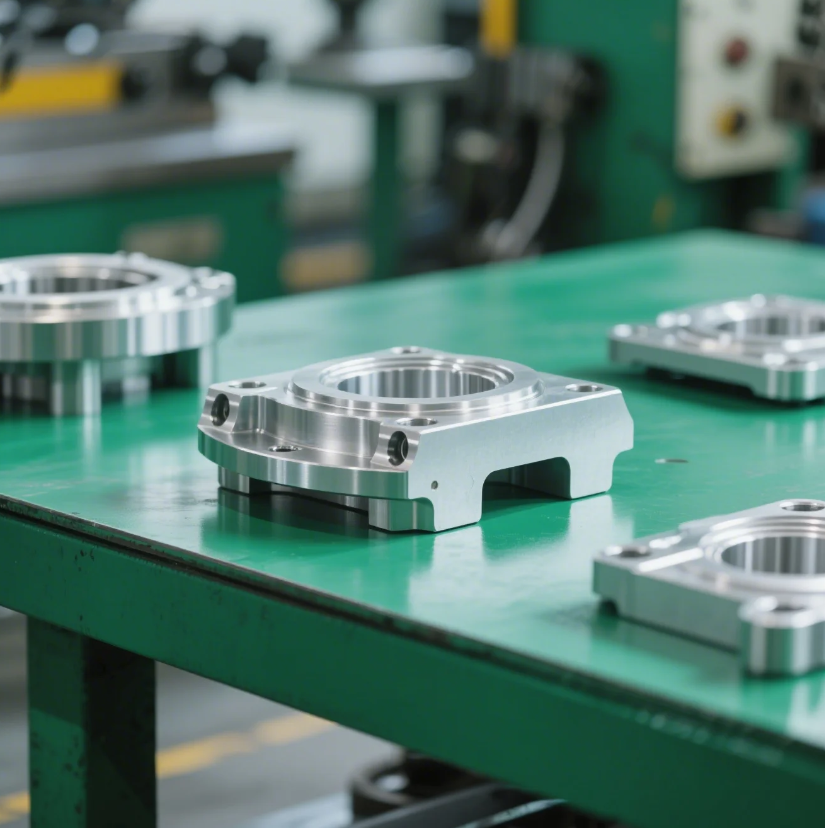
In industrial machinery, castings are used for pump housings, gearboxes, and machine frames. CNC machining ensures these parts meet strict alignment and durability requirements.
A well-machined gearbox housing, for instance, reduces vibration and improves machine lifespan.
Aerospace Industry
Aerospace components require extremely high precision and safety standards. Castings CNC machining is used for turbine housings, landing gear parts, and structural components.
Even small dimensional errors can affect safety, so CNC machining ensures every part meets strict aerospace regulations and performance requirements.
Conclusion: Optimizing Castings through CNC Machining
Castings CNC Machining is an essential process in modern manufacturing. It improves precision, surface quality, consistency, and overall performance of cast parts. While challenges such as material inconsistency and tool wear exist, proper planning and advanced CNC techniques can overcome them.
From automotive engines to aerospace systems, this process plays a critical role in producing reliable and high-performance components. Understanding the importance of CNC machining for castings, the process of machining castings with CNC, and its benefits and challenges helps manufacturers make better production decisions.
If you are working with metal parts or product design, considering Castings CNC Machining can significantly improve product quality, efficiency, and long-term performance.
RELATED PRODUCTS
-
Medical Brass CNC Machining Parts
-
Precision CNC Machining PEEK Services
-
Precision Custom CNC Machined Car Parts
-
cnc machining optical housings
-
Precision CNC Casting Machining Services
-
Precision Gear CNC Machining Services
-
Precision Stainless Steel Parts CNC Mach
-
CNC Machining of Precision Aluminum Tube
-
CNC Machining of Large Precision Aluminu
-
CNC Machining & Manufacturing of Pre