CNC Aluminum Parts Batch Processing
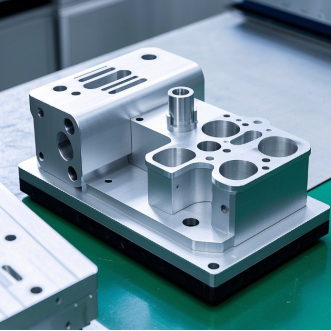
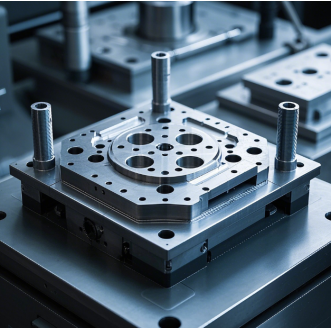
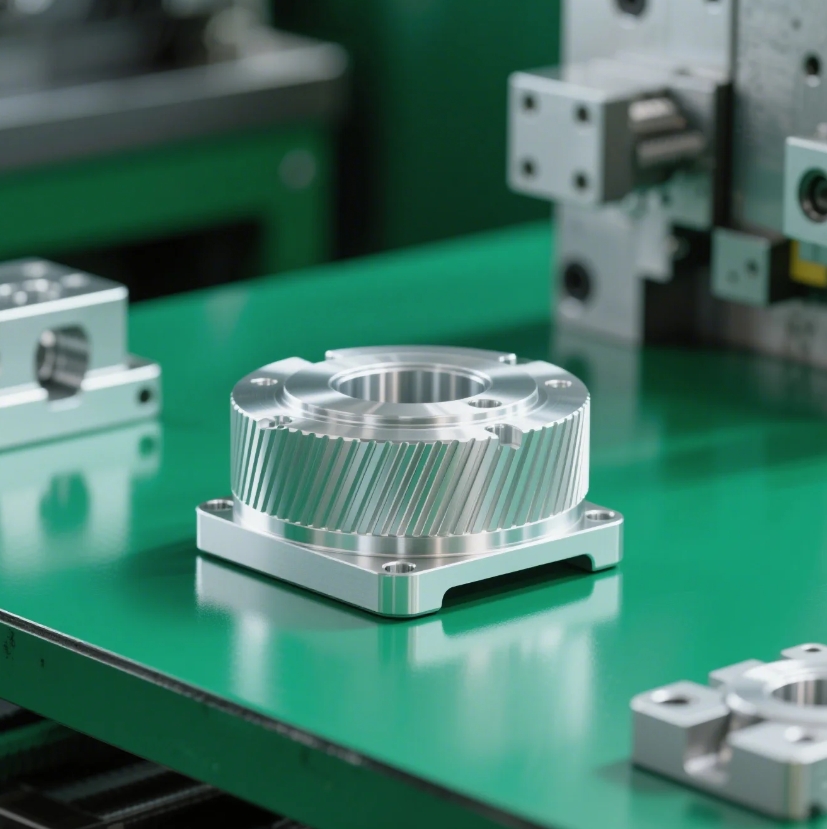
CNC Aluminum Parts Batch Processing is a modern manufacturing method used to produce multiple aluminum parts efficiently with high accuracy and consistent quality. In today’s global industry, companies need reliable and cost-effective production methods. Aluminum is widely used because it is lightweight, corrosion-resistant, and easy to machine. When combined with CNC (Computer Numerical Control) technology, it becomes possible to produce large quantities of precise parts for industries such as automotive, electronics, aerospace, and industrial equipment.
This article explains the significance of CNC batch processing for aluminum parts, the full production process, key benefits, common challenges, and practical optimization methods in simple and clear language.
Introduction to CNC Aluminum Parts Batch Processing
The significance of CNC batch processing for aluminum parts lies in its ability to produce many identical parts with high efficiency. CNC machines follow programmed instructions, which reduces human error and improves consistency.
Aluminum is an ideal material for CNC machining because it is easy to cut and shape while still offering strength and durability. Batch processing means producing many parts in one production cycle, making it suitable for medium and large-scale manufacturing needs. This process is widely used in automotive structures, electronic housings, mechanical assemblies, and consumer product components.
Significance of CNC Batch Processing for Aluminum Parts
Cost-effectiveness for Medium to Large Volumes
For medium and large production runs, CNC batch processing significantly reduces cost per part. Once the machine setup and programming are completed, production can continue with minimal manual intervention.
For example, an automotive supplier producing aluminum engine brackets can manufacture hundreds or thousands of identical parts efficiently. The initial setup cost is distributed across all parts, making each unit more affordable.
Consistent Quality across the Batch
One of the main advantages of CNC technology is repeatability. Every aluminum part in the batch follows the same programmed instructions, ensuring identical dimensions and surface quality.
For instance, aluminum electronic enclosures used in consumer devices must fit precisely to protect internal components. CNC batch processing ensures every enclosure meets strict tolerance requirements without variation.
Process of CNC Aluminum Parts Batch Production
Design and Programming
The process begins with product design using CAD (Computer-Aided Design) software. Engineers create a 3D model of the aluminum part with exact measurements and tolerances.
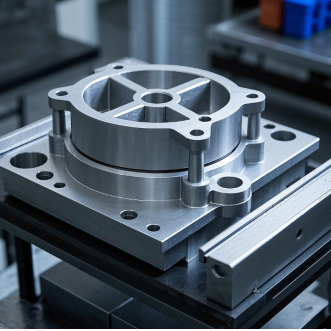
Next, CAM (Computer-Aided Manufacturing) software converts the design into machine instructions. These instructions define tool paths, cutting speeds, spindle rotation, and feed rates. For complex industrial fixtures, programming may require careful optimization to avoid tool collision and ensure smooth machining paths.
Material Procurement and Preparation
Choosing the right aluminum alloy is essential for performance and machinability. Different alloys have different hardness and strength levels, which affect cutting speed and tool selection.
After selection, raw aluminum materials are cut into suitable sizes. Proper preparation helps reduce waste and improves machining efficiency. Harder alloys may require stronger cutting tools and slower machining speeds.
Machine Setup and Tooling
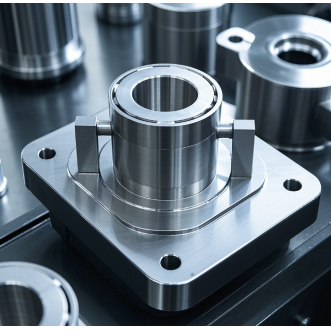
CNC machines must be properly set up before batch production begins. This includes installing cutting tools such as milling cutters and drills, and designing fixtures that securely hold multiple workpieces.
A well-designed fixture can hold several aluminum parts at once, improving productivity and reducing machine downtime during loading and unloading.
Machining Operations
Milling
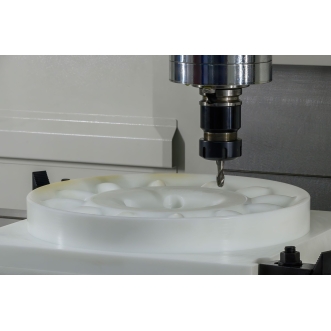
Milling is used to create flat surfaces, grooves, and complex shapes. Aluminum allows higher cutting speeds, but operators must avoid excessive feed rates that can cause surface smearing.
Turning
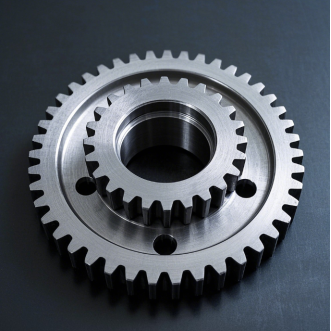
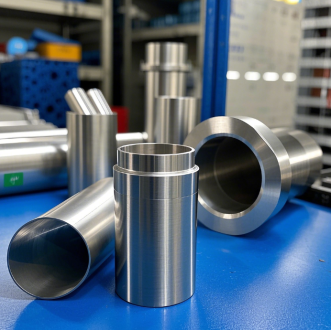
In turning operations, the aluminum workpiece rotates while the cutting tool shapes it into cylindrical or conical forms. Proper control of speed and depth ensures accuracy and smooth surface finish.
Drilling
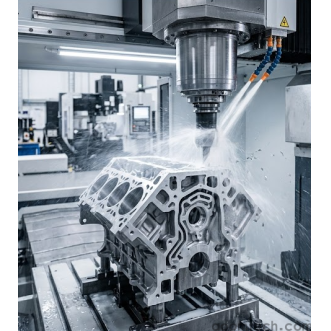
Drilling is used to create precise holes in aluminum parts. Proper coolant use and stable feed pressure help maintain accuracy and prevent tool wear during batch production.
Quality Control and Inspection
Quality inspection is critical in batch production. Random samples are measured using calipers, micrometers, and coordinate measuring machines (CMM).
For example, if a deviation is detected in one sample part, adjustments can be made to the CNC program to correct all remaining parts in the batch. This ensures consistent quality throughout production.
Benefits of Batch-Processed CNC Aluminum Parts
Quick Turnaround Time
Once production starts, CNC machines can run continuously, producing large quantities in a short time. This is especially useful for industries with tight deadlines, such as electronics manufacturing.
Flexibility in Design Changes
If small design changes are needed, CNC programs can be updated quickly without redesigning the entire system. This allows manufacturers to adapt to customer requirements efficiently.
Enhanced Productivity
Automation reduces manual labor and increases output. CNC batch processing allows manufacturers to achieve higher productivity with fewer human errors, improving overall efficiency.
Challenges in CNC Aluminum Parts Batch Processing
Tool Wear and Breakage
Aluminum can stick to cutting tools, especially during high-speed machining. This may lead to tool wear or clogging. Choosing the correct tool material and applying proper coolant helps reduce this problem.
Heat Generation and Part Deformation
Excessive heat during machining may cause aluminum parts to deform slightly, affecting accuracy. Proper cooling systems and optimized cutting speeds help control heat levels.
Initial Setup Costs
Setting up CNC batch production requires investment in programming, tooling, and fixture design. Although this cost is high at the beginning, it becomes cost-effective over large production volumes.
Optimization of CNC Aluminum Parts Batch Processing
Tool and Process Optimization
Selecting the right tools and optimizing cutting parameters can significantly improve efficiency. Adjusting feed rates and spindle speeds based on real-time performance helps extend tool life and improve product quality.
Material Flow and Workflow Optimization
Efficient factory layout and material handling reduce production delays. Organizing raw materials and finished parts in a structured workflow improves overall production speed.
Quality Management System Optimization
Implementing statistical process control and frequent inspections helps detect issues early. This reduces waste and improves consistency in batch production.
Conclusion: Mastering CNC Aluminum Parts Batch Processing
CNC Aluminum Parts Batch Processing is an essential manufacturing method for producing high-quality aluminum components efficiently and consistently. It combines advanced CNC technology with the excellent properties of aluminum to serve industries such as automotive, electronics, and industrial manufacturing.
By understanding the process of CNC aluminum parts batch production, recognizing its benefits, and addressing challenges such as tool wear and heat control, manufacturers can significantly improve productivity and product quality.
With proper optimization in tooling, workflow, and quality management, companies can achieve better efficiency and lower production costs. For manufacturers and engineers, mastering this process is a key step toward competitive and modern production systems.
RELATED PRODUCTS
-
Medical Brass CNC Machining Parts
-
Precision CNC Machining PEEK Services
-
Precision Custom CNC Machined Car Parts
-
cnc machining optical housings
-
Precision CNC Casting Machining Services
-
Precision Gear CNC Machining Services
-
Precision Stainless Steel Parts CNC Mach
-
CNC Machining of Precision Aluminum Tube
-
CNC Machining of Large Precision Aluminu
-
CNC Machining & Manufacturing of Pre