CNC Machined Sensor Components Services
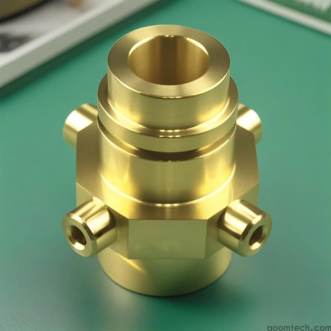
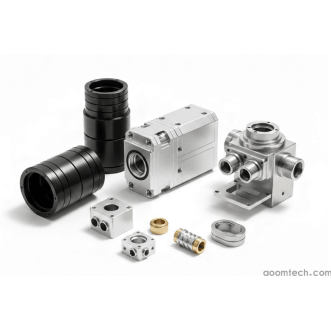
CNC Machined Sensor Components Services play a critical role in modern manufacturing industries where precision, reliability, and performance are essential. Sensors are everywhere—from cars and aircraft to hospitals and industrial machines. These sensors depend on accurately made components to function correctly. CNC (Computer Numerical Control) machining is one of the most trusted methods for producing these high-precision parts.
Introduction to CNC Machined Sensor Components Services
The Role of CNC Machined Sensor Components
Sensor components are essential for detecting, measuring, and transmitting physical data such as temperature, pressure, motion, light, or chemical changes. Without accurate sensor components, modern systems would not function safely or efficiently.
CNC machining is widely used to produce these components with extremely high precision. For example:
In the automotive industry, temperature and pressure sensors inside engines help monitor performance and prevent overheating.
In the healthcare industry, biosensors in medical devices measure vital signs and support patient monitoring.
In the aerospace industry, pressure and vibration sensors ensure aircraft safety and structural stability.
In all these applications, CNC-machined sensor components ensure accuracy, durability, and stable performance.
Importance of CNC Machining for Sensor Components
Precision and Accuracy
Sensor components often require extremely tight tolerances, sometimes measured in microns. Even a very small deviation in size can lead to incorrect readings or system failure.
CNC machining makes it possible to achieve these precise dimensions consistently. Modern CNC machines follow programmed instructions with high repeatability, ensuring every component meets exact specifications. This level of precision is essential for reliable sensor performance in critical systems such as medical diagnostics or engine control units.
Complex Geometries and Customization
Many sensors require specially designed shapes to function properly in unique environments. CNC machining allows manufacturers to create complex geometries that would be difficult or impossible with traditional methods.
For example, sensor housings may include internal channels, thin walls, or micro-scale features designed to improve signal detection or environmental response. With CNC machining, these designs can be customized based on exact engineering requirements, making it ideal for custom CNC sensor component manufacturing services.
Consistent Quality
One of the key advantages of CNC machining is repeatability. Once a program is set, every part produced is nearly identical in shape, size, and surface finish.
This consistency is especially important for mass production of sensor components. It reduces the need for individual calibration and ensures stable performance across all units in a system. Consistent quality also improves reliability and reduces long-term maintenance costs.
CNC Machining Processes for Sensor Components
Milling
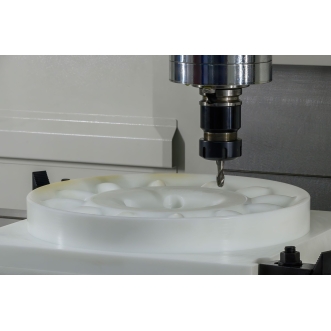
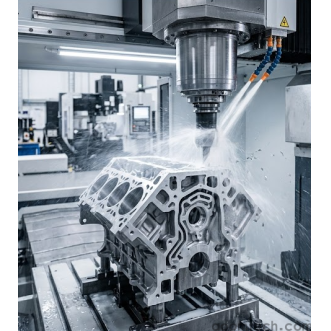
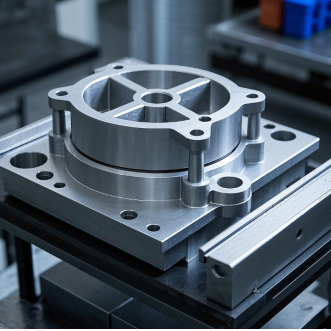
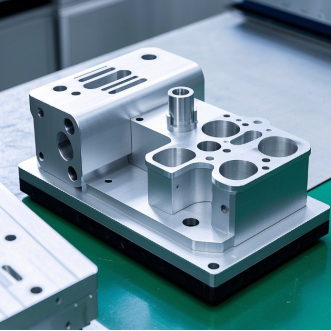
Milling is one of the most common CNC processes used in sensor component manufacturing. It uses rotating cutting tools to remove material and create flat surfaces, grooves, holes, and complex 3D shapes.
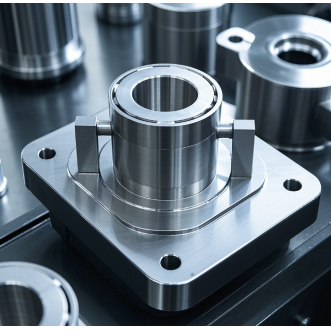
CNC milling for sensor components is often used to produce sensor housings and structural parts that hold sensitive elements in place. Tool selection depends on material type and design complexity. Key machining parameters include spindle speed, feed rate, and cutting depth, all of which affect precision and surface quality.
Turning
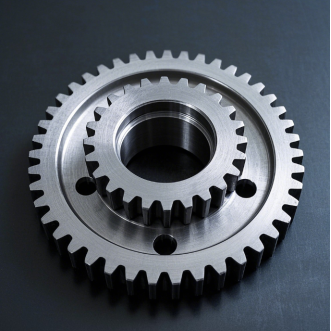
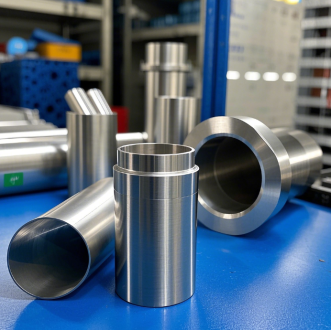
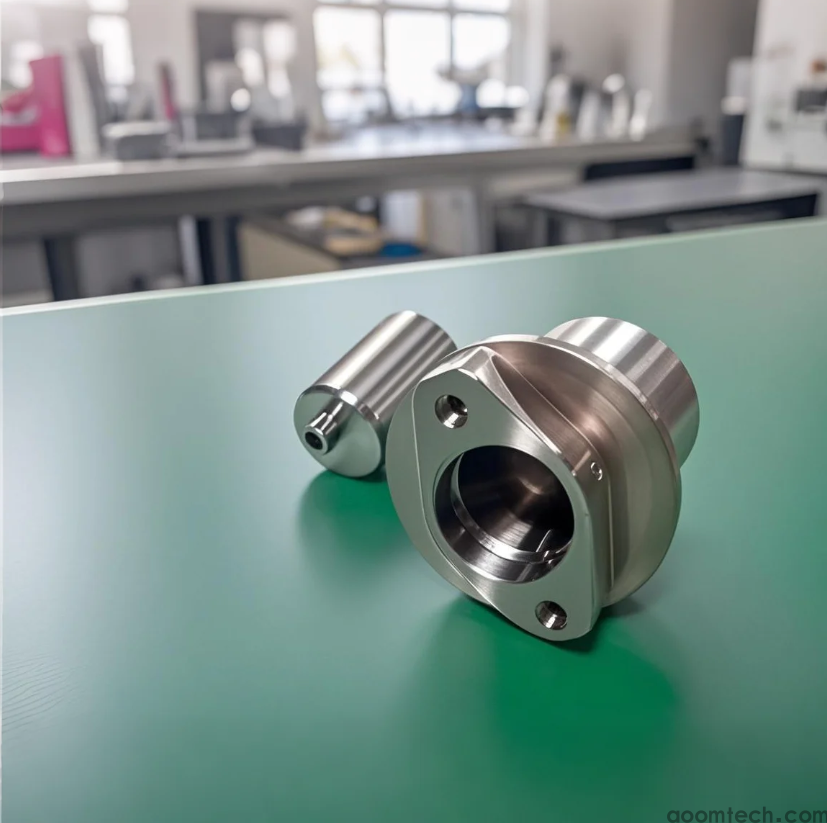
Turning is used to produce cylindrical sensor parts such as shafts, rings, or round housings. The workpiece rotates while a cutting tool removes material to achieve the desired shape.
In sensor applications, maintaining concentricity is extremely important. Poor alignment can affect sensor accuracy and mechanical stability. Proper tool selection and stable machining conditions help ensure smooth finishes and precise dimensions.
Drilling and Boring
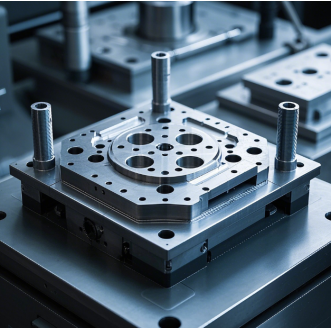
Drilling is used to create holes for wiring, mounting, or fluid or gas flow in certain sensor types. Boring is used to enlarge and precisely finish these holes.
Accurate hole placement is critical because even slight misalignment can affect sensor performance or installation compatibility. Specialized drills and boring tools are selected based on material hardness and required precision.
Materials Used in CNC Machined Sensor Components
Metals
Metals are widely used in sensor components due to their strength and durability.
Stainless Steel: Offers excellent corrosion resistance, making it ideal for harsh or wet environments.
Aluminum: Lightweight with good thermal conductivity, often used where heat dissipation is important.
Titanium: Strong, lightweight, and biocompatible, commonly used in medical and aerospace sensors.
Machining metals requires careful control of cutting speed and cooling to avoid tool wear and maintain surface quality.
Plastics
Plastics are commonly used for insulation, lightweight design, and cost efficiency.
Polycarbonate: High impact resistance and transparency, useful for protective sensor housings.
ABS: Versatile and easy to machine, suitable for general-purpose components.
PEEK: High-performance plastic with excellent heat and chemical resistance.
When machining plastics, temperature control is important to prevent warping, melting, or deformation.
Materials for CNC-machined sensors must always be selected based on environmental conditions and performance requirements.
Ceramics
Ceramics are used in advanced sensor applications requiring high hardness, insulation, and heat resistance.
However, ceramics are brittle and difficult to machine. Specialized tools and low-stress machining techniques are required to avoid cracking or damage. Despite the challenges, ceramics are essential in high-voltage and high-temperature sensor systems.
Choosing a CNC Machined Sensor Components Service Provider
Technical Expertise
A reliable provider of CNC Machined Sensor Components Services should have strong technical knowledge in precision manufacturing and sensor-specific requirements.
When evaluating a provider, consider:
Experience in sensor-related projects
Engineering and machining team qualifications
Ability to work with advanced materials and tight tolerances
Sample inspection for dimensional accuracy and surface quality
Quality Assurance
Quality control is essential in sensor component production. A professional manufacturer should use advanced inspection systems such as:
Coordinate Measuring Machines (CMM)
Optical microscopes
Profilometers for surface roughness measurement
A strong quality assurance system ensures that every component meets strict specifications. It also reduces defects and improves long-term reliability of sensor systems.
Cost-effectiveness and Lead Times
While cost is important, it should not compromise quality. The best providers balance affordability with precision and reliability.
When evaluating suppliers, consider:
Transparent pricing and quotation breakdown
Production capacity and scalability
On-time delivery record
Ability to handle urgent or custom orders
Delays in sensor component delivery can affect entire production chains, making reliable lead times a critical factor.
Conclusion
CNC Machined Sensor Components Services are essential for producing high-precision, reliable, and durable parts used in modern sensor systems. From automotive and aerospace to healthcare and industrial automation, these components ensure accurate data collection and safe system performance.
By understanding the processes, materials, and selection criteria, businesses can make better decisions when choosing a manufacturing partner. Whether it involves CNC milling for sensor components, material selection, or supplier evaluation, precision and quality should always remain the top priorities.
RELATED PRODUCTS
-
Medical Brass CNC Machining Parts
-
Precision CNC Machining PEEK Services
-
Precision Custom CNC Machined Car Parts
-
cnc machining optical housings
-
Precision CNC Casting Machining Services
-
Precision Gear CNC Machining Services
-
Precision Stainless Steel Parts CNC Mach
-
CNC Machining of Precision Aluminum Tube
-
CNC Machining of Large Precision Aluminu
-
CNC Machining & Manufacturing of Pre