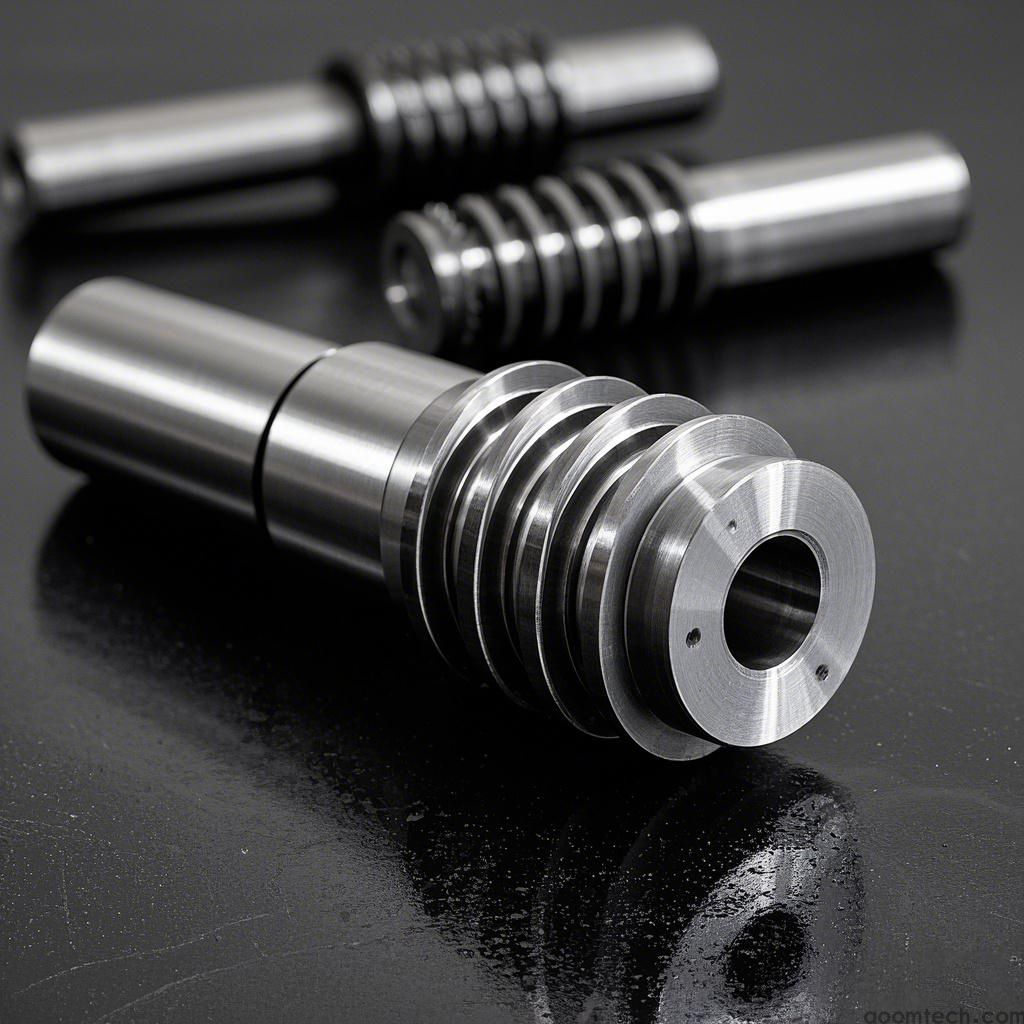
CNC Machined Transmission Worm Gears Services
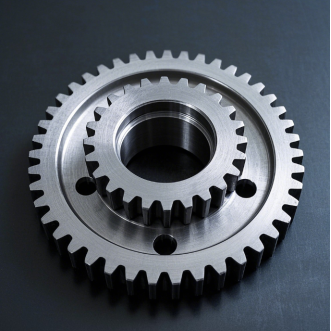
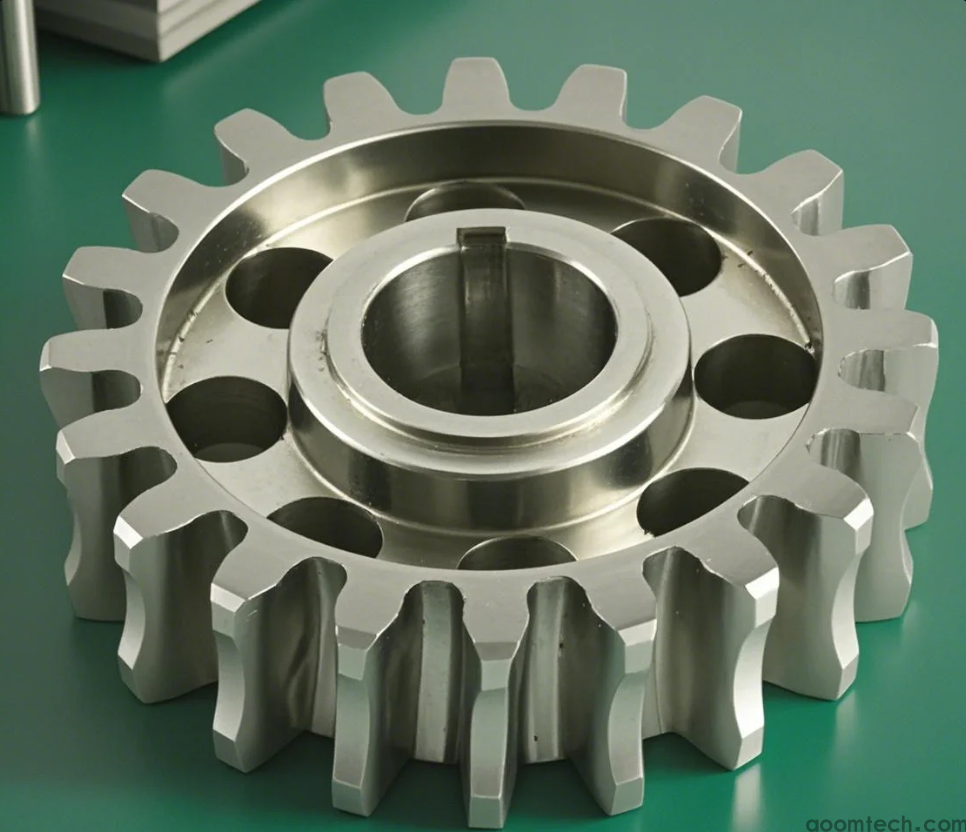
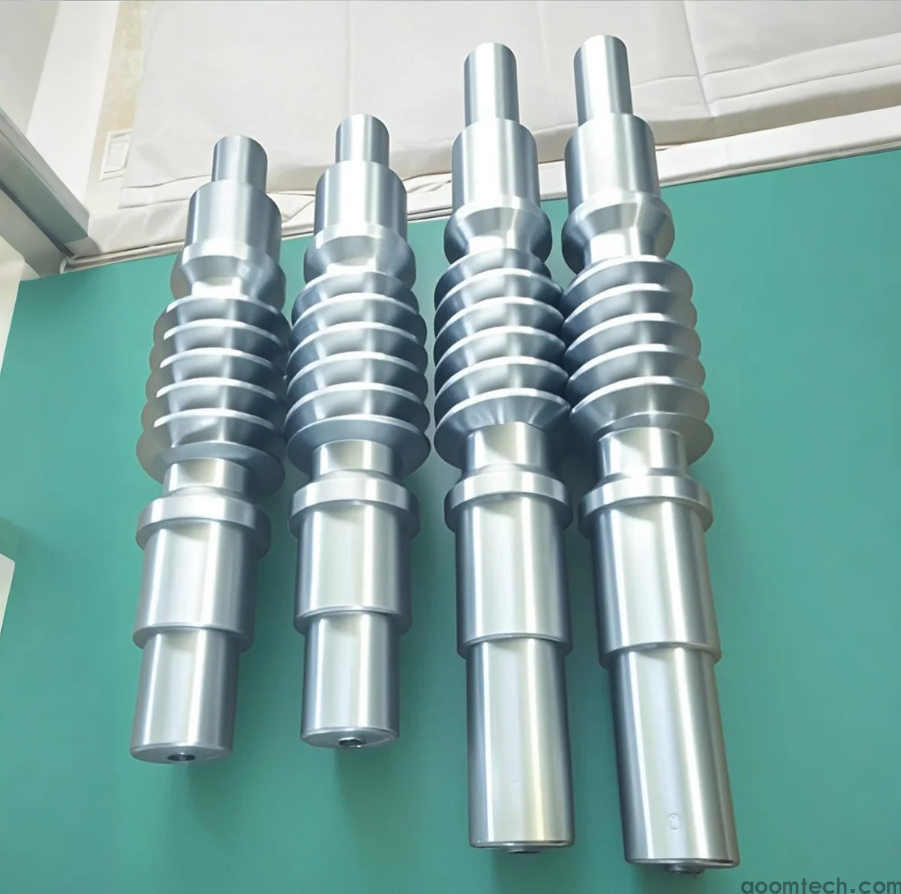
CNC Machined Transmission Worm Gears Services play a vital role in modern mechanical engineering. These services focus on designing and manufacturing high-precision worm gears using advanced CNC (Computer Numerical Control) technology. Worm gears are essential components in many transmission systems where smooth motion, high torque, and accurate speed reduction are required.
Introduction to Transmission Worm Gears
The Significance of Transmission Worm Gears
Transmission worm gears are mechanical components used to transfer motion and power between non-parallel, non-intersecting shafts. They are widely known for providing high reduction ratios and smooth, quiet operation. Because of their unique design, worm gears can deliver high torque output while maintaining compact size.
These gears are commonly used in industries such as automotive systems, industrial machinery, robotics, and lifting equipment. For example, in automotive steering systems, worm gears help achieve controlled and precise movement. In industrial machines, they are used for accurate positioning and heavy-load torque transmission.
Importance of CNC Machining for Transmission Worm Gears
High Precision
CNC machining allows manufacturers to produce worm gears with extremely tight tolerances. The tooth profile of a worm gear must be highly accurate to ensure smooth meshing between the worm and the gear wheel. Even a small error can cause vibration, noise, or efficiency loss.
With CNC milling for transmission worm gears, manufacturers can achieve precise geometry, consistent spacing, and smooth surface finishes. This precision reduces backlash, improves efficiency, and extends the service life of the gear system. Poorly manufactured gears may result in power loss, overheating, and excessive wear.
Customization
One of the key advantages of CNC machining is flexibility. Different applications require different gear ratios, materials, shaft sizes, and tooth profiles. CNC technology allows full customization of worm gears based on engineering requirements.
For example, a robotics system may require compact worm gears with low noise, while heavy industrial equipment may need high-load torque capacity. CNC machining makes it possible to design gears tailored to each application.
Consistent Quality
Once a CNC program is created, it can produce identical worm gears repeatedly with consistent quality. This is especially important for mass production, where every gear must perform the same way within a system.
Consistent manufacturing reduces assembly errors, minimizes maintenance needs, and improves the overall reliability of the transmission system.
CNC Machining Processes for Transmission Worm Gears
Milling Process
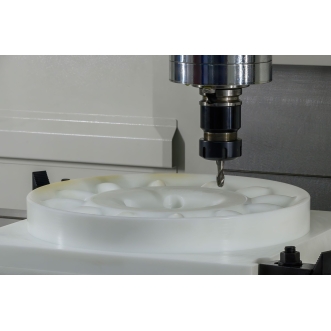
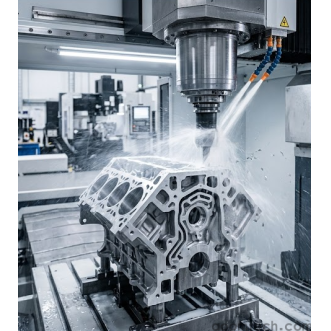
Milling is one of the most important processes in gear manufacturing. In CNC milling, specialized cutting tools shape the worm thread and gear teeth with high accuracy. Multi-axis CNC machines are often used to achieve complex geometries.
Key process controls include spindle speed, feed rate, and cutting depth. Proper selection of tools is also critical, especially when working with hard materials. Accurate alignment ensures proper tooth formation and smooth engagement between components.
This method is widely used in CNC milling for transmission worm gears due to its flexibility and precision.
Grinding Process
Grinding is used to achieve final accuracy and surface finishing. It improves dimensional precision and enhances the load-bearing capacity of worm gears. This process also helps correct minor errors from milling.
Different grinding wheels are selected depending on the material and gear profile. Careful control is necessary to avoid overheating or damaging the gear surface. Proper grinding results in smoother operation and reduced noise during use.
Heat Treatment (Optional but Important)
Heat treatment improves the mechanical properties of worm gears, such as hardness, strength, and wear resistance. Common methods include quenching and tempering.
After heat treatment, gears become more durable and suitable for high-stress environments. However, this process must be carefully controlled because it can cause slight dimensional changes that require post-machining adjustments.
Materials Used in CNC Machined Transmission Worm Gears
Metals
Different metals are used depending on performance requirements. The most common include:
Steel: High strength and durability, ideal for heavy-duty applications.
Bronze: Excellent wear resistance and self-lubricating properties, often used in worm wheels.
Aluminum: Lightweight material suitable for low-load and weight-sensitive systems.
Each material requires specific machining strategies. For example, steel needs strong cutting tools and slower feed rates, while aluminum allows faster machining but requires careful chip control.
Plastics
Engineering plastics such as nylon and acetal are also used in worm gear production. These materials offer quiet operation, low friction, and cost efficiency.
They are commonly used in light-duty systems such as office equipment, small automation devices, and consumer products. However, plastic gears have lower load capacity compared to metal gears and are not suitable for heavy industrial applications.
Proper machining of plastics requires controlled cutting speeds to avoid melting, deformation, or surface damage.
Choosing a CNC Machined Transmission Worm Gears Service Provider
Technical Expertise
When selecting a provider for choosing a provider for CNC-machined transmission worm gears, technical expertise is the most important factor. The manufacturer should understand gear geometry, material behavior, and CNC programming techniques.
It is recommended to check:
Previous project case studies
Engineering team qualifications
Sample gear precision and finish quality
Quality Assurance System
A reliable supplier must have a strong quality control system. This includes both in-process and final inspections using precision instruments such as CMM (Coordinate Measuring Machines), profile projectors, and gear measuring tools.
Key quality practices include:
Dimensional inspection at every production stage
Surface finish verification
Gear meshing and backlash testing
Non-conformance correction procedures
Strong quality control ensures that every worm gear meets strict performance and durability standards.
Cost-Effectiveness and Lead Time
While cost is important, it should not compromise quality. A good supplier provides a balance between competitive pricing and high manufacturing standards.
When evaluating cost-effectiveness, consider:
Material efficiency and waste reduction
Production technology used
Long-term durability of the gears
Lead time is also critical. Delays in worm gear production can disrupt entire mechanical systems. A reliable provider should offer realistic timelines and maintain a strong record of on-time delivery.
Conclusion
CNC Machined Transmission Worm Gears Services are essential for producing high-performance mechanical components used in modern engineering systems. With CNC technology, manufacturers can achieve high precision, customization, and consistent quality in every gear produced.
By understanding the processes, materials, and selection criteria, businesses can make informed decisions when sourcing worm gears. Choosing the right supplier ensures better performance, longer service life, and improved efficiency in transmission systems.
In today’s competitive industrial environment, investing in high-quality CNC machined worm gears is not just a technical choice—it is a long-term reliability strategy.
RELATED PRODUCTS
-
Medical Brass CNC Machining Parts
-
Precision CNC Machining PEEK Services
-
Precision Custom CNC Machined Car Parts
-
cnc machining optical housings
-
Precision CNC Casting Machining Services
-
Precision Gear CNC Machining Services
-
Precision Stainless Steel Parts CNC Mach
-
CNC Machining of Precision Aluminum Tube
-
CNC Machining of Large Precision Aluminu
-
CNC Machining & Manufacturing of Pre