CNC Machining Aircraft Parts
Introduction to CNC Machining Aircraft Parts
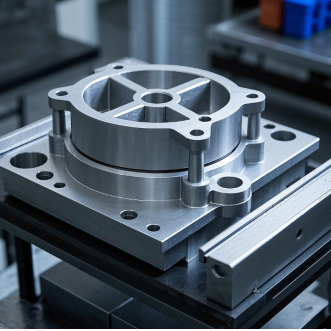
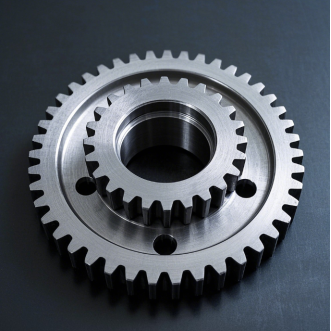
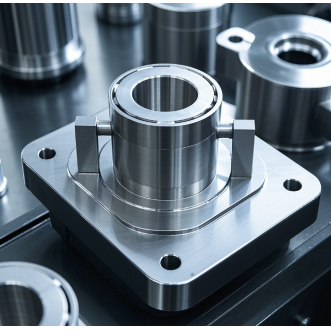
CNC Machining Aircraft Parts refers to the use of computer-controlled machines to manufacture highly precise components for aircraft. These parts must meet extremely strict safety, performance, and durability requirements because they are directly related to flight safety.
Aircraft parts include engine components such as turbine blades and compressor discs, structural parts like wing spars and fuselage frames, and landing gear components. Each of these parts must perform flawlessly under high stress, extreme temperatures, and continuous vibration.
CNC (Computer Numerical Control) machining allows manufacturers to produce these parts with high accuracy and repeatability, ensuring that every component meets exact engineering specifications.
The Significance of CNC Machined Aircraft Parts
The aviation industry depends heavily on precision engineering. Even a small error in a component can affect the entire aircraft system.
For example, a precisely machined turbine blade improves engine efficiency, reduces fuel consumption, and increases thrust output. Similarly, accurately produced structural parts ensure the aircraft maintains its strength and stability during flight.
Because of these demands, CNC machining has become the backbone of modern aerospace manufacturing, ensuring reliability and safety in every flight.
Importance of CNC Machining in Aircraft Part Manufacturing
Precision and Consistency
CNC machining provides extremely high precision, often reaching tolerances within microns. This level of accuracy is essential for ensuring that all aircraft components fit together perfectly within complex assemblies.
If a part is not manufactured correctly, it can lead to serious issues such as increased vibration, reduced fuel efficiency, or structural failure. For example, an improperly machined wing spar may compromise the structural integrity of the aircraft wing.
This is why aerospace manufacturers rely on CNC technology to maintain consistent quality across every production batch.
Complex Design Capability
Aircraft components often have highly complex geometries, including aerodynamic shapes, internal cooling channels, and lightweight lattice structures.
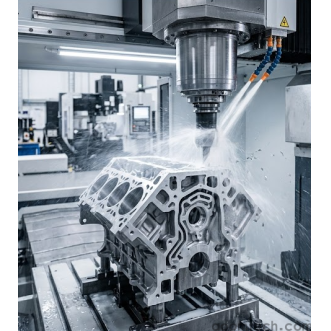
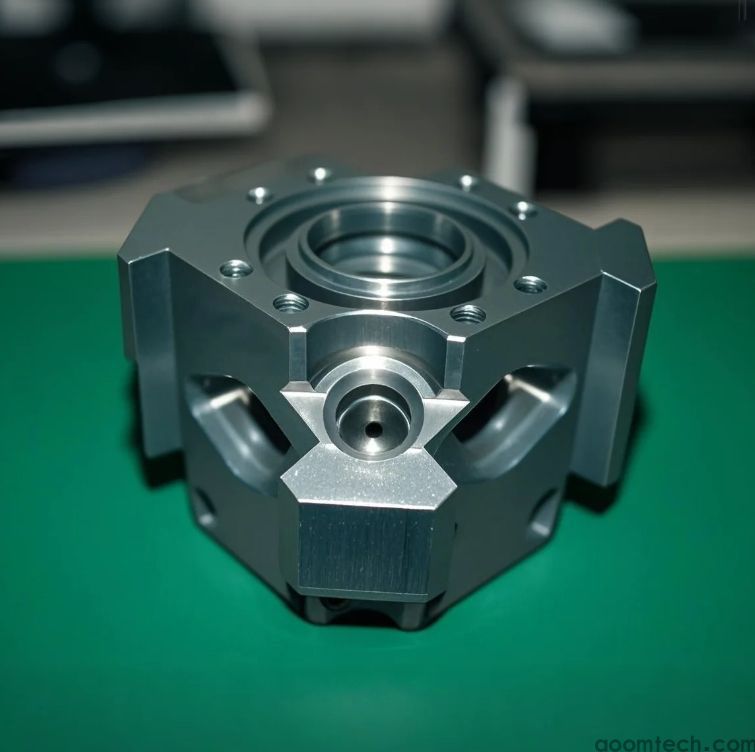
CNC milling for aircraft parts enables manufacturers to produce these intricate designs with high accuracy. Multi-axis CNC machines can move cutting tools in multiple directions, allowing the creation of advanced 3D shapes that traditional machining methods cannot achieve.
For instance, turbine blades require precise airfoil shapes and internal cooling passages. CNC machining makes it possible to produce these features consistently and efficiently.
Cost-Effectiveness in Production
Although aerospace machining requires advanced equipment, CNC machining becomes cost-effective in medium to large production runs. Once the program is created, the machine can reproduce identical parts with minimal variation.
This reduces setup time, minimizes human error, and improves material efficiency. As a result, manufacturers can achieve lower long-term production costs while maintaining high quality standards.
CNC Machining Processes for Aircraft Parts
Milling
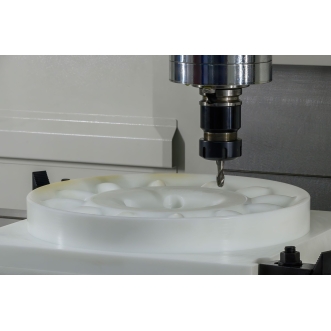
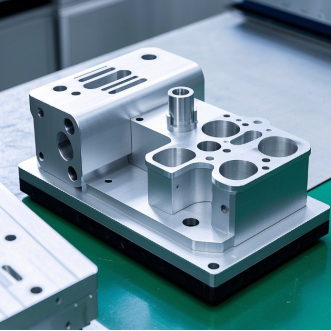
Milling is one of the most widely used processes in CNC Machining Aircraft Parts. A rotating cutting tool removes material from a workpiece to create complex shapes such as slots, holes, and surfaces.
Carbide end mills are commonly used for machining high-strength aerospace materials. Cutting parameters such as spindle speed, feed rate, and depth of cut must be carefully controlled to avoid tool wear and ensure precision.
For example, when machining aluminum wing structures, optimized milling ensures lightweight but strong components with smooth surface finishes.
Turning
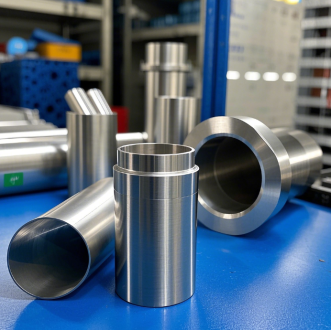
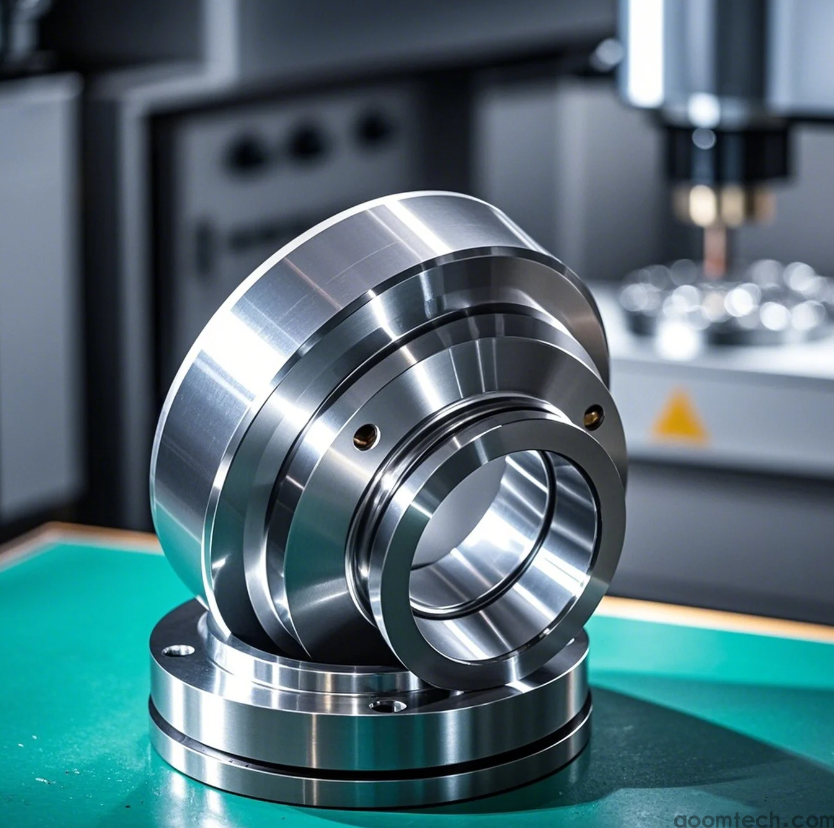
Turning is used to produce cylindrical parts such as engine shafts, landing gear components, and fasteners. The workpiece rotates while a stationary cutting tool removes material to achieve the desired shape.
Maintaining concentricity and surface finish is critical in aerospace turning operations. Proper tool selection, coolant use, and cutting speed adjustment help ensure dimensional accuracy.
For titanium engine shafts, controlled turning processes prevent overheating and maintain material integrity.
Electrical Discharge Machining (EDM)
EDM is used for machining extremely hard materials or complex shapes that are difficult to cut using traditional methods. It removes material using controlled electrical discharges.
There are two main types: wire EDM and die-sinking EDM. Wire EDM is often used for precision cutting of hardened steel components, while die-sinking EDM is used for cavity creation in molds and dies.
Although slower than conventional machining, EDM provides excellent accuracy and fine detail for aerospace applications.
Materials for CNC Machined Aircraft Parts
Aluminum Alloys
Materials for CNC-machined aircraft parts often begin with aluminum alloys due to their lightweight and corrosion-resistant properties. These materials help reduce aircraft weight and improve fuel efficiency.
Common aerospace aluminum grades include 2000-series and 7000-series alloys. The 7000-series offers higher strength and is often used in structural components subjected to high stress.
However, aluminum can work-harden during machining, so proper cutting speed and cooling strategies are essential.
Titanium Alloys
Titanium alloys are widely used in engine parts, landing gear, and high-stress components due to their excellent strength-to-weight ratio and heat resistance.
However, titanium is difficult to machine because of its low thermal conductivity. Heat builds up quickly at the cutting zone, leading to tool wear.
To overcome this, manufacturers use specialized cutting tools, low cutting speeds, and high-pressure cooling systems.
High-Strength Steels
High-strength steels are used in fasteners, structural supports, and load-bearing components. These materials offer excellent durability but require robust tooling and slower machining speeds.
Proper machining strategies ensure that the final components maintain both strength and precision while meeting aerospace safety requirements.
Challenges in CNC Machining Aircraft Parts
High-Precision Requirements
Aerospace components require extremely tight tolerances. Even a minor deviation can affect aerodynamic performance or structural safety.
To address this, manufacturers use high-precision measuring systems, machine calibration routines, and strict process control throughout production.
Material Difficulties
Materials like titanium and hardened steels are difficult to machine due to their strength and heat resistance. Tool wear and heat management are major challenges.
Solutions include using coated cutting tools, optimizing feed rates, and applying advanced cooling techniques to maintain machining stability.
Cost and Time Pressure
Aerospace production must balance high quality with strict deadlines and cost constraints. Efficient process planning and automation are essential.
Multi-axis CNC machines help reduce setup time by performing multiple operations in a single cycle, improving both productivity and cost efficiency.
Quality Control in CNC Machining Aircraft Parts
In-Process Inspection
Quality control in CNC machining of aircraft parts begins during production. Operators regularly check dimensions using calipers, micrometers, and optical measuring tools.
Monitoring tool wear is also essential. If a tool becomes worn, it is replaced immediately to prevent defects in subsequent parts.
Final Inspection
After machining is complete, a full inspection is performed to verify dimensional accuracy, surface finish, hardness, and structural integrity.
Advanced tools such as Coordinate Measuring Machines (CMMs), profilometers, and hardness testers are used to ensure compliance with aerospace standards.
Non-conforming parts are either reworked or rejected depending on the severity of the deviation.
Documentation and Traceability
Traceability is a critical requirement in aerospace manufacturing. Every step—from raw material selection to final inspection—is documented.
This ensures that if a part fails in service, manufacturers can trace the root cause and take corrective actions. This system is essential for maintaining compliance with aviation safety standards regulated by organizations such as the
Conclusion
CNC Machining Aircraft Parts is a vital process in modern aerospace manufacturing. It ensures that every component meets strict standards for precision, safety, and performance.
From advanced materials like titanium and aluminum alloys to complex machining processes such as milling, turning, and EDM, CNC technology enables the production of highly reliable aircraft components.
Despite challenges such as tight tolerances, difficult materials, and cost pressure, continuous advancements in CNC systems and quality control methods allow manufacturers to meet the demanding needs of the aviation industry.
Companies such as : other global aerospace leaders rely heavily on CNC machining to ensure the safety and efficiency of modern aircraft.
RELATED PRODUCTS
-
Medical Brass CNC Machining Parts
-
Precision CNC Machining PEEK Services
-
Precision Custom CNC Machined Car Parts
-
cnc machining optical housings
-
Precision CNC Casting Machining Services
-
Precision Gear CNC Machining Services
-
Precision Stainless Steel Parts CNC Mach
-
CNC Machining of Precision Aluminum Tube
-
CNC Machining of Large Precision Aluminu
-
CNC Machining & Manufacturing of Pre