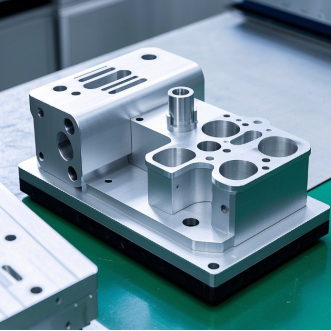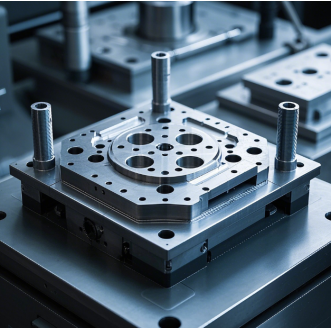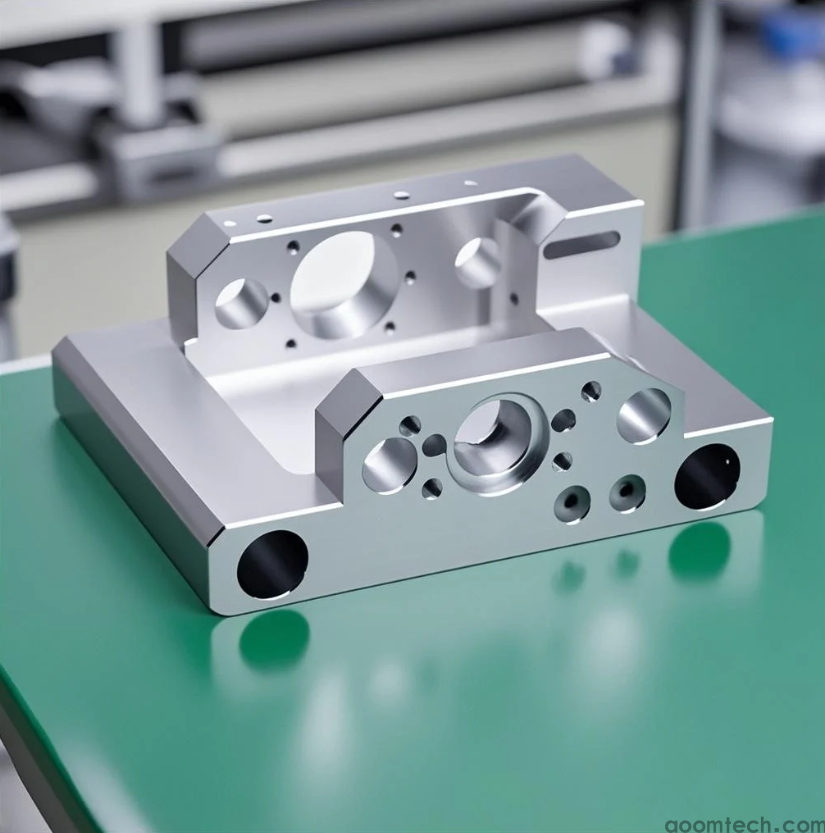
CNC Machining Automotive Molds Services
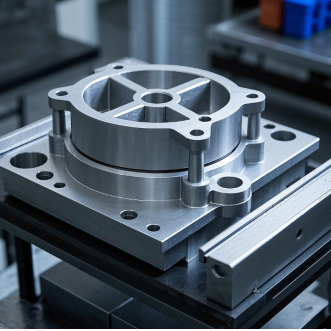
CNC Machining Automotive Molds Services play a vital role in modern automotive manufacturing. As vehicles become more advanced in design and performance, the demand for highly precise and durable molds continues to grow. These molds are the foundation for producing car body panels, interior parts, engine components, and many other essential vehicle structures.
This article explains the full CNC machining process for automotive molds, including design, manufacturing steps, benefits, challenges, quality control, and how to choose the right service provider. The goal is to help readers clearly understand how automotive molds are made and why CNC technology is essential in this industry.
The Significance of Automotive Molds
Automotive molds are key tools used to shape metal or plastic parts for vehicles. Almost every visible and structural part of a car is made using a mold. These include door panels, dashboards, bumpers, and even small interior clips.
High-quality molds ensure that every part produced is consistent in size, shape, and finish. If a mold is inaccurate, the final automotive parts may not fit properly, leading to assembly problems, poor appearance, and reduced vehicle safety.
Because of this, CNC Machining Automotive Molds Services are essential for automotive manufacturers, suppliers, and engineers who need reliable, high-precision production tools.
The CNC Machining Process for Automotive Molds
Design and CAD Modeling
The process begins with design work using CAD (Computer-Aided Design) software. Engineers create a detailed 3D model of the automotive mold based on the final part requirements.
For example, a car door panel mold must include precise curvature, mounting points, and surface textures. Interior component molds must consider ergonomic shape, assembly fit, and decorative patterns.
This stage ensures that every detail of the automotive part is accurately planned before manufacturing begins.
CNC Programming
After the CAD model is completed, it is converted into machine instructions using CAM (Computer-Aided Manufacturing) software. This process is known as CNC programming.
Engineers define toolpaths, cutting speeds, feed rates, and cutting depths. Since automotive molds are often large and complex, optimized programming strategies are required to reduce machining time while maintaining accuracy.
A well-designed program is essential for achieving efficient production and high precision in CNC Machining Automotive Molds Services.
Material Selection and Preparation
Choosing the right material is critical for mold performance. Common materials include steel, aluminum, and special alloys.
Steel: High strength and wear resistance, ideal for long production runs
Aluminum: Lightweight and easy to machine, suitable for prototypes and low-volume molds
Alloys: Balanced properties for specific performance requirements
Materials may also undergo heat treatment or surface preparation to improve hardness, durability, and machinability.
Machine Setup and Tooling
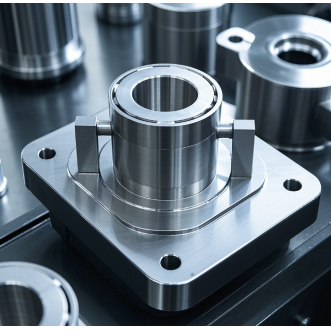
CNC machines must be carefully prepared before machining begins. Large molds require strong fixtures to hold the workpiece securely during cutting.
Tool selection is also important. Common tools include large end mills, ball-nose cutters, and specialized finishing tools. Machine settings such as spindle speed and feed rate are adjusted based on material type and design complexity.
Machining Operations
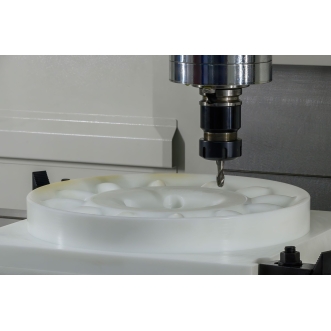
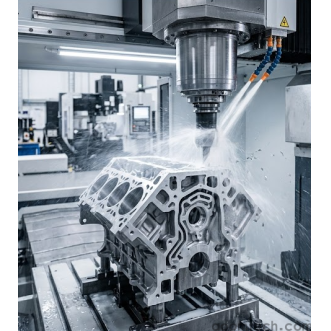
Milling: This is the main process used to shape the mold. It removes large amounts of material and creates detailed surfaces. Ball-nose mills are often used for curved surfaces in automotive designs.
Drilling: Used to create cooling channels and ejector pin holes. Accurate drilling ensures proper mold function during production cycles.
Grinding: Used for achieving high-precision surface finishes. It helps ensure smooth mold surfaces, which improves the final quality of automotive parts.
Finishing and Inspection
After machining, molds undergo finishing processes such as polishing, coating, and sometimes additional heat treatment. These steps improve surface quality and extend mold life.
Inspection is performed using tools such as calipers, micrometers, and Coordinate Measuring Machines (CMMs). This ensures that the mold meets all design specifications and quality standards.
Benefits of CNC Machining Automotive Molds Services
High Precision Manufacturing
CNC technology allows extremely accurate production. This ensures that every mold produces identical parts with tight tolerances. High precision reduces assembly issues and improves overall vehicle quality.
For example, precise molds help reduce gaps between car body panels, improving both appearance and aerodynamics.
Complex Geometries
Modern vehicles require complex and stylish designs. CNC machining can accurately produce molds with intricate curves, sharp edges, and detailed textures.
This capability supports innovation in automotive design, allowing manufacturers to create more advanced and attractive vehicles.
Cost-Effectiveness for Medium to High Production
Although initial setup costs may be high, CNC machining becomes cost-effective for medium and large production volumes. Once the program and tooling are ready, molds can be produced consistently with minimal variation.
This reduces waste and improves long-term manufacturing efficiency.
Challenges in CNC Machining Automotive Molds
Large-Scale Machining
Automotive molds are often large and heavy, requiring powerful CNC machines and specialized handling equipment. Transportation and setup can be difficult and time-consuming.
Tool Wear and Breakage
Hard materials and long machining times can cause tool wear. If not properly managed, this may affect accuracy and increase production costs. Regular monitoring and optimized cutting parameters are essential solutions.
Surface Finish Requirements
Automotive molds require extremely smooth surfaces to ensure high-quality molded parts. Achieving this level of finish requires precise control of machining conditions and careful polishing after cutting.
Quality Control in CNC Machining Automotive Molds
In-Process Inspection
During machining, operators continuously monitor tool wear, dimensions, and surface quality. Early detection of issues helps prevent defects and reduces material waste.
This is a key part of quality control in CNC-machined automotive molds, ensuring consistent production quality.
Final Inspection
After completion, molds undergo full inspection using advanced measuring equipment like CMMs. Key factors include dimensional accuracy, surface roughness, and overall functionality.
If a mold does not meet standards, it may be reworked or rejected depending on the issue severity.
How to Choose a CNC Machining Automotive Molds Service Provider
Experience and Expertise
Choose a provider with strong experience in automotive mold production. Companies with proven case studies and industry knowledge are more likely to deliver reliable results.
Equipment and Technology
Advanced CNC machines and modern CAD/CAM systems are essential for high-quality results. Multi-axis machines and high-speed spindles are especially important for complex molds.
Quality Assurance and Customer Service
A strong quality system ensures consistent production results. Good providers also offer clear communication, project updates, and technical support throughout the process.
Conclusion: Mastering CNC Machining for Automotive Molds
CNC Machining Automotive Molds Services are essential for producing high-quality, precise, and durable automotive components. From design and programming to machining and inspection, each step plays a critical role in final product quality.
Understanding the full process helps manufacturers improve efficiency, reduce costs, and achieve better product performance. Key success factors include precision planning, proper material selection, and strict quality control.
By staying updated with modern CNC technologies and focusing on continuous improvement, manufacturers can meet the growing demands of the global automotive industry.
RELATED PRODUCTS
-
Medical Brass CNC Machining Parts
-
Precision CNC Machining PEEK Services
-
Precision Custom CNC Machined Car Parts
-
cnc machining optical housings
-
Precision CNC Casting Machining Services
-
Precision Gear CNC Machining Services
-
Precision Stainless Steel Parts CNC Mach
-
CNC Machining of Precision Aluminum Tube
-
CNC Machining of Large Precision Aluminu
-
CNC Machining & Manufacturing of Pre