CNC Machining Brass Parts
CNC Machining Brass Parts is one of the most widely used manufacturing processes in modern industries. Brass is a versatile metal that combines strength, corrosion resistance, and excellent machinability, making it ideal for precision components. This article explains the properties of brass for CNC machining, the full production process, common applications, and how quality control ensures reliable results.
Introduction to CNC Machining Brass Parts
The Significance of Brass in CNC Machining
Brass is a popular material in CNC machining because it is easy to cut, produces smooth surfaces, and supports high precision. It is widely used in industries such as plumbing, electronics, automotive, and industrial equipment manufacturing.
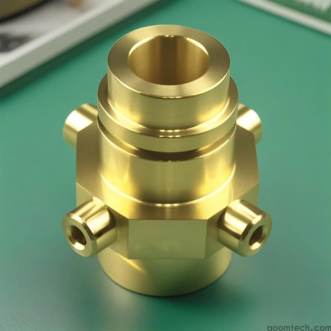
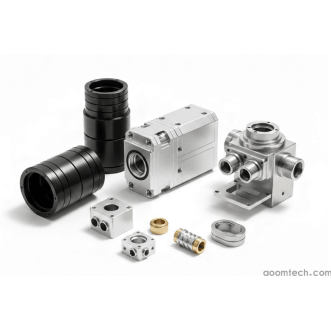
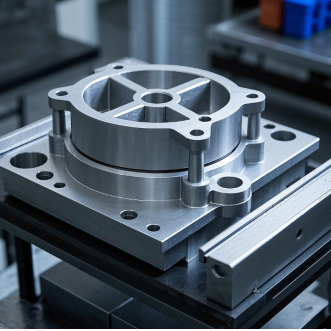
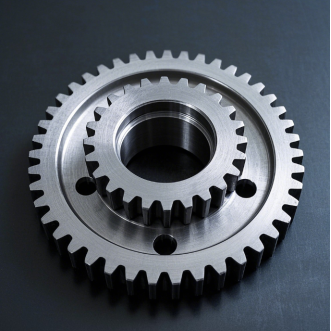
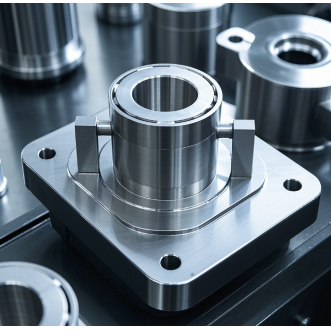
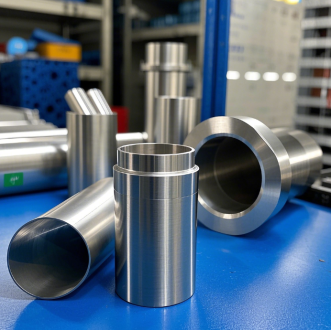
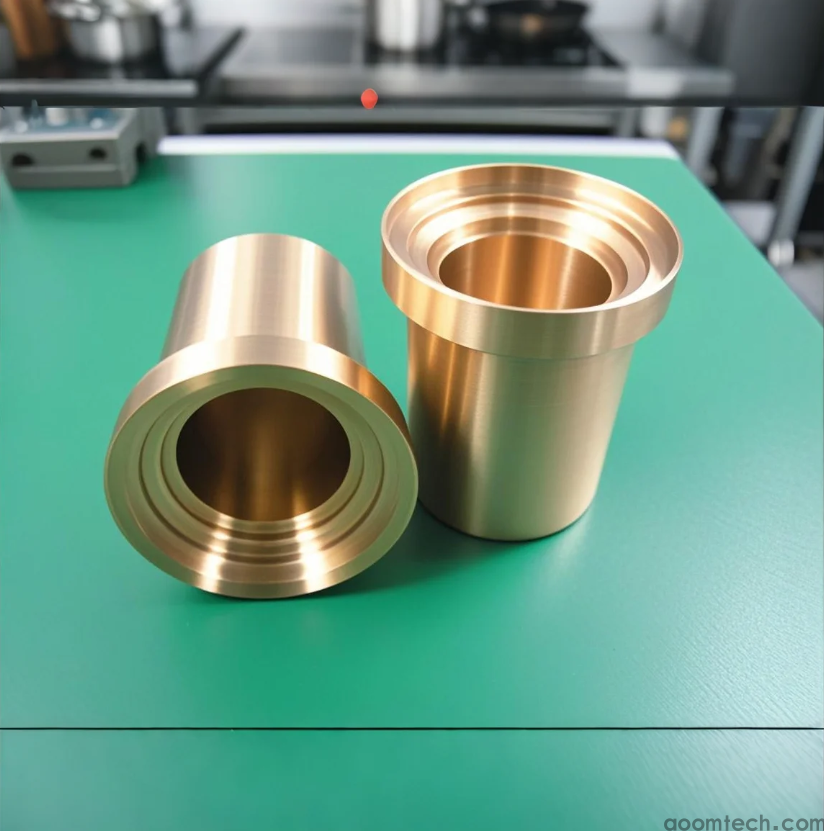
Common brass-made products include valves, fittings, electrical connectors, gears, bearings, and decorative hardware. These products benefit from brass’s balance of durability and workability, making it a preferred choice for both functional and aesthetic components.
Properties of Brass for CNC Machining
Machinability
One of the biggest advantages of brass is its excellent machinability. It cuts smoothly and produces short chips, which reduces tool wear and allows faster machining speeds compared to many steels.
Compared to steel, brass is significantly easier to machine. Steel often requires stronger tools and slower cutting speeds, while brass allows higher-speed machining with less heat generation. This is due to its copper-zinc composition, which provides a softer and more uniform structure.
The combination of copper and zinc in brass reduces friction during cutting, making it ideal for high-precision CNC operations.
Corrosion Resistance
Brass offers strong resistance to corrosion, especially in environments with moisture or mild chemicals. This makes it highly suitable for long-term use in demanding conditions.
For example, in plumbing systems, brass components are exposed to water continuously. In marine environments, parts must resist saltwater corrosion. Brass performs well in both cases, ensuring long service life and reduced maintenance costs.
Electrical and Thermal Conductivity
Brass has good electrical and thermal conductivity, making it useful in electrical and heat transfer applications.
It is commonly used in electrical connectors, terminals, and switches where stable conductivity is required. In thermal systems, brass is used in heat exchanger components because it efficiently transfers heat while maintaining structural stability.
The CNC Machining Process for Brass Parts
Design Phase
The process begins with CAD (Computer-Aided Design) software. Engineers create a detailed 3D model of the part, defining its dimensions, tolerances, and functional requirements.
A precise design is essential because it determines how the part will perform under stress, temperature changes, and real-world working conditions. Any design error can lead to production defects or performance issues.
CNC Programming
The CAD model is converted into a CNC machining program using CAM (Computer-Aided Manufacturing) software. This program defines toolpaths, spindle speeds, feed rates, and cutting depths.
When working with brass, programmers often optimize cutting parameters for higher speed and efficiency because brass allows faster machining without compromising quality. Proper programming ensures both productivity and accuracy.
Machine Setup and Tooling
During setup, the CNC machine is equipped with suitable cutting tools such as end mills, drills, and turning inserts. The workpiece is fixed using strong fixtures to prevent movement during machining.
Tool selection depends on production requirements. High-speed steel tools are commonly used for standard jobs, while carbide tools are preferred for high-volume production due to longer tool life.
Machine parameters such as spindle speed and feed rate are carefully adjusted based on the brass alloy type and machining operation.
Machining Operations
Turning
In turning operations, the brass workpiece rotates while a cutting tool removes material to form cylindrical shapes. High spindle speeds are commonly used because brass can handle fast cutting efficiently.
Tool inserts with sharp cutting edges are preferred to ensure smooth surface finishes and accurate dimensions.
Milling
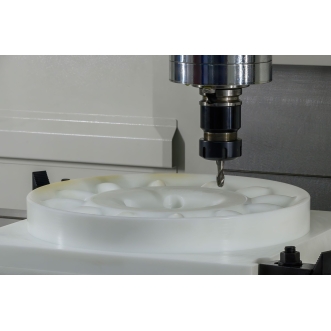
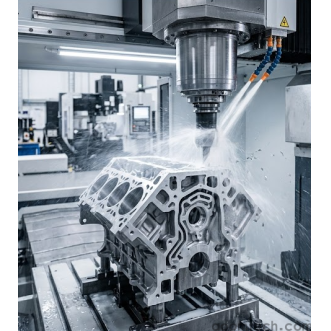
Milling is used to create flat surfaces, slots, and complex 3D shapes. A rotating cutting tool removes material step by step.
Brass produces long chips during milling, so proper chip evacuation is important to prevent clogging and heat buildup. End mills with optimized geometry help improve performance and surface quality.
Drilling
Drilling is used to create holes in brass parts. Drill selection depends on hole diameter and depth requirements.
To prevent issues such as drill wandering or breakage, correct spindle speed and feed rate must be used. For deep holes, slower feed rates help maintain straightness and accuracy.
Applications of CNC Machined Brass Parts
Plumbing Industry
In plumbing systems, brass is widely used for faucets, valves, and fittings. Its corrosion resistance and durability make it ideal for continuous water exposure.
These parts must provide leak-tight sealing and long-term reliability, which is why brass is often the preferred material.
Electrical Industry
Brass is commonly used in electrical connectors, terminals, and switches because of its good electrical conductivity.
Precision machining ensures stable electrical contact, which is essential for safety and performance in electronic systems.
Automotive Industry
In automotive systems, brass is used in bushings, bearings, and fuel injection components.
Its wear resistance and smooth friction characteristics help improve system efficiency and extend component lifespan.
Quality Control in CNC Machining Brass Parts
In-Process Inspection
During machining, operators regularly check dimensions, surface finish, and tool condition. Tools such as calipers, micrometers, and surface roughness testers are used.
If any deviation is detected, machine settings can be adjusted immediately to prevent defective production. This helps maintain consistency and reduces waste.
Final Inspection
After machining is complete, parts undergo a full inspection process. High-precision instruments such as Coordinate Measuring Machines (CMM) are used to verify accuracy.
Key inspection criteria include dimensional tolerance, surface roughness, and structural integrity. Parts that fail inspection may be reworked or rejected depending on the severity of the defect.
Conclusion: Mastering CNC Machining of Brass Parts
Summary and Key Takeaways
CNC Machining Brass Parts is a highly efficient and reliable manufacturing method used across many industries. The CNC machining process of brass parts benefits greatly from brass’s excellent machinability, corrosion resistance, and conductivity.
Understanding the full process—from design and programming to machining and inspection—is essential for producing high-quality components. The applications of CNC-machined brass parts continue to grow as industries demand precision, durability, and cost efficiency.
For best results, manufacturers should focus on continuous operator training, proper tool selection, and regular process optimization. Staying updated with modern CNC technologies will further improve productivity and part quality.
References and Industry Knowledge Sources:
ASM Handbook: Machining and Metalworking Processes
ISO standards for dimensional tolerances (ISO 2768)
Manufacturing Engineering and CNC machining textbooks
Industry best practices from precision machining suppliers
RELATED PRODUCTS
-
Medical Brass CNC Machining Parts
-
Precision CNC Machining PEEK Services
-
Precision Custom CNC Machined Car Parts
-
cnc machining optical housings
-
Precision CNC Casting Machining Services
-
Precision Gear CNC Machining Services
-
Precision Stainless Steel Parts CNC Mach
-
CNC Machining of Precision Aluminum Tube
-
CNC Machining of Large Precision Aluminu
-
CNC Machining & Manufacturing of Pre