CNC Machining for Aluminum Parts
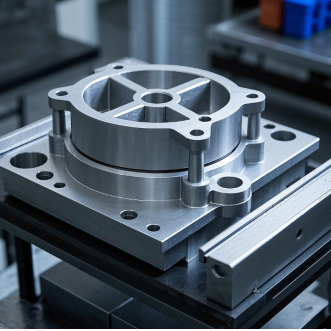
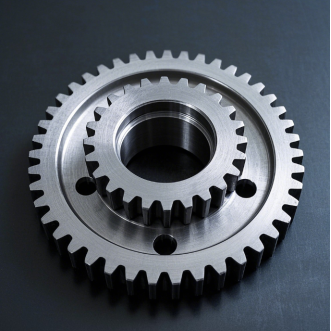
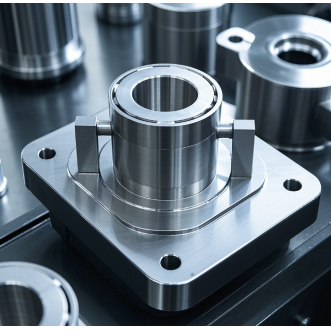
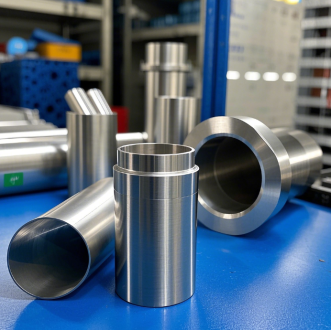
CNC machining for aluminum parts is one of the most widely used manufacturing processes in modern industry. It combines the flexibility of aluminum as a material with the precision and repeatability of computer-controlled machining. This makes it possible to produce highly accurate components used in aerospace, automotive, electronics, and many other fields.
This article explains the full process of CNC Machining for Aluminum Parts, including material advantages, machining steps, tooling, cutting parameters, quality control, and real-world applications. The goal is to help readers clearly understand how aluminum parts are designed and manufactured using CNC technology.
Introduction to CNC Machining for Aluminum Parts
The Appeal of Aluminum in CNC Machining
Aluminum is a preferred material in CNC machining because of its excellent balance of strength, weight, and machinability. It can be easily shaped into complex and precise components using CNC machines. Industries such as automotive, aerospace, and electronics rely heavily on aluminum parts due to their performance and cost efficiency.
The demand for aluminum parts continues to grow because manufacturers need lighter, stronger, and more efficient components. CNC machining allows engineers to transform raw aluminum into high-precision parts with tight tolerances and consistent quality.
Advantages of Aluminum for CNC Machining
Lightweight Nature
Aluminum has a very low density compared to steel and other metals. This makes it ideal for applications where weight reduction is important. In aerospace and automotive industries, lighter parts help improve fuel efficiency, reduce emissions, and increase overall performance.
Using CNC machining, engineers can design optimized aluminum components that maintain strength while minimizing unnecessary material, resulting in efficient and high-performance designs.
Good Machinability
One of the key advantages of aluminum in CNC machining is its excellent machinability. Aluminum allows high cutting speeds and feed rates, which reduces production time and cost. It also produces less tool wear compared to harder materials.
However, different aluminum alloys behave differently. For example, softer alloys are easier to machine, while high-strength alloys may require more careful parameter control. CNC machining systems can adjust toolpaths and cutting conditions to handle these variations effectively.
Corrosion Resistance
Aluminum naturally forms a protective oxide layer that helps resist corrosion. This makes it suitable for environments exposed to moisture, air, or chemicals. CNC-machined aluminum parts can also be treated with anodizing or coating processes to further improve durability.
This property is especially valuable in marine equipment, outdoor electronics, and industrial systems where long-term reliability is required.
The CNC Machining Process for Aluminum Parts
Design and Programming
The process begins with CAD (Computer-Aided Design), where engineers create a detailed 3D model of the part. This model includes all dimensions, tolerances, and functional requirements.
Next, CAM (Computer-Aided Manufacturing) software converts the design into machine instructions. This stage is critical for optimizing the CNC machining process for aluminum parts, including toolpaths, cutting strategy, and machining efficiency.
Machine Setup and Tooling
The CNC machine is prepared with fixtures that securely hold the aluminum workpiece. Proper clamping is essential to avoid vibration or movement during machining.
Tool selection is also very important. Common tools include:
Carbide end mills for milling operations
Drill bits for hole making
Turning inserts for cylindrical parts
Spindle speed, feed rate, and cutting depth are carefully set according to the material properties and part requirements.
Machining Operations
Milling
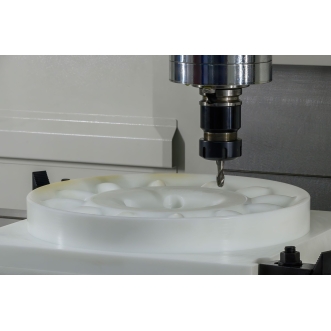
Milling is used to create flat surfaces, grooves, and complex 3D shapes. Tool selection depends on geometry—ball-nose tools for curved surfaces and flat-end mills for straight features.
Proper chip evacuation is important because aluminum chips can become long and sticky, affecting machining quality.
Turning
Turning is used for cylindrical parts such as shafts and bushings. The workpiece rotates while the tool removes material. High spindle speeds are often used, but heat control is necessary to avoid tool damage.
Drilling
Drilling creates precise holes in aluminum parts. Correct drill selection and cutting parameters are essential to prevent tool breakage and ensure accuracy. Deep holes may require slower feed rates and cooling strategies.
Cutting Parameters for Aluminum CNC Machining
Spindle Speed
Aluminum allows relatively high spindle speeds due to its softness. However, too much speed can cause overheating and poor surface finish. The correct speed depends on alloy type, tool material, and operation type.
Feed Rate
Feed rate controls how fast the tool moves through the material. If too slow, heat increases and tool wear occurs. If too fast, surface quality decreases. Proper balance ensures efficiency and accuracy.
Depth of Cut
Depth of cut determines how much material is removed in one pass. Deep cuts improve speed but increase tool load. Shallow cuts are used for finishing to achieve better surface quality and tighter tolerances.
Quality Control in CNC Machining of Aluminum Parts
In-Process Inspection
During machining, operators monitor dimensions, tool wear, and surface finish. Measuring tools such as calipers and micrometers help ensure accuracy throughout production.
This is a key part of quality control in aluminum CNC machining, allowing immediate corrections if deviations occur.
Final Inspection
After machining, parts undergo final inspection using advanced tools such as Coordinate Measuring Machines (CMM). These systems verify dimensional accuracy and ensure parts meet design specifications.
Surface roughness and tolerance levels are also checked. Non-conforming parts are either reworked or rejected depending on severity.
Applications of CNC-Machined Aluminum Parts
Aerospace Industry
Aluminum is widely used in aircraft structures, engine components, and interior systems. Its lightweight nature improves fuel efficiency while maintaining strength and safety standards.
Automotive Industry
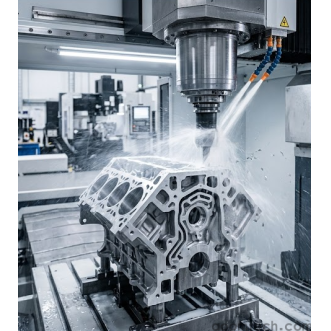
In automotive manufacturing, aluminum parts are used in engines, chassis, and body structures. They help reduce vehicle weight, improve fuel efficiency, and enhance performance.
Electronics Industry
Aluminum is commonly used for heat sinks, electronic housings, and PCB-related components. Its thermal conductivity helps manage heat in sensitive electronic devices, improving reliability and lifespan.
Conclusion: Harnessing the Power of CNC Machining for Aluminum Parts
Summary and Key Takeaways
CNC machining for aluminum parts offers a powerful combination of precision, efficiency, and versatility. Aluminum’s lightweight nature, good machinability, and corrosion resistance make it ideal for modern engineering applications.
Understanding the machining process, cutting parameters, and quality control methods is essential for producing reliable components. The use of CNC Machining for Aluminum Parts continues to grow as industries demand higher performance and lower production costs.
By focusing on process optimization and continuous improvement, manufacturers can achieve consistent quality and stay competitive in today’s global market.
RELATED PRODUCTS
-
Medical Brass CNC Machining Parts
-
Precision CNC Machining PEEK Services
-
Precision Custom CNC Machined Car Parts
-
cnc machining optical housings
-
Precision CNC Casting Machining Services
-
Precision Gear CNC Machining Services
-
Precision Stainless Steel Parts CNC Mach
-
CNC Machining of Precision Aluminum Tube
-
CNC Machining of Large Precision Aluminu
-
CNC Machining & Manufacturing of Pre