CNC Machining for Cleaning Machine Parts
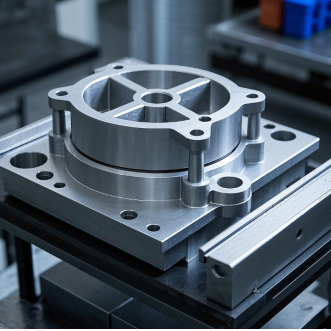
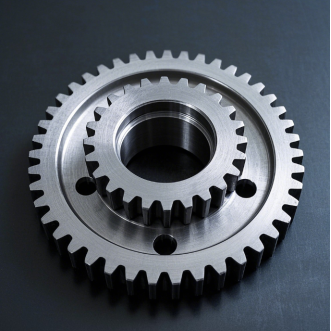
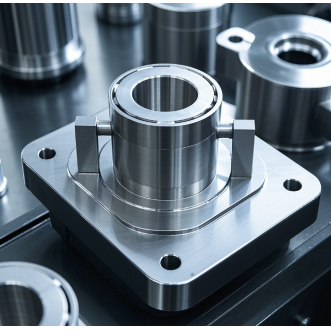
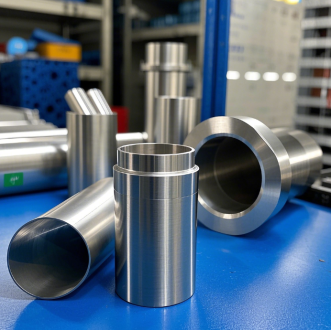
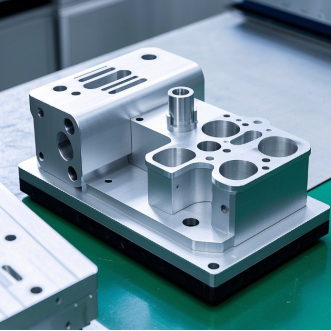
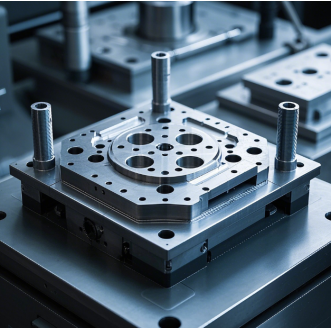
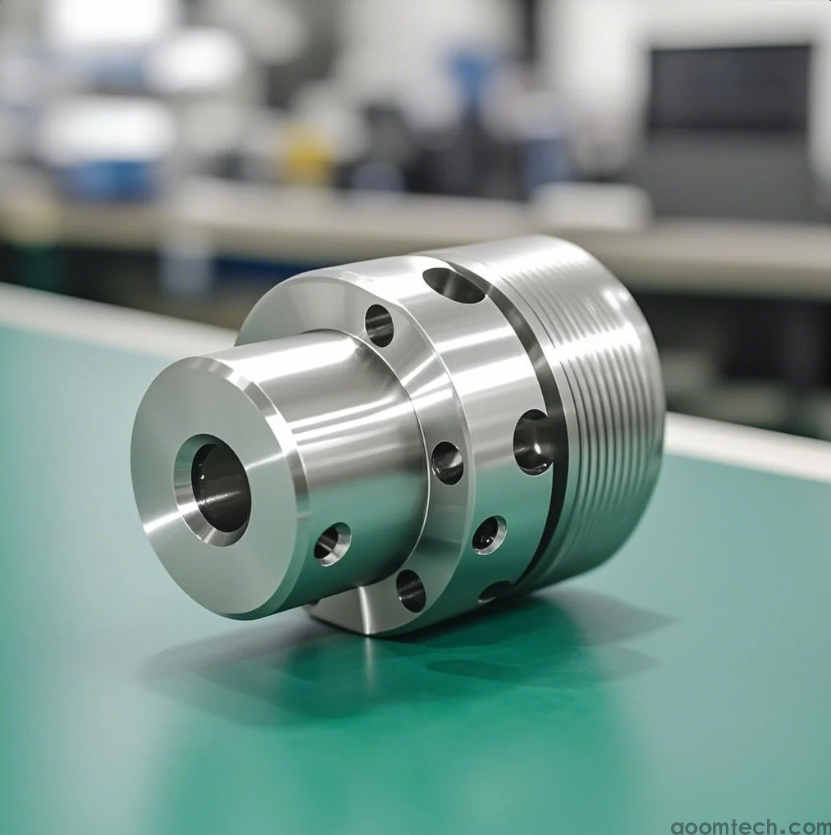
CNC Machining for Cleaning Machine Parts is an important manufacturing method used to produce precise, durable, and reliable components for cleaning equipment. Cleaning machines are widely used in industries such as manufacturing, food processing, automotive, and healthcare. These machines must work efficiently under demanding conditions, and their performance depends heavily on the quality of their parts.
This article explains how CNC machining is used in cleaning machine parts production, its key benefits, common materials, challenges, and important design considerations. The goal is to help readers understand real-world applications in a simple and practical way.
The Role of CNC Machining in Cleaning Machine Parts Production
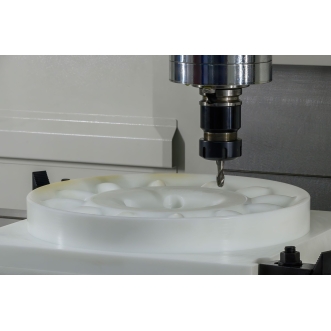
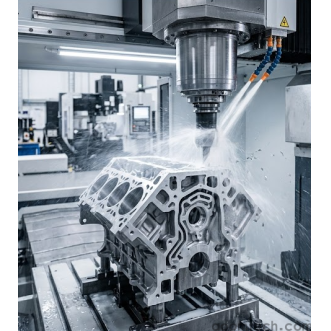
CNC (Computer Numerical Control) machining plays a key role in manufacturing parts for cleaning machines. It uses computer-controlled cutting tools to shape raw materials into accurate and consistent components.
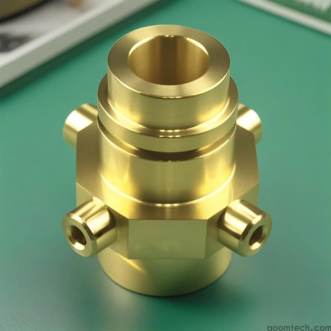
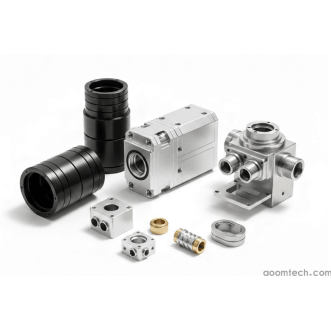
Cleaning machine parts—such as nozzles, pump housings, brushes, rollers, and connectors—require high precision to ensure stable performance. Even small errors in size or shape can affect cleaning efficiency, water pressure, spray direction, or mechanical movement.
By using CNC machining, manufacturers can meet strict design requirements and produce parts that work reliably in different cleaning systems, from industrial washers to portable cleaning devices.
Advantages of CNC Machining in Cleaning Machine Parts Production
High Precision
CNC machining offers extremely high precision when producing cleaning machine components. Because the process is controlled by digital instructions, every cut and movement follows exact design data.
For example, spray nozzles in high-pressure cleaning systems must control water flow and spray pattern accurately. If the internal diameter is even slightly incorrect, the cleaning performance may drop significantly. CNC machining ensures each nozzle is made to exact specifications.
This precision leads to better machine performance, improved cleaning results, and less material waste. It is one of the main advantages of CNC machining in cleaning machine parts production.
Customization Capability
CNC machining provides strong flexibility for custom designs. Cleaning machines are used in many environments, and each application may require different part shapes, sizes, or functions.
For instance, a food processing plant may need a cleaning head designed to reach tight corners in stainless steel equipment, while an automotive workshop may require a high-pressure rotating nozzle for removing grease.
With CNC machining, manufacturers can quickly adjust designs and produce customized parts without needing completely new production systems. This makes it ideal for specialized cleaning solutions and small-batch production.
Consistent Quality
Once a CNC program is created and tested, it can be used to produce identical parts repeatedly. This ensures consistent quality across all components.
Consistency is very important in cleaning machines. If one brush roller or nozzle performs differently from another, the entire system efficiency may be affected. CNC machining eliminates this variation by ensuring every part meets the same standard.
This consistency reduces maintenance needs, improves machine reliability, and extends equipment lifespan.
Material Selection for CNC-Machined Cleaning Machine Parts
Corrosion-resistant Materials
Cleaning machine parts are often exposed to water, chemicals, and detergents. Therefore, corrosion resistance is essential.
Stainless steel is one of the most commonly used materials because it resists rust and chemical damage. It is widely used in pump parts, fasteners, and nozzles. Certain engineering plastics are also used for chemical-resistant components.
Using corrosion-resistant materials helps improve durability and ensures stable performance in wet or chemical-heavy environments.
Durable and Wear-resistant Materials
Some cleaning machine parts experience constant movement or friction, such as brushes, rollers, and sealing components. These parts must be made from strong, wear-resistant materials.
Hardened steel, alloy steel, and high-density polymers are commonly used. These materials can withstand repeated mechanical stress without quickly wearing out.
For example, a rotating brush used in industrial floor cleaning must maintain its shape and strength even after long hours of operation. Choosing the right material reduces downtime and replacement costs.
Lightweight Materials
In portable or handheld cleaning machines, weight is an important factor. Lightweight materials improve usability and reduce operator fatigue.
Aluminum alloys are often used for handles, housings, and support structures. They provide a good balance between strength and weight.
However, engineers must carefully balance lightweight design with durability and pressure resistance, especially in high-performance cleaning tools.
Challenges in CNC Machining for Cleaning Machine Parts
Complex Part Geometries
Some cleaning machine components have complex shapes, such as curved spray channels or multi-angle brush holders. These designs can be difficult to machine accurately.
Advanced CAD/CAM software and experienced programming are needed to ensure correct tool paths. If programming is incorrect, it may lead to defective parts or performance issues.
Proper simulation and testing before production can help reduce errors and improve manufacturing efficiency.
Surface Finish Requirements
Surface quality is very important for many cleaning machine parts. Smooth surfaces reduce friction, prevent clogging, and avoid damage to cleaned surfaces.
For example, internal channels in water nozzles must be smooth to ensure stable water flow. Rough surfaces can disrupt flow patterns and reduce cleaning efficiency.
To achieve the required finish, manufacturers may use fine cutting tools, polishing processes, or additional finishing operations after CNC machining.
Cost-effectiveness for Small-batch Production
CNC machining is highly efficient, but setup costs such as programming, tooling, and machine setup can be relatively high for small production runs.
This creates a challenge when producing limited quantities of cleaning machine parts.
To improve cost-effectiveness, manufacturers may combine orders, optimize machining strategies, or choose materials that reduce machining time while still meeting performance requirements.
Considerations in CNC Machining for Cleaning Machine Parts
Functionality and Performance
Every CNC-machined part must be designed to perform its function effectively. In cleaning machines, this includes water flow control, mechanical movement, sealing, and structural support.
Testing is important before full production. Prototype parts should be evaluated under real operating conditions to ensure they meet performance standards.
Compatibility with Cleaning Machine Systems
Parts must fit correctly within the overall cleaning machine system. This includes size accuracy, connection methods, and alignment with other components.
For example, a newly designed brush module must match the drive system and mounting structure of the existing machine. Poor compatibility can cause assembly issues or machine failure.
Careful design review and measurement verification help ensure smooth integration.
Maintenance and Repairability
Cleaning machines often operate in harsh environments, so maintenance is essential. CNC-machined parts should be designed for easy replacement and repair.
Modular designs and standardized components make maintenance faster and reduce machine downtime.
For example, a removable nozzle assembly allows operators to quickly replace worn parts without disassembling the entire system.
Conclusion: Optimizing CNC Machining for Cleaning Machine Parts
CNC Machining for Cleaning Machine Parts offers a reliable and efficient way to produce high-quality components for modern cleaning systems. It provides high precision, customization options, and consistent quality, which are essential for stable machine performance.
At the same time, engineers must consider material selection, surface finish requirements, design complexity, and cost control. Understanding these factors helps improve product quality and reduce long-term maintenance costs.
By carefully applying CNC technology and following good design practices, manufacturers can create durable, efficient, and cost-effective cleaning machine parts that perform well in real-world applications.
If you are planning to design or source cleaning machine components, evaluating CNC machining options and selecting the right manufacturing partner can significantly improve your product outcome.
RELATED PRODUCTS
-
Medical Brass CNC Machining Parts
-
Precision CNC Machining PEEK Services
-
Precision Custom CNC Machined Car Parts
-
cnc machining optical housings
-
Precision CNC Casting Machining Services
-
Precision Gear CNC Machining Services
-
Precision Stainless Steel Parts CNC Mach
-
CNC Machining of Precision Aluminum Tube
-
CNC Machining of Large Precision Aluminu
-
CNC Machining & Manufacturing of Pre