CNC Machining for Electric Vehicle Parts
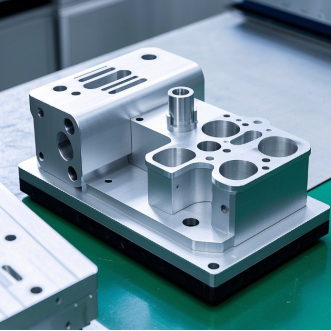
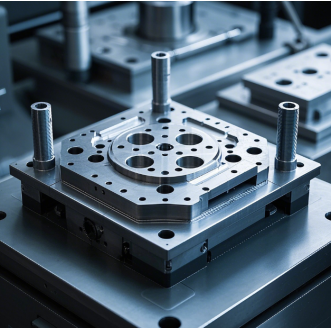
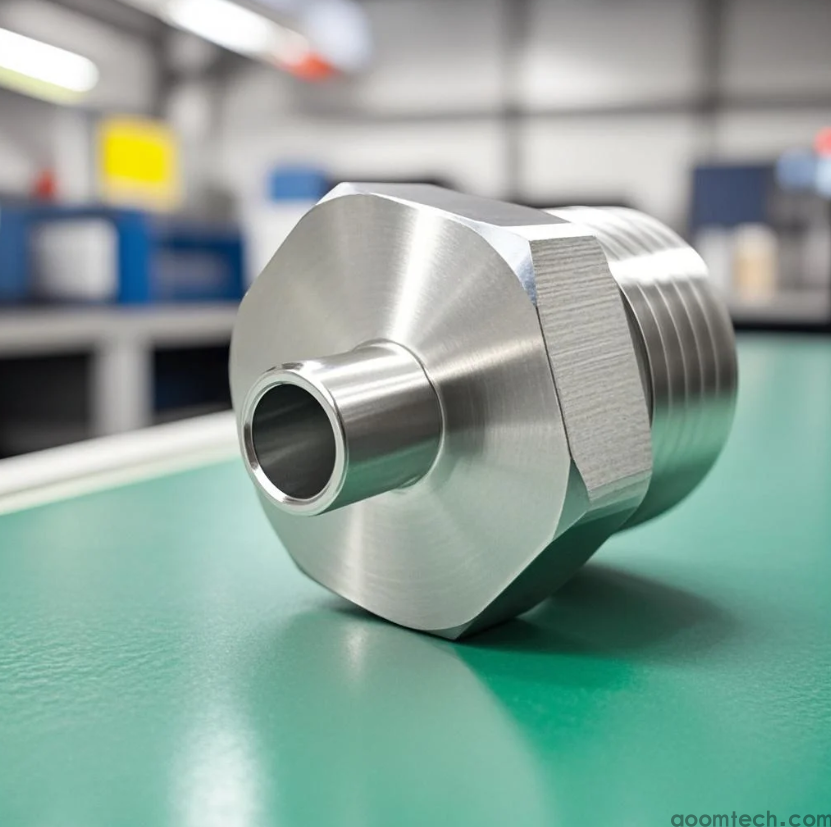
Electric vehicles (EVs) are rapidly changing the global automotive industry. As demand for cleaner and more efficient transportation grows, manufacturers must build vehicles that are lighter, more precise, and more reliable than ever before. One of the most important technologies supporting this shift is CNC Machining for Electric Vehicle Parts.
CNC (Computer Numerical Control) machining allows manufacturers to produce highly accurate and complex components used in EV systems such as batteries, electric motors, and power electronics. This article explains how CNC machining is used in EV production, why it matters, and what the future holds for this essential manufacturing process.
Introduction to CNC Machining for Electric Vehicle Parts
The Role of CNC-machined Parts in Electric Vehicles
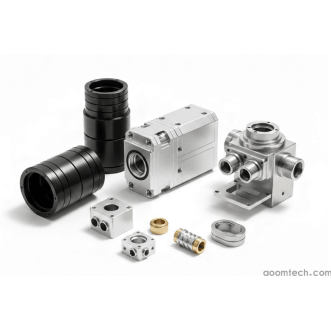
Electric vehicles rely on many precision-engineered components to function efficiently. CNC-machined parts are essential because they ensure accuracy, strength, and repeatability in production.
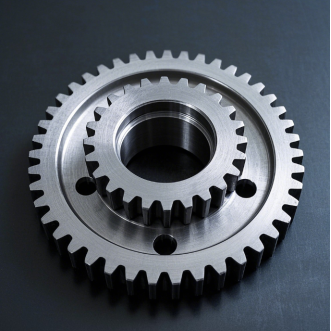
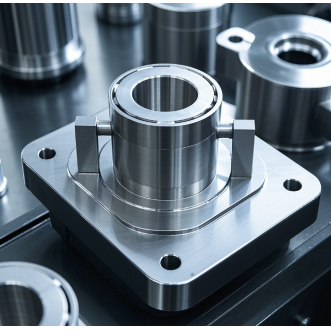
These parts are used in critical systems such as the electric drivetrain, battery housing, thermal management systems, and structural components. Without CNC machining, it would be difficult to achieve the tight tolerances and high performance required in modern EVs.
Understanding the CNC machining process for EV parts is important for engineers, manufacturers, and automotive designers because it directly affects vehicle performance, safety, and efficiency.
Unique Requirements of Electric Vehicle Parts
Lightweight Design
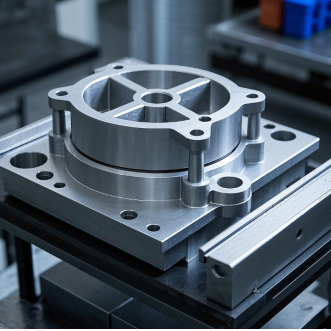
EVs must be as lightweight as possible to maximize driving range and energy efficiency. CNC machining helps achieve this by precisely shaping components from lightweight materials such as aluminum and magnesium alloys.
Examples include battery enclosures, motor housings, and suspension parts. These components must be strong yet light to support both performance and safety.
High Precision and Tolerance
Electric vehicles depend on extremely precise components. Even small errors can reduce efficiency or cause system failure. CNC machining can achieve tolerances in the micrometer range, ensuring perfect fit between drivetrain parts, battery modules, and cooling systems.
This high precision improves energy transfer efficiency and reduces mechanical wear over time.
Thermal Management
Heat control is one of the biggest challenges in EV design. Batteries and electric motors generate significant heat during operation.
CNC machining enables the creation of complex cooling channels and heat-dissipation structures inside components. These features help maintain safe operating temperatures and improve battery life and performance.
The CNC Machining Process for Electric Vehicle Parts
Design and CAD Modeling
The process begins with CAD (Computer-Aided Design) software. Engineers create a 3D model of the EV part, considering strength, weight, heat flow, and manufacturability.
For example, an electric motor housing must be designed to support structural loads while allowing efficient heat dissipation and easy assembly.
CNC Programming
After design, the CAD model is converted into machine instructions using CAM (Computer-Aided Manufacturing) software. This step defines tool paths, cutting speeds, feed rates, and cutting depth.
For EV components, programming must be highly optimized to ensure surface quality and dimensional accuracy. A well-written CNC program directly impacts the performance of the final part.
Material Selection and Preparation
Choosing the right material is essential in EV manufacturing. Common materials include aluminum, steel, magnesium, and carbon-fiber composites.
Each material is selected based on its strength, weight, thermal properties, and machinability. For example, aluminum is widely used for its lightweight and heat-conductive properties, while steel is used for high-strength structural parts.
Machine Setup and Tooling
CNC machines must be carefully set up before production begins. Fixtures hold the material firmly to prevent vibration and movement during machining.
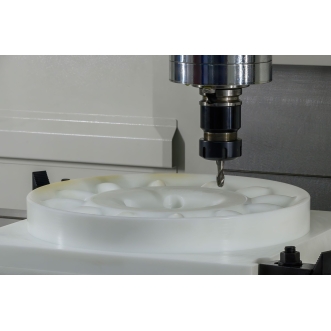
Cutting tools such as carbide end mills are selected based on material type and required precision. Machine settings like spindle speed and feed rate are adjusted to ensure stable and accurate cutting.
Machining Operations and Quality Control
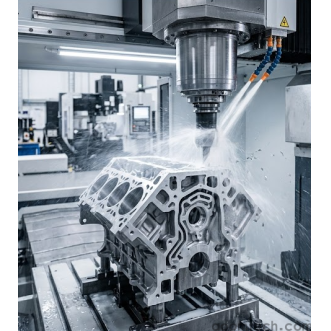
Common machining operations include milling, drilling, turning, and grinding. Each process shapes the EV part according to design specifications.
Quality control is carried out during and after machining. Tools such as micrometers, calipers, surface testers, and CMM (Coordinate Measuring Machines) ensure accuracy. Any deviation is corrected immediately to maintain production quality.
Benefits of CNC Machining for Electric Vehicle Parts
High Precision Manufacturing
CNC machining ensures extremely accurate parts that fit perfectly within EV systems. This improves drivetrain efficiency, battery performance, and overall vehicle reliability.
Design Flexibility
Engineers can create complex shapes that would be impossible with traditional manufacturing methods. This includes internal cooling channels and lightweight lattice structures.
Consistent Quality
Once programmed, CNC machines can produce identical parts repeatedly. This consistency is essential for mass production of electric vehicles, ensuring uniform performance across all units.
Material Selection for Electric Vehicle Parts
Aluminum
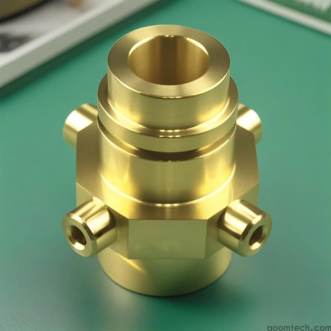
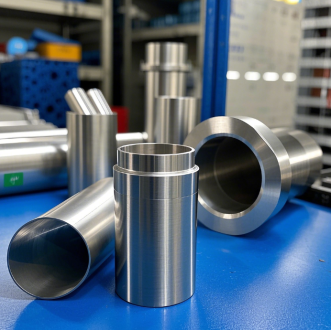
Aluminum is widely used in EV manufacturing due to its lightweight nature and good thermal conductivity. It is commonly used in battery enclosures and motor housings.
Machining aluminum requires proper cutting speeds and coated tools to achieve smooth surface finishes and avoid tool wear.
Steel
Steel is used in parts that require high strength and durability, such as chassis components and drivetrain systems. High-strength steel improves vehicle safety and structural integrity.
Machining steel requires careful cooling and strong cutting tools due to its hardness.
Composites
Carbon-fiber composites are increasingly used in EVs to reduce weight while maintaining strength. However, machining composites requires special tools to prevent fiber damage and delamination.
Quality Control of CNC-machined EV Components
In-process Inspection
During machining, continuous monitoring ensures that dimensions and surface quality remain within tolerance. Adjustments can be made immediately if any deviation is detected.
This reduces waste and prevents defective parts from moving further in production.
Final Inspection
After machining, each part undergoes detailed inspection using advanced measurement tools such as CMM systems. Criteria include dimensional accuracy, surface finish, and structural integrity.
Non-conforming parts are either reworked or rejected to maintain strict quality standards.
Future Trends in CNC Machining for Electric Vehicle Parts
Advanced Materials and Machining Techniques
New materials such as advanced alloys and hybrid composites will require more advanced machining strategies. These materials offer better performance but are more challenging to process.
Integration with Additive Manufacturing
The combination of CNC machining and 3D printing is becoming more common. Additive manufacturing creates complex shapes, while CNC machining provides precise finishing.
This hybrid approach is ideal for producing lightweight EV components with high accuracy.
Automation and Industry 4.0
Automation technologies such as robotic loading systems and real-time data monitoring are improving efficiency in CNC manufacturing.
Industry 4.0 allows manufacturers to optimize production, reduce costs, and improve consistency in EV part manufacturing.
Conclusion: The Future of CNC Machining in Electric Vehicle Manufacturing
CNC Machining for Electric Vehicle Parts plays a vital role in modern automotive production. It enables high precision, lightweight design, and consistent quality, all of which are essential for electric vehicle performance.
As EV technology continues to evolve, CNC machining will remain a key manufacturing method. Advances in materials, automation, and hybrid manufacturing will further improve efficiency and innovation.
Manufacturers and engineers should continue to explore new technologies and stay updated with trends such as CNC machining process for EV parts, material selection in CNC-machined EV parts, and quality control of CNC-machined EV components to remain competitive in the growing EV market.
RELATED PRODUCTS
-
Medical Brass CNC Machining Parts
-
Precision CNC Machining PEEK Services
-
Precision Custom CNC Machined Car Parts
-
cnc machining optical housings
-
Precision CNC Casting Machining Services
-
Precision Gear CNC Machining Services
-
Precision Stainless Steel Parts CNC Mach
-
CNC Machining of Precision Aluminum Tube
-
CNC Machining of Large Precision Aluminu
-
CNC Machining & Manufacturing of Pre