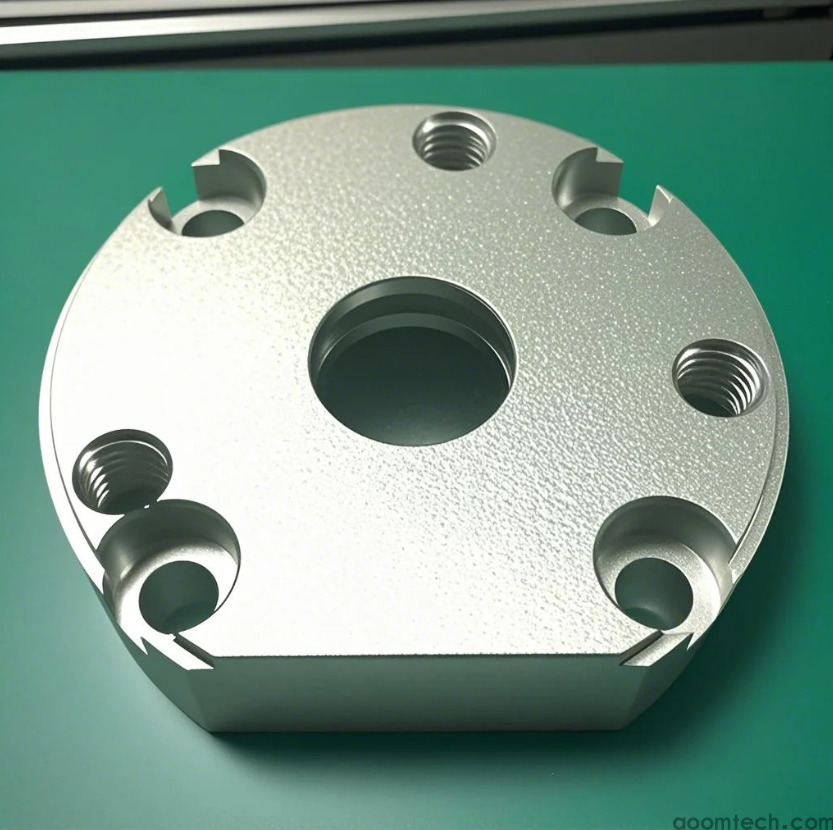
CNC Machining for Elevator Parts
Introduction to CNC Machining for Elevator Parts
CNC Machining for Elevator Parts is a modern manufacturing method used to produce highly precise and durable components for elevator systems. Elevators are essential in residential buildings, offices, hospitals, and industrial facilities. They must operate smoothly, safely, and reliably every day, often carrying heavy loads and working continuously.
Key elevator components such as car frames, counterweight parts, guide rails, and gearbox components must meet strict safety and performance standards. Even a small manufacturing error can affect comfort, increase wear, or create safety risks.
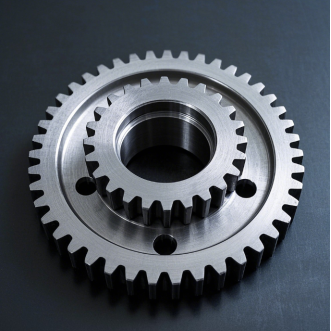
For example, precisely machined guide rails ensure the elevator car moves in a straight, stable path without shaking. Similarly, accurately produced gearbox parts help maintain smooth power transmission and reduce vibration and noise.
Importance of CNC Machining in Elevator Part Production
Precision Manufacturing
Precision is the most critical requirement in elevator systems. CNC machining uses computer-controlled tools to achieve extremely tight tolerances. This ensures every part matches the exact design specification.
If parts are not precise, several problems may occur:
Uneven elevator movement
Increased vibration and noise
Faster wear of mechanical components
Potential safety risks for passengers
For example, inaccurate gearbox components can lead to abnormal operation, causing vibration or even mechanical failure over time. This is why CNC machining is widely used in elevator manufacturing.
Customization for Diverse Requirements
Different buildings require different elevator designs. High-rise buildings, hospitals, and industrial facilities all have unique load and speed requirements. CNC machining allows full customization of parts to match these needs.
Examples include:
Reinforced car frames for high-rise elevators with heavy loads
Specially shaped counterweight components for better balance
Custom gearbox housings for compact elevator systems
This flexibility improves both performance and design efficiency.
Cost-Effectiveness for Medium to High Volume Production
Once a CNC program is created, it can be reused to produce large quantities of identical parts with consistent quality. This makes it highly cost-effective for elevator manufacturing projects.
Benefits include:
Reduced setup time per part
Lower material waste
Stable and repeatable quality
Economies of scale in mass production
For example, producing hundreds of identical guide rails for a commercial building project becomes more efficient and affordable with CNC machining.
CNC Machining Processes for Elevator Parts
Milling
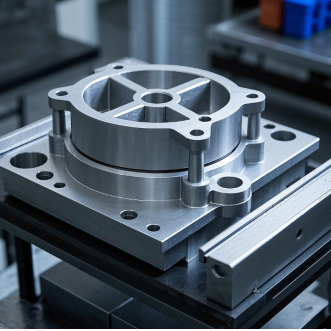
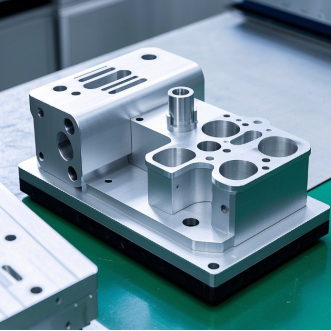
CNC milling for elevator parts is used to create flat surfaces, grooves, holes, and complex 3D shapes. A rotating cutting tool removes material from a solid block to form the required shape.
Key factors in milling include:
Tool selection based on material (steel, aluminum, etc.)
Spindle speed and feed rate control
Cutting depth optimization
For steel car frame parts, slower speeds and stronger tools are required. For aluminum counterweight parts, higher speeds and lighter cutting conditions are often used.
Turning
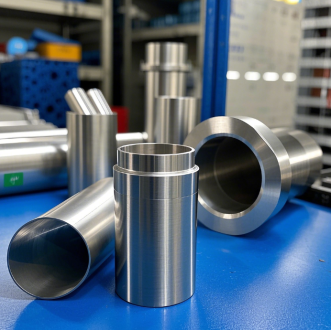
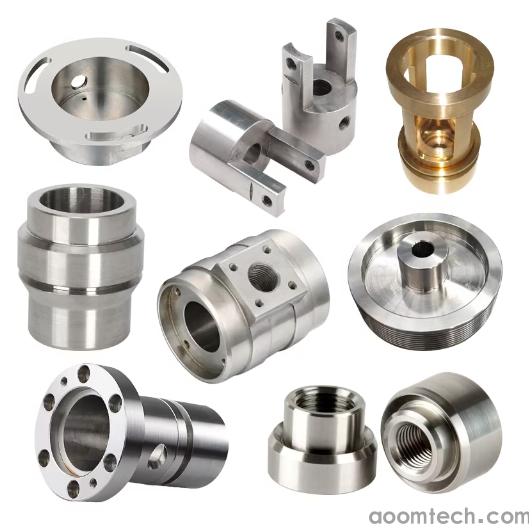
Turning is used to manufacture cylindrical elevator components such as shafts, rollers, and rotating gearbox parts. The workpiece rotates while a cutting tool shapes its outer or inner surface.
Important considerations include:
Maintaining concentricity for smooth rotation
Controlling surface finish quality
Managing chip formation and heat
For example, a drive shaft must be extremely precise to avoid vibration during elevator operation.
Drilling
Drilling is used to create holes for assembly, wiring, lubrication, and fastening components. Accuracy is essential because misaligned holes can lead to assembly failure.
Applications include:
Mounting holes in car frames
Lubrication channels in gearbox housings
Electrical routing holes
Proper coolant use and correct drill selection help prevent overheating and tool damage.
Materials Used in CNC Machining of Elevator Parts
Steel
Steel is the most commonly used material due to its high strength and durability. It is ideal for structural parts like guide rails, frames, and gearbox components.
Types of steel include carbon steel, alloy steel, and stainless steel. Steel machining requires strong cutting tools and controlled cutting speeds due to its hardness.
Aluminum Alloys
Aluminum alloys are lightweight and corrosion-resistant. They are often used in counterweights and non-load-bearing components.
Advantages include easier machining and reduced overall elevator system weight. However, care must be taken to avoid tool deflection due to material softness.
Cast Iron
Cast iron is used in components that require vibration damping, such as machine bases. It has high compressive strength but is brittle.
Machining cast iron requires stable cutting conditions to avoid cracking or chipping.
Challenges in CNC Machining of Elevator Parts
Tool Wear and Breakage
Elevator parts often require hard materials and high precision, which can cause tool wear. Small tools used for complex shapes are especially vulnerable to breakage.
Solutions include:
Using carbide or coated cutting tools
Monitoring tool wear regularly
Optimizing toolpaths to reduce stress
Heat Generation
Excess heat during machining can affect accuracy and tool life. This is especially important when working with steel and cast iron.
Cooling strategies include:
Using cutting fluids effectively
Adjusting cutting speed and feed rate
Using heat-resistant tools
Surface Finish and Dimensional Accuracy
A smooth surface and accurate dimensions are essential for safe elevator operation. Poor surface quality can increase friction and wear.
Post-processing methods such as grinding and polishing are often used to achieve final precision standards.
Choosing a CNC Machining Service for Elevator Parts
Technical Expertise
When selecting a provider for choosing a service for CNC machining elevator parts, technical experience is essential. The supplier should understand elevator systems, materials, and precision requirements.
Check for:
Past projects in elevator or industrial components
Engineering capability and certifications
Sample product quality
Quality Assurance System
A reliable supplier must have strong quality control processes. This ensures every part meets strict safety and performance standards.
Common inspection tools include:
Coordinate Measuring Machines (CMM)
Hardness testers
Surface roughness testers
In-process inspection helps detect errors early and reduces production waste.
Cost and Lead Time
Cost is important, but it should not reduce quality. A good supplier balances pricing with reliability and precision.
Consider:
Transparent pricing structure
On-time delivery performance
Production capacity for large orders
Conclusion
CNC Machining for Elevator Parts plays a critical role in ensuring safety, precision, and efficiency in modern elevator systems. From milling and turning to drilling, CNC processes allow manufacturers to produce high-quality components with consistent accuracy.
By understanding materials for CNC-machined elevator parts, machining processes, and production challenges, companies can make better decisions when selecting manufacturing partners. With the right supplier, elevators can operate smoothly, safely, and reliably for many years.
RELATED PRODUCTS
-
Medical Brass CNC Machining Parts
-
Precision CNC Machining PEEK Services
-
Precision Custom CNC Machined Car Parts
-
cnc machining optical housings
-
Precision CNC Casting Machining Services
-
Precision Gear CNC Machining Services
-
Precision Stainless Steel Parts CNC Mach
-
CNC Machining of Precision Aluminum Tube
-
CNC Machining of Large Precision Aluminu
-
CNC Machining & Manufacturing of Pre