CNC Machining for Large Molds
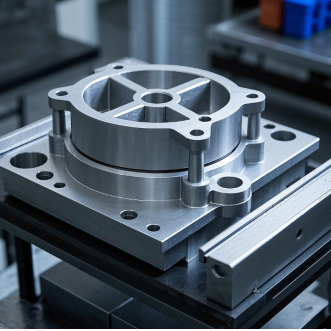
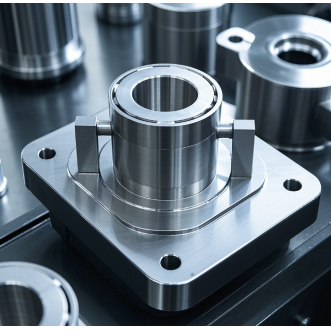
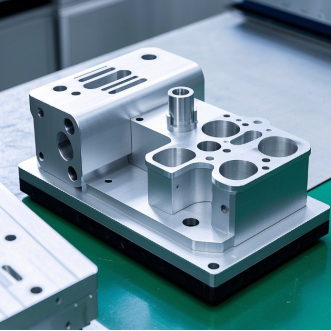
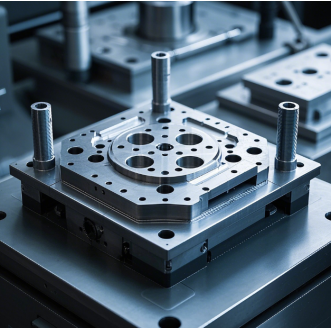
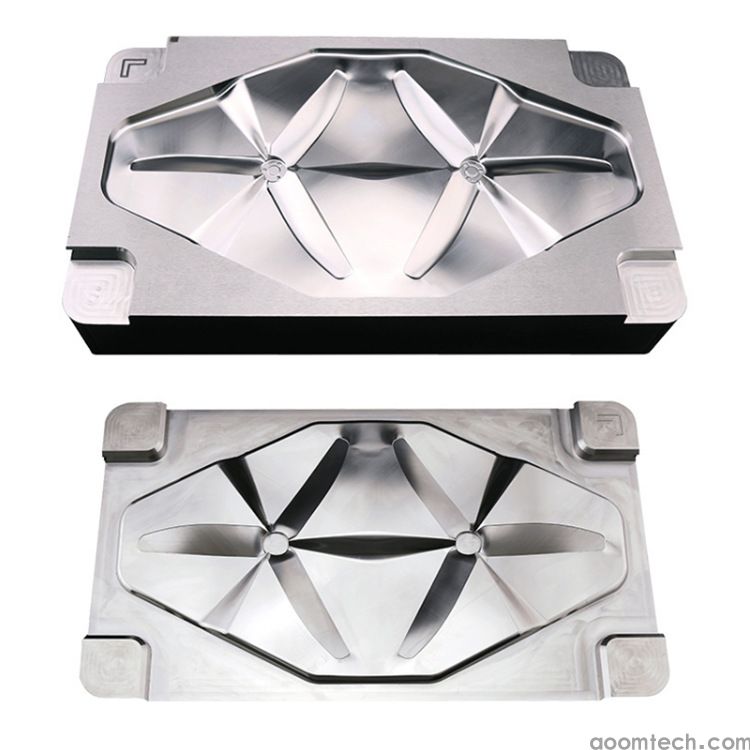
CNC Machining for Large Molds plays a key role in modern manufacturing industries that require high precision and consistent quality. Large molds are widely used in automotive production, aerospace components, and large-scale plastic manufacturing. Because these molds often form critical product surfaces, even a small error can affect thousands of final parts.
This article explains the CNC machining process for large molds in simple terms, covering design, programming, machining steps, material selection, challenges, and quality control. It is designed to help engineers, students, and manufacturing professionals understand how large molds are produced using CNC technology.
The Significance of CNC Machining in Large Mold Production
CNC (Computer Numerical Control) machining is essential for producing large molds with high accuracy and repeatability. Without CNC systems, it would be extremely difficult to manufacture complex mold shapes with tight tolerances.
Large molds are used in many industries. For example, in the automotive industry, they are used to produce body panels such as doors, hoods, and bumpers. These parts must fit perfectly together, so the mold surface must be extremely accurate and smooth. CNC machining ensures that every curve, edge, and surface detail is precisely created according to design specifications.
In aerospace applications, large molds are used for composite structures. Even minor deviations in mold geometry can affect aerodynamic performance. This is why CNC machining is widely trusted in high-precision industries.
The CNC Machining Process for Large Molds
Design Phase
The process begins with a detailed digital design using CAD (Computer-Aided Design) software. Engineers create a 3D model of the mold based on the final product requirements.
During this stage, designers must consider:
The shape and complexity of the part
The molding method (injection molding, compression molding, etc.)
Material shrinkage after cooling
Draft angles for easy part removal
Accuracy is extremely important. A small mistake, such as an incorrect draft angle, can cause the final product to stick in the mold or become damaged during ejection.
CNC Programming
After the CAD model is completed, it is transferred into CAM (Computer-Aided Manufacturing) software. This step converts the 3D model into a CNC machining program.
The program includes toolpaths, cutting speeds, feed rates, and depth of cut. For large molds, programming must be carefully optimized to handle complex surfaces and large material volumes.
An incorrect toolpath can lead to uneven surfaces, dimensional errors, or excessive tool wear. Therefore, experienced programmers are essential in ensuring the success of the CNC machining process for large molds.
Machine Setup and Tooling
Large molds require specialized CNC machines with extended working areas. These machines are designed to handle heavy workpieces and maintain stability during long machining cycles.
Common tooling includes:
Large-diameter end mills for rough cutting
Ball-nose tools for surface finishing
Drills and boring tools for precision holes
Correct machine setup is critical. Improper alignment or tool selection can lead to vibration, poor surface finish, or even tool breakage.
Machining Operations
Milling
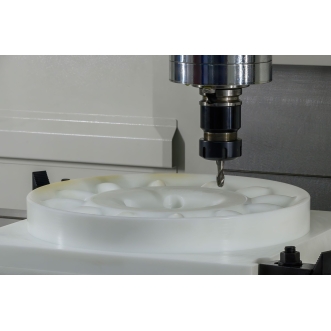
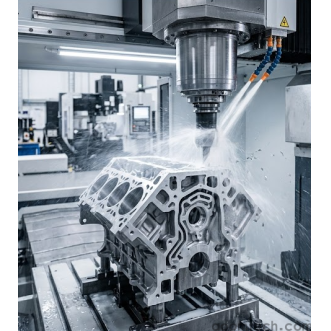
Milling is the main process used to remove material and shape the mold cavity. Carbide tools are often used for steel molds due to their hardness and durability. Cutting parameters must be carefully adjusted based on material type and mold size. Large molds often require slower feed rates to ensure stability.
Drilling and Boring
Drilling is used to create holes for cooling channels, ejector pins, and alignment features. Boring is used to achieve precise hole dimensions and smooth finishes. Accurate hole placement is essential for proper mold performance during production.
Challenges in CNC Machining for Large Molds
Size and Weight
Large molds are heavy and difficult to handle. Special lifting equipment is required for transportation and setup. During machining, the weight of the mold can cause vibration, which reduces accuracy.
To solve this, manufacturers use rigid fixtures and vibration-damping systems to stabilize the workpiece during cutting.
Long Machining Times
Large molds require long production times due to the large volume of material removal. This increases cost and machine usage time.
To improve efficiency, manufacturers optimize toolpaths, use high-performance cutting tools, and apply high-speed machining strategies where possible.
Heat Generation
Cutting large amounts of metal generates heat. Excessive heat can cause thermal expansion, leading to dimensional errors in the mold.
Coolant systems are used to control temperature. In addition, reducing cutting speed or adjusting feed rates can help minimize heat buildup during machining.
Material Selection for Large Molds
Steel
Steel is the most commonly used material in large mold production. Tool steels and P20 steel are widely applied due to their strength and durability.
Steel is suitable for high-pressure and high-temperature molding processes. It provides long service life and excellent wear resistance, making it ideal for mass production.
Aluminum
Aluminum is lighter than steel and offers excellent thermal conductivity. This helps reduce cooling time during molding.
However, aluminum is less durable than steel and is typically used for low-pressure applications or prototype molds.
Cast Iron
Cast iron is valued for its vibration-damping properties. It is often used in large molds where stability is important.
It is also cost-effective, making it suitable for certain industrial mold applications where extreme precision is not the primary requirement.
Quality Control in CNC Machining for Large Molds
In-Process Inspection
Quality control begins during machining. Operators regularly check dimensions, surface finish, and tool wear.
Advanced tools such as laser trackers and surface roughness testers help ensure accuracy in real time. If errors are detected, adjustments can be made immediately to avoid scrap.
Final Inspection
After machining is completed, the mold undergoes a final inspection process. This ensures it meets all design requirements.
Coordinate Measuring Machines (CMMs) are often used to check dimensional accuracy. Surface roughness and material integrity are also evaluated.
If a mold does not meet specifications, it may require re-machining or, in some cases, complete rejection.
Conclusion: Mastering CNC Machining for Large Molds
CNC Machining for Large Molds is a complex but highly precise manufacturing process. It requires careful attention at every stage, from design and programming to machining and inspection.
Understanding the CNC machining process for large molds, addressing challenges in large-mold CNC machining, and selecting the right materials are all essential for success. Proper material selection for large-scale molds also plays a major role in performance and durability.
Manufacturers can improve results by continuously optimizing machining strategies, adopting new technologies, and maintaining strong communication between design and production teams.
By following these principles, industries can achieve high-quality, durable, and precise molds that support efficient mass production and consistent product quality.
RELATED PRODUCTS
-
Medical Brass CNC Machining Parts
-
Precision CNC Machining PEEK Services
-
Precision Custom CNC Machined Car Parts
-
cnc machining optical housings
-
Precision CNC Casting Machining Services
-
Precision Gear CNC Machining Services
-
Precision Stainless Steel Parts CNC Mach
-
CNC Machining of Precision Aluminum Tube
-
CNC Machining of Large Precision Aluminu
-
CNC Machining & Manufacturing of Pre