CNC Machining for Medical Parts
Introduction to CNC Machining for Medical Parts
CNC Machining for Medical Parts plays a critical role in modern healthcare manufacturing. CNC stands for , a technology that uses computer-controlled machines to produce highly precise components. In the medical field, precision, reliability, and biocompatibility are essential. Even a small error in a medical component can affect patient safety and treatment outcomes.
The Significance in the Medical Field
Medical parts must meet extremely strict requirements. They are used in surgical instruments, diagnostic devices, and implantable products. CNC machining makes it possible to produce parts with tight tolerances and consistent quality.
For example, in orthopedic surgery, implants such as hip joints or bone plates must fit perfectly inside the human body. CNC machining ensures these components are accurately shaped, reducing the risk of complications and improving recovery outcomes for patients.
The CNC Machining Process for Medical Parts
Design Phase
The process begins with detailed digital design. Engineers use Computer-Aided Design (CAD) software to create 3D models of medical components. These designs consider function, patient anatomy, and medical requirements.
Accuracy is extremely important at this stage. A poorly designed surgical tool or implant may cause failure during medical procedures or harm the patient.
Material Selection
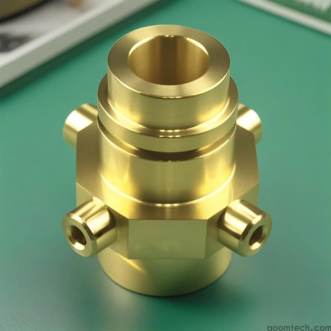
Material selection in medical part CNC machining is a crucial step. Materials must be biocompatible, meaning they do not cause harmful reactions in the human body. Common materials include titanium, stainless steel, and medical-grade plastics.
Titanium is widely used for implants because of its excellent strength and corrosion resistance. Stainless steel is often used for surgical tools due to its durability and cost-effectiveness. Plastics are used in disposable or lightweight devices.
Different materials also affect machining conditions. Harder materials require slower cutting speeds and cause more tool wear, while plastics allow faster machining but require careful heat control.
CNC Programming
Once the design is finalized, it is converted into machine instructions using Computer-Aided Manufacturing (CAM) software. This step creates a CNC program that includes toolpaths, cutting speeds, and feed rates.
Precise programming is essential. Incorrect instructions can lead to dimensional errors or poor surface quality, which is unacceptable in medical applications.
Machine Setup and Tooling
The CNC machine is prepared with the correct cutting tools, fixtures, and workholding systems. High-precision tools are used to meet strict medical standards.
Proper setup ensures stability during machining. Incorrect tooling or machine settings can cause defects such as poor surface finish, tool breakage, or inaccurate dimensions.
Machining Operations in Medical Part Production
Milling
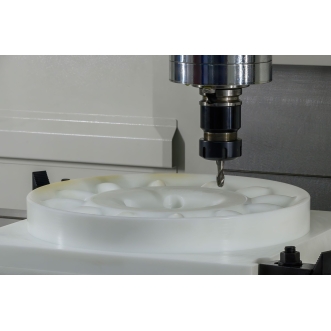
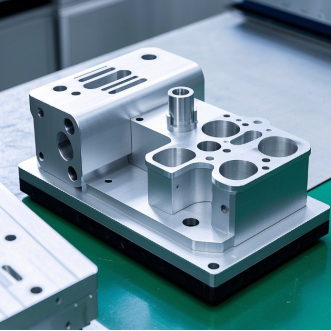
Milling uses rotating cutting tools to remove material and create complex shapes, flat surfaces, and detailed features. Carbide tools are often used for hard materials like stainless steel and titanium.
Cutting parameters such as spindle speed and feed rate must be carefully controlled. For delicate medical components, slower speeds are often used to ensure accuracy and surface quality.
Turning
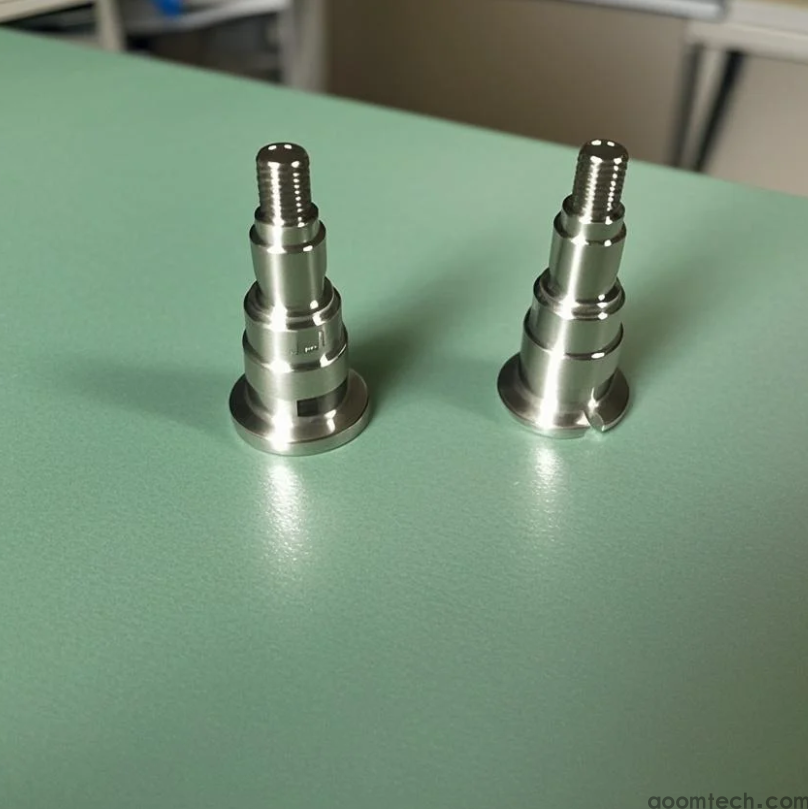
Turning is used to create cylindrical parts such as pins, rods, and shafts. The workpiece rotates while a cutting tool shapes its surface.
In medical applications, maintaining concentricity and smooth surface finish is essential. Even slight deviations can affect how a part fits into medical devices or the human body.
Drilling and Boring
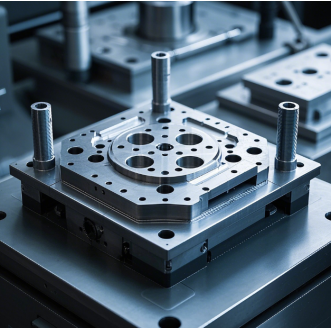
Drilling creates precise holes for screws, fluid channels, or assembly features. Boring is used to refine or enlarge holes to exact dimensions.
Accurate hole placement is critical. Errors can lead to misalignment during assembly or failure of medical devices. Proper tool selection and cutting parameters ensure reliable results.
Quality Control in Medical CNC Machining
Quality control is one of the most important aspects of medical manufacturing. Medical parts must meet strict regulatory and safety standards.
Inspections are performed during and after machining. Advanced measuring tools such as coordinate measuring machines (CMM), optical microscopes, and surface profilometers are used to verify accuracy.
Any part that does not meet specifications must be reworked or discarded. There is no compromise when patient safety is involved.
Advantages of CNC Machining for Medical Parts
High Precision
One of the main advantages of CNC for medical part production is extremely high precision. CNC systems can produce parts with very tight tolerances, ensuring consistent quality across large production batches.
This precision is essential for implants and surgical tools, where even small errors can affect performance.
Customization
CNC machining supports full customization. Patient-specific implants can be designed based on medical imaging data such as CT or MRI scans.
This allows doctors to provide personalized treatments, improving comfort, fit, and long-term success rates.
Material Compatibility
CNC machining works with a wide range of medical-grade materials. Manufacturers can select the most suitable material based on strength, flexibility, cost, and biocompatibility.
For example, titanium is used for implants, stainless steel for tools, and polymers for disposable devices.
Conclusion: CNC Machining's Impact on Medical Part Production
CNC machining has transformed modern medical manufacturing by enabling the production of safe, precise, and reliable components. The full CNC machining process for medical parts—from design and material selection to programming and quality control—ensures that every component meets strict medical standards.
To summarize, CNC machining offers high precision, customization, and material flexibility. These advantages make it an essential technology in healthcare manufacturing. Continuous improvement in quality control systems and adoption of new materials will further enhance medical outcomes in the future.
Understanding CNC Machining for Medical Parts is essential for engineers, manufacturers, and healthcare innovators aiming to deliver safe and effective medical solutions worldwide.
RELATED PRODUCTS
-
Medical Brass CNC Machining Parts
-
Precision CNC Machining PEEK Services
-
Precision Custom CNC Machined Car Parts
-
cnc machining optical housings
-
Precision CNC Casting Machining Services
-
Precision Gear CNC Machining Services
-
Precision Stainless Steel Parts CNC Mach
-
CNC Machining of Precision Aluminum Tube
-
CNC Machining of Large Precision Aluminu
-
CNC Machining & Manufacturing of Pre