CNC Machining for Non-Standard Custom Parts
Introduction to CNC Machining for Non-Standard Custom Parts
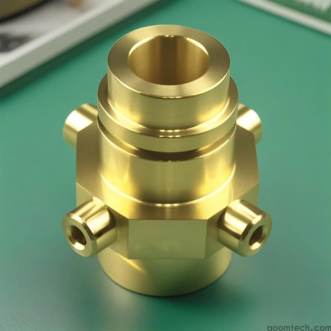
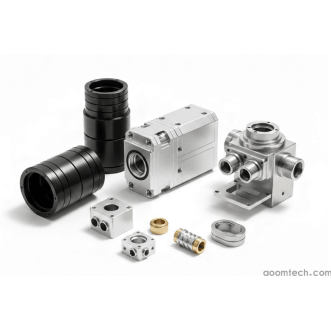
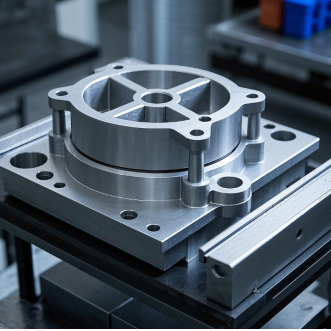
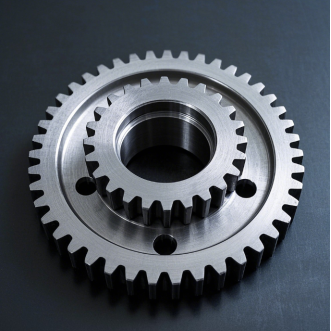
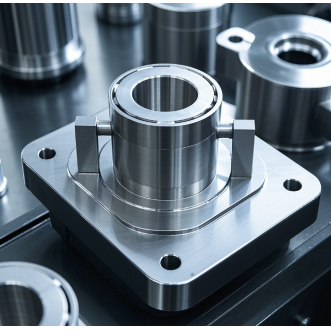
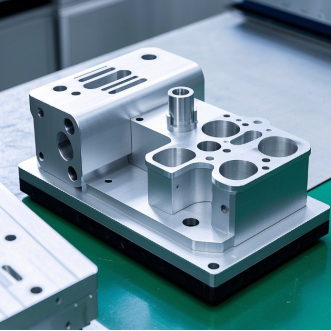
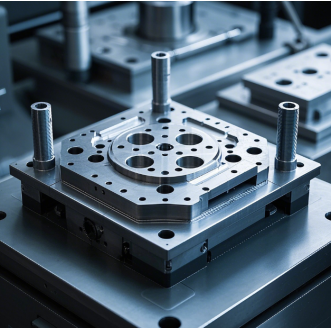
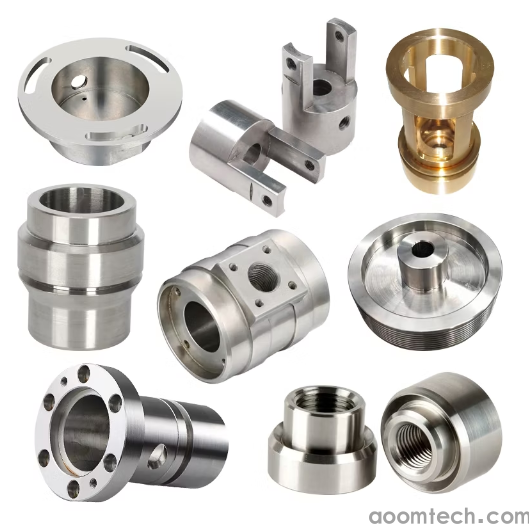
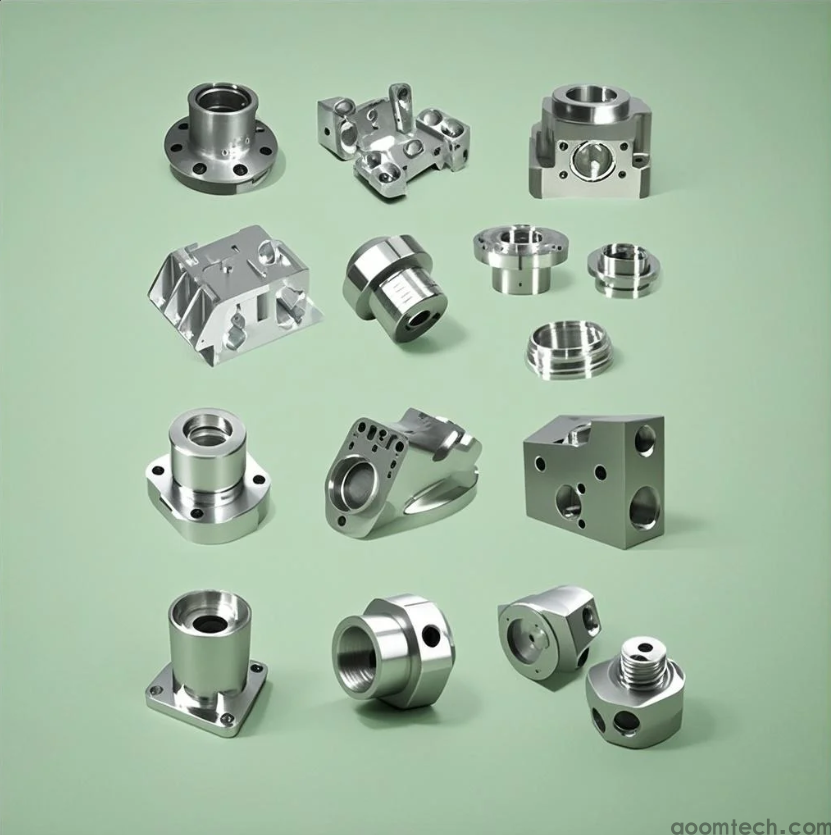
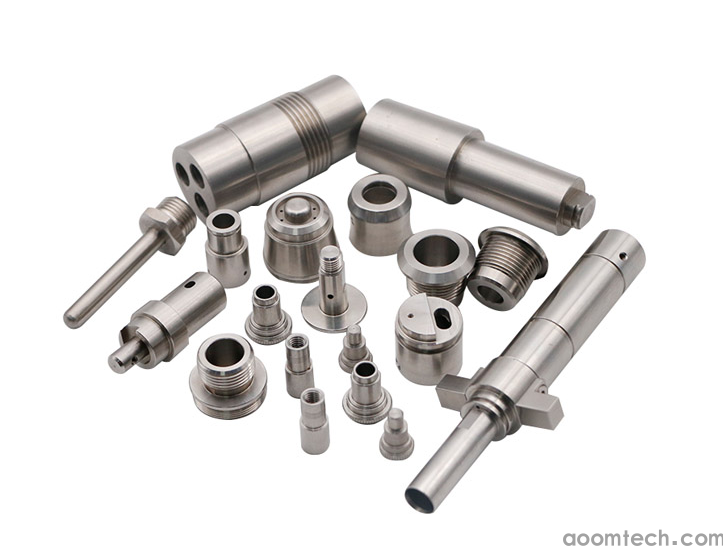
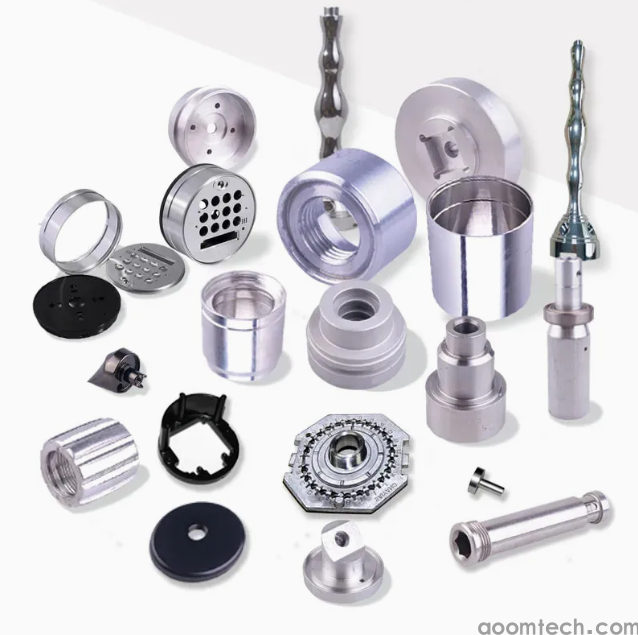
CNC Machining for Non-Standard Custom Parts refers to the process of using computer-controlled machines to manufacture parts that are not available as standard, off-the-shelf components. These parts are designed for specific applications and often have unique shapes, tight tolerances, or special performance requirements.
Unlike standard parts, non-standard custom parts are built to solve unique engineering problems. They are widely used in industries such as aerospace, medical devices, robotics, automotive engineering, and advanced manufacturing systems. CNC technology makes it possible to turn complex designs into precise physical components with high repeatability and accuracy.
This article explains the significance, machining methods, materials, challenges, and key factors in choosing a reliable service for CNC machining non-standard custom parts.
The Significance of Non-Standard Custom Parts
Non-standard custom parts are essential in modern engineering because they solve problems that standard components cannot address. Many advanced products require parts with unique dimensions, special functions, or integration into complex systems.
For example:
Aerospace: Custom-designed turbine or engine components for new aircraft models
Medical industry: Patient-specific implants or surgical tools
Robotics: Specialized joints, actuators, and motion-control parts
These parts enable innovation and help engineers build safer, more efficient, and more advanced systems. Without non-standard custom components, many modern technologies would not function properly or would be impossible to develop.
Importance of CNC Machining for Non-Standard Parts
Precision Tailoring
One of the main advantages of CNC machining for non-standard custom parts is its ability to achieve extremely high precision. CNC machines follow digital instructions, which allows them to maintain tight tolerances and produce consistent results.
This precision is critical because even small errors can cause system failure or safety risks. For example, in a medical implant, poor machining accuracy may lead to discomfort, improper fit, or long-term health issues. In aerospace systems, inaccurate parts can reduce performance or create dangerous operational risks.
Design Flexibility
CNC machining provides excellent design freedom. Engineers can create complex shapes that would be impossible or very expensive to produce using traditional methods.
Examples include:
Internal cooling channels in high-performance engine parts
Complex housings for optical or electronic devices
Multi-axis geometric structures in robotic components
This flexibility supports innovation and allows engineers to optimize performance rather than compromise due to manufacturing limitations.
Cost-Effectiveness for Specialized Production
For small and medium production runs, CNC machining is often more cost-effective than other manufacturing methods. Once the CNC program is created, it can be reused to produce consistent parts efficiently.
Cost savings come from:
Reduced setup time for repeat orders
Lower material waste due to accurate machining
Fewer errors and rejected parts
This makes CNC machining ideal for research projects, prototype development, and customized industrial applications.
CNC Machining Processes for Non-Standard Custom Parts
Milling
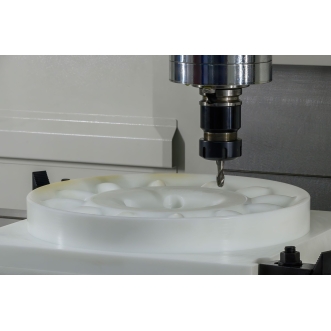
CNC milling is one of the most widely used processes in CNC machining for non-standard custom parts. It uses a rotating cutting tool to remove material from a workpiece and create flat surfaces, holes, grooves, and complex 3D shapes.
Key factors in milling include tool selection, spindle speed, feed rate, and cutting depth. Different materials require different machining strategies. For example, machining aluminum requires higher speeds, while hardened steel requires slower cutting speeds and stronger tools.
Carbide-coated tools are commonly used because they provide durability and maintain sharpness when machining tough materials.
Turning
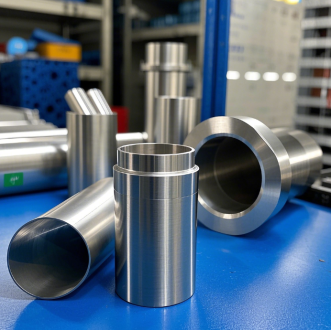
CNC turning is used for producing cylindrical parts such as shafts, rods, and bushings. In this process, the workpiece rotates while a cutting tool shapes its outer or inner surface.
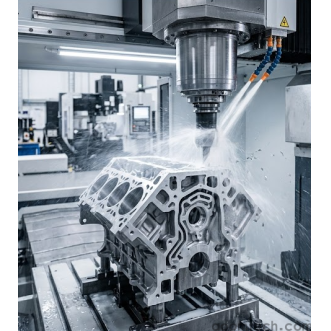
Maintaining concentricity and surface smoothness is essential in turning operations. Proper coolant use helps reduce heat and improve surface quality.
Challenges such as chip formation and tool wear must be managed carefully through optimized toolpaths and regular tool maintenance.
Electrical Discharge Machining (EDM)
EDM is a specialized process used for machining hard materials and complex geometries that cannot be achieved through traditional cutting methods.
It works by using electrical sparks to remove material from the workpiece. There are two main types:
Wire EDM: Used for cutting precise shapes in hard materials
Die-sinking EDM: Used for creating complex cavities and molds
EDM is slower than conventional machining but offers extremely high precision and excellent surface quality.
Materials Used in CNC Machining for Non-Standard Custom Parts
Metals
Metals are the most common materials used in non-standard CNC-machined custom parts.
Steel: High strength and durability, ideal for heavy-load applications such as industrial machines and aerospace structures
Aluminum: Lightweight, corrosion-resistant, and thermally conductive, commonly used in electronics and medical devices
Titanium: High strength-to-weight ratio and excellent corrosion resistance, widely used in aerospace and medical implants
Each metal requires different machining strategies due to differences in hardness, heat resistance, and cutting behavior.
Ceramics and Composites
Ceramics and composite materials are used in advanced applications where special properties are required.
Ceramics offer high hardness, heat resistance, and electrical insulation, making them suitable for electronics and high-temperature environments. However, they are brittle and require careful machining with diamond-coated tools.
Composites such as carbon-fiber reinforced polymers provide high strength while remaining lightweight. Machining these materials requires special attention to prevent fiber damage and delamination.
Challenges in CNC Machining Non-Standard Custom Parts
Tool Wear and Breakage
Non-standard custom parts often require machining hard materials or complex shapes, which increases tool wear. Small tools used for detailed features are also more likely to break.
Solutions include using high-quality carbide or diamond-coated tools, monitoring tool conditions, and optimizing toolpaths to reduce stress.
Heat Generation
Heat is generated during cutting and can affect both tool life and part accuracy. Excessive heat may cause material deformation or surface damage.
This can be controlled by using coolant systems, adjusting cutting speed, and selecting tools designed for heat resistance.
Programming Complexity
Non-standard parts often have complex geometries that require advanced CNC programming. Creating accurate toolpaths can be challenging and time-consuming.
Advanced CAD/CAM software and simulation tools help reduce errors before actual machining begins. Proper training and experience are also essential for programmers.
Choosing a CNC Machining Service for Non-Standard Custom Parts
Technical Expertise
When selecting a machining partner, technical expertise is one of the most important factors. A reliable provider should understand different materials, machining methods, and complex part designs.
It is recommended to check:
Case studies of similar projects
Experience in industries like aerospace or medical
Quality of sample parts
Quality Assurance
A strong quality control system ensures that every part meets required specifications. Professional machining services use tools such as coordinate measuring machines (CMM), hardness testers, and surface measurement equipment.
Good quality systems include in-process inspection, final inspection, and clear handling procedures for defective parts.
Cost-Effectiveness and Lead Times
Cost is important, but it should be balanced with quality and reliability. A low price may result in poor precision or delays.
When evaluating a service provider, consider:
Transparent pricing structure
On-time delivery record
Ability to scale production when needed
Comparing multiple suppliers is a practical way to find the best balance between cost, quality, and delivery speed.
Conclusion
CNC Machining for Non-Standard Custom Parts plays a vital role in modern manufacturing. It enables the creation of highly specialized components that support innovation in industries such as aerospace, medical, and robotics.
Through precise machining processes like milling, turning, and EDM, manufacturers can produce complex parts from a wide range of materials including metals, ceramics, and composites. Despite challenges such as tool wear, heat generation, and programming complexity, CNC technology remains one of the most reliable solutions for custom manufacturing.
Choosing the right machining service requires attention to technical expertise, quality assurance systems, and overall cost-effectiveness. With the right partner, businesses can achieve high-quality, reliable, and precisely engineered non-standard custom parts that meet demanding industry requirements.
RELATED PRODUCTS
-
Medical Brass CNC Machining Parts
-
Precision CNC Machining PEEK Services
-
Precision Custom CNC Machined Car Parts
-
cnc machining optical housings
-
Precision CNC Casting Machining Services
-
Precision Gear CNC Machining Services
-
Precision Stainless Steel Parts CNC Mach
-
CNC Machining of Precision Aluminum Tube
-
CNC Machining of Large Precision Aluminu
-
CNC Machining & Manufacturing of Pre