CNC Machining for Sleeves
Introduction to CNC Machining for Sleeves
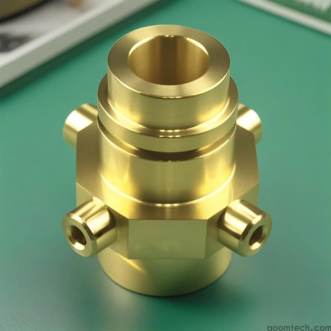
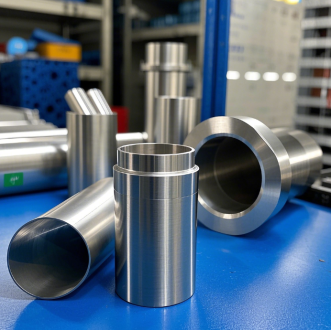
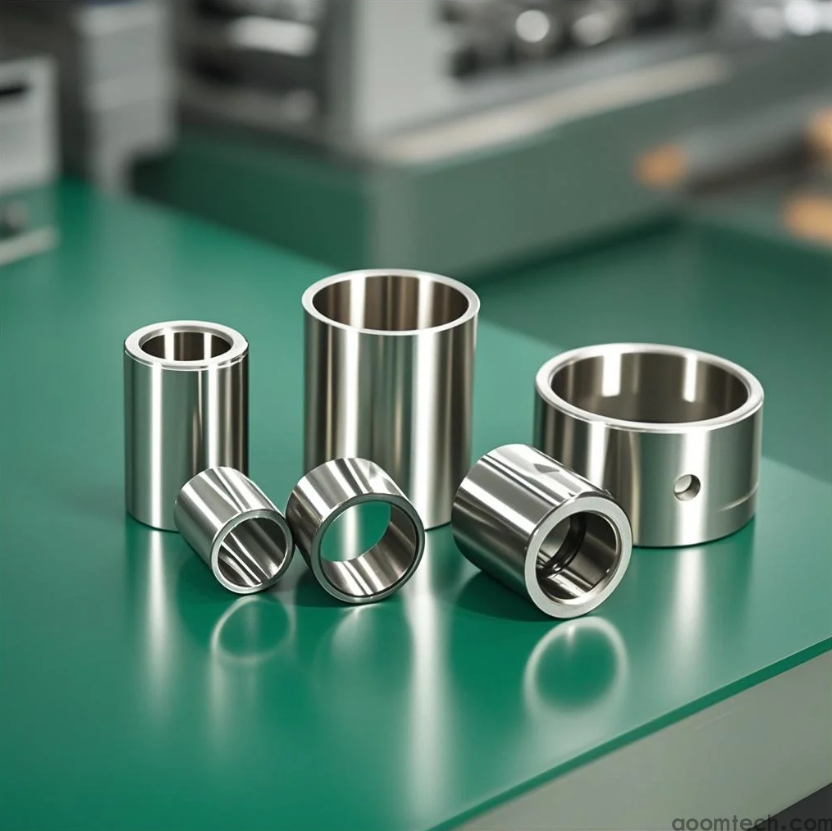
CNC Machining for Sleeves is a precise manufacturing method used to produce cylindrical components called sleeves. Sleeves are important parts in many mechanical systems. They help support rotating shafts, reduce friction, guide motion, and protect other parts from wear.
In modern industry, CNC (Computer Numerical Control) machining is widely used because it provides high accuracy and repeatability. CNC-machined sleeves are essential in automotive engines, aerospace systems, pumps, compressors, and many types of industrial machinery. They help machines run smoothly, improve durability, and reduce maintenance needs.
This article explains the significance, advantages, process steps, tooling, challenges, and applications of CNC-machined sleeves in simple and clear language.
Advantages of CNC Machining Sleeves
High Precision and Consistency
One of the main advantages of CNC machining sleeves is high precision. CNC machines follow programmed instructions, allowing each sleeve to be produced with very tight tolerances.
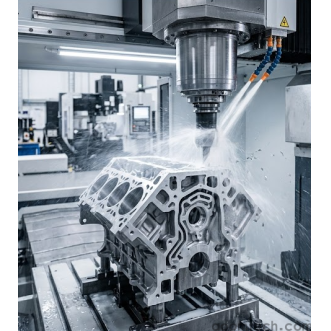
For example, in automotive engine piston sleeves, even a small dimensional error can affect sealing and efficiency. CNC machining ensures that every sleeve matches the exact design, improving engine performance, reducing oil loss, and minimizing wear between moving parts.
Customization Capabilities
CNC machining allows full customization of sleeve designs. Engineers can create sleeves with special dimensions, internal features, or unique shapes depending on the application.
For example, in aerospace turbine systems, a custom sleeve may include internal cooling channels. CNC machining makes it possible to produce these complex designs accurately, which would be difficult using traditional methods.
Material Compatibility
CNC machining supports many materials used in sleeve production, including steel, aluminum, bronze, and engineering plastics. Each material offers different benefits such as strength, corrosion resistance, or heat resistance.
For example, bronze is often used in marine pump sleeves because it resists seawater corrosion. CNC machining allows precise shaping of bronze sleeves, ensuring long service life in harsh environments.
Process Steps of CNC Machining Sleeves
Design and CAD/CAM Programming
The process steps of CNC machining sleeves begin with design. Engineers use CAD (Computer-Aided Design) software to create a 3D model of the sleeve. This model defines all dimensions and features.
Next, CAM (Computer-Aided Manufacturing) software converts the design into machine instructions. These instructions include tool paths, cutting speed, and feed rate. For complex sleeves such as high-pressure hydraulic sleeves, programming must ensure accuracy and stability during machining.
Material Selection and Preparation
Material selection is critical for sleeve performance. The chosen material must meet requirements such as wear resistance, strength, and heat tolerance.
After selection, raw material is cut to size and may undergo heat treatment to improve hardness. For harder materials, slower cutting speeds and stronger tools are required to maintain machining accuracy.
Machining Operations
Turning
Turning is the main operation for sleeves because they are cylindrical. The workpiece rotates while the cutting tool removes material to form the outer and inner surfaces.
Carbide inserts are commonly used for hard materials like steel sleeves. Proper control ensures good concentricity and surface finish, which are essential for smooth operation in mechanical systems.
Drilling and Boring
Drilling creates holes for lubrication or assembly purposes. Boring is used to refine and enlarge the inner diameter of the sleeve to achieve high precision.
Coolant is often used to reduce heat and improve accuracy. Proper feed rate and tool alignment are important to avoid dimensional errors.
Milling (If Required)
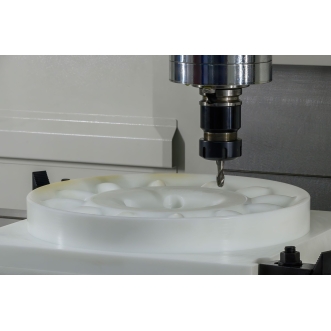
If sleeves require additional features such as keyways, slots, or flats, milling is used. Different cutters are selected based on feature type and material hardness.
Finishing Operations
After machining, finishing processes improve quality. These may include polishing, heat treatment, or surface coating.
For example, hard chrome coating can significantly improve wear resistance and corrosion protection, especially in hydraulic or marine environments.
Tooling Selection for CNC Machining Sleeves
Carbide-Tipped Tools
The tooling selection for CNC machining sleeves plays a key role in quality and efficiency. Carbide tools are widely used because they can handle high cutting forces and heat.
For example, carbide turning inserts improve productivity when machining steel sleeves by reducing tool wear and maintaining consistent surface quality.
Drill Bits and Boring Bars
Drill bits must match the material type and hole requirements. High-speed steel (HSS) and carbide drills are commonly used.
Boring bars must be rigid to maintain accuracy during inner diameter finishing. Tool geometry, such as point angle and length-to-diameter ratio, directly affects machining stability and precision.
Challenges in CNC Machining Sleeves
Concentricity Requirements
One major issue in challenges in CNC machining sleeves is maintaining concentricity between inner and outer surfaces. Poor concentricity can cause vibration, uneven wear, and reduced machine performance.
For example, a misaligned sleeve in a bearing system can lead to premature failure and increased maintenance costs.
Heat Generation and Dimensional Changes
During machining, heat is generated from cutting friction. This can cause material expansion and dimensional errors.
If not controlled properly, heat may cause tight fits during assembly, leading to installation problems. Coolant and optimized cutting parameters help reduce this issue.
Material-Specific Challenges
Different materials create different machining difficulties. Soft aluminum may deform during cutting, while hardened steel requires stronger tools and slower speeds.
For example, aluminum sleeves must be carefully clamped to avoid deformation while still maintaining precision during machining.
Applications of CNC-Machined Sleeves
Automotive Industry
Applications of CNC-machined sleeves in the automotive industry include engine components such as piston sleeves, valve guides, and bearing sleeves.
These parts reduce friction and improve engine efficiency. For example, a precision piston sleeve can reduce oil consumption and improve fuel efficiency in modern engines.
Aerospace Industry
In aerospace systems, sleeves are used in engines, fuel systems, and rotating shafts. These components must perform reliably under extreme conditions.
For example, a CNC-machined fuel injection sleeve ensures accurate fuel flow, improving engine stability and safety.
Industrial Machinery
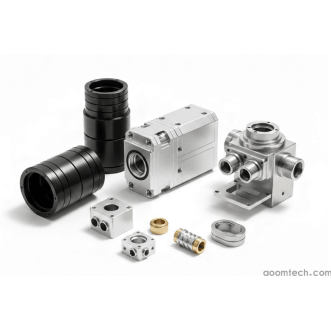
In pumps, compressors, and gearboxes, sleeves help support shafts and reduce wear. CNC machining allows custom designs based on machine requirements.
For example, a custom pump sleeve can improve sealing efficiency and extend equipment service life.
Conclusion: Mastering CNC Machining for Sleeves
CNC machining is one of the most effective methods for producing high-quality sleeves used in modern industry. It offers high precision, flexibility, and compatibility with many materials.
By understanding the advantages of CNC machining sleeves, following correct process steps of CNC machining sleeves, selecting proper tooling for CNC machining sleeves, and managing challenges in CNC machining sleeves, manufacturers can produce reliable and durable components.
As industries continue to demand higher performance and tighter tolerances, CNC-machined sleeves will remain a key solution in automotive, aerospace, and industrial applications. Businesses are encouraged to optimize their machining processes to improve efficiency, reduce costs, and achieve better product quality.
RELATED PRODUCTS
-
Medical Brass CNC Machining Parts
-
Precision CNC Machining PEEK Services
-
Precision Custom CNC Machined Car Parts
-
cnc machining optical housings
-
Precision CNC Casting Machining Services
-
Precision Gear CNC Machining Services
-
Precision Stainless Steel Parts CNC Mach
-
CNC Machining of Precision Aluminum Tube
-
CNC Machining of Large Precision Aluminu
-
CNC Machining & Manufacturing of Pre