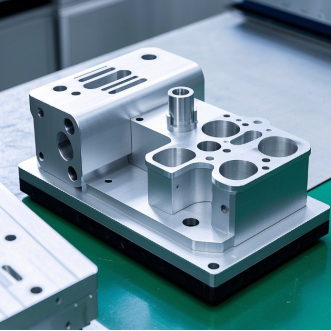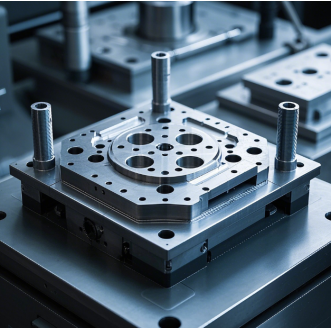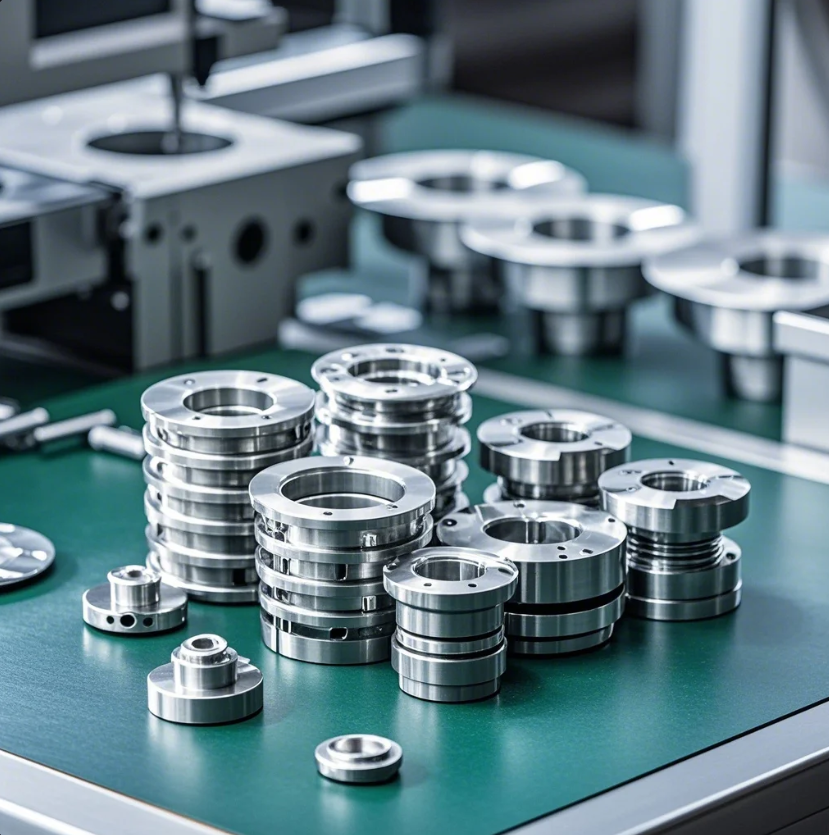
CNC Machining for Stainless Steel Parts
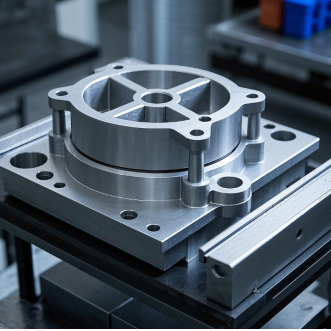
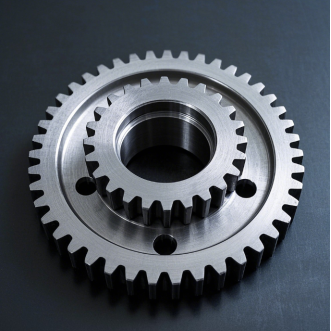
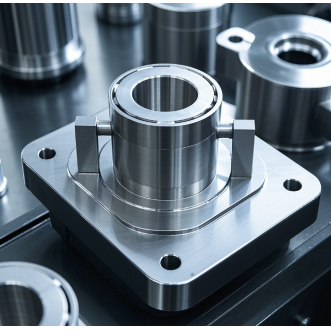
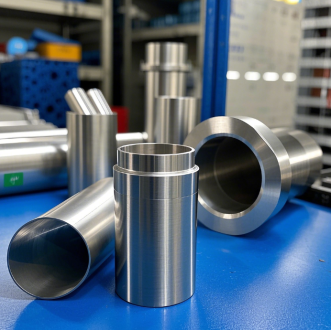
CNC Machining for Stainless Steel Parts is one of the most important manufacturing methods used in modern industry. It helps produce strong, precise, and durable components used in many fields such as automotive, construction, medical devices, and food processing equipment. Because stainless steel is resistant to corrosion and wear, it is widely chosen for parts that must perform in harsh or hygienic environments.
This article explains the significance, process, benefits, challenges, and quality control methods of CNC machining stainless steel parts in a clear and practical way.
The Significance of Stainless Steel Parts and CNC Machining
Stainless steel parts are widely used because they offer excellent corrosion resistance, high strength, and good hygiene performance. These properties make them essential in industries like construction, automotive, medical, marine, and food processing.
CNC (Computer Numerical Control) machining plays a key role in manufacturing these parts with high accuracy. By using programmed machines, manufacturers can produce complex stainless steel components with consistent quality and tight tolerances.
CNC-machined stainless steel parts help ensure product safety, reliability, and long service life in demanding applications such as surgical tools, engine components, and industrial valves.
Advantages of CNC Machining for Stainless Steel Parts
High Precision Manufacturing
One of the biggest advantages of CNC machining for stainless steel parts is high precision. CNC machines follow digital instructions to produce parts with very tight tolerances. This is especially important in industries where even small errors can affect performance.
For example, stainless steel medical implants must be manufactured with extreme accuracy to ensure a perfect fit inside the human body. CNC machining makes this level of precision possible and reliable.
Complex Geometries and Customization
CNC machining allows manufacturers to create complex shapes that would be difficult or impossible using traditional methods. This makes it ideal for custom-designed stainless steel parts.
For instance, in architecture, uniquely shaped stainless steel structural connectors can be produced to match modern building designs. CNC technology helps turn these complex ideas into real products with accuracy.
Material Compatibility and Optimization
Stainless steel comes in different grades, each with unique properties. CNC machining works well with these grades and can be adjusted for optimal results.
For example, in food-processing equipment, a corrosion-resistant stainless steel grade can be selected and precisely machined to ensure hygiene and durability. This improves both product safety and lifespan.
Process of CNC Machining Stainless Steel Parts
Design and CAD/CAM Programming
The process begins with CAD (Computer-Aided Design), where engineers create a 3D model of the stainless steel part. This model defines size, shape, and functional requirements.
Next, CAM (Computer-Aided Manufacturing) software converts the design into machine instructions. These instructions include toolpaths, cutting speeds, and feed rates.
For example, an automotive stainless steel bracket may require special programming to ensure smooth curves and precise hole placement for assembly.
Material Selection and Preparation
Choosing the correct stainless steel grade is critical. Different grades vary in strength, corrosion resistance, and machinability.
Before machining, the material is cut to size and may undergo heat treatment such as annealing to reduce internal stress. This improves machinability and reduces the risk of deformation during cutting.
For high-strength stainless steel, slower cutting speeds and stronger tools are often required to maintain accuracy and tool life.
Machining Operations
Milling
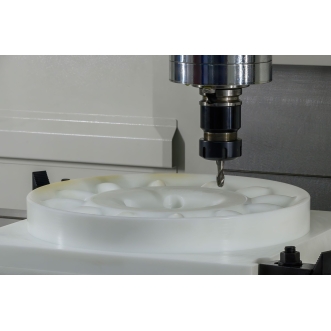
Milling is used to create flat surfaces, slots, and complex 3D shapes. Carbide tools are commonly used due to stainless steel’s hardness.
Lower cutting speeds and controlled feed rates help reduce tool wear and improve surface finish.
Turning
Turning is used for cylindrical parts. The stainless steel workpiece rotates while a cutting tool shapes it.
Precision is essential to maintain concentricity and smooth surface quality, especially for shafts and connectors.
Drilling
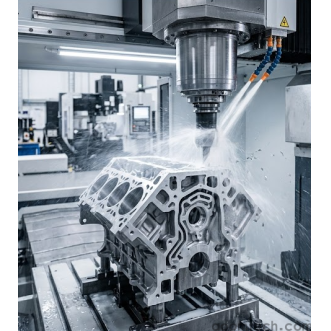
Drilling creates holes in stainless steel parts using high-speed steel or carbide drill bits. Coolant is essential to reduce heat and prevent tool damage.
Proper feed pressure helps avoid rough edges and ensures accurate hole placement.
Finishing Operations
After machining, finishing processes improve performance and appearance. These may include polishing, passivation, or protective coating.
For example, passivated stainless steel parts have improved corrosion resistance, making them suitable for marine and medical applications.
Benefits of CNC-Machined Stainless Steel Parts
Enhanced Performance and Durability
Benefits of CNC-machined stainless steel parts include high durability and long service life. Precision machining ensures proper fit and function, reducing wear and failure.
For example, stainless steel valves in industrial pipelines can operate reliably for years under harsh conditions.
Cost-Effectiveness for Medium to Large Batches
CNC machining becomes cost-effective when producing medium or large quantities. Once the program is set, production becomes efficient and material waste is reduced.
Manufacturers can achieve lower unit costs while maintaining consistent quality across all parts.
Consistent Quality and Reliability
Because CNC machines follow the same programmed instructions, every part produced is nearly identical. This ensures high consistency and reduces defects.
For example, stainless steel fasteners used in construction projects maintain uniform dimensions, making assembly easier and safer.
Challenges in CNC Machining Stainless Steel Parts
Tool Wear and Breakage
Challenges in CNC machining stainless steel parts include rapid tool wear. Stainless steel is strong and tough, which can quickly dull cutting tools.
For example, carbide cutters may need frequent replacement when machining high-strength stainless steel, increasing production costs.
Heat Generation and Distortion
Machining stainless steel generates heat, which can cause thermal distortion and affect accuracy.
To reduce this problem, manufacturers use coolant systems, optimized cutting speeds, and stress-relief treatments.
Meeting Stringent Quality Standards
Industries such as medical and aerospace require strict standards for precision and safety. Meeting these requirements can be challenging and requires strong quality control systems.
Manufacturers often need advanced inspection tools and strict process control to ensure compliance.
Ensuring Quality in CNC Machining of Stainless Steel Parts
Inspection and Testing
Ensuring quality in CNC machining of stainless steel parts requires regular inspection during and after production. Measurements are checked to confirm accuracy and surface quality.
If any deviation is found early, adjustments can be made before final production continues, reducing waste and defects.
Quality Control Systems
A strong quality control system includes standard procedures, calibrated measuring tools, and inspection checkpoints throughout the process.
This ensures that every stainless steel part meets required specifications and performance standards.
Skilled Workforce and Training
Experienced operators and engineers play a major role in maintaining quality. Regular training helps workers understand new tools, materials, and machining techniques.
For example, skilled operators can adjust cutting conditions for difficult stainless steel grades, improving both efficiency and final quality.
Conclusion: Mastering CNC Machining for High-Quality Stainless Steel Parts
CNC Machining for Stainless Steel Parts is essential for producing strong, precise, and durable components used across many industries. It offers clear advantages such as high precision, design flexibility, and consistent quality, while also presenting challenges like tool wear and heat management.
By understanding the full process—from design and material selection to machining and quality control—manufacturers can achieve reliable and cost-effective results.
In summary, success in stainless steel CNC machining depends on proper planning, skilled operation, and strict quality control. These factors ensure high-performance parts that meet modern industrial demands.
RELATED PRODUCTS
-
Medical Brass CNC Machining Parts
-
Precision CNC Machining PEEK Services
-
Precision Custom CNC Machined Car Parts
-
cnc machining optical housings
-
Precision CNC Casting Machining Services
-
Precision Gear CNC Machining Services
-
Precision Stainless Steel Parts CNC Mach
-
CNC Machining of Precision Aluminum Tube
-
CNC Machining of Large Precision Aluminu
-
CNC Machining & Manufacturing of Pre