CNC Machining Gears
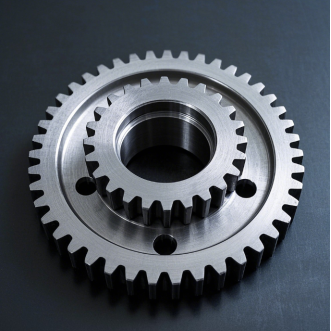
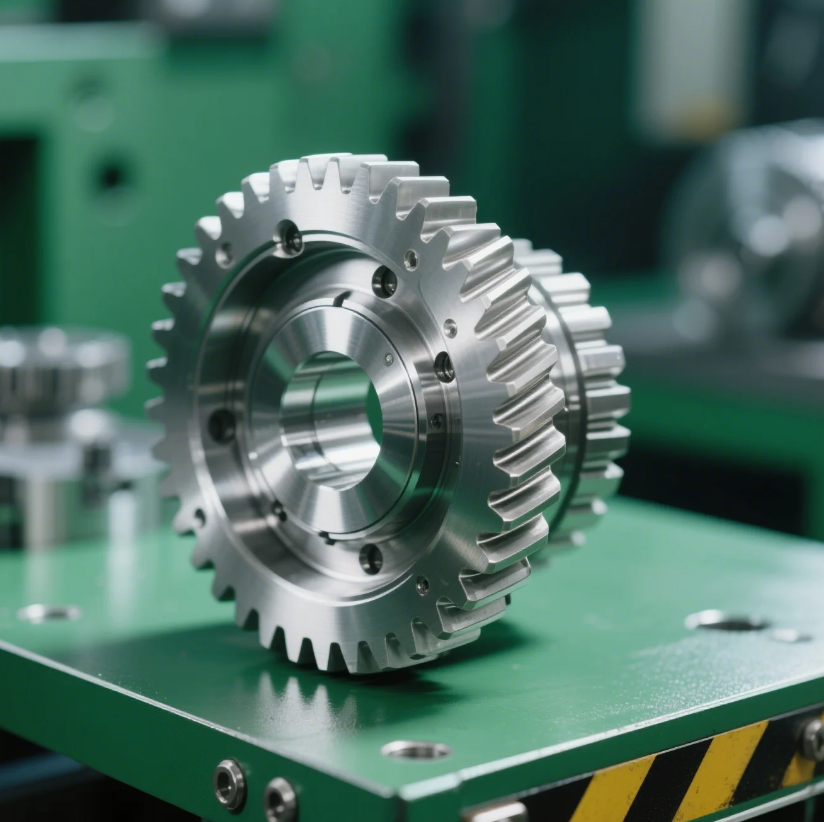
CNC Machining Gears is a modern manufacturing method used to produce highly precise gears for machines, vehicles, and industrial systems. Gears are essential parts that transfer power and control motion in mechanical systems. Without accurate gears, machines can become noisy, inefficient, or even fail. CNC (Computer Numerical Control) machining has greatly improved how gears are made, making production more accurate, repeatable, and efficient.
Today, CNC-machined gears are widely used in automotive, aerospace, and industrial machinery. They help ensure smooth operation, long service life, and reliable performance across many applications.
The Importance of CNC Machining for Gears
Precision and Accuracy
The importance of CNC machining for gears lies mainly in its ability to achieve extremely high precision. CNC machines follow computer-controlled instructions, allowing manufacturers to produce gear teeth with very tight tolerances in tooth profile, pitch diameter, and spacing.
This precision is critical because gears must mesh perfectly. Even a small error can cause vibration, noise, heat generation, and faster wear. For example, in a high-speed automotive transmission, CNC-machined gears ensure smooth gear shifting and efficient power transfer, improving both performance and driving comfort.
Complex Gear Designs
CNC technology also makes it possible to manufacture complex gear types that are difficult or impossible to produce manually. These include helical gears, bevel gears, worm gears, and custom tooth profiles.
For instance, a specialized robotic system may require a custom bevel gear with unique angles to fit a compact design. CNC machining can accurately reproduce this geometry based on a digital design, ensuring perfect function in demanding applications.
Process of CNC Machining Gears
Design and Programming
The process of CNC machining gears starts with design using CAD (Computer-Aided Design) software. Engineers define key parameters such as number of teeth, module, pressure angle, and helix angle. This digital model represents the final gear structure.
Next, CAM (Computer-Aided Manufacturing) software converts the design into CNC code. This code controls toolpaths, cutting speed, spindle rotation, and feed rates.
For example, when producing a complex helical gear for an industrial gearbox, programmers must carefully calculate tool movements to maintain consistent tooth angles along the spiral surface. Machines from leading manufacturers such as Haas Automation or DMG MORI are often used for such precision work.
Material Selection and Preparation
Choosing the right material is essential for gear performance. Common materials include alloy steel, stainless steel, brass, and aluminum. Each material offers different strength, hardness, and wear resistance.
For heavy-duty applications, alloy steel is often used due to its high strength. However, its hardness also increases tool wear during machining. This means stronger cutting tools, such as carbide tools, must be used.
Before machining, materials may be cut to size, heat-treated, or pre-shaped to improve efficiency and performance.
Machine Setup and Tooling
During machine setup, the gear blank is fixed onto a fixture such as a chuck or mandrel. Stability is very important to ensure machining accuracy.
Special tools like hobs (for spur and helical gears) or milling cutters (for bevel gears) are selected. In large-scale production, companies like Gleason Corporation provide advanced gear-cutting systems and tooling solutions.
Tool condition must be monitored carefully. Worn or damaged tools can reduce accuracy and affect the final gear quality.
Machining Operations
Gear Hobbing: This is one of the most common methods for producing spur and helical gears. A rotating hob cuts the gear teeth gradually. Speed, feed rate, and cutting depth must be controlled carefully to ensure accuracy.
Milling for Bevel Gears: Bevel gears are produced using face milling cutters. Because of their conical shape, precise angle control is required to ensure correct tooth alignment.
Finishing Operations: After rough cutting, finishing processes like gear shaving or grinding are used. Gear grinding is especially important for high-precision systems such as aerospace gearboxes, where extremely smooth surfaces are required.
Quality Control and Inspection
Quality control ensures every gear meets strict standards. Tools such as gear tooth calipers, pitch gauges, and Coordinate Measuring Machines (CMM) are used for inspection.
Standards such as ISO 1328 are often followed to measure gear accuracy. If a deviation is detected in tooth profile, the CNC program or machining parameters are adjusted to correct the issue.
Benefits of CNC-Machined Gears
Enhanced Performance
The benefits of CNC-machined gears include improved efficiency and performance. High precision reduces friction and energy loss, allowing machines to operate smoothly.
For example, in an industrial gearbox, CNC-machined gears can significantly reduce energy waste and heat generation, improving overall system efficiency.
Consistent Quality
CNC machining ensures that every gear produced is identical. This consistency is important for mass production, where interchangeable parts are required.
Manufacturers rely on CNC systems to ensure that each gear performs exactly the same, reducing maintenance issues and improving reliability.
Customization Possibilities
CNC technology also allows fast customization. Engineers can design and produce small batches of specialized gears for unique applications.
For example, a prototype machine may require a custom gear design that is not available in standard catalogs. CNC machining makes it possible to produce this part quickly and accurately.
Challenges in CNC Machining Gears
Complex Gear Geometry Machining
One of the main challenges in CNC machining gears is working with complex geometries such as hypoid or non-standard gears. These designs require advanced programming skills and deep technical understanding.
Even small errors in programming can lead to improper gear meshing or failure during operation.
Tool Wear and Breakage
Gear machining often involves hard materials, which causes significant tool wear. Cutting tools may need frequent replacement, especially in large production runs.
To reduce wear, manufacturers use carbide-tipped tools and cutting fluids that reduce heat and friction.
Cost of High-Precision Machining
High-precision gear manufacturing can be expensive due to advanced machines, tooling, and inspection systems.
Companies must balance production cost with performance requirements. In some cases, lower-cost machining methods may be used for less critical applications.
Applications of CNC-Machined Gears
Automotive Industry
The applications of CNC-machined gears in the automotive industry include transmissions, differentials, and engine timing systems. These gears ensure smooth driving performance and fuel efficiency.
For example, CNC-machined transmission gears help improve gear shifting smoothness and reduce noise in modern vehicles.
Aerospace Industry
In aerospace systems, gears must perform under extreme conditions such as high speed and temperature changes. CNC machining ensures the required precision and reliability.
Aircraft engines and landing systems rely on high-strength gears that meet strict safety standards.
Industrial Machinery
CNC-machined gears are widely used in conveyor systems, printing machines, and manufacturing equipment.
For example, conveyor systems depend on precise gears to maintain smooth and continuous movement in production lines.
Conclusion: The Future of CNC Machining Gears
CNC Machining Gears plays a vital role in modern manufacturing. It provides high precision, design flexibility, and consistent quality for a wide range of industries. From automotive systems to aerospace engineering, CNC-machined gears ensure reliable performance and long service life.
However, challenges such as tool wear, complex geometry, and cost must still be managed carefully. With continuous improvements in CNC technology, software, and tooling, the future of gear manufacturing will become even more efficient and accurate.
Manufacturers, engineers, and designers are encouraged to explore how CNC machining can optimize their gear production processes, improve efficiency, and support innovation in mechanical system design.
RELATED PRODUCTS
-
Medical Brass CNC Machining Parts
-
Precision CNC Machining PEEK Services
-
Precision Custom CNC Machined Car Parts
-
cnc machining optical housings
-
Precision CNC Casting Machining Services
-
Precision Gear CNC Machining Services
-
Precision Stainless Steel Parts CNC Mach
-
CNC Machining of Precision Aluminum Tube
-
CNC Machining of Large Precision Aluminu
-
CNC Machining & Manufacturing of Pre