CNC Machining Non-standard Parts
Introduction to CNC Machining Non-standard Parts
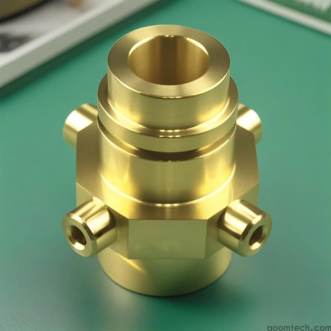
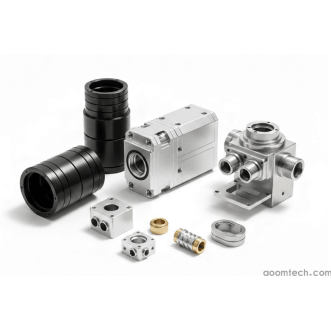
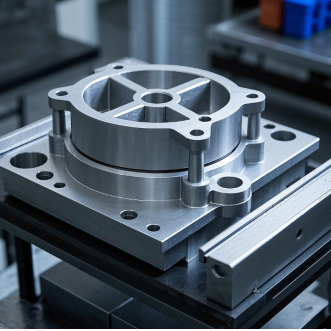
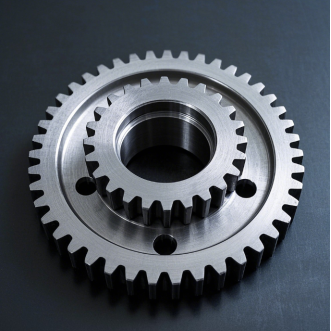
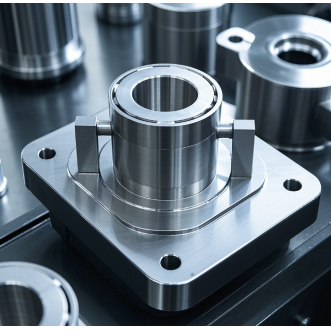
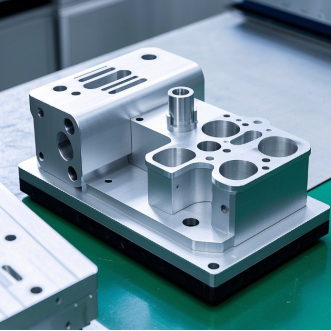
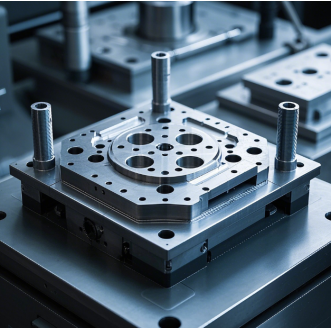
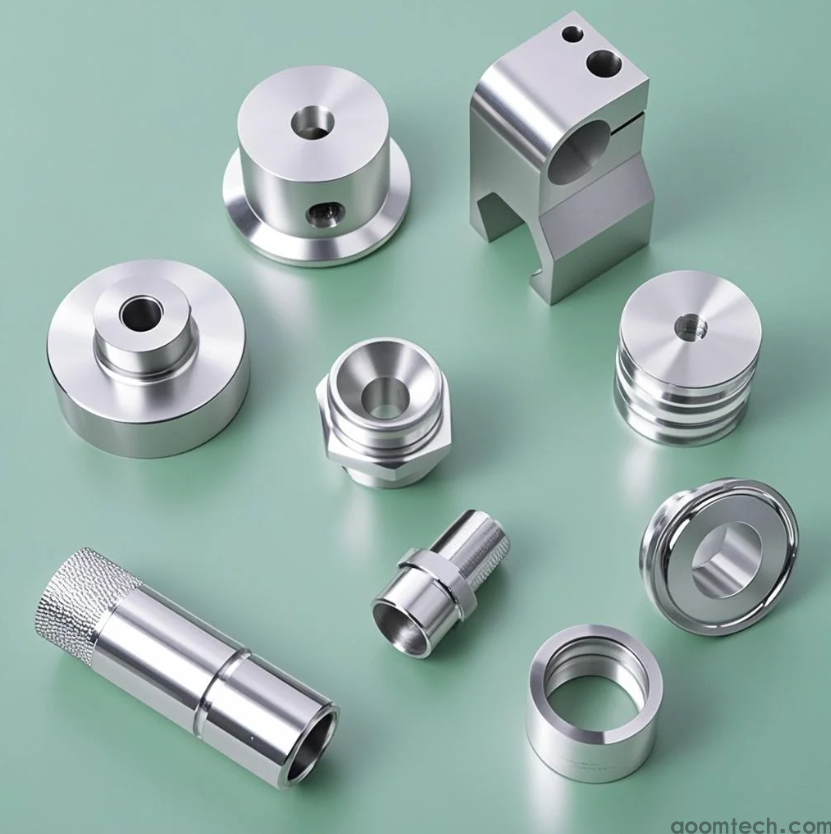
CNC Machining Non-standard Parts refers to the process of manufacturing custom, non-regular components using Computer Numerical Control (CNC) technology. Unlike standard parts that follow fixed industry sizes or shapes, non-standard parts are designed for specific applications and often have unique geometries, tolerances, or performance requirements.
These parts are essential in modern manufacturing because many advanced systems cannot rely on off-the-shelf components. Industries such as aerospace, medical, robotics, and custom machinery depend heavily on tailored components to achieve precision, performance, and safety.
For example, in aerospace engineering, non-standard parts may include custom brackets, structural connectors, or airflow components designed for a new aircraft model. In the medical field, they can include patient-specific surgical tools or customized implants that must match exact anatomical requirements. In custom machinery manufacturing, these parts ensure machines are built for specialized production tasks that standard components cannot support.
The Importance of CNC Machining Non-standard Parts
The significance of CNC machining non-standard parts lies in its flexibility and precision. CNC systems allow manufacturers to produce complex shapes with tight tolerances that would be extremely difficult or impossible using traditional machining methods.
Another major advantage is repeatability. Even though each non-standard part may be unique in design, CNC machines can reproduce them accurately once the program is created. This ensures consistency in performance and quality.
Additionally, CNC machining reduces development time for prototypes and custom components, helping companies innovate faster and respond quickly to market demands.
Process of CNC Machining Non-standard Parts
Design and Engineering
The process of CNC machining non-standard parts begins with detailed design and engineering. Engineers use CAD (Computer-Aided Design) software to build a 3D model of the part. This model defines dimensions, tolerances, and functional requirements.
During this stage, manufacturability is also considered. The CNC machining team may review the design to ensure tool access, structural integrity, and efficient production. Adjustments are often made to avoid machining difficulties or unnecessary cost increases.
Accurate design is critical. Even minor errors can result in poor fitting, reduced performance, or complete part failure, especially in high-precision industries.
Material Selection
Material selection plays a key role in the success of non-standard part production. The choice depends on the application environment, mechanical load, and chemical exposure.
Aluminum alloys – lightweight, easy to machine, widely used in aerospace and electronics.
Stainless steel – high strength and corrosion resistance, commonly used in medical and industrial equipment.
Titanium alloys – excellent strength-to-weight ratio, ideal for aerospace and medical implants.
Engineering plastics – used for insulation, lightweight structures, and non-load-bearing components.
Harder materials may require slower machining speeds and specialized cutting tools, which can affect cost and production time.
CNC Programming
Once the design is finalized, engineers use CAM (Computer-Aided Manufacturing) software to convert the 3D model into machine instructions. This step is known as CNC programming.
The program includes toolpaths, spindle speeds, feed rates, and cutting depths. For non-standard parts with complex geometry, programming becomes more advanced and requires experienced engineers.
Incorrect programming can lead to machining errors such as over-cutting, under-cutting, or tool collisions, which can damage both the part and the machine.
CNC Machining Operations
Milling
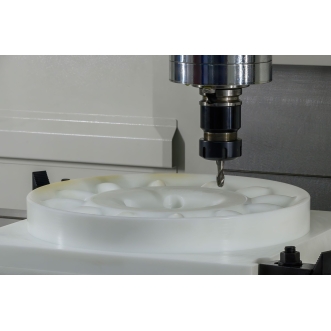
Milling is one of the most common operations in CNC machining non-standard parts. A rotating cutting tool removes material to create flat surfaces, grooves, pockets, and complex 3D shapes.
Carbide end mills are often used due to their durability and precision. Cutting parameters such as spindle speed, feed rate, and depth of cut must be carefully adjusted based on material type and geometry.
For complex shapes, high-speed machining may be used to achieve smoother surface finishes, although it requires careful heat and tool wear control.
Turning
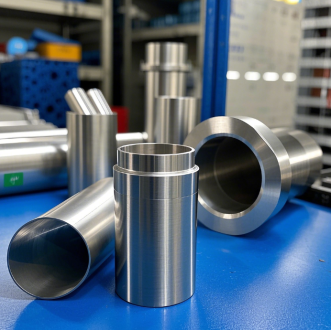
Turning is used for producing cylindrical or rotational components. The workpiece rotates while a cutting tool shapes its outer or inner surface.
Precision is critical in turning non-standard parts, especially when concentricity and tight tolerances are required. Carbide inserts are commonly used for stable performance.
Proper control of spindle speed and feed rate helps prevent vibration (chatter) and ensures a smooth finish.
Drilling and Boring
Drilling is used to create holes, while boring refines or enlarges existing holes to achieve higher accuracy. These operations are essential in non-standard parts where precise alignment is required.
Micro-drills may be used for very small features, especially in electronics or medical applications. Accurate hole positioning is critical, as even small deviations can affect assembly and functionality.
Quality Control
Quality control is essential in CNC machining non-standard parts due to their customized nature. Manufacturers use both in-process and final inspections to ensure accuracy and performance.
Common tools include calipers, micrometers, surface roughness testers, and coordinate measuring machines (CMMs). These instruments verify dimensions, geometry, and surface finish.
If deviations are detected, machining parameters are adjusted immediately to maintain consistency and avoid mass production of defective parts.
Challenges in CNC Machining Non-standard Parts
Complex Geometries
One of the biggest challenges in CNC machining non-standard parts is handling complex geometries. Intricate shapes may include internal cavities, curved surfaces, or multi-angle structures.
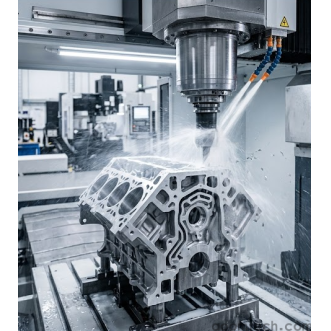
To solve this, manufacturers often use multi-axis CNC machines such as 4-axis or 5-axis systems. These machines allow simultaneous movement of tools and workpieces, enabling access to difficult machining areas.
Tool Wear and Breakage
Tool wear is a common issue, especially when machining hard materials or complex designs. Non-standard parts often require longer machining cycles, increasing tool stress.
Using high-quality coated tools, monitoring wear regularly, and optimizing cutting parameters can significantly reduce tool failure risks.
Cost and Time Management
Custom manufacturing can be expensive due to design complexity, setup time, and material requirements. Estimating cost and production time is often challenging.
To manage this, manufacturers focus on design optimization, efficient material usage, and clear communication with clients. Planning buffer time also helps avoid delays caused by unexpected machining issues.
Choosing a CNC Machining Service for Non-standard Parts
Experience and Expertise
When choosing a CNC machining service for non-standard parts, experience is one of the most important factors. A provider with a strong background in custom machining is more likely to handle complex requirements successfully.
Clients should review case studies, industry experience, and technical capabilities. A skilled engineering team can also help optimize designs for better manufacturability and lower cost.
Quality Assurance System
A reliable service provider must have a strong quality assurance system. This includes in-process inspection, final testing, and documented quality procedures.
High-precision equipment such as CMMs ensures that every non-standard part meets strict dimensional and performance requirements. Proper handling of non-conforming parts is also a sign of a professional manufacturer.
Cost-effectiveness and Turnaround Time
Cost is important, but it should always be balanced with quality. The cheapest option is not always the best choice for CNC machining non-standard parts.
Turnaround time is equally important, especially for prototyping and fast product development. A reliable manufacturer should provide realistic delivery schedules and maintain a strong on-time delivery record.
Conclusion
CNC machining non-standard parts plays a critical role in modern manufacturing, enabling the production of highly customized and precise components across industries. From aerospace to medical devices, these parts ensure innovation and performance where standard components fall short.
Understanding the process of CNC machining non-standard parts, recognizing the challenges in CNC machining non-standard parts, and knowing how to evaluate a choosing a CNC machining service for non-standard parts strategy are essential for achieving high-quality results.
By selecting the right materials, optimizing design, and working with an experienced machining partner, businesses can significantly improve product quality, reduce costs, and accelerate development cycles.
RELATED PRODUCTS
-
Medical Brass CNC Machining Parts
-
Precision CNC Machining PEEK Services
-
Precision Custom CNC Machined Car Parts
-
cnc machining optical housings
-
Precision CNC Casting Machining Services
-
Precision Gear CNC Machining Services
-
Precision Stainless Steel Parts CNC Mach
-
CNC Machining of Precision Aluminum Tube
-
CNC Machining of Large Precision Aluminu
-
CNC Machining & Manufacturing of Pre