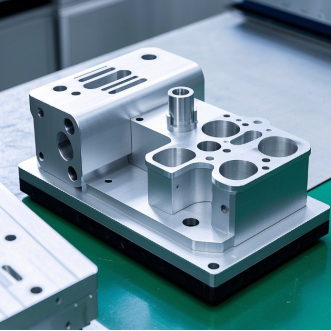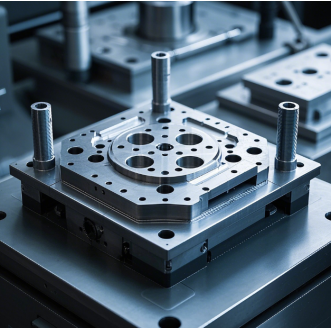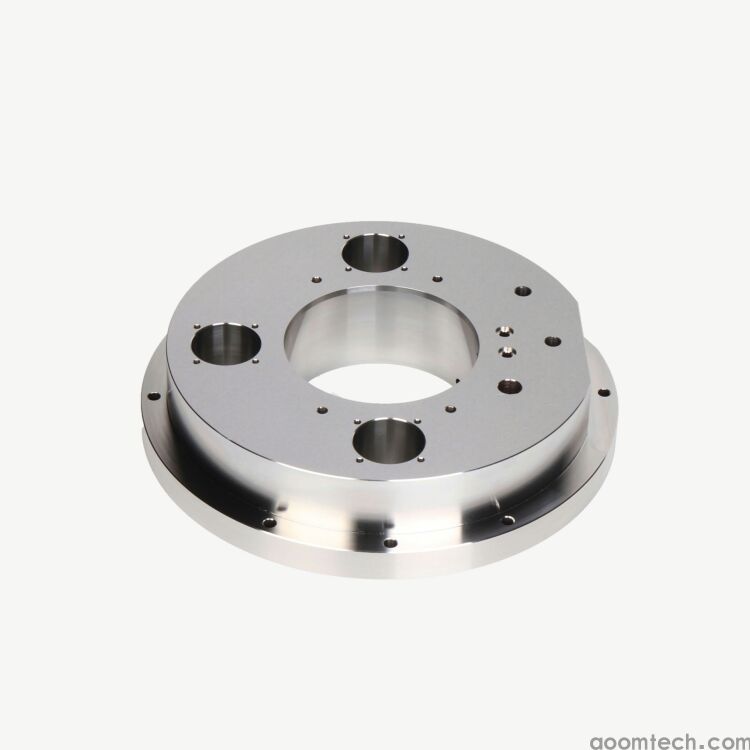
CNC Machining of Flange Joints
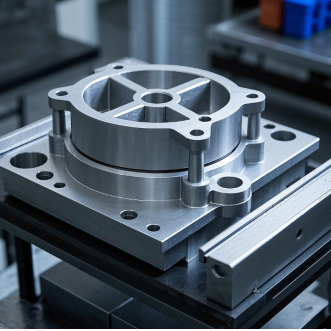
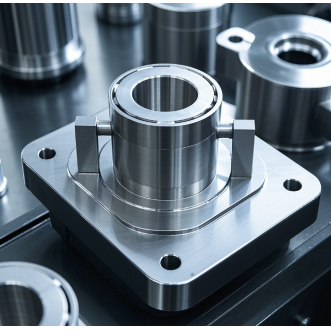
CNC Machining of Flange Joints is a key manufacturing process used to produce precise and reliable components for piping systems. Flange joints are widely used in industries such as oil and gas, water treatment, chemical processing, and general manufacturing. Because these systems often carry high pressure or corrosive fluids, even a small machining error can lead to leakage, safety risks, or system failure. This is why CNC (Computer Numerical Control) machining is essential for modern flange production.
Introduction to Flange Joints and CNC Machining
Flange joints are mechanical connectors used to join pipes, valves, pumps, and other equipment. They create a strong and removable connection that allows maintenance and inspection without cutting the pipe system.
CNC machining ensures that each flange is produced with high accuracy and consistency. In real-world applications such as oil pipelines, well-machined flange joints help prevent oil leakage, protect the environment, and ensure smooth transportation of resources over long distances. Without precise machining, even minor surface defects can lead to seal failure under pressure.
The CNC Machining Process for Flange Joints
Design Phase
The CNC machining process for flange joints begins with detailed engineering design. Designers use CAD (Computer-Aided Design) software to build a 3D model of the flange.
During this stage, engineers define important parameters such as:
Type of flange (weld neck, slip-on, blind, threaded, etc.)
Outer diameter and thickness
Bolt hole pattern and spacing
Operating pressure and temperature conditions
Accurate design is critical. For example, if the bolt hole pattern is incorrect, the flanges will not align properly during assembly, causing installation failure or leakage risks.
Material Selection
Material selection in flange joint CNC machining plays a major role in product performance and durability. The chosen material must match the working environment and fluid characteristics.
Common materials include:
Carbon steel: Used in low-pressure and non-corrosive environments due to its affordability and strength.
Stainless steel: Offers strong corrosion resistance, widely used in food processing, marine, and chemical industries.
Alloy steel: Suitable for high-temperature and high-pressure applications.
PVC and PTFE: Used for non-metallic and chemical-resistant systems.
Each material affects machining conditions. For example, stainless steel requires slower cutting speeds and stronger cutting tools compared to carbon steel due to its hardness and heat resistance.
CNC Programming
After design completion, the CAD model is converted into a CNC program using CAM (Computer-Aided Manufacturing) software. This step defines how the machine will cut and shape the flange.
The CNC program includes:
Toolpaths for machining operations
Spindle speed and feed rate
Cutting depth and step-over values
Tool change instructions
Precision in programming is essential. Incorrect toolpaths can result in uneven flange faces or incorrect dimensions, which directly affect sealing performance.
Machine Setup and Tooling
Before machining begins, the CNC machine must be properly configured. This includes selecting tools, installing fixtures, and setting workholding systems.
Typical tools used in flange machining include:
End mills for surface finishing
Drills for bolt holes
Boring tools for precision hole enlargement
Correct setup ensures stability and accuracy. Poor tooling selection may cause vibration, tool wear, or dimensional errors, reducing flange quality.
Machining Operations
Milling
Milling is used to create flat and smooth flange faces. A rotating cutting tool removes material layer by layer.
For hard materials like alloy steel, carbide end mills are commonly used. A slower feed rate is often applied during the final pass to achieve a smooth sealing surface.
Drilling
Drilling is used to create bolt holes. Accuracy is extremely important because bolt holes must align perfectly during assembly.
Incorrect hole positioning can lead to uneven clamping force and poor sealing performance, especially in large-diameter flanges.
Boring
Boring operations are used when high precision hole finishing is required. This ensures that internal diameters meet strict tolerance requirements for pipe fitting.
Quality Control in Flange Joint Machining
Quality control is one of the most important stages in flange manufacturing. Because flange joints are used in high-pressure systems, even small defects can cause serious problems.
Quality control includes both in-process and final inspection steps:
Dimensional inspection using calipers and micrometers
Surface roughness testing for sealing performance
Flatness checks on flange faces
Bolt hole spacing verification
Tolerances are strictly controlled. For example, if a bolt hole diameter exceeds the allowed tolerance, the part may need rework or be rejected entirely.
Advantages of CNC Machining for Flange Joints
High Precision
Advantages of CNC for flange joint production include extremely high precision. CNC machines follow programmed instructions with minimal deviation, ensuring consistent results across large production batches.
This precision helps improve sealing performance, reduce leakage risks, and ensure reliable system operation in critical industries such as oil and gas.
Customization
CNC machining allows full customization of flange designs. Manufacturers can produce flanges with special dimensions, unique bolt patterns, or non-standard specifications.
This flexibility is especially useful in industries that require specialized piping systems, such as chemical plants or power generation facilities.
Efficiency in Production
Once a CNC program is created, production becomes highly automated. Machines can operate continuously with minimal manual intervention.
This improves production speed, reduces labor costs, and ensures consistent quality across all parts. It is particularly beneficial for mass production of flange joints.
Key Benefits of CNC Machining of Flange Joints
Improved dimensional accuracy and repeatability
Better surface finish for sealing performance
Reduced human error in manufacturing
Faster production cycles with automation
Ability to produce complex and custom designs
Conclusion: The Role of CNC Machining in Flange Joint Manufacturing
CNC Machining of Flange Joints plays a critical role in ensuring the safety, efficiency, and reliability of modern piping systems. From design and material selection to programming, machining, and quality control, every step contributes to the final performance of the flange.
To achieve high-quality results, manufacturers should focus on continuous improvement of machining processes, invest in operator training, and adopt advanced CNC technologies. Staying updated with modern machining practices ensures long-term competitiveness and product reliability.
In summary, understanding the CNC machining process for flange joints is essential for producing durable, precise, and high-performance components used in demanding industrial environments.
RELATED PRODUCTS
-
Medical Brass CNC Machining Parts
-
Precision CNC Machining PEEK Services
-
Precision Custom CNC Machined Car Parts
-
cnc machining optical housings
-
Precision CNC Casting Machining Services
-
Precision Gear CNC Machining Services
-
Precision Stainless Steel Parts CNC Mach
-
CNC Machining of Precision Aluminum Tube
-
CNC Machining of Large Precision Aluminu
-
CNC Machining & Manufacturing of Pre