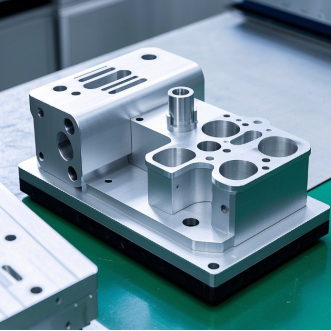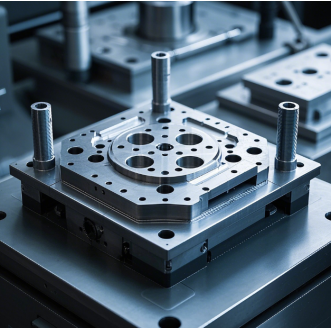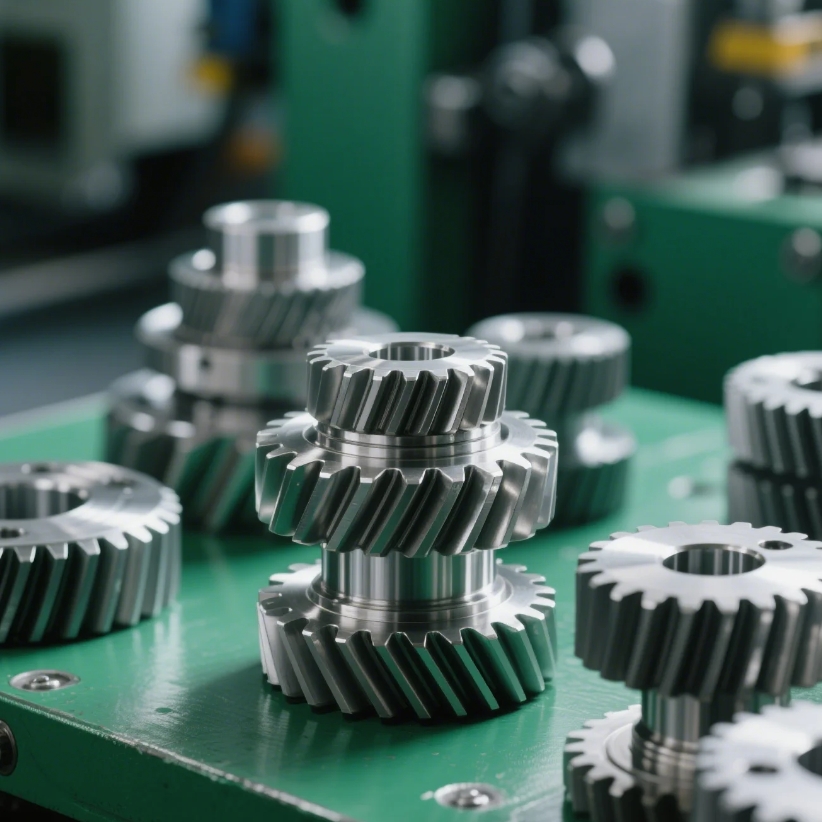
CNC Machining of Mechanical Parts
In modern manufacturing, CNC Machining of Mechanical Parts plays a key role in producing accurate, reliable, and high-performance components. CNC (Computer Numerical Control) machining uses computer-controlled machines to cut, shape, and finish metal or plastic materials into precise mechanical parts.
This technology is widely used in many industries because it improves product quality, reduces human error, and allows complex designs to be produced efficiently. In this article, we will explain the CNC Machining of Mechanical Parts in a simple way, including its significance, process, benefits, challenges, and applications.
Introduction to CNC Machining of Mechanical Parts
The production of mechanical parts is essential in engineering systems such as machines, vehicles, and industrial equipment. The significance of CNC machining for mechanical parts lies in its ability to produce highly accurate and consistent components.
CNC-machined mechanical parts improve the functionality, reliability, and performance of mechanical systems. Whether it is a small gear or a large machine component, CNC technology ensures every part meets strict quality requirements.
Significance of CNC Machining for Mechanical Parts
Precision Manufacturing
CNC machining allows mechanical parts to be produced with extremely high precision. Since the process is controlled by computer programs, it can achieve tight tolerances that are difficult to reach with manual methods.
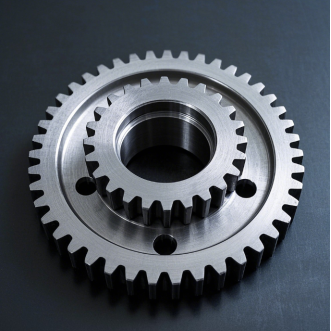
For example, in a transmission system, a CNC-machined gear ensures smooth movement and efficient power transfer. Even a tiny error in gear size could cause vibration or failure, so precision is very important.
Complex Geometry Creation
Mechanical parts are often not simple shapes. Many require internal channels, curved surfaces, or multi-axis structures. CNC machining can accurately produce these complex designs.
For instance, a custom mechanical component with internal cooling channels can be manufactured using CNC technology, ensuring both strength and functionality without compromising design accuracy.
Process of CNC Machining Mechanical Parts
Design and Programming
The process begins with CAD (Computer-Aided Design), where engineers create a 3D model of the part. After that, CAM (Computer-Aided Manufacturing) software converts the design into machine instructions.
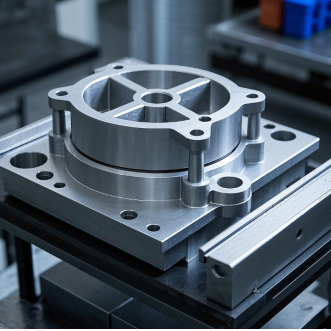
This step defines toolpaths, spindle speed, feed rate, and cutting depth. For example, a complex housing part may require multiple toolpaths and careful programming to avoid tool collisions and ensure smooth machining.
Material Selection and Preparation
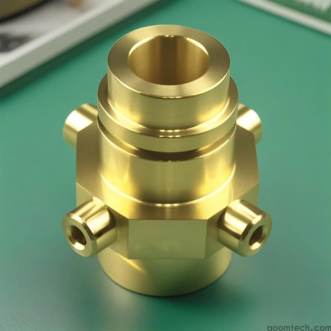
Material choice is critical in the CNC Machining of Mechanical Parts. Common materials include steel, aluminum, brass, and engineering plastics. Each material has different strength, hardness, and durability.
For example, hard steel requires stronger cutting tools and slower feed rates, while aluminum allows faster machining with less tool wear. Materials may also be cut, heat-treated, or surface-treated before machining.
Machine Setup and Tooling
In this step, the workpiece is fixed onto a machine fixture, and the correct cutting tools are installed. Proper setup ensures stability and accuracy during machining.
For irregular-shaped parts, custom fixtures are often used to hold the workpiece firmly and prevent movement during cutting.
Machining Operations
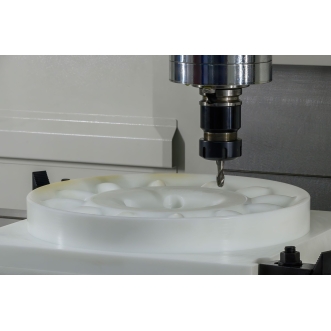
Milling: Used to create flat surfaces, slots, and complex 3D shapes. Tool speed and feed rate must be adjusted based on material hardness.
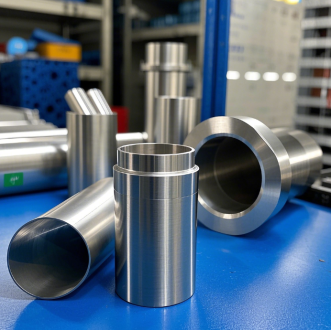
Turning: The workpiece rotates while a cutting tool shapes cylindrical parts like shafts and bushings. Precision control ensures smooth surfaces and correct dimensions.
Drilling: Used to create accurate holes. Proper coolant and feed pressure help prevent overheating and maintain accuracy.
Quality Control and Inspection
After machining, each part is inspected using calipers, micrometers, or CMM (Coordinate Measuring Machine). This ensures the part meets design specifications.
For example, if a CMM detects a dimensional error, engineers may adjust toolpaths or cutting speeds to correct the issue in future production.
Benefits of CNC-Machined Mechanical Parts
High-Quality Output
The benefits of CNC-machined mechanical parts include consistent quality and high precision. Every part produced is nearly identical, which is essential for mass production.
For example, mechanical components used in industrial machines must maintain high durability and precision to ensure long-term reliability.
Cost-Effectiveness for Medium Production
Once programming and setup are completed, CNC machines can produce multiple parts efficiently. This reduces cost per unit, especially in medium-scale production.
Manufacturers often use CNC machining to balance quality and cost in production runs that are too large for prototyping but too small for mass casting.
Design Flexibility
CNC machining allows quick design changes. Engineers can modify CAD models and update programs easily.
This flexibility supports rapid prototyping and faster product development, helping companies respond quickly to market needs.
Challenges in CNC Machining Mechanical Parts
Tool Wear and Breakage
Hard materials such as steel can cause tool wear or breakage during machining. This increases production cost and requires regular tool replacement.
Using proper cutting fluids and optimized toolpaths helps reduce tool wear and extend tool life.
Heat Generation
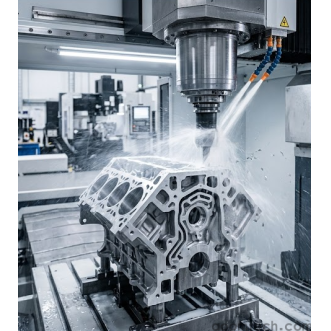
High-speed cutting generates heat, which may affect part accuracy or cause deformation. Excessive heat can also change material properties.
Cooling systems and proper cutting parameters are essential to control temperature during machining.
Complex Programming for Intricate Designs
The challenges in CNC machining mechanical parts include creating accurate programs for complex designs. Multi-axis parts require advanced programming skills and careful planning.
Even small programming errors can lead to machining defects or tool collisions.
Applications of CNC-Machined Mechanical Parts
Industrial Machinery
The applications of CNC-machined mechanical parts are widely seen in industrial machines such as lathes, presses, and milling equipment.
For example, CNC-machined spindles provide high precision and durability for heavy-duty machining operations.
Aerospace and Defense
CNC machining is essential in aerospace applications where safety and precision are critical. Aircraft engines and structural components often rely on CNC technology.
For example, titanium parts used in aircraft engines must meet strict performance and strength requirements.
Automotive Industry
In the automotive sector, CNC-machined parts are used in engines, transmissions, and suspension systems.
These components improve vehicle performance, safety, and fuel efficiency.
Conclusion: The Role of CNC Machining in Mechanical Part Production
The CNC Machining of Mechanical Parts is a core technology in modern manufacturing. It provides high precision, strong performance, and flexibility in design and production.
From the process of CNC machining mechanical parts to the applications of CNC-machined mechanical parts, this technology supports many industries including automotive, aerospace, and industrial machinery.
Although there are challenges such as tool wear, heat generation, and complex programming, the advantages far outweigh the difficulties.
Understanding CNC machining helps manufacturers, engineers, and designers improve production quality and efficiency. As technology continues to evolve, CNC machining will remain a key part of advanced manufacturing systems worldwide.
RELATED PRODUCTS
-
Medical Brass CNC Machining Parts
-
Precision CNC Machining PEEK Services
-
Precision Custom CNC Machined Car Parts
-
cnc machining optical housings
-
Precision CNC Casting Machining Services
-
Precision Gear CNC Machining Services
-
Precision Stainless Steel Parts CNC Mach
-
CNC Machining of Precision Aluminum Tube
-
CNC Machining of Large Precision Aluminu
-
CNC Machining & Manufacturing of Pre