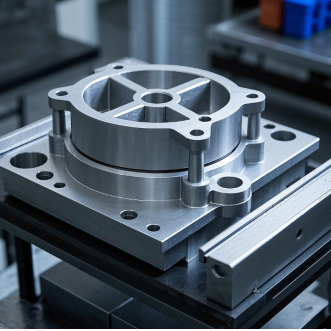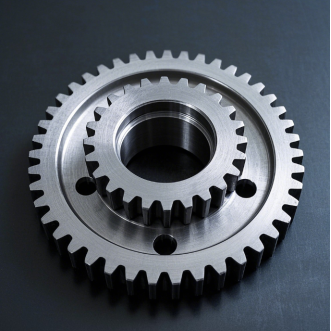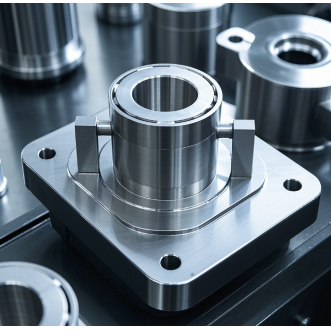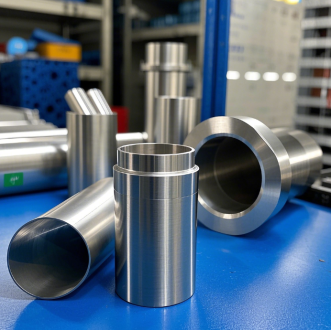
CNC Machining Parts Batch partion
Introduction to CNC Machining Parts Batch Partition
In modern manufacturing, CNC Machining Parts Batch Partition plays an important role in improving productivity, quality, and cost control. CNC (Computer Numerical Control) machining is widely used to produce precise mechanical parts, but managing large production orders can be challenging without proper planning. This is where batch partition becomes essential.
CNC machining parts batch partition means dividing a large quantity of parts into smaller, well-organized groups or batches before production. This method helps manufacturers manage workload, reduce machine setup time, and improve quality control. It also supports better planning of resources such as tools, machines, and operators.
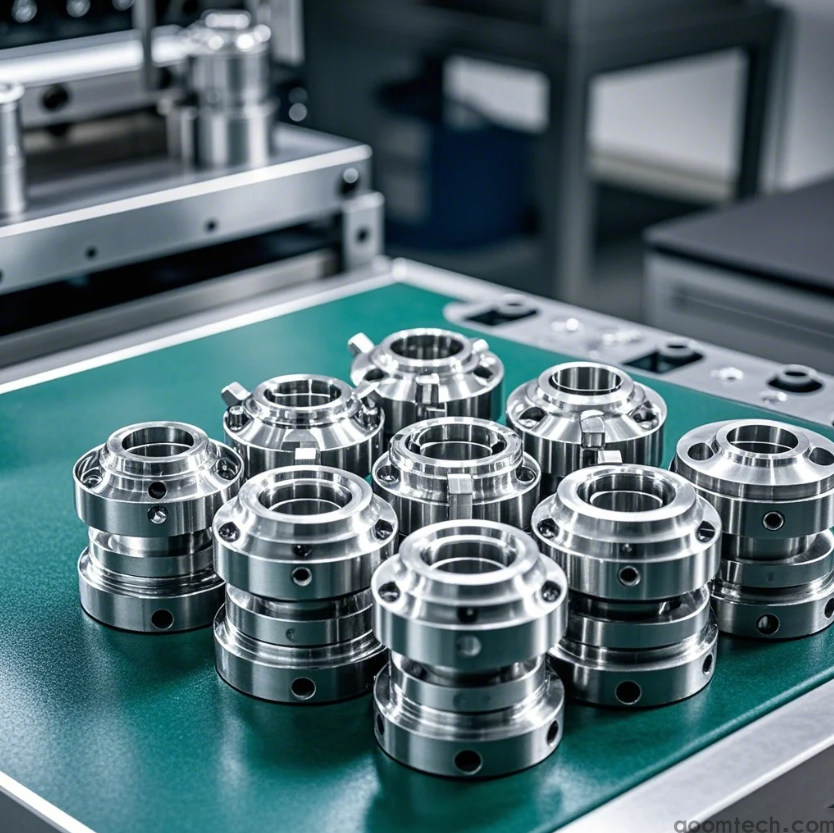
For example, instead of machining 10,000 parts in one continuous process, a factory may divide them into 10 batches of 1,000 parts. Each batch can be processed, inspected, and optimized separately, reducing risk and improving overall efficiency.
Methods of CNC Machining Parts Batch Partition
1. By Quantity
One of the most common methods of CNC machining batch partition is dividing parts based on quantity. This approach splits the total production order into equal or near-equal batches depending on machine capacity, production time, and available workforce.
For example, if a CNC machine can efficiently process 1,000 parts per setup, a 10,000-part order can be divided into 10 batches. This makes production easier to manage and reduces the risk of machine overload.
To determine optimal batch size, manufacturers consider:
Machine processing capacity
Operator workload balance
Production lead time requirements
Storage and handling limitations
2. By Part Complexity
Another important method is grouping parts by complexity. Some parts require advanced machining steps, special tools, or highly skilled operators, while others are simple and quick to produce.
By separating complex and simple parts, manufacturers can improve workflow efficiency. For example, intricate aerospace components with tight tolerances may be placed in one batch, while basic brackets or covers are placed in another.
Part complexity is usually evaluated based on:
Number of machining operations required
Precision and tolerance requirements
Tooling difficulty and setup time
Geometry complexity
3. By Material
Material-based partitioning is also widely used in CNC production. Different materials such as aluminum, steel, titanium, or plastic require different cutting speeds, tools, and cooling methods.
Grouping similar materials together improves machining stability and reduces tool wear. For example, aluminum parts can be machined in one batch using high-speed cutting, while steel parts require slower speeds and stronger tooling.
This method helps reduce tool change frequency and improves cutting efficiency.
Factors in CNC Parts Batch Partition
Machine Capacity and Capabilities
One of the most important factors in CNC parts batch partition is machine capability. CNC machines differ in size, power, axis configuration, and precision level. A 5-axis machine, for example, can handle more complex parts than a 3-axis machine.
Manufacturers must ensure that batch size matches machine performance to avoid bottlenecks or underutilization. Proper matching improves productivity and reduces machine downtime.
Tooling and Fixtures
Tool availability and fixture design strongly influence batch planning. Some tools are expensive or require long setup times, so grouping parts that use the same tools reduces cost and time.
If a specific fixture is needed for a part, it is efficient to process all similar parts in one batch to minimize repeated setup changes. Tool wear and replacement schedules must also be considered.
Production Schedule and Lead Time
Delivery deadlines directly affect batch size decisions. Urgent orders may require smaller batches for faster turnaround, while long-term projects can use larger batches for efficiency.
Balancing production speed and batch size is essential to meet customer expectations without sacrificing quality.
Benefits of CNC Machining Parts Batch Partition
Improved Efficiency
One of the main benefits of batch partition in CNC machining is improved production efficiency. By organizing parts into logical groups, machine setup time is reduced, and operators can work more smoothly.
This leads to faster production cycles and lower manufacturing costs.
Enhanced Quality Control
Smaller batches make it easier to inspect parts during and after machining. Quality issues can be identified early before large-scale production errors occur.
Manufacturers often apply statistical process control (SPC) methods to ensure consistent quality across each batch.
Greater Production Flexibility
Batch partition allows manufacturers to adjust quickly to changing customer demands. If a design change is required, only a small batch is affected, reducing waste and rework.
This flexibility is especially important in industries with fast product development cycles such as automotive and electronics.
Challenges in CNC Machining Parts Batch Partition
Complex Planning Requirements
Planning batch partition is not simple. It requires balancing machine capacity, material type, tool availability, and delivery deadlines. Without proper planning, inefficiencies may occur.
Many manufacturers use production planning software to optimize batch decisions and reduce human error.
Inventory Management Issues
Poor batch control can lead to inventory problems such as overstocking or shortages. Since different batches may finish at different times, careful tracking is needed.
An effective inventory management system helps monitor production progress and maintain accurate stock levels.
Inter-Batch Coordination
When multiple batches are part of a larger assembly, coordination becomes critical. Parts from different batches must fit together precisely.
Clear communication between production teams and regular inspection checks help ensure compatibility between batches.
Optimizing CNC Machining Parts Batch Partition
Data-Driven Decision Making
Modern manufacturers rely on data to improve batch planning. By analyzing machining time, tool wear, and defect rates, they can optimize batch size and grouping strategies.
For example, if data shows high tool wear for a specific material, smaller batches can be planned to reduce tool replacement delays.
Continuous Improvement
Continuous improvement is essential in manufacturing. Batch strategies should be reviewed regularly to adapt to new technologies, production demands, and customer requirements.
This approach helps reduce waste and improve long-term efficiency.
Training and Skill Development
Employees play a key role in successful batch partition. Proper training in CNC operation, production planning, and quality control ensures better decision-making.
Skilled operators can identify potential problems early and adjust batch strategies for better results.
Conclusion
CNC Machining Parts Batch Partition is a key strategy for modern manufacturing efficiency. It helps manufacturers improve productivity, reduce costs, and maintain consistent quality. By applying the right methods of CNC machining batch partition, considering critical factors, and focusing on continuous optimization, companies can achieve more stable and flexible production systems.
In today’s competitive manufacturing environment, effective batch partition is not just an option—it is a necessity for achieving high-quality, cost-effective CNC machining production.
RELATED PRODUCTS
-
Medical Brass CNC Machining Parts
-
Precision CNC Machining PEEK Services
-
Precision Custom CNC Machined Car Parts
-
cnc machining optical housings
-
Precision CNC Casting Machining Services
-
Precision Gear CNC Machining Services
-
Precision Stainless Steel Parts CNC Mach
-
CNC Machining of Precision Aluminum Tube
-
CNC Machining of Large Precision Aluminu
-
CNC Machining & Manufacturing of Pre