CNC Machining Service for Copper Shafts
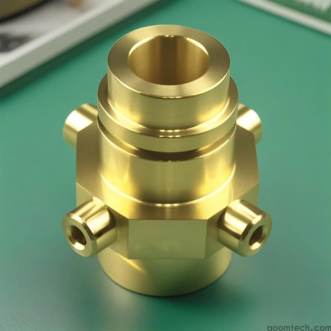
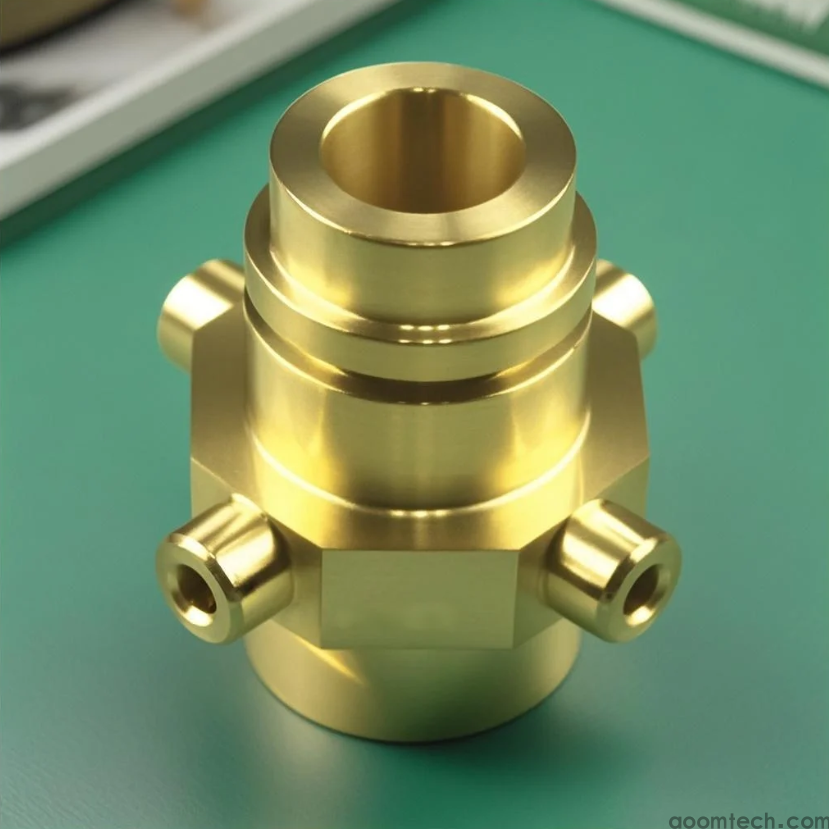
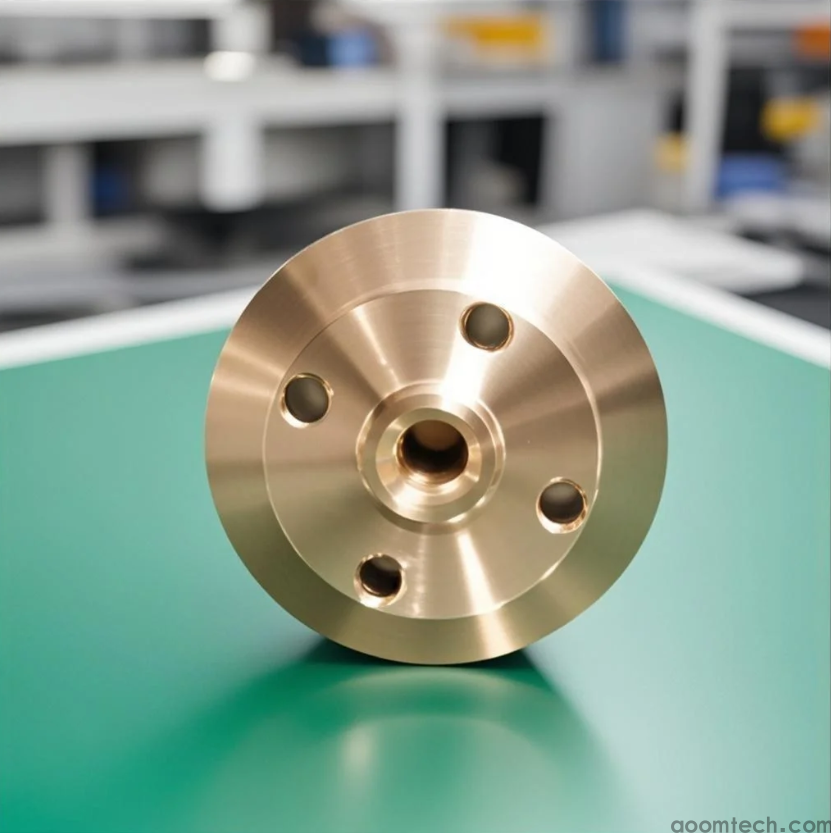
A CNC Machining Service for Copper Shafts is a specialized manufacturing solution used to produce high-precision copper shafts for industrial applications. These shafts are widely used in electrical systems, automotive components, electronics, and thermal management systems due to copper’s excellent conductivity, corrosion resistance, and machinability.
This article explains what copper shaft CNC machining involves, why it is important, the machining processes used, the types of copper materials available, common challenges, and how to choose a reliable service provider.
Introduction to CNC Machining Service for Copper Shafts
The Significance of Copper Shafts
Copper shafts are important mechanical and functional components used across many industries. Copper is valued for its excellent electrical conductivity and thermal conductivity, which makes it ideal for applications where energy transfer or heat dissipation is required.
In electrical systems, copper shafts are often used in motors and generators to support efficient electrical conduction and mechanical rotation. In automotive systems, they may be used in cooling-related components to help transfer heat. In electronics, copper shafts are commonly used in heat sinks and precision devices where temperature control is critical.
A well-manufactured copper shaft ensures stable performance, long service life, and reliable system operation.
Importance of CNC Machining for Copper Shafts
Precision Manufacturing
CNC machining enables extremely precise production of copper shafts. Shafts must often fit tightly into bearings, couplings, or rotating assemblies. Even small dimensional errors can lead to vibration, noise, or mechanical failure.
For example, in an electric motor, a precisely machined copper shaft ensures smooth rotation and efficient power transmission. Poor machining accuracy can cause imbalance, increased wear, and reduced efficiency.
Customization for Diverse Applications
CNC technology allows full customization of copper shafts based on design requirements. Different industries require different diameters, lengths, surface finishes, and geometries.
For instance, a copper shaft used in an industrial machine may require a specially shaped end for mechanical coupling, while a shaft used in electronics may need a fine surface finish to improve heat transfer efficiency.
This flexibility makes CNC machining ideal for both prototypes and mass production.
Cost-effectiveness for Batch Production
Once a CNC program is created, it can be reused to produce large batches of identical copper shafts. This reduces setup time and improves production efficiency.
In mass production, CNC machining reduces per-unit cost while maintaining consistent quality. This is especially beneficial for industries requiring thousands of identical components, such as electrical equipment manufacturing.
CNC Machining Processes for Copper Shafts
Turning
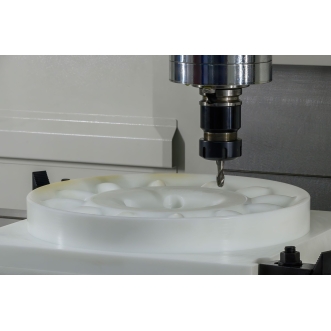
CNC turning for copper shafts is the most common machining process. In this process, the copper workpiece rotates while a cutting tool removes material to form the desired shape.
Tool selection is important because copper is soft and ductile. Sharp tools are required to avoid tearing the surface. Cutting parameters such as spindle speed, feed rate, and depth of cut must be carefully adjusted depending on whether pure copper or copper alloys are used.
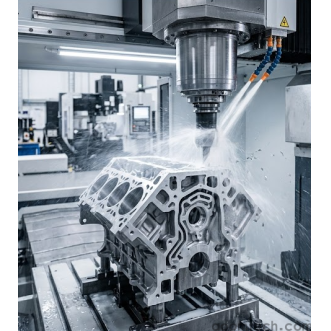
Pure copper typically requires higher spindle speeds and careful chip control because it produces long, stringy chips. Coolant systems and chip breakers are often used to maintain smooth machining and protect tool life.
Drilling and Boring
Drilling is used to create holes in copper shafts for assembly, fastening, or fluid passage. Boring is used to refine and enlarge these holes with high accuracy.
Precision is essential because misaligned or incorrectly sized holes can affect assembly performance. Using correct drill geometry and stable feed rates helps reduce tool breakage and improves dimensional accuracy.
Threading
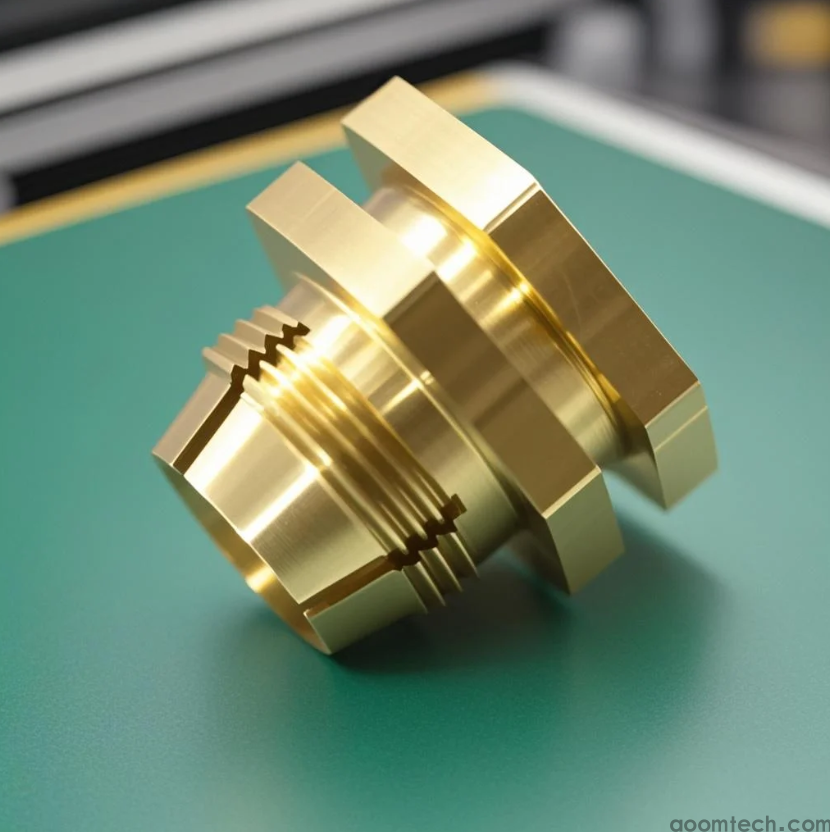
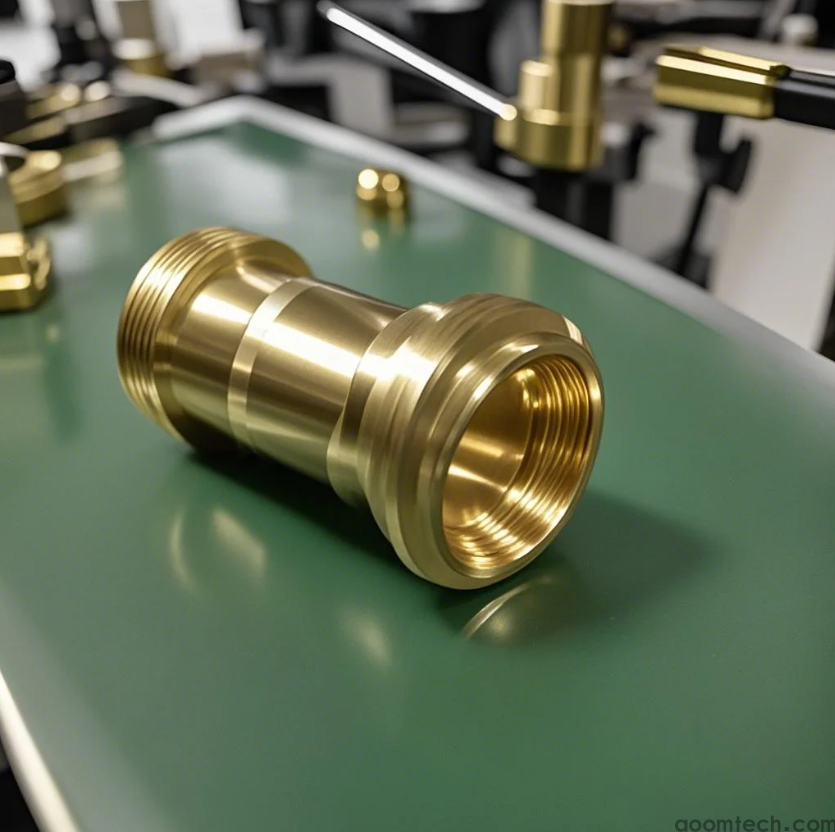
Threading is used to create internal or external threads on copper shafts. These threads allow the shaft to connect with other components in mechanical systems.
Single-point threading tools or thread taps are commonly used. Accurate pitch control and tool alignment are essential to ensure strong and reliable threaded connections, especially in applications like plumbing or mechanical assemblies.
Types of Copper Used in Shaft CNC Machining
Pure Copper
Pure copper is widely used due to its excellent electrical and thermal conductivity. It is commonly found in electrical motors, generators, and electronic devices.
However, pure copper is relatively soft, which makes it challenging to machine. It can cause tool deflection and poor chip control. To improve machining quality, manufacturers use sharp carbide tools, optimized cutting speeds, and effective cooling systems.
Copper Alloys
types of copper in shaft CNC machining include copper alloys such as brass and bronze.
Brass (Copper-Zinc Alloy): Offers good machinability and corrosion resistance. Commonly used in plumbing and decorative components.
Bronze (Copper-Tin Alloy): Known for high wear resistance and strength. Suitable for heavy-duty mechanical applications.
Copper alloys are generally harder than pure copper, so machining parameters must be adjusted accordingly. However, they often provide better mechanical performance for demanding applications.
Challenges in CNC Machining of Copper Shafts
Chip Formation and Control
Copper often produces long, continuous chips that can wrap around tools or workpieces. This can affect machining efficiency and surface quality.
Solutions include using chip-breaking tools, optimizing cutting speeds, and applying coolant systems to remove chips effectively.
Tool Wear
Although copper is soft, continuous machining can still cause tool wear. Poor tool condition can reduce accuracy and surface finish quality.
Using high-quality carbide tools, monitoring tool wear regularly, and replacing tools on time are essential for stable production.
Surface Finish
Achieving a smooth surface finish is critical for copper shafts, especially in electrical or thermal applications. A rough surface can reduce performance or increase friction.
Improving surface finish involves selecting proper cutting tools, optimizing feed rates, and applying post-processing methods such as polishing.
Choosing a CNC Machining Service Provider for Copper Shafts
Technical Expertise
When selecting a provider for choosing a provider for CNC copper shaft machining, technical experience is essential. The manufacturer should understand copper materials, machining parameters, and precision shaft design.
Reviewing past case studies, inspecting sample parts, and evaluating engineering capabilities can help determine whether the provider is capable of meeting your requirements.
Quality Assurance
A reliable CNC machining service should have a strong quality control system. This includes in-process inspection and final inspection using precision instruments such as micrometers, calipers, and surface roughness testers.
Good quality control ensures every copper shaft meets strict dimensional and performance standards, reducing the risk of failure in real-world applications.
Cost-effectiveness and Lead Times
While cost is important, it should not compromise quality. A good service provider offers balanced pricing with consistent quality and reliable delivery times.
Comparing multiple suppliers, reviewing production capacity, and checking on-time delivery history can help identify the most efficient partner for long-term cooperation.
Conclusion
A CNC Machining Service for Copper Shafts plays a vital role in modern manufacturing industries. From electrical systems to automotive and electronic applications, copper shafts must meet strict requirements for precision, durability, and performance.
By understanding the machining processes, material types, and production challenges, businesses can make better decisions when sourcing copper shaft components. Choosing the right CNC machining partner ensures consistent quality, cost efficiency, and reliable product performance.
RELATED PRODUCTS
-
Medical Brass CNC Machining Parts
-
Precision CNC Machining PEEK Services
-
Precision Custom CNC Machined Car Parts
-
cnc machining optical housings
-
Precision CNC Casting Machining Services
-
Precision Gear CNC Machining Services
-
Precision Stainless Steel Parts CNC Mach
-
CNC Machining of Precision Aluminum Tube
-
CNC Machining of Large Precision Aluminu
-
CNC Machining & Manufacturing of Pre