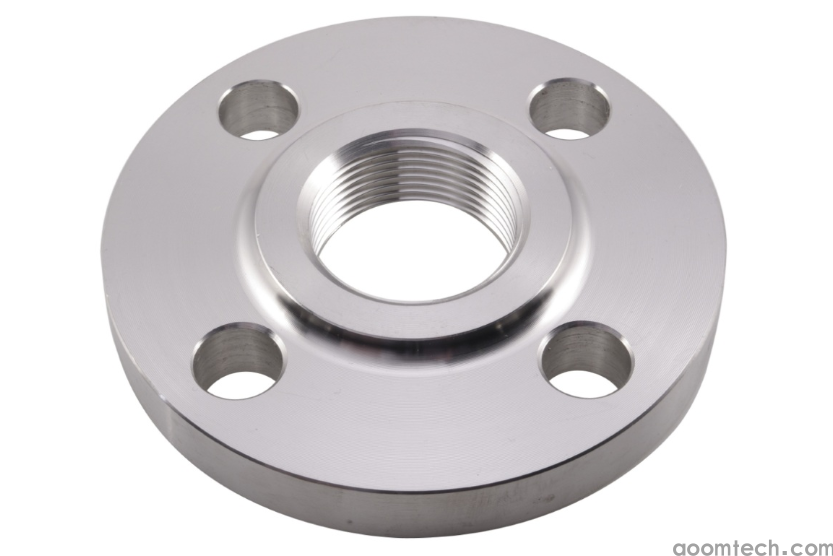
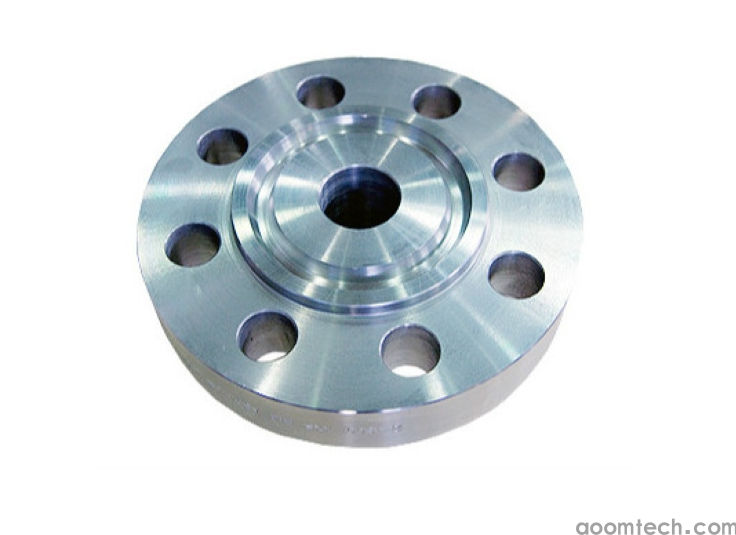
CNC Machining Service for Flanges
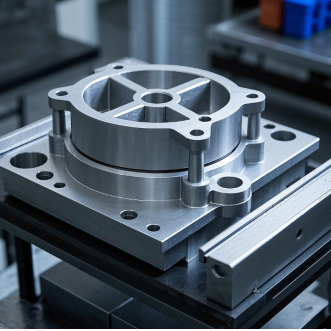
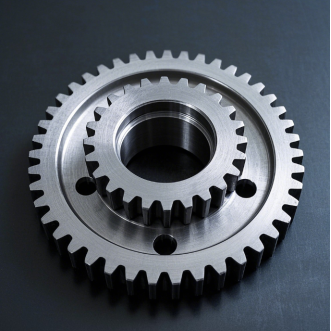
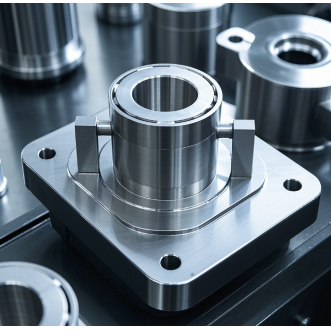
A CNC Machining Service for Flanges plays a key role in modern industrial manufacturing. Flanges are critical connection components used in piping systems to join pipes, valves, pumps, and other equipment. They ensure systems are sealed, stable, and safe under different pressures and operating conditions. With the help of CNC (Computer Numerical Control) technology, manufacturers can produce flanges with high accuracy, consistency, and reliability for many industries worldwide.
Introduction to CNC Machining Service for Flanges
The Significance of Flanges
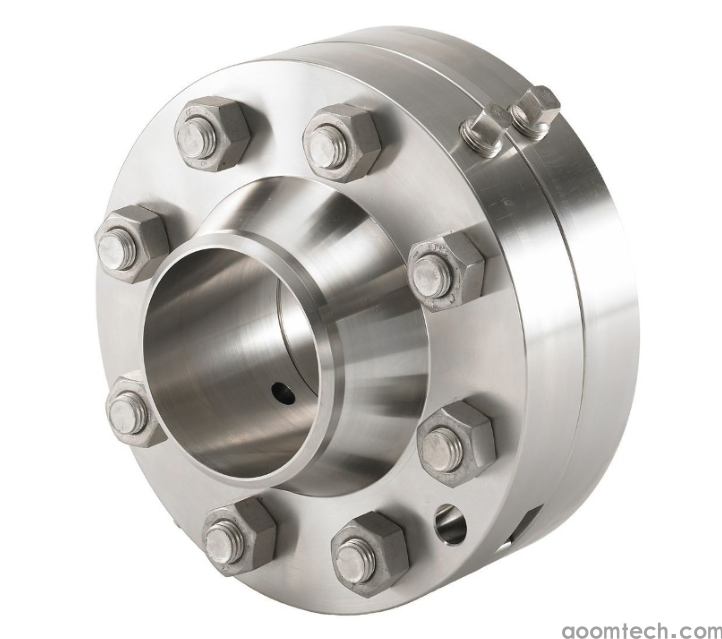
Flanges are widely used in industries such as oil and gas, water treatment, chemical processing, construction, and general manufacturing. Their main function is to create a secure and leak-free connection between pipeline components.
Different types of flanges serve different needs:
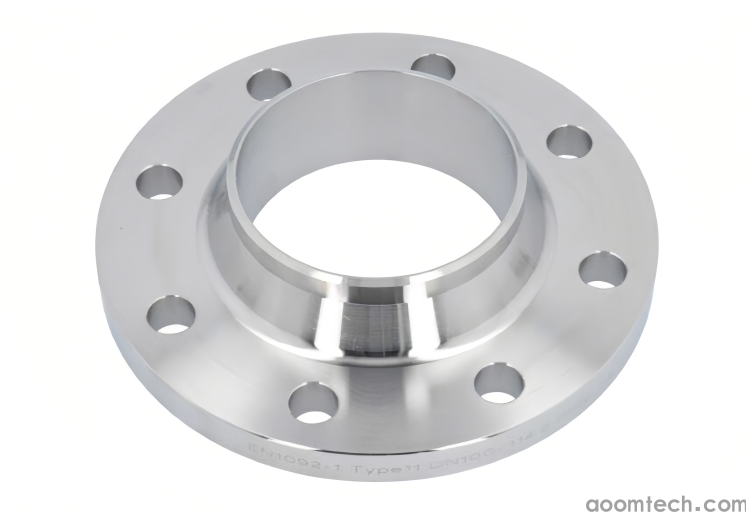
Weld Neck Flanges – Used in high-pressure systems such as oil and gas pipelines due to strong structural support.
Slip-On Flanges – Easy to install and commonly used in low-pressure plumbing systems.
Blind Flanges – Used to close the end of a pipeline or pressure vessel.
Because flanges are safety-critical components, their quality directly affects system performance and safety. This is where CNC machining becomes essential.
Importance of CNC Machining for Flanges
Precision Manufacturing
CNC machining enables extremely high precision in flange production. Every flange must meet strict dimensional requirements to ensure proper sealing and alignment.
Key precision factors include:
Bolt hole position and spacing accuracy
Flatness of the flange face
Inner and outer diameter tolerance
If a flange is not precisely manufactured, it may lead to serious problems such as fluid leakage, uneven bolt stress, or even system failure. CNC technology eliminates human error and ensures repeatable accuracy across large production runs.
Customization for Diverse Applications
Another advantage of CNC machining is flexibility. Different industries require different flange designs, sizes, and materials.
Examples of customized flanges include:
Special bolt hole patterns for non-standard machinery connections
Corrosion-resistant flanges for chemical plants
High-temperature alloy flanges for power generation systems
With CNC machining, manufacturers can easily adjust designs to meet specific engineering requirements without changing the entire production process.
Cost-Effectiveness for Batch Production
For medium and large-scale production, CNC machining is highly cost-effective. Once the machining program is created, it can be reused to produce identical flanges with minimal variation.
This reduces:
Setup time
Material waste
Labor cost per unit
As a result, industries benefit from lower production costs while maintaining consistent quality.
CNC Machining Processes for Flanges
Milling
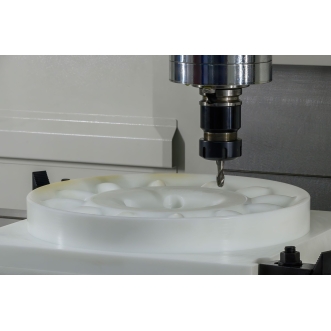
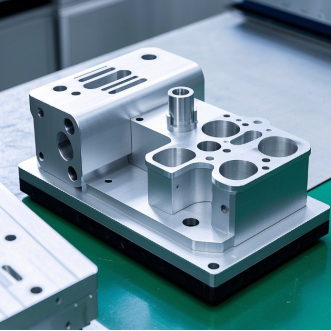
CNC milling for flanges is one of the most important machining processes. A rotating cutting tool removes material to shape flat surfaces, grooves, and bolt hole patterns.
Important considerations in milling include:
Tool selection based on material type (steel, aluminum, etc.)
Spindle speed and feed rate optimization
Depth of cut control for surface quality
The flange face requires excellent flatness and smoothness because it directly affects sealing performance.
Drilling
Drilling is used to create precise bolt holes on the flange. The accuracy of these holes is critical for correct assembly.
Key requirements include:
Accurate hole positioning
Correct hole diameter tolerance
Perpendicular alignment to the flange surface
Even small drilling errors can lead to installation issues or uneven pressure distribution in bolted joints.
Turning
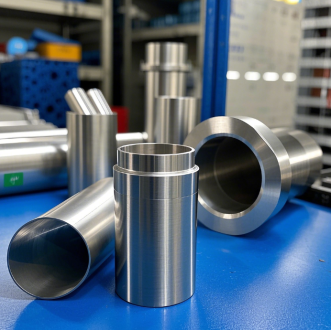
Turning is commonly used to machine cylindrical features such as the outer diameter, inner bore, and sealing edges.
In flange production, turning ensures:
Concentricity between inner and outer diameters
Accurate shaping of sealing surfaces
Proper bevel formation for weld neck flanges
Precision turning is especially important for large flanges used in industrial pipelines.
Materials Used in CNC Machining of Flanges
Metals
Materials for CNC-machined flanges include a wide range of metals depending on application needs:
Carbon Steel – Cost-effective and widely used for general industrial applications.
Stainless Steel – Offers excellent corrosion resistance, ideal for food, marine, and chemical industries.
Alloy Steel – Provides high strength and resistance to high pressure and temperature environments.
Each metal requires different machining strategies due to variations in hardness, heat resistance, and tool wear behavior.
Non-Metallic Materials
In some applications, non-metallic materials are used for special performance requirements:
PVC – Used in low-pressure water and drainage systems.
PTFE – Offers excellent chemical resistance for aggressive environments.
Composite Materials – Combine strength and lightweight properties for specialized systems.
These materials require different cutting tools and machining parameters compared to metals to avoid deformation or surface damage.
Challenges in CNC Machining of Flanges
Work Hardening
Some metals become harder during machining due to heat and deformation. This is known as work hardening. It increases tool wear and reduces machining efficiency.
Solutions include:
Using sharp cutting tools
Applying proper coolant
Optimizing cutting speed and feed rate
Tool Wear
Because flanges require high precision, tools must remain in excellent condition. Continuous cutting of hard materials like stainless steel can cause rapid tool wear.
To manage this issue:
Use carbide or coated tools
Monitor tool condition regularly
Replace tools before quality is affected
Surface Finish and Flatness
Flange sealing performance depends heavily on surface finish and flatness. Poor surface quality can lead to leakage and system failure.
To achieve high quality:
Use fine finishing tools
Control cutting parameters carefully
Apply post-processing such as grinding or polishing
Choosing a CNC Machining Service Provider for Flanges
Technical Expertise
When selecting a choosing a provider for CNC flange machining, technical experience is essential. A qualified provider should understand material behavior, machining strategies, and industry standards.
Evaluate providers by:
Reviewing past flange machining projects
Checking engineering capabilities
Requesting sample products for inspection
Quality Assurance
A reliable CNC machining provider must have a strong quality control system. This ensures every flange meets required specifications.
Quality checks typically include:
Dimensional inspection using calipers and micrometers
Surface roughness testing
Flatness and alignment measurement
Strict inspection processes help prevent defective parts from entering critical systems.
Cost-Effectiveness and Lead Time
While cost is important, it should be balanced with quality and reliability. A good supplier offers competitive pricing without compromising precision.
Consider:
Quotation comparison from multiple suppliers
Production capacity and scalability
On-time delivery record
Conclusion
A professional CNC Machining Service for Flanges ensures that industrial systems remain safe, efficient, and durable. Through precise CNC milling, drilling, and turning processes, manufacturers can produce high-quality flanges that meet strict engineering standards.
By understanding CNC milling for flanges, selecting the right materials for CNC-machined flanges, and carefully choosing a provider for CNC flange machining, industries can significantly improve performance, reduce risk, and lower long-term operational costs.
As modern industries continue to demand higher precision and reliability, CNC machining remains the backbone of high-quality flange production worldwide.
RELATED PRODUCTS
-
Medical Brass CNC Machining Parts
-
Precision CNC Machining PEEK Services
-
Precision Custom CNC Machined Car Parts
-
cnc machining optical housings
-
Precision CNC Casting Machining Services
-
Precision Gear CNC Machining Services
-
Precision Stainless Steel Parts CNC Mach
-
CNC Machining of Precision Aluminum Tube
-
CNC Machining of Large Precision Aluminu
-
CNC Machining & Manufacturing of Pre