CNC Machining Services for Brass Pipe Fittings
Introduction
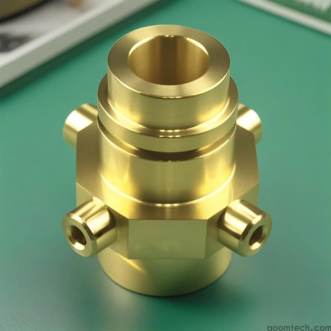
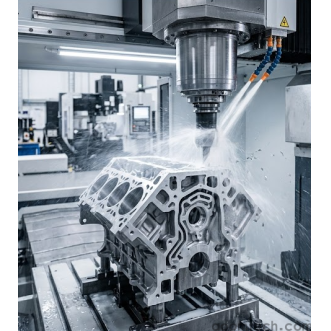
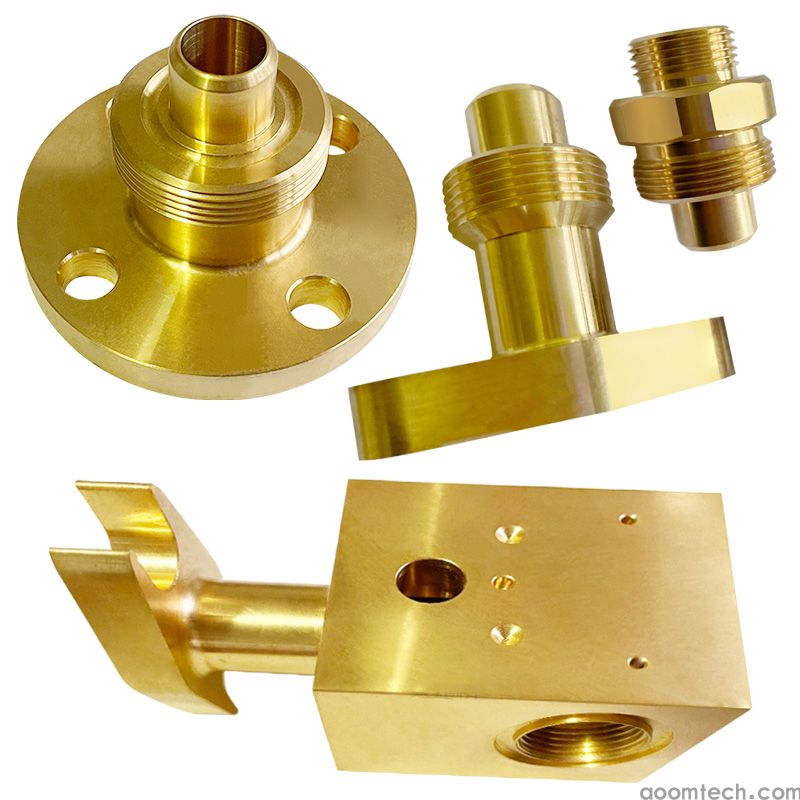
CNC Machining Services for Brass Pipe Fittings play an important role in modern manufacturing industries such as plumbing, HVAC, and industrial piping systems. These services use Computer Numerical Control technology to produce highly precise and reliable components from Brass materials. Brass pipe fittings ensure safe and leak-free fluid or gas connections in many systems used around the world.
Understanding how CNC machining works for brass fittings helps manufacturers, engineers, installers, and end-users make better decisions about quality, cost, and performance.
The Significance of Brass Pipe Fittings
Brass pipe fittings are essential components used to connect, control, and direct the flow of liquids or gases in piping systems. They are widely used in plumbing, HVAC systems, and industrial applications due to their durability and resistance to corrosion.
Brass is an alloy made mainly from Copper and Zinc. This combination gives it strong mechanical properties, excellent corrosion resistance, and good machinability. These qualities make brass ideal for manufacturing pipe fittings that must perform reliably under pressure and varying temperatures.
Brass pipe fittings such as elbows, tees, couplings, and adapters ensure tight sealing and smooth flow, reducing the risk of leaks and system failure.
The CNC Machining Process for Brass Pipe Fittings
Design and CAD Modeling
The process begins with product design using CAD (Computer-Aided Design) software. Engineers create a detailed 3D model of the brass pipe fitting, defining its shape, dimensions, and functional features.
Design considerations include connection types such as threaded or flanged joints, pipe diameter, wall thickness, and industry standards. For example, plumbing fittings must follow local building codes to ensure safety and compatibility.
Common fittings like elbows, tees, and couplings are designed with specific geometries to control flow direction and connection strength.
CNC Programming
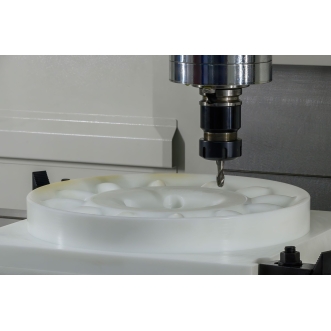
After design, the CAD model is converted into a CNC program using CAM (Computer-Aided Manufacturing) tools. This stage defines toolpaths, spindle speeds, feed rates, and cutting depth.
Since Computer Numerical Control machining is highly precise, programmers must optimize settings for brass materials. Higher spindle speeds and controlled feed rates are often used to avoid surface defects and ensure smooth finishes.
Material Selection and Preparation
Different brass grades are used depending on application needs. For example, C360 free-machining brass is widely used because it produces short chips and machines easily, while C260 offers different mechanical properties.
The selected brass stock is cut to size and may undergo preparation processes like annealing to improve machinability and reduce internal stress.
Machine Setup and Tooling
The brass workpiece is fixed securely in CNC machines using chucks or fixtures. Stability is critical to avoid vibration and machining errors.
Carbide cutting tools are commonly used due to their sharpness and durability. Threading tools are selected for creating accurate internal and external threads in fittings.
Machining Operations
Turning: Used to shape the outer diameter and cylindrical surfaces. Proper chip control is important because brass can produce long chips during machining.
Milling: Used for creating flats, grooves, or complex shapes. It ensures functional features such as wrench grips or sealing slots.
Threading: Used to produce precise threads for secure pipe connections. Accuracy in pitch and depth is essential for leak-free performance.
Finishing and Inspection
After machining, fittings are deburred, polished, or coated for improved appearance and durability. Inspection ensures that each part meets dimensional and functional requirements.
Measuring tools like calipers, micrometers, and thread gauges are used to verify accuracy and consistency.
Benefits of CNC Machining for Brass Pipe Fittings
High Precision Manufacturing
CNC machining ensures consistent and accurate production of brass fittings. This precision helps prevent leaks and ensures perfect fitting in piping systems.
Customization
One of the key advantages of CNC machining is the ability to produce customized fittings. Manufacturers can create unique shapes and sizes for specialized applications in HVAC, plumbing, or industrial systems.
Cost-Effective Medium Production
Once setup is complete, CNC machining becomes highly efficient for medium-volume production. This reduces cost per unit while maintaining high quality and consistency.
Challenges in CNC Machining of Brass Pipe Fittings
Chip Formation and Management
Brass machining can produce long, continuous chips that may wrap around tools. This affects tool life and surface finish. Chip breakers and optimized cutting conditions help solve this issue.
Tool Wear
Even though brass is relatively soft, continuous machining can cause tool wear. High-quality carbide tools and proper cutting speeds help reduce wear and improve tool life.
Surface Finish Requirements
Many brass fittings require smooth surfaces for sealing and aesthetic purposes. Achieving this requires careful control of machining parameters and proper finishing techniques.
Material-Specific Considerations for Brass Pipe Fittings
Alloy Variations
Different brass alloys behave differently during machining. Leaded brass improves machinability, while non-leaded variants may offer better environmental safety or mechanical strength.
Heat Treatment Effects
Heat treatment processes like annealing improve machinability but may affect dimensional stability. Work-hardening can increase strength but make machining more challenging.
Quality Control in CNC Machining of Brass Pipe Fittings
In-Process Inspection
During machining, continuous inspection ensures that dimensions and surface quality remain within required limits. Any deviation is corrected immediately to avoid defects.
This stage is essential for maintaining efficiency in quality control in CNC-machined brass pipe fittings.
Final Inspection
After production, fittings undergo final quality checks using advanced tools such as Coordinate Measuring Machines (CMMs). This ensures dimensional accuracy, surface finish, and functional performance.
Defective parts are either reworked or rejected to maintain strict quality standards.
Applications of CNC-Machined Brass Pipe Fittings
Plumbing Systems
Brass fittings such as elbows, tees, and couplings are widely used in residential and commercial plumbing systems. They ensure leak-free water distribution and long-term reliability.
HVAC Systems
In HVAC applications, brass fittings connect refrigerant lines and water systems. Their corrosion resistance and thermal stability make them highly suitable for temperature-sensitive environments.
Industrial Piping
Industries such as chemical processing, food production, and pharmaceuticals rely on brass fittings for safe fluid transport. CNC machining ensures that these fittings meet strict industrial standards.
Conclusion
CNC Machining Services for Brass Pipe Fittings provide a reliable and efficient way to produce high-precision components used in many critical systems. From design and programming to machining and inspection, each step ensures accuracy and performance.
By understanding the CNC machining process for brass pipe fittings, manufacturers can improve production efficiency, reduce defects, and meet global quality standards. At the same time, addressing challenges in CNC machining of brass pipe fittings such as chip control and tool wear ensures long-term success.
Strong quality control in CNC-machined brass pipe fittings remains essential for delivering safe, durable, and high-performance products used in plumbing, HVAC, and industrial applications worldwide.
RELATED PRODUCTS
-
Medical Brass CNC Machining Parts
-
Precision CNC Machining PEEK Services
-
Precision Custom CNC Machined Car Parts
-
cnc machining optical housings
-
Precision CNC Casting Machining Services
-
Precision Gear CNC Machining Services
-
Precision Stainless Steel Parts CNC Mach
-
CNC Machining of Precision Aluminum Tube
-
CNC Machining of Large Precision Aluminu
-
CNC Machining & Manufacturing of Pre