CNC Machining Services for Engine Parts
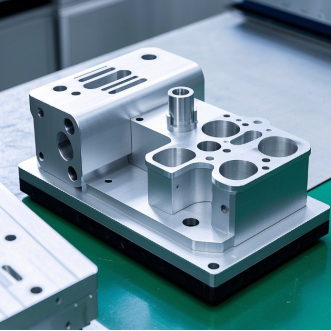
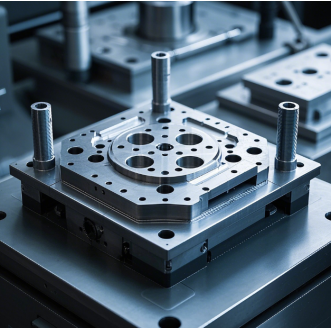
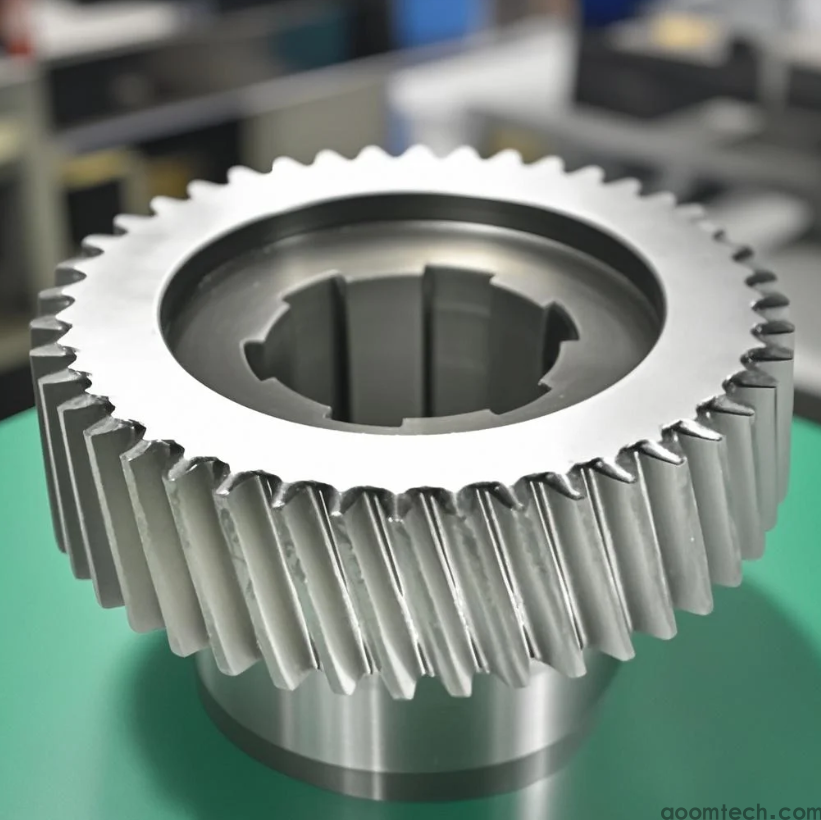
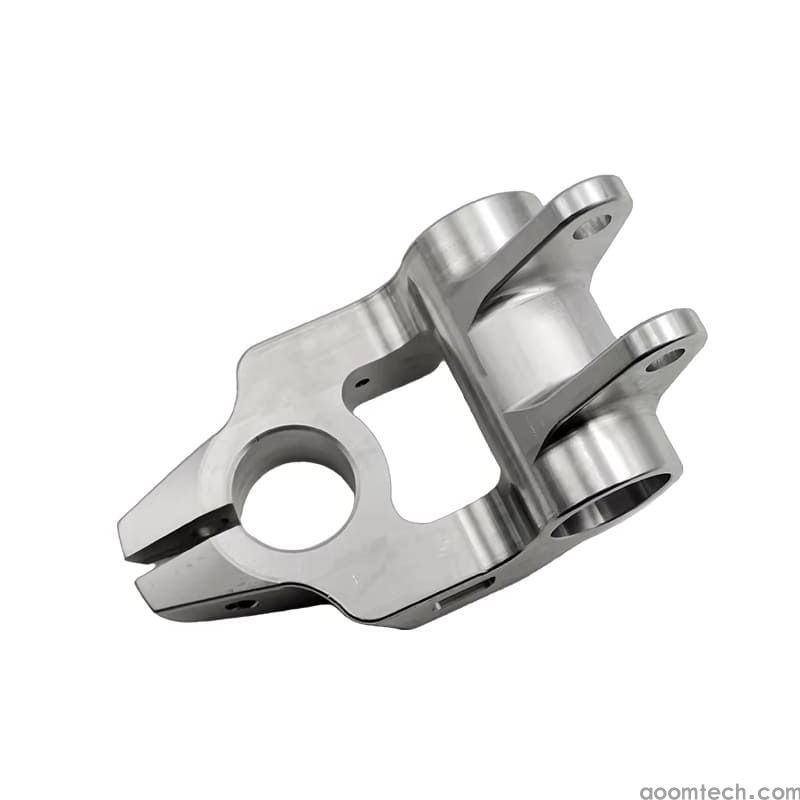
CNC Machining Services for Engine Parts play a critical role in modern automotive, aerospace, marine, and industrial machinery manufacturing. Engines are complex systems that rely on many precision components working together under high temperature, pressure, and mechanical stress. CNC (Computer Numerical Control) machining makes it possible to produce these components with high accuracy, repeatability, and efficiency.
Introduction to CNC Machining Services for Engine Parts
The Significance of Engine Parts
Engine parts are the heart of any vehicle or machine powered by combustion or mechanical energy conversion. They are responsible for generating power, converting energy, and ensuring smooth and efficient operation.
Common engine parts include:
Pistons – move up and down inside the cylinder and transfer combustion force into mechanical motion.
Crankshafts – convert the linear motion of pistons into rotational motion.
Cylinder heads – control air-fuel intake, combustion, and exhaust flow.
Connecting rods – connect pistons to the crankshaft.
Camshafts – control valve timing for engine breathing.
For example, pistons transfer combustion energy to the crankshaft, which then converts it into rotational force that drives the vehicle or machine. Without precisely manufactured engine parts, the entire system cannot function efficiently.
Importance of CNC Machining for Engine Parts
Precision Manufacturing
CNC machining allows engine parts to be produced with extremely tight tolerances, often measured in microns. This precision is essential because engine components must fit together perfectly to reduce friction, prevent leakage, and ensure smooth operation.
If engine parts are not accurately manufactured, problems such as power loss, poor fuel efficiency, excessive vibration, and even engine failure can occur. CNC machining ensures every part meets exact design specifications, improving engine performance and reliability.
Complex Geometries and Customization
Modern engines often require highly complex internal and external shapes. CNC machining makes it possible to create these advanced designs with high accuracy.
For example, a cylinder head may include optimized air intake and exhaust ports designed to improve airflow and fuel combustion efficiency. These complex geometries would be extremely difficult or impossible to achieve with traditional manufacturing methods.
This is why CNC milling for engine parts is widely used in performance engines, motorsports, and custom machinery applications.
Consistent Quality
One of the biggest advantages of CNC machining is repeatability. Once a machining program is created, every engine part produced will have the same dimensions, surface finish, and quality level.
This consistency is especially important for mass production. It reduces manufacturing variation, improves engine reliability, and helps reduce maintenance costs over time. Consistent quality also extends engine lifespan and ensures stable performance across all units.
CNC Machining Processes for Engine Parts
Milling
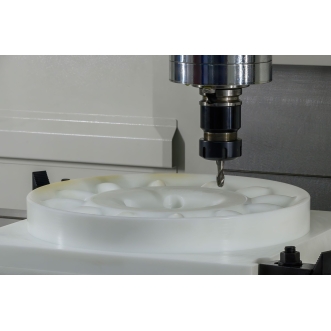
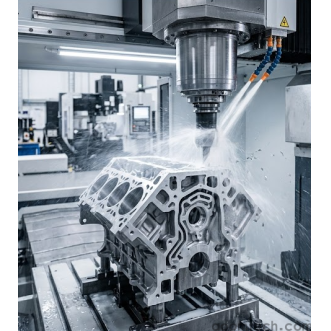
Milling is one of the most common CNC processes used in engine part manufacturing. It uses a rotating cutting tool to remove material from a workpiece and create precise shapes.
In engine production, milling is used for:
Flat sealing surfaces on engine blocks and heads
Complex 3D contours in combustion chambers
Slots, grooves, and mounting features
Tool selection depends on the material being machined. For example, aluminum cylinder heads require different tools and cutting speeds compared to high-strength steel components. Key parameters such as spindle speed, feed rate, and cutting depth must be carefully controlled to ensure accuracy and surface quality.
Turning
Turning is used to manufacture cylindrical engine components such as crankshafts, camshafts, and piston rods. In this process, the workpiece rotates while a cutting tool removes material to achieve the desired shape.
Important factors in turning include:
Maintaining perfect concentricity
Achieving smooth surface finishes
Controlling dimensional accuracy under high load conditions
For example, crankshafts must be machined with extremely high precision to ensure smooth rotation and reduce engine vibration.
Drilling and Boring
Drilling is used to create holes in engine parts for bolts, fluid channels, and mechanical connections. Boring is used to enlarge and refine existing holes to achieve precise dimensions.
In engine blocks, accurate hole placement is essential for cylinder liners, coolant passages, and oil channels. Even small errors in hole positioning can lead to performance issues or engine damage.
Proper tool selection and cutting control help avoid issues such as tool breakage, misalignment, or poor surface finish.
Materials Used in CNC Machining of Engine Parts
Metals
Metals are the most commonly used materials in engine manufacturing due to their strength, durability, and heat resistance.
Aluminum – lightweight, excellent thermal conductivity, commonly used in cylinder heads and pistons to reduce weight and improve heat dissipation.
Steel – high strength and wear resistance, used for crankshafts, connecting rods, and other high-stress components.
Titanium – very high strength-to-weight ratio and corrosion resistance, often used in high-performance or racing engines.
Each metal has different machining characteristics. For example, aluminum is easier to machine but requires careful surface control, while steel and titanium require stronger cutting tools and slower machining speeds.
Alloys
Engine parts often use advanced alloys designed for specific performance requirements such as heat resistance, wear resistance, or corrosion protection.
Examples include nickel-based alloys used in high-temperature environments such as turbocharged engines or aerospace applications.
When working with these materials, machining becomes more challenging due to hardness and heat generation. Proper cooling systems, tool selection, and cutting strategies are essential to ensure quality and tool life.
Understanding materials for CNC-machined engine components is essential for selecting the right production method and achieving optimal engine performance.
Choosing a CNC Machining Service Provider for Engine Parts
Technical Expertise
When selecting a provider for engine manufacturing, technical expertise is one of the most important factors. The provider should have experience working with engine components and understand tight tolerance requirements, material behavior, and engineering drawings.
To evaluate expertise, consider:
Case studies of previous engine-related projects
Engineering and machining team qualifications
Sample parts and surface quality inspection
A company experienced in automotive or industrial engine machining is more likely to deliver reliable and precise results.
Quality Assurance
A strong quality control system ensures that every engine part meets strict performance requirements. Reliable CNC machining providers use advanced inspection tools such as calipers, micrometers, CMM (Coordinate Measuring Machines), hardness testers, and surface roughness testers.
Key quality control practices include:
In-process inspection during machining
Final inspection before shipment
Strict handling of non-conforming parts
Effective quality assurance reduces defects, improves reliability, and ensures engine safety and performance.
Cost-Effectiveness and Lead Times
While cost is important, it should not compromise quality, especially for critical engine components. A low-cost but low-quality part can cause serious engine damage and higher long-term expenses.
When evaluating providers, consider:
Detailed and transparent quotations
Production capacity and scalability
On-time delivery performance history
Choosing the right balance between cost, quality, and delivery time is essential for successful manufacturing projects. This is especially important when selecting a provider for choosing a provider for CNC engine part machining.
Conclusion
CNC Machining Services for Engine Parts are essential in modern engineering and manufacturing industries. They ensure that engine components are produced with high precision, complex geometry, and consistent quality. From pistons and crankshafts to cylinder heads and camshafts, CNC machining supports every critical part of engine performance.
By understanding machining processes, materials, and supplier selection criteria, businesses can make informed decisions and improve the efficiency, reliability, and lifespan of their engines.
As engine technology continues to evolve, CNC machining will remain a key technology driving innovation, precision, and performance in mechanical systems worldwide.
RELATED PRODUCTS
-
Medical Brass CNC Machining Parts
-
Precision CNC Machining PEEK Services
-
Precision Custom CNC Machined Car Parts
-
cnc machining optical housings
-
Precision CNC Casting Machining Services
-
Precision Gear CNC Machining Services
-
Precision Stainless Steel Parts CNC Mach
-
CNC Machining of Precision Aluminum Tube
-
CNC Machining of Large Precision Aluminu
-
CNC Machining & Manufacturing of Pre