CNC Machining Services for Large Aluminum Alloy parts
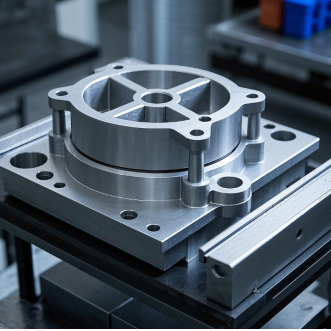
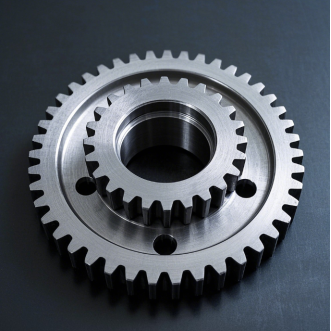
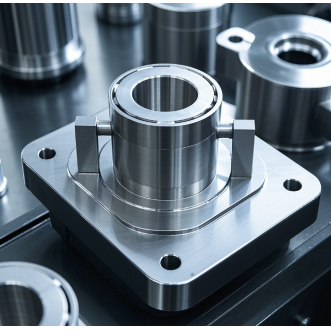
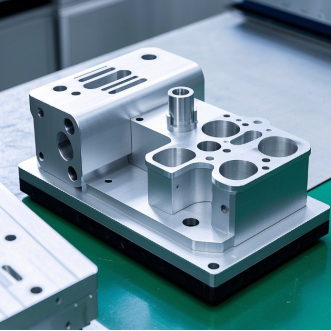
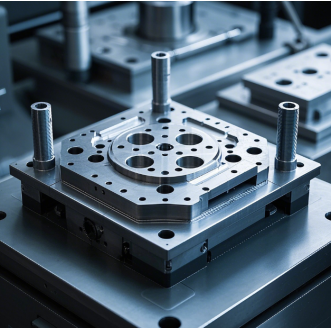
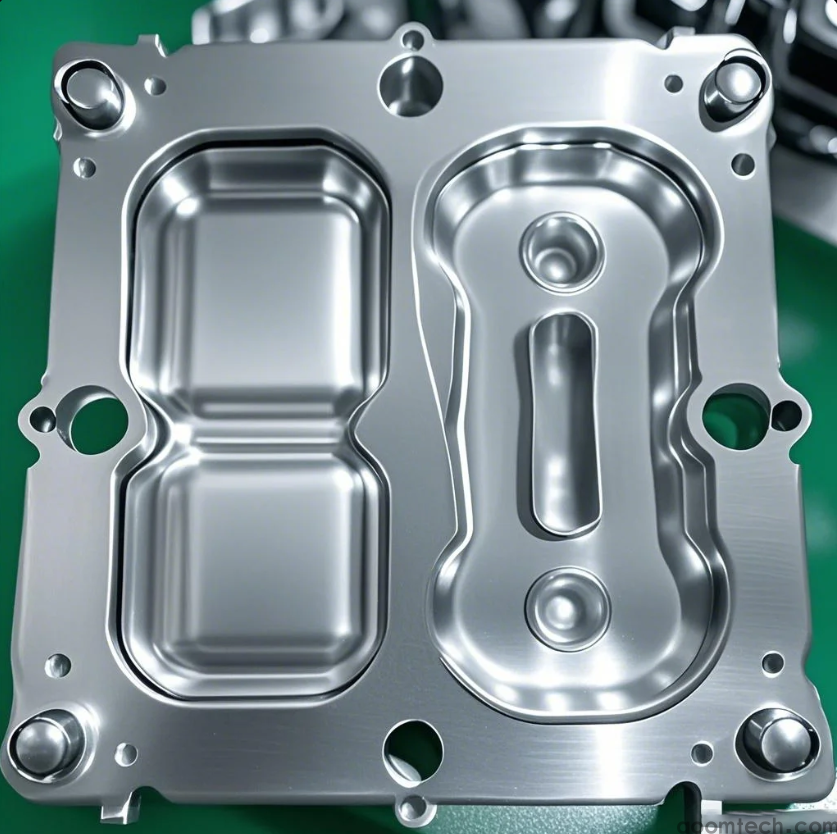
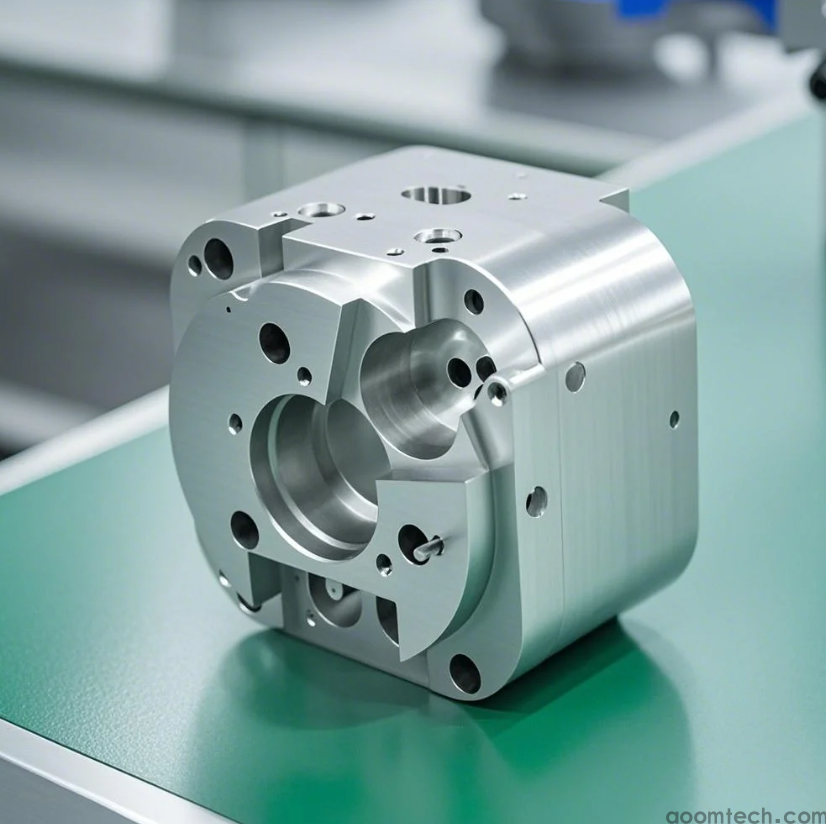
CNC Machining Services for Large Aluminum Alloy Parts play a critical role in modern manufacturing industries that require strong, lightweight, and highly precise components. These services combine advanced computer-controlled machining technology with aluminum alloys to produce large-scale parts used in aerospace, automotive, marine, and industrial equipment.
This article explains what these services are, why they matter, how they are processed, the challenges involved, and how to select a reliable manufacturer. The goal is to help readers clearly understand real-world applications and technical considerations in simple language.
Introduction to CNC Machining Services for Large Aluminum Alloy Parts
The Significance of Large Aluminum Alloy Parts
Large aluminum alloy parts are widely used across many industries because aluminum offers an excellent balance of strength, weight, and corrosion resistance. These properties make aluminum ideal for applications where reducing weight is important without sacrificing durability.
For example, in the aerospace industry, aluminum alloy structures are commonly used in aircraft wings, fuselage sections, and support frames. These parts must be strong enough to withstand high stress while remaining lightweight to improve fuel efficiency.
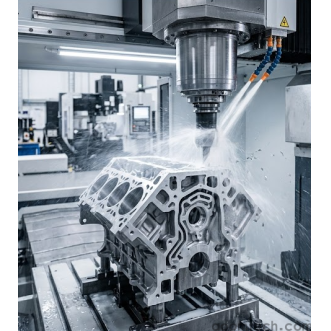
In the automotive industry, large aluminum components are used in engine blocks, chassis structures, and heat management systems. Their thermal conductivity helps dissipate heat efficiently, improving engine performance and lifespan.
In marine applications, aluminum alloys are used for ship panels and structural frames due to their excellent resistance to corrosion in saltwater environments.
Because of these demanding requirements, CNC machining services are essential for producing these parts with accuracy, consistency, and structural reliability.
Importance of CNC Machining for Large Aluminum Alloy Parts
Precision Manufacturing
One of the most important advantages of CNC machining is its ability to produce highly precise components. Large aluminum alloy parts often require tight tolerances to ensure proper assembly and safe operation in complex systems.
If machining accuracy is poor, it can lead to serious issues such as vibration, mechanical failure, inefficient performance, or increased fuel consumption in vehicles and aircraft. CNC systems reduce these risks by following exact digital instructions, ensuring every cut and surface meets design specifications.
Customization
CNC machining allows manufacturers to produce fully customized parts based on specific engineering requirements. Unlike mass production methods, CNC technology can create unique shapes, sizes, and features without requiring new tooling for every design change.
This flexibility is especially valuable in industries such as aerospace and robotics, where components often need to be tailored for specialized functions. For example, a custom-designed structural bracket for an aircraft wing may require unique geometry to fit aerodynamic requirements.
Consistent Quality
Once a CNC program is developed and tested, it can be reused to produce identical parts repeatedly. This ensures consistent quality across all units, which is essential for large-scale production.
Consistent machining quality reduces assembly errors, improves product reliability, and lowers long-term maintenance costs. It also helps manufacturers maintain compliance with international quality standards such as ISO 9001 and AS9100 in aerospace production.
CNC Machining Processes for Large Aluminum Alloy Parts
Milling
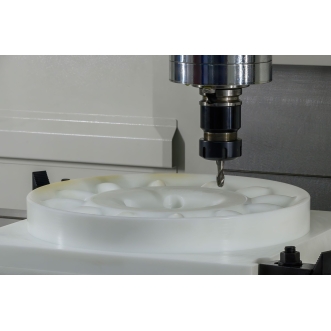
CNC milling for large aluminum alloy parts is one of the most common machining methods. In this process, a rotating cutting tool removes material from a stationary or moving workpiece to create flat surfaces, holes, grooves, and complex 3D shapes.
Tool selection is important because different aluminum alloys behave differently during cutting. For example, 6061-T6 aluminum is easier to machine than 7075-T6, which is stronger but harder.
Key parameters such as spindle speed, feed rate, and cutting depth must be carefully adjusted to achieve optimal results. High-speed machining is often used for aluminum to reduce heat buildup and improve surface finish.
For large parts, multiple setups or large CNC gantry machines may be required to ensure stability and accuracy throughout the process.
Turning
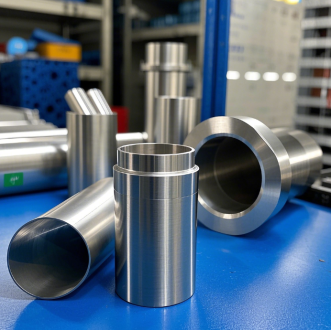
Turning is used to manufacture cylindrical components such as shafts, bushings, or round housings. The workpiece rotates while a stationary cutting tool removes material.
For large aluminum parts, maintaining concentricity is extremely important. Even small errors can affect performance in rotating systems such as engines or industrial machinery.
Special attention is given to chip removal and surface finish. Aluminum tends to produce long chips, so proper tool geometry and cutting fluid are necessary to prevent clogging and tool wear.
Drilling and Boring
Drilling is used to create holes, while boring is used to enlarge and refine existing holes to achieve precise dimensions.
In large aluminum structures, accurate hole placement is critical for assembly and load distribution. Misaligned holes can cause structural stress or assembly failure.
To ensure accuracy, CNC machines use rigid fixtures and advanced measuring systems. Coolant systems are also used to prevent overheating and improve tool life.
Challenges in CNC Machining of Large Aluminum Alloy Parts
Deformation Due to Heat and Cutting Forces
One of the main challenges in machining large aluminum parts is deformation caused by heat and cutting forces. Although aluminum has good thermal conductivity, uneven heat distribution during machining can still cause distortion.
Large workpieces may also deflect under cutting pressure, especially when not properly supported. To solve this, manufacturers use optimized fixtures, controlled cutting parameters, and efficient coolant systems to stabilize temperature and reduce stress.
Tool Wear and Breakage
Machining large aluminum components often requires long processing times, which increases tool wear. If tools are not properly maintained, they may break or lose accuracy.
High-quality carbide tools, coated cutters, and proper lubrication are commonly used to extend tool life. Continuous monitoring also helps detect wear early and maintain machining precision.
Handling and Setup
Large aluminum parts are often heavy and difficult to position accurately. Proper handling equipment such as overhead cranes, lifting systems, and custom fixtures is required.
Accurate setup is essential because even small alignment errors can affect the entire machining process. Skilled technicians play an important role in ensuring safe and precise installation before machining begins.
Materials Used in CNC Machining of Large Aluminum Alloy Parts
Common Aluminum Alloys
Several aluminum alloys are widely used depending on application requirements:
6061 Aluminum – Known for good strength, corrosion resistance, and weldability. It is widely used in structural and general engineering applications.
6063 Aluminum – Offers excellent surface finish and is commonly used in architectural and decorative components.
7075 Aluminum – A high-strength alloy used in aerospace and high-performance applications where durability is critical.
Each alloy has different machining characteristics. For example, 7075 is harder and requires more controlled cutting conditions compared to 6061.
High-Performance Aluminum Alloys
Some advanced applications use specialized aluminum alloys with improved fatigue resistance, heat resistance, or strength. These materials are often used in aerospace or defense systems.
However, they are more difficult to machine and require advanced tooling, optimized cutting speeds, and strict process control to achieve the desired precision.
Choosing a CNC Machining Service Provider for Large Aluminum Alloy Parts
Technical Expertise
When selecting a provider, technical expertise is one of the most important factors. A reliable manufacturer should have experience in handling large aluminum components and understand the behavior of different alloys.
A practical way to evaluate expertise is to review case studies, examine previous projects, and inspect sample parts. Skilled engineers and technicians are essential for solving complex machining challenges.
This is especially important when choosing a provider for large aluminum alloy CNC machining, as mistakes in large-scale production can be costly.
Quality Assurance
A strong quality control system ensures that every part meets design specifications. Professional CNC workshops use advanced inspection tools such as coordinate measuring machines (CMM), laser scanners, and surface roughness testers.
Quality control typically includes in-process inspection and final inspection stages. Any non-conforming parts should be identified and corrected before delivery.
This structured approach ensures dimensional accuracy, structural reliability, and consistent performance across all components.
Cost-effectiveness and Lead Times
While cost is an important factor, it should not compromise quality. The best service providers offer a balance between reasonable pricing and high precision manufacturing.
Lead time is also critical, especially in industries with strict production schedules. Reliable suppliers provide accurate delivery timelines and maintain a strong record of on-time completion.
When comparing providers, it is recommended to evaluate not only price but also machining capability, equipment quality, and communication efficiency.
Conclusion
CNC Machining Services for Large Aluminum Alloy Parts are essential for producing high-performance components used in demanding industries such as aerospace, automotive, and marine engineering. These services provide precision, customization, and consistent quality that traditional manufacturing methods cannot easily achieve.
Despite challenges such as deformation, tool wear, and handling complexity, modern CNC technology combined with skilled engineering makes it possible to produce reliable large-scale aluminum parts efficiently.
By understanding machining processes, material properties, and supplier selection criteria, businesses can make better decisions and ensure long-term performance and cost efficiency in their projects.
RELATED PRODUCTS
-
Medical Brass CNC Machining Parts
-
Precision CNC Machining PEEK Services
-
Precision Custom CNC Machined Car Parts
-
cnc machining optical housings
-
Precision CNC Casting Machining Services
-
Precision Gear CNC Machining Services
-
Precision Stainless Steel Parts CNC Mach
-
CNC Machining of Precision Aluminum Tube
-
CNC Machining of Large Precision Aluminu
-
CNC Machining & Manufacturing of Pre