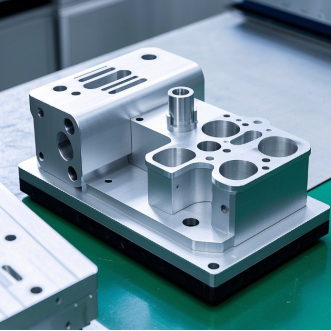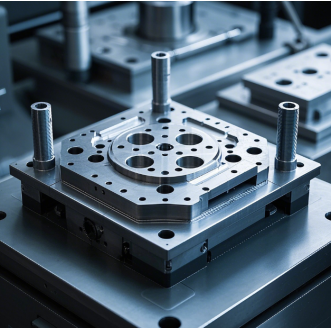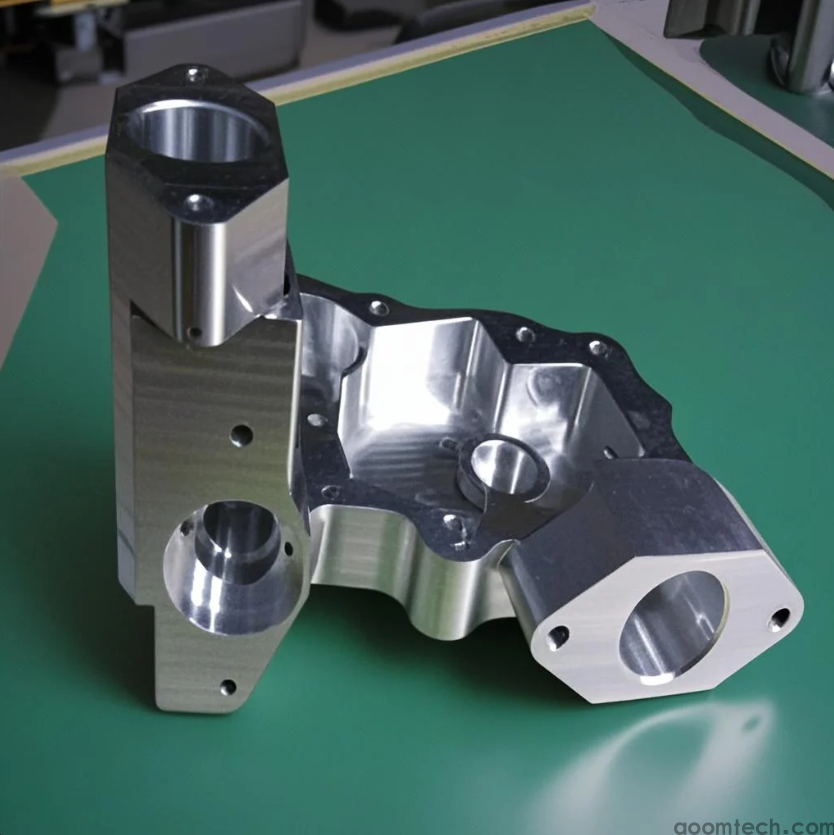
CNC Machining Services for Large Parts
Introduction to CNC Machining Services for Large Parts
In modern manufacturing, CNC Machining Services for Large Parts play an important role in producing high-precision, heavy-duty components used in many industries. Large parts are commonly required in sectors such as aerospace, construction, energy, transportation, and heavy machinery manufacturing. These parts must be strong, accurate, and reliable because they often support critical structures or systems.
CNC (Computer Numerical Control) machining uses computer-controlled machines to cut, shape, and finish materials with high accuracy. When applied to large-scale components, it helps manufacturers achieve consistent quality, faster production, and customized designs that meet strict engineering requirements.
The importance of CNC machining services for large parts lies in their ability to combine precision with scale. Without CNC technology, producing large components with tight tolerances would be slow, expensive, and less reliable.
The Significance of CNC Machining for Large Parts
Large parts are essential in structures and machines where strength and stability are required. For example, heavy equipment frames, industrial molds, wind turbine components, and structural supports all depend on large machined parts.
CNC machining services ensure these parts are produced with consistent accuracy. They help improve product quality, reduce human error, and increase production speed. Most importantly, they allow manufacturers to meet complex design requirements that would be difficult or impossible with manual machining.
Advantages of CNC Machining for Large Parts
High Precision in Large-scale Production
One of the key advantages of CNC machining for large parts is its ability to maintain high precision even at large scales. CNC machines follow programmed instructions to ensure every cut and movement is accurate.
In industries where safety and performance are critical, such as aerospace and heavy machinery, even a small deviation can cause serious problems. CNC machining ensures tight tolerances, reducing errors and improving overall product reliability. This also helps reduce material waste and rework costs.
Customization Capabilities
Another major advantage is flexibility in design. CNC machining allows manufacturers to produce highly customized large parts based on specific project requirements.
For example, in construction projects, architects may need specially designed steel beams or structural components that fit unique building shapes. CNC machining makes it possible to create these custom parts accurately and efficiently, supporting both functional and aesthetic needs.
Efficiency in Large-volume Production
CNC machining also improves efficiency when producing large parts in bulk. Once a program is created, CNC machines can run continuously with minimal human intervention.
This reduces production time and ensures consistent quality across all units. For example, a manufacturer producing large industrial frames for construction equipment can meet tight deadlines thanks to automated CNC processes.
Challenges in CNC Machining Large Parts
Machine Capacity and Power Requirements
One of the main challenges in CNC machining large parts is the need for machines with sufficient size and power. Large workpieces require machines with strong spindles, wide working areas, and stable structures.
If a machine is not powerful enough, it may lead to inaccurate cuts, tool damage, or even production failure. For instance, using a small CNC machine for a large aerospace component can result in poor alignment and structural defects.
Heat Generation and Distortion
During machining, friction between the tool and material generates heat. For large parts, this heat can build up and cause deformation or distortion.
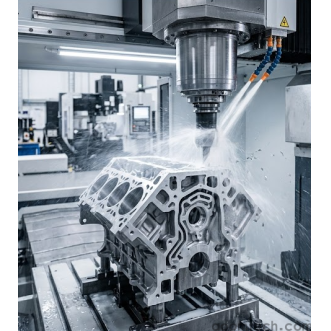
To reduce this issue, manufacturers use cutting fluids, optimized cutting speeds, and cooling systems. Without proper heat control, a large metal component may lose dimensional accuracy, affecting its performance in real applications.
Tooling and Fixturing Challenges
Proper support is essential when machining large parts. Specialized fixtures are required to hold heavy workpieces securely in place.
If fixturing is not stable, the part may shift during machining, leading to errors in shape and size. In some cases, improper setup can completely ruin a large component, increasing costs and production time.
Process of CNC Machining Large Parts
Design and CAD/CAM Programming
The process of CNC machining large parts begins with design work using CAD (Computer-Aided Design) software. Engineers create a detailed 3D model based on functional and structural requirements.
Next, CAM (Computer-Aided Manufacturing) software converts the design into machine instructions. These instructions define tool paths, cutting speeds, and machining strategies suitable for large-scale production.
For example, a large industrial mold requires careful programming to ensure all deep cavities and complex surfaces are machined accurately.
Material Selection and Preparation
Material selection is a key step in ensuring performance and durability. Steel is often used for strength, while aluminum alloys are used when weight reduction is important.
Before machining, materials are cut to size and may undergo heat treatment to improve hardness or strength. Proper material preparation ensures stable machining and high-quality results.
Machining Operations
Milling
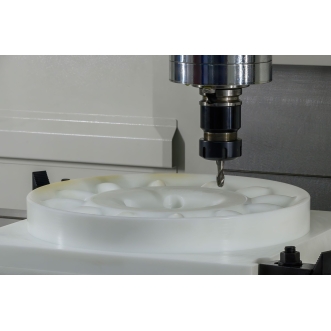
Milling is used to create flat surfaces, slots, and complex 3D shapes. Large parts often require heavy-duty milling cutters and slower feed rates to maintain stability and accuracy.
Turning
Turning is used for cylindrical large parts such as shafts and tubes. The workpiece rotates while the cutting tool removes material to achieve precise dimensions and smooth surfaces.
Drilling and Boring
Drilling creates holes, while boring improves their accuracy and size. These processes are essential for assembly connections, such as bolt holes in large structural components.
Quality Control
Quality control ensures that all parts meet strict standards. Tools such as calipers, micrometers, and coordinate measuring machines (CMM) are used for inspection.
Non-destructive testing methods like ultrasonic testing help detect internal defects. This ensures that large parts are safe, reliable, and ready for use in demanding environments.
Choosing a CNC Service Provider for Large Parts
Experience and Expertise
When selecting a provider, experience is critical. A skilled manufacturer understands the unique difficulties of large-scale machining and can prevent common problems such as distortion or tool wear.
Machine Capabilities
It is important to check whether the provider has suitable machines for large parts. This includes large working areas, high power spindles, and multi-axis capabilities.
Quality Assurance
A strong quality control system ensures consistent results. Reliable providers use advanced inspection tools and follow strict production standards to reduce defects.
Cost-effectiveness and Pricing Transparency
Clear pricing is essential when choosing a service provider. A good company will explain material costs, machining time, tooling expenses, and additional charges in detail.
Comparing multiple quotes helps ensure fair pricing and better value for your project.
Cost Factors in CNC Machining Large Parts
Part Complexity
The more complex the design, the higher the cost. Intricate shapes require longer machining times and advanced programming, increasing overall production expenses.
Material Costs
Material choice significantly affects cost. High-strength alloys and specialized materials are more expensive but may be necessary for demanding applications.
Machine-specific Costs
Large CNC machines consume more energy and require specialized tooling. These operational factors also contribute to the final cost of production.
Conclusion
Making the Right Choice in CNC Machining Services for Large Parts
CNC Machining Services for Large Parts are essential for industries that require strong, accurate, and customized components. They offer many benefits, including high precision, flexibility, and production efficiency.
However, challenges such as machine limitations, heat control, and fixturing must be carefully managed. Understanding the full process—from design to quality control—helps ensure successful production.
When choosing a service provider, experience, machine capability, quality assurance, and cost transparency should all be considered. By carefully evaluating these factors, businesses can achieve reliable results and long-term value in large-scale manufacturing projects.
RELATED PRODUCTS
-
Medical Brass CNC Machining Parts
-
Precision CNC Machining PEEK Services
-
Precision Custom CNC Machined Car Parts
-
cnc machining optical housings
-
Precision CNC Casting Machining Services
-
Precision Gear CNC Machining Services
-
Precision Stainless Steel Parts CNC Mach
-
CNC Machining of Precision Aluminum Tube
-
CNC Machining of Large Precision Aluminu
-
CNC Machining & Manufacturing of Pre