CNC Machining Services for Medical Device Parts
Introduction to CNC Machining Services for Medical Device Parts
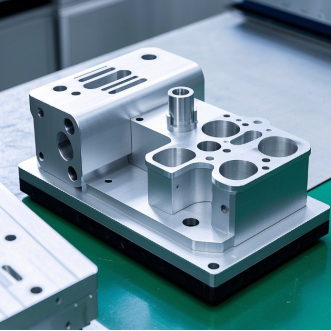
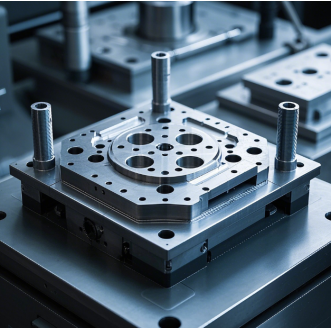
The medical device industry demands extremely high standards for precision, safety, and reliability. Even the smallest part must perform correctly because it can directly affect patient health and treatment results. CNC Machining Services for Medical Device Parts play an essential role in meeting these strict requirements by producing accurate, consistent, and high-quality components.
Medical devices such as surgical instruments, implants, diagnostic tools, and life-support systems rely on CNC-machined parts to function properly. These parts help improve modern healthcare, support advanced medical treatments, and ensure patient safety in critical conditions.
The Significance of CNC Machining in Medical Device Manufacturing
CNC machining is widely used in medical manufacturing because it provides stability, repeatability, and precision. Unlike manual machining, CNC systems follow programmed instructions, which reduces human error and ensures consistent quality across production batches.
This is especially important in healthcare, where even a small dimensional error can affect device performance or patient safety.
Advantages of CNC Machining in Medical Device Parts
High Precision and Accuracy
One of the main advantages of CNC machining in medical device parts is its extremely high precision. CNC machines can achieve tolerances within micrometers, which is essential for components like surgical tools, implants, and diagnostic equipment.
For example, a dental implant must fit perfectly into a patient’s jawbone. CNC machining ensures this exact fit, improving comfort and long-term stability. In another case, micro-fluidic chips used in diagnostic devices require extremely precise channels, which CNC machining can consistently produce.
Biocompatible Material Compatibility
CNC machining supports a wide range of biocompatible materials such as titanium, stainless steel, and medical-grade plastics. These materials are safe for use inside the human body and resist corrosion and wear.
For example, titanium is commonly used in hip replacement implants. CNC machines shape titanium with high accuracy, ensuring the implant is strong, lightweight, and safe for long-term use in the body.
Customization Capabilities
Medical treatments often require customized solutions because every patient is different. CNC machining allows manufacturers to produce patient-specific devices with unique shapes and dimensions.
For example, a patient-specific spinal implant can be designed based on medical imaging data. CNC machining then produces the implant to match the patient’s exact anatomy, improving recovery and comfort.
Process of CNC Machining Medical Device Components
Design and CAD/CAM Programming
The process of CNC machining medical device components begins with design. Engineers use CAD (Computer-Aided Design) software to create a detailed 3D model of the part. This model includes exact measurements, material requirements, and functional details.
Next, CAM (Computer-Aided Manufacturing) software converts the design into machine instructions. These instructions define tool paths, cutting speeds, and machining steps. For example, a complex surgical instrument may require multiple tool paths to achieve its final shape with high precision.
Material Selection and Preparation
Choosing the correct material is critical in medical manufacturing. Materials must be strong, durable, and biocompatible. Once selected, materials may undergo preparation steps such as heat treatment or surface cleaning to improve performance.
For harder materials like titanium alloys, slower cutting speeds and stronger tools are required to maintain accuracy and avoid tool wear during machining.
Machining Operations
Milling
Milling is used to create flat surfaces, grooves, and complex 3D shapes. It is commonly applied in medical sensor housings and device casings. Proper control of speed and tool selection ensures smooth surfaces and accurate dimensions.
Turning
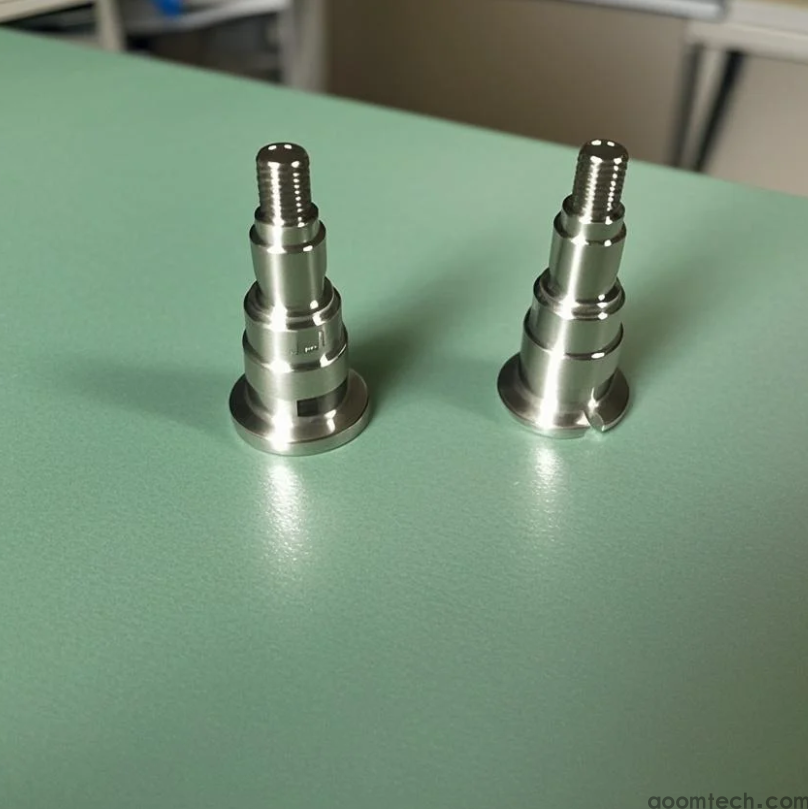
Turning is used for cylindrical parts such as screws, shafts, and cannulas. The workpiece rotates while cutting tools shape it. Precision is essential to ensure proper alignment and smooth surface finish.
Drilling and Boring
Drilling creates holes for fluid flow or mechanical assembly. Boring refines these holes to precise dimensions. For example, catheter channels require extremely smooth and accurate internal surfaces to ensure safe fluid movement.
Surface Finishing and Sterilization
Surface finishing improves both performance and safety. Techniques such as polishing or electropolishing enhance corrosion resistance and reduce bacterial attachment. After machining, parts are sterilized to meet medical safety standards.
For example, electropolished titanium implants have smoother surfaces, which improve biocompatibility and reduce the risk of infection.
Quality Control in CNC Machining for Medical Devices
In-Process Inspection
Quality control in CNC machining for medical devices begins during production. Measurements are taken using tools like calipers, micrometers, and CMM (Coordinate Measuring Machines). This ensures parts remain within tolerance throughout machining.
Early detection of errors allows immediate adjustments, preventing waste and improving efficiency.
Final Inspection and Testing
After machining, parts undergo detailed inspection. This includes checking dimensions, surface quality, and structural integrity. Non-destructive testing methods such as X-ray or ultrasonic inspection are often used.
For example, if a hidden crack is found in a surgical instrument during final inspection, the part is rejected to ensure patient safety.
Challenges in CNC Machining Medical Device Parts
Strict Regulatory Requirements
The medical industry is highly regulated. Manufacturers must follow international standards such as ISO 13485 from the International Organization for Standardization and regulations from the Food and Drug Administration. These rules ensure product safety, consistency, and traceability.
Meeting these standards requires strict documentation, controlled processes, and regular audits, which can increase production complexity.
High-Precision Requirements and Complex Geometries
Medical parts often have complex shapes and extremely tight tolerances. Producing such components consistently is technically challenging, even with advanced CNC systems.
For example, micro-scale diagnostic sensors require ultra-precise machining techniques to ensure proper function at a very small scale.
Cost-Effectiveness in Small-Batch Production
Many medical devices are produced in small batches or as custom parts. This increases setup costs per unit, making cost control more difficult. Manufacturers must optimize machining strategies to balance quality and cost efficiency.
Choosing a CNC Service Provider for Medical Device Parts
Experience in Medical Manufacturing
When choosing a CNC service provider for medical device parts, experience is very important. A provider with medical industry experience understands strict requirements and can handle complex projects more effectively.
For example, experienced manufacturers are better equipped to produce life-support components where precision is critical.
Quality Assurance and Regulatory Compliance
A reliable provider should have strong quality systems and certifications such as ISO 13485. They should also demonstrate compliance with global medical standards through audits and documentation.
Technology and Equipment
Modern CNC machines with multi-axis capability and high-speed performance improve accuracy and efficiency. Advanced measurement systems also help ensure consistent quality across production.
Cost-Effectiveness and Transparency
Clear pricing is essential. A trustworthy provider should explain costs such as materials, machining time, and finishing processes. Comparing multiple suppliers helps identify the best balance between cost and quality.
Conclusion
CNC Machining Services for Medical Device Parts are essential for producing safe, accurate, and high-performance medical components. From design and machining to inspection and sterilization, each step plays a critical role in ensuring product quality.
Understanding the process of CNC machining medical device components, recognizing the challenges in CNC machining medical device parts, and applying strict quality control in CNC machining for medical devices can help manufacturers achieve better results.
When selecting a supplier, careful evaluation of experience, compliance, technology, and cost transparency will help ensure successful and reliable medical device production.
Healthcare innovation depends on precision manufacturing—making CNC machining a foundation of modern medical technology.
RELATED PRODUCTS
-
Medical Brass CNC Machining Parts
-
Precision CNC Machining PEEK Services
-
Precision Custom CNC Machined Car Parts
-
cnc machining optical housings
-
Precision CNC Casting Machining Services
-
Precision Gear CNC Machining Services
-
Precision Stainless Steel Parts CNC Mach
-
CNC Machining of Precision Aluminum Tube
-
CNC Machining of Large Precision Aluminu
-
CNC Machining & Manufacturing of Pre