CNC Machining Services for Motor Gears
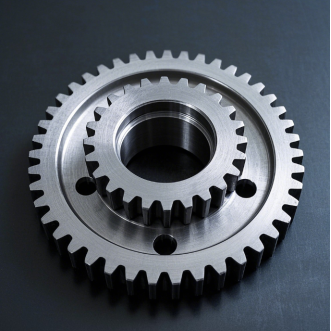
CNC Machining Services for Motor Gears play an important role in modern manufacturing industries where precision, durability, and efficiency are required. Motor gears are key mechanical components used to transmit power, control speed, and adjust torque in machines. They are widely used in automotive systems, robotics, industrial equipment, and many other applications.
CNC (Computer Numerical Control) machining provides a highly accurate and repeatable way to produce motor gears. Compared with traditional manufacturing methods, CNC machining ensures better consistency, tighter tolerances, and improved performance. This makes it an essential technology for producing reliable gears that support smooth motor operation in demanding environments.
The Significance of CNC Machining in Motor Gear Production
Motor gears are vital components in mechanical systems. They help transfer power from one part of a machine to another while controlling speed and torque. If gears are not made with high precision, machines may suffer from vibration, noise, energy loss, or even failure.
CNC machining offers a solution by producing gears with exact specifications. High-quality CNC-machined motor gears improve performance, increase durability, and support energy efficiency. In industries such as automotive manufacturing, industrial automation, and robotics, precision gears are essential for smooth and reliable operation.
Advantages of CNC Machining for Motor Gears
High Precision Manufacturing
One of the main advantages of CNC machining for motor gears is high precision. CNC machines follow programmed instructions to create gear teeth with consistent shape and tight tolerances. This level of accuracy ensures smooth power transfer and reduces vibration during operation.
For example, in electric vehicle drivetrains, high-precision CNC-machined gears help reduce noise and improve energy efficiency. The result is smoother driving performance and better overall system reliability.
Complex Gear Geometry Machining
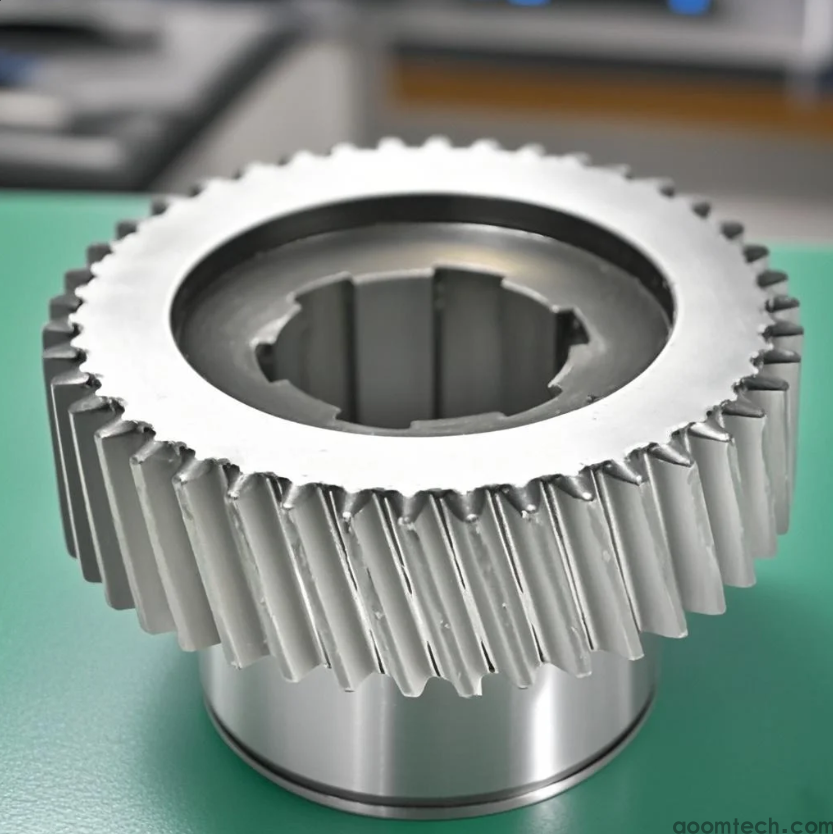
CNC machining allows the production of complex gear types such as helical gears, bevel gears, and worm gears. These designs are difficult or impossible to produce with traditional methods.
For instance, a robotic arm may require a custom worm gear with a special tooth profile to ensure smooth and precise movement. CNC machining makes it possible to produce such complex shapes with high accuracy and consistency.
Repeatability and Consistency
CNC machining ensures that every gear produced is identical when using the same program. This repeatability is extremely important in mass production.
For example, an industrial motor manufacturer producing thousands of units can rely on CNC machining to ensure that every gear fits perfectly and performs consistently. This reduces defects and improves overall product quality.
Process of CNC Machining Motor Gears
Design and CAD/CAM Programming
The process of CNC machining motor gears begins with design. Engineers use CAD (Computer-Aided Design) software to create a 3D model of the gear. This design considers load requirements, speed, torque, and mating components.
After design, CAM (Computer-Aided Manufacturing) software converts the model into machine instructions. These instructions include tool paths, cutting speeds, and feed rates. For example, a high-torque helical gear design requires careful programming to ensure smooth cutting and accurate tooth geometry.
Material Selection and Preparation
Material selection is a critical step in gear manufacturing. Common materials include alloy steel, stainless steel, and hardened metals. Each material affects strength, wear resistance, and cost.
High-strength steel gears, for example, require stronger cutting tools and slower machining speeds. Some materials may also undergo heat treatment before or after machining to improve hardness and durability.
Machining Operations
Gear Hobbing
Gear hobbing is a common method used in CNC gear production. A hob tool rotates and cuts the gear teeth gradually. Proper control of feed rate and cutting depth ensures accurate tooth shape and smooth surface finish.
Milling Operations
Milling is used for additional features such as keyways, slots, or finishing work. Carbide tools are often used to achieve high accuracy and smooth surfaces.
Heat Treatment and Finishing
After machining, gears often undergo heat treatment to improve hardness and wear resistance. Finishing processes such as grinding or honing improve surface quality and dimensional accuracy. These steps are essential for high-performance applications such as industrial machinery and automotive systems.
Benefits of CNC-Machined Motor Gears
Improved Mechanical Performance
The benefits of CNC-machined motor gears include smoother operation, reduced friction, and better energy efficiency. High precision ensures efficient torque transfer and minimizes mechanical losses.
For example, CNC-machined gears in manufacturing equipment can reduce energy consumption while increasing production efficiency.
Customization for Specific Applications
CNC machining allows full customization of gear design. Engineers can adjust gear ratio, size, material, and tooth profile to meet specific requirements.
In medical devices, for instance, specially designed gears ensure quiet and precise motion, which is essential for patient safety and equipment reliability.
Cost-Effectiveness in the Long Run
Although CNC machining may have higher initial costs, it reduces long-term expenses. High precision reduces the need for rework, and durable gears last longer, reducing maintenance and replacement costs.
Companies often find that CNC-machined gears lead to fewer breakdowns and lower overall operating costs over time.
Challenges in CNC Machining Motor Gears Services
Complex Programming and Setup
One of the main challenges in CNC machining motor gears services is complex programming. Gear geometry requires precise multi-axis control, which demands skilled engineers and experienced operators.
A small programming error can lead to defective gears, causing material waste and production delays.
Tool Wear and Replacement
Hard materials used in gear production can cause rapid tool wear. Cutting tools must be replaced regularly, increasing production costs and affecting efficiency.
For example, machining high-strength steel gears often requires frequent tool changes, which can slow down production schedules.
Quality Control Requirements
Gear manufacturing requires strict quality control. Even small deviations in tooth profile or dimensions can affect performance.
Improper quality control may lead to gear misalignment, increased noise, or premature failure in mechanical systems.
Choosing a CNC Machining Service for Motor Gears
Experience and Expertise in Gear Machining
When choosing a CNC machining service for motor gears, experience is one of the most important factors. A skilled provider understands gear geometry, material behavior, and machining challenges.
Companies with a proven track record in gear manufacturing are more likely to deliver reliable and high-quality products.
Quality Assurance Measures
A reliable service provider should have strong quality control systems. This includes in-process inspection, final testing, and use of calibrated measuring tools.
Quality certifications and inspection reports help ensure that the gears meet required standards and specifications.
Cost-Effectiveness and Pricing Transparency
Pricing is also an important consideration. A good service provider offers transparent pricing that includes materials, machining, heat treatment, and finishing costs.
Comparing multiple suppliers helps businesses find the best balance between cost and quality without compromising performance.
Conclusion: Selecting the Ideal CNC Machining Service for Motor Gears
CNC machining plays a crucial role in modern motor gear production. It ensures high precision, repeatability, and customization, making it essential for industries that rely on mechanical performance and reliability.
Understanding the process of CNC machining motor gears, along with the advantages of CNC machining for motor gears, helps businesses make better decisions. At the same time, being aware of the challenges in CNC machining motor gears services ensures more realistic planning and risk control.
Ultimately, selecting the right partner for CNC Machining Services for Motor Gears requires careful evaluation of expertise, quality assurance, and cost transparency. Businesses should compare providers, review capabilities, and choose a supplier that can deliver consistent performance and long-term value.
RELATED PRODUCTS
-
Medical Brass CNC Machining Parts
-
Precision CNC Machining PEEK Services
-
Precision Custom CNC Machined Car Parts
-
cnc machining optical housings
-
Precision CNC Casting Machining Services
-
Precision Gear CNC Machining Services
-
Precision Stainless Steel Parts CNC Mach
-
CNC Machining of Precision Aluminum Tube
-
CNC Machining of Large Precision Aluminu
-
CNC Machining & Manufacturing of Pre