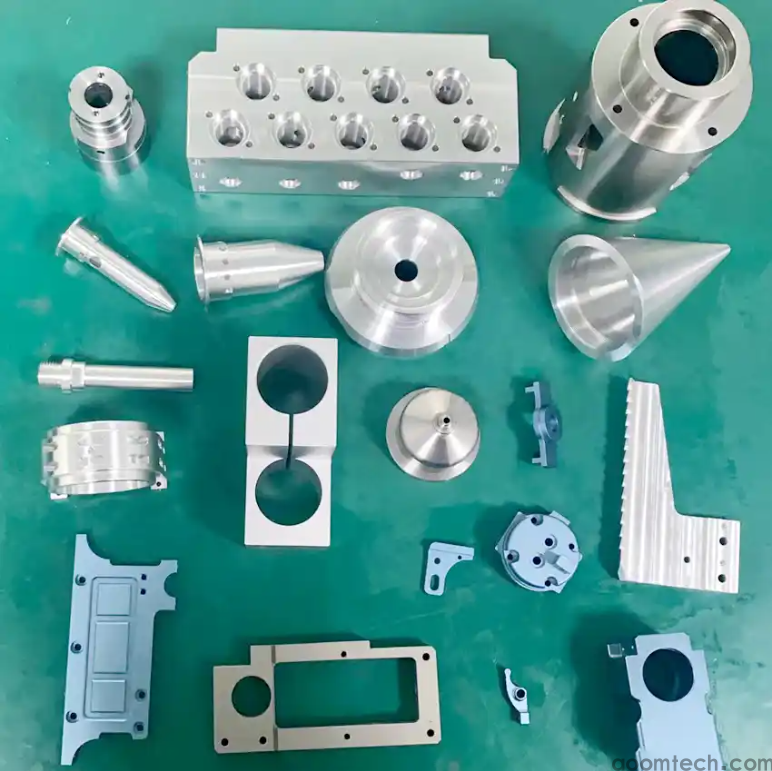
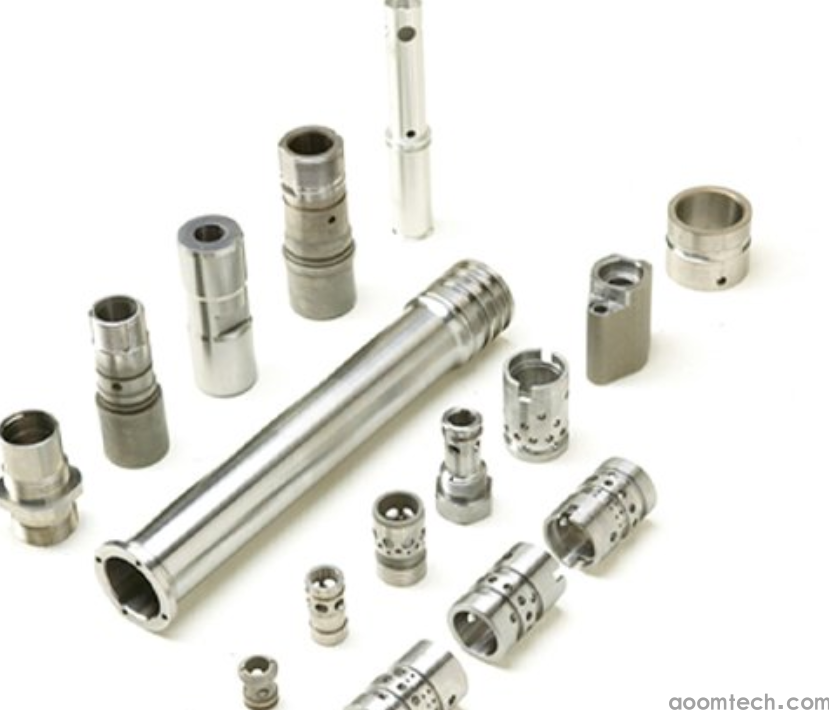
CNC Machining Services for Precision Alloy Metal Parts
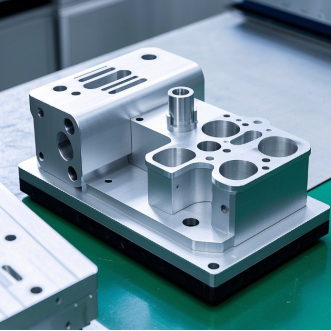
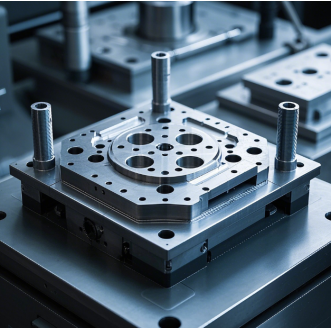
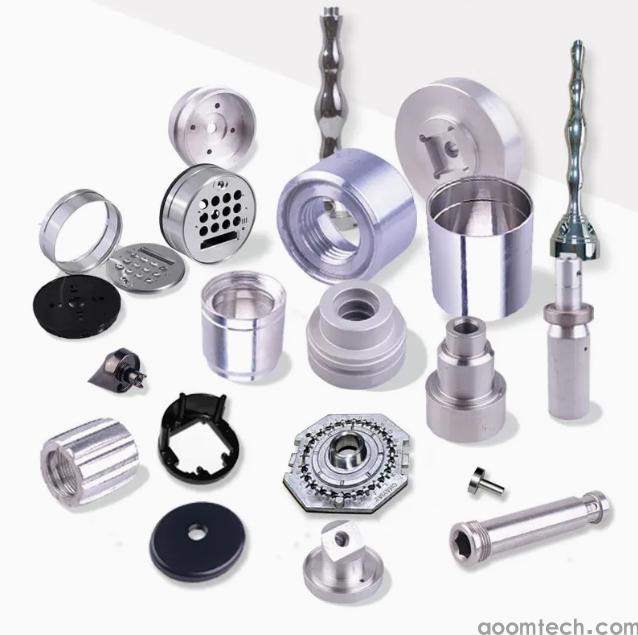
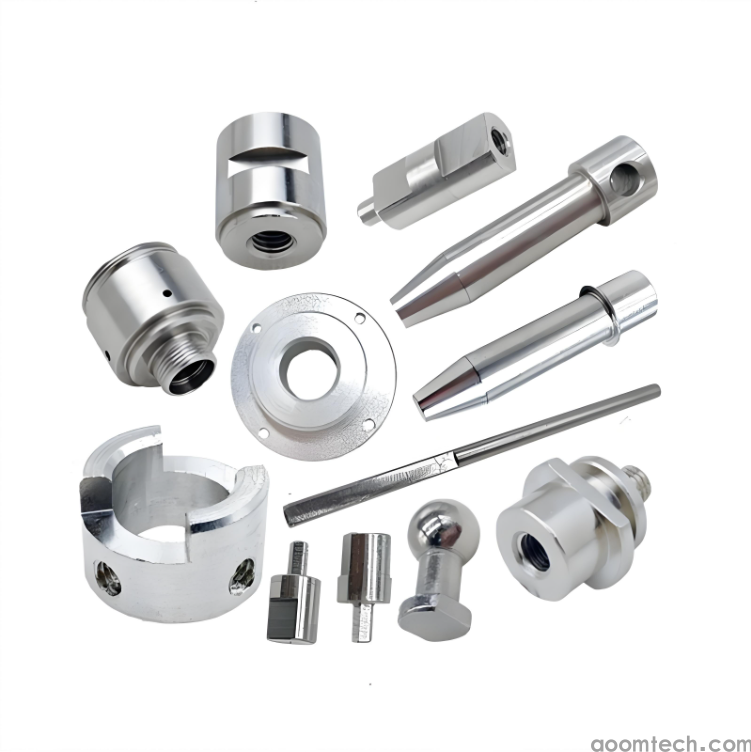
In modern manufacturing, high-performance machines and devices depend on parts that are strong, accurate, and reliable. Many of these components are made from advanced metal alloys and require extremely precise shaping. This is where CNC Machining Services for Precision Alloy Metal Parts play a critical role. These services use computer-controlled machines to produce complex parts with tight tolerances, high consistency, and excellent surface quality.
Introduction to CNC Machining Services for Precision Alloy Metal Parts
The Significance of Precision Alloy Metal Parts
Precision alloy metal parts are widely used in high-tech industries such as aerospace, automotive, medical equipment, and electronics. These parts are not simple metal components. They are engineered to meet strict requirements for strength, heat resistance, corrosion resistance, and electrical performance.
For example, in aerospace engines, alloy turbine components must withstand extreme temperatures and pressure while maintaining stability. In advanced electronics, precision alloy connectors ensure stable electrical signals and long-term reliability. Without high-precision manufacturing, these systems would not function safely or efficiently.
This is why CNC machining is essential—it enables manufacturers to produce complex alloy parts with consistent accuracy and repeatability.
Importance of CNC Machining for Precision Alloy Metal Parts
Precision Manufacturing
CNC machining allows production of precision alloy metal parts with extremely tight tolerances, often measured in microns. Computer-controlled systems guide cutting tools with high accuracy, ensuring every part matches the design exactly.
This level of precision is important because even small deviations can cause serious problems. For example, in a high-speed automotive engine, a slightly inaccurate alloy connecting rod can create vibration, reduce efficiency, or even cause mechanical failure.
High precision ensures smooth assembly, reliable operation, and longer product life.
Complex Geometries and Customization
Modern engineering designs often require complex shapes that cannot be produced with traditional machining methods. CNC machining makes it possible to create intricate geometries such as internal channels, curved surfaces, and fine mechanical details.
For example, in medical imaging equipment, custom alloy components may include internal cooling channels that improve heat control and system accuracy. This flexibility allows engineers to innovate without design limitations.
One key advantage of CNC technology is its ability to produce fully customized parts based on specific project requirements.
Consistent Quality
Once a CNC program is created, it can be reused to manufacture identical parts repeatedly. This ensures stable and consistent quality across large production batches.
Consistent quality reduces assembly problems, improves reliability, and lowers production costs. In industries like electronics manufacturing, consistent precision alloy connectors help prevent connection failures and improve product performance.
CNC Machining Processes for Precision Alloy Metal Parts
Milling
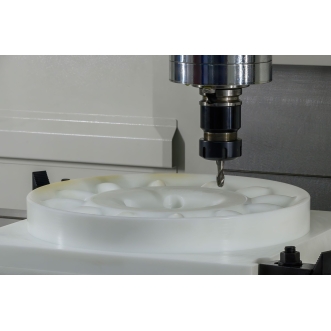
Milling is one of the most common processes in CNC machining. It uses a rotating cutting tool to remove material from a workpiece and create different shapes and surfaces.
CNC milling for precision alloy parts is used to produce flat surfaces, grooves, holes, and complex 3D shapes. The process requires careful selection of cutting tools and machining parameters based on the alloy type.
For example:
Nickel-based alloys require strong carbide-coated tools due to their hardness.
Aluminum alloys allow higher cutting speeds and smoother machining.
Key parameters include spindle speed, feed rate, and depth of cut. Optimizing these values is essential for tool life and surface quality.
Turning
Turning is used for cylindrical parts such as shafts, rods, and threaded components. The workpiece rotates while the cutting tool removes material to achieve the desired shape.
This process is widely used for precision alloy metal parts that require perfect roundness and symmetry.
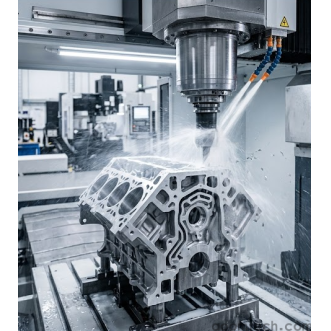
Challenges in turning include heat buildup, chip control, and tool wear. Using coolant systems and optimized cutting parameters helps improve surface finish and machining stability.
For titanium alloys, lower cutting speeds are often required to prevent overheating and maintain tool life.
Electrical Discharge Machining (EDM)
EDM is a non-traditional machining process used for very hard alloys or extremely complex shapes. It removes material using controlled electrical sparks instead of physical cutting tools.
There are two main types:
Wire EDM – used for cutting precise 2D shapes and contours
Die-sinking EDM – used for creating detailed 3D cavities
EDM is especially useful for producing molds, aerospace components, and precision alloy parts with intricate details. Although slower than other methods, it offers unmatched precision for hard materials.
Types of Alloys Used in CNC Machining
Nickel-Based Alloys
Nickel-based alloys are widely used in high-temperature and high-stress environments. They offer excellent strength, corrosion resistance, and heat resistance.
These materials are common in gas turbines, aerospace engines, and chemical processing systems.
However, they are difficult to machine due to their hardness and tendency to work-harden. Specialized tools, controlled cutting speeds, and effective cooling are required for successful machining.
Titanium-Based Alloys
Titanium alloys are known for their high strength-to-weight ratio, corrosion resistance, and biocompatibility. They are widely used in aerospace, medical implants, and marine engineering.
One major machining challenge is low thermal conductivity, which causes heat to concentrate in the cutting zone. This can reduce tool life and affect surface quality.
To solve this, manufacturers often use high-performance coolants, sharp cutting tools, and lower cutting speeds.
Aluminum-Based Alloys
Aluminum alloys are lightweight, easy to machine, and widely used in automotive, electronics, and construction industries.
They offer good thermal conductivity and allow fast machining speeds. However, improper cutting conditions can cause chip buildup or surface damage.
Careful control of feed rate and tool selection ensures smooth finishing and high dimensional accuracy.
Challenges in CNC Machining of Precision Alloy Metal Parts
Work-Hardening
Some alloys, especially nickel and titanium types, become harder during machining. This effect is called work-hardening. As cutting continues, the surface becomes more difficult to machine, increasing tool wear.
Solutions include:
Using sharp, high-quality cutting tools
Applying high-pressure coolant systems
Optimizing cutting speed and feed rate
Tool Wear
Alloy materials place high stress on cutting tools, causing faster wear compared to softer metals. If not managed properly, tool wear can reduce accuracy and increase production costs.
Common solutions include using carbide or diamond-coated tools, regular tool monitoring, and timely tool replacement.
Heat Generation
Heat buildup is a major challenge in alloy machining. Poor heat control can damage tools and affect part accuracy.
Effective solutions include flood cooling systems, optimized cutting parameters, and tools designed for heat resistance.
Choosing a CNC Machining Service Provider for Precision Alloy Metal Parts
Technical Expertise
When selecting a provider, technical knowledge is extremely important. A qualified manufacturer should understand different alloy materials and their machining behavior.
Choosing a provider for CNC precision alloy metal parts machining should include reviewing their experience, case studies, and sample products. Providers with aerospace or medical industry experience often demonstrate higher capability in precision work.
Quality Assurance
A strong quality control system ensures that every part meets design specifications. Reliable providers use advanced inspection tools such as:
Coordinate Measuring Machines (CMM)
Surface profilometers
Hardness testing equipment
In-process inspection helps detect errors early, reducing waste and improving production efficiency. Final inspection ensures that all finished parts meet strict quality standards.
Cost-Effectiveness and Lead Times
Cost is important, but it should not be the only factor. High-quality precision alloy parts require advanced equipment and skilled technicians.
A good service provider balances cost, quality, and delivery time. Comparing multiple suppliers and reviewing their delivery history can help in making the right decision.
Conclusion
CNC Machining Services for Precision Alloy Metal Parts are essential for modern industries that require high-performance components. From aerospace engines to medical devices and electronic systems, precision alloy parts ensure safety, efficiency, and durability.
Understanding machining processes, alloy types, and production challenges helps businesses choose the right manufacturing partner. With advanced CNC technology, manufacturers can achieve exceptional precision, consistent quality, and reliable performance in even the most demanding applications.
RELATED PRODUCTS
-
Medical Brass CNC Machining Parts
-
Precision CNC Machining PEEK Services
-
Precision Custom CNC Machined Car Parts
-
cnc machining optical housings
-
Precision CNC Casting Machining Services
-
Precision Gear CNC Machining Services
-
Precision Stainless Steel Parts CNC Mach
-
CNC Machining of Precision Aluminum Tube
-
CNC Machining of Large Precision Aluminu
-
CNC Machining & Manufacturing of Pre