CNC Machining Services for Semiconductor Parts
Introduction to CNC Machining Services for Semiconductor Parts
The semiconductor industry is the foundation of modern technology. Devices such as smartphones, computers, medical equipment, and advanced industrial systems all depend on semiconductor components. Companies like and lead global innovation in this field.
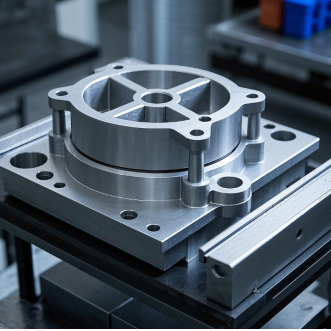
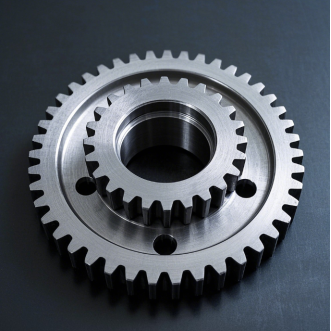
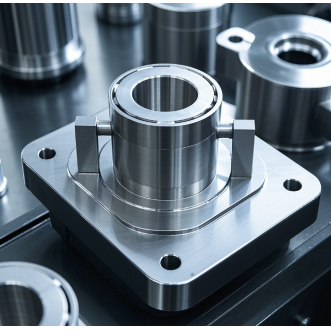
In this highly advanced industry, CNC Machining Services for Semiconductor Parts play an important role. These services help produce highly precise mechanical and structural components used in semiconductor manufacturing equipment and devices. CNC machining ensures accuracy, stability, and repeatability, which are essential for modern electronics.
Semiconductor parts made through CNC machining support miniaturization, improve performance, and increase the reliability of electronic systems. Without precise machining, advanced chips and micro-devices could not function properly.
Advantages of CNC in Semiconductor Part Machining
Ultra-high Precision
One of the biggest strengths of CNC machining is ultra-high precision. The process is controlled by computer programs, allowing manufacturers to achieve extremely tight tolerances in micrometer levels.
In semiconductor production, components such as wafer holders, alignment fixtures, and connectors require extremely accurate dimensions. Even a small error can affect electrical performance.
For example, a CNC-machined semiconductor wafer alignment plate with highly accurate surface patterns can improve the yield rate of integrated circuits by ensuring correct positioning during lithography processes.
This is one of the key advantages of CNC in semiconductor part machining, making it essential for high-end electronics manufacturing.
Complex Geometry Creation
CNC machining allows the creation of complex geometries that are difficult or impossible to produce with traditional methods. Semiconductor components often require intricate shapes such as micro-channels, 3D structures, and precise cavities.
For example, a micro-electromechanical system (MEMS) sensor may include detailed internal structures for motion detection. CNC machining can accurately produce these designs based on digital models.
This ability ensures that engineers can design advanced semiconductor parts without worrying about manufacturing limitations.
Material Compatibility and Versatility
CNC machining supports a wide range of materials used in semiconductor applications, including silicon-based materials, ceramics, aluminum alloys, stainless steel, and other specialty metals.
For example, ceramic substrates used in semiconductor devices require high thermal stability and electrical insulation. CNC machining can shape these materials precisely without damaging their structure.
This versatility allows manufacturers to produce both structural and functional semiconductor components with consistent quality.
Process Steps of CNC Machining for Semiconductor Parts
Design and CAD/CAM Programming
The process begins with CAD (Computer-Aided Design) software, where engineers create a detailed 3D model of the semiconductor part. This model includes dimensions, tolerances, and functional requirements.
Next, CAM (Computer-Aided Manufacturing) software converts the design into machine instructions. These instructions define toolpaths, cutting speeds, feed rates, and spindle speeds.
For example, when designing a multi-layer semiconductor connector, engineers must carefully program tool paths to avoid damaging fine features and ensure perfect alignment between layers. This is part of the process steps of CNC machining for semiconductor parts.
Material Selection and Preparation
Material selection is critical in semiconductor machining. The chosen material must meet thermal, electrical, and mechanical requirements.
Before machining, raw materials are cut, cleaned, and sometimes pre-treated to ensure stability. Brittle materials like silicon require special handling to prevent cracks or fractures during machining.
Proper preparation directly affects the final quality and reliability of semiconductor components.
Machining Operations
Milling
Milling is used to create flat surfaces, grooves, and complex 3D shapes. Tools such as diamond-coated end mills or carbide cutters are commonly used depending on the material.
For example, a diamond-coated end mill can machine silicon parts to create precise micro-grooves used for electrical connections.
Drilling
Drilling is used to create precise holes for vias, mounting, or alignment. High-precision drill bits such as diamond-tipped tools are required for brittle materials.
Coolant control and stable feed rates are important to prevent cracks and maintain hole accuracy.
EDM (Electrical Discharge Machining)
EDM is used for very complex or hard-to-machine features. It removes material using controlled electrical discharges.
For example, EDM can create fine cavities in semiconductor packaging that are difficult to achieve with mechanical cutting tools.
Finishing Operations
After machining, finishing processes such as polishing, coating, and cleaning are applied. These steps improve surface smoothness and performance.
For example, gold plating on semiconductor connectors improves conductivity and corrosion resistance, enhancing long-term reliability.
Tooling for CNC Semiconductor Part Machining
Milling Tools
Diamond-coated end mills are commonly used for hard materials like silicon due to their durability and precision. Carbide tools are used for general machining or rough shaping.
Using the correct tool is essential for achieving smooth surfaces and accurate dimensions in semiconductor components.
Drill Bits
Diamond-tipped drill bits are preferred for brittle materials such as ceramics and silicon. They provide sharp cutting edges and reduce the risk of cracking.
For example, ceramic semiconductor substrates can be drilled with high precision using properly selected drill bits, ensuring correct hole placement.
EDM Electrodes
When EDM is used, electrodes made from copper or graphite are selected based on the required feature and material type.
A carefully designed graphite electrode can produce complex internal structures in semiconductor components with high accuracy.
Challenges in CNC Machining for Semiconductor Parts
Extreme Precision Requirements
Semiconductor parts require extremely tight tolerances. Even a small deviation can cause device failure or reduced performance.
For example, a slightly misaligned semiconductor connector may result in poor electrical contact, affecting the entire system.
Meeting these requirements demands advanced machines, skilled operators, and strict quality control systems.
Material Sensitivity
Many semiconductor materials are sensitive to heat and stress. Silicon, for example, is brittle and can easily crack during machining.
Proper cooling and controlled cutting parameters are necessary to prevent damage and maintain material integrity.
Contamination Control
Even microscopic contamination can affect semiconductor performance. Dust, oil, or metal particles can cause serious defects.
In one case, contamination in a machining environment led to the rejection of an entire batch of semiconductor parts. As a result, strict cleaning procedures and controlled environments were introduced.
Choosing a CNC Machining Service Provider for Semiconductor Parts
Experience and Expertise
When selecting a provider, experience is one of the most important factors. A skilled provider understands the complexity of semiconductor manufacturing.
Companies with proven success in high-precision industries are more likely to deliver reliable results.
This is especially important when dealing with the choosing a CNC machining service provider for semiconductor parts process.
Quality Assurance
A strong quality assurance system ensures that every part meets required specifications. This includes in-process inspection and final testing using high-precision measurement tools.
For example, advanced inspection systems can detect microscopic defects before parts are delivered to customers, preventing costly failures.
Cleanroom Capabilities
Cleanroom environments are essential for semiconductor machining. They reduce contamination risks and ensure product purity.
A provider with cleanroom capabilities can maintain strict environmental control, improving overall product reliability and consistency.
Conclusion: Selecting the Right CNC Machining Service for Semiconductor Parts
CNC machining is a key technology in semiconductor manufacturing. It offers high precision, material flexibility, and the ability to produce complex geometries required in modern electronics.
At the same time, it involves challenges such as extreme precision requirements, material sensitivity, and contamination control.
Understanding CNC Machining Services for Semiconductor Parts helps businesses choose the right manufacturing partner and improve product quality.
By carefully evaluating experience, quality assurance systems, and cleanroom capabilities, companies can select a reliable service provider that meets their semiconductor production needs and supports long-term technological success.
RELATED PRODUCTS
-
Medical Brass CNC Machining Parts
-
Precision CNC Machining PEEK Services
-
Precision Custom CNC Machined Car Parts
-
cnc machining optical housings
-
Precision CNC Casting Machining Services
-
Precision Gear CNC Machining Services
-
Precision Stainless Steel Parts CNC Mach
-
CNC Machining of Precision Aluminum Tube
-
CNC Machining of Large Precision Aluminu
-
CNC Machining & Manufacturing of Pre