CNC Spline Machining Services
Introduction to CNC Spline Machining Services
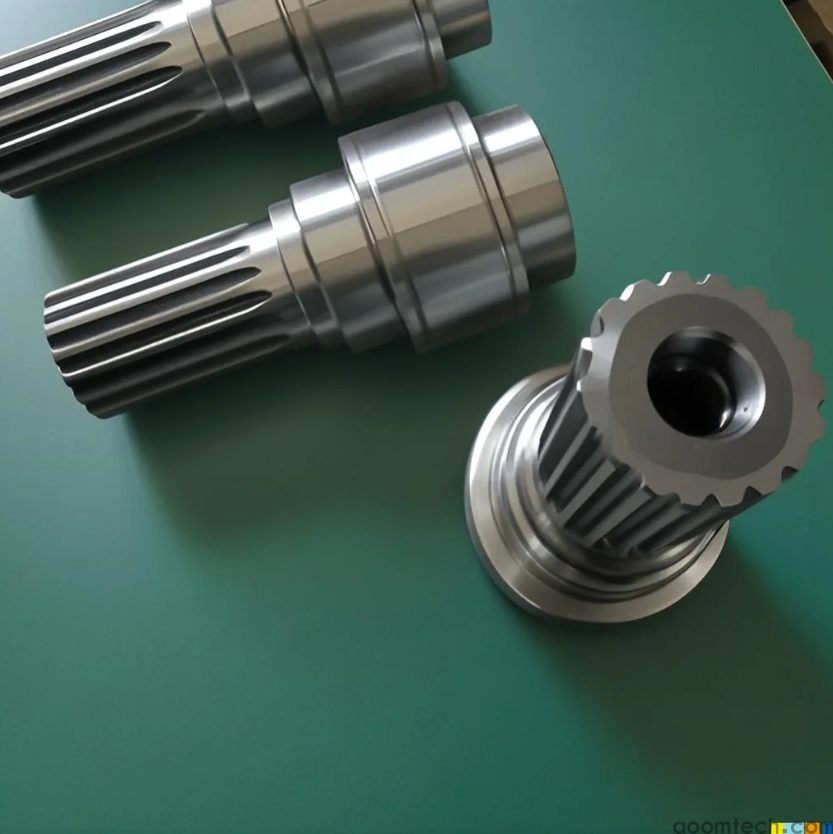
CNC splines are important mechanical features used to transfer torque and motion between rotating parts. They are widely used in systems such as automotive transmissions, industrial machines, robotics, and aerospace equipment. The CNC Spline Machining Services industry provides high-precision manufacturing solutions for these components using computer-controlled machines.
The significance of splines is that they ensure accurate alignment and efficient power transmission between connected parts. Without properly made splines, machines can suffer from vibration, wear, or even failure. CNC technology allows manufacturers to produce splines with high accuracy, making modern mechanical systems more reliable and efficient.
Advantages of CNC for Spline Machining
High Precision Manufacturing
CNC machining offers extremely high precision when producing splines. The computer-controlled process ensures that every tooth profile is consistent and within tight tolerances. This is especially important in systems where torque transfer must be smooth and accurate, such as automotive gearboxes.
For example, in a high-performance car drivetrain, a CNC-machined spline helps ensure smooth power transfer from the engine to the wheels. This reduces vibration, improves driving comfort, and decreases wear on surrounding components.
Related concept: advantages of CNC for spline machining include improved accuracy, reduced errors, and better performance stability.
Complex Spline Geometry Machining
CNC technology makes it possible to produce complex spline shapes such as involute splines, serrated splines, and custom-designed profiles. Traditional machining methods often struggle with such precision and complexity.
For instance, in a robotic arm joint, a custom spline design may be required to ensure smooth rotation and accurate movement. CNC machining can produce these intricate tooth profiles with high consistency, supporting advanced robotic functions.
Repeatability and Consistency
Once a CNC program is created, it can be reused to produce identical splines repeatedly. This ensures that every part in mass production has the same quality and dimensions.
An automotive manufacturer, for example, may produce thousands of splines for vehicle transmissions. CNC machining ensures that each spline fits perfectly, improving assembly efficiency and overall product reliability.
Process of CNC Spline Machining
Design and CAD/CAM Programming
The process begins with CAD (Computer-Aided Design), where engineers design a 3D model of the spline based on load requirements and application needs. Then CAM (Computer-Aided Manufacturing) software converts the design into machine instructions.
These instructions define tool paths, cutting speeds, and feed rates. For complex components like multi-stage splines used in heavy-duty gearboxes, programming must carefully control multiple machining steps to ensure accuracy and stability.
Related concept: process of CNC spline machining requires precise planning and simulation before production starts.
Material Selection and Preparation
Choosing the right material is essential for spline performance. Common materials include alloy steel, stainless steel, and aluminum. Each material offers different strength, wear resistance, and cost levels.
High-strength alloy steel, for example, may require slower cutting speeds and stronger tools. In some cases, materials are heat-treated before machining to improve hardness and stability.
Machining Operations
Milling
Milling is commonly used to create spline teeth. Specialized cutters shape the teeth with controlled depth and spacing. Proper selection of cutting speed and feed rate ensures accuracy and smooth surface finish.
Hobbing
Hobbing is another efficient method for producing splines, especially those with many teeth. A rotating cutting tool (hob) gradually shapes the spline as it moves through the material. Proper alignment between tool and workpiece is critical for accuracy.
Heat Treatment and Finishing Operations
After machining, splines often undergo heat treatment to improve hardness and wear resistance. Finishing processes like grinding or polishing further enhance surface quality and dimensional accuracy.
For example, a heat-treated and ground spline used in industrial machinery can last significantly longer under heavy load conditions.
Benefits of CNC-Machined Splines
Improved Mechanical Performance
High-precision splines reduce friction and improve torque transfer efficiency. This leads to smoother operation and better machine performance.
In industrial machines, CNC-machined splines can help reduce energy loss, improving productivity and lowering operating costs.
Related concept: benefits of CNC-machined splines include efficiency, durability, and smoother mechanical motion.
Customization for Specific Applications
CNC machining allows full customization of spline designs, including tooth shape, size, and material. This makes it suitable for specialized applications such as medical devices or aerospace systems.
For example, a medical device may require a uniquely designed spline for precise movement control, which CNC technology can accurately produce.
Cost-Effectiveness in the Long Run
Although CNC machining may have higher initial costs, it reduces long-term expenses by improving durability and reducing failures. Fewer replacements and lower maintenance needs make it a cost-effective solution over time.
A manufacturing company using CNC splines may experience fewer machine breakdowns and longer equipment life, leading to significant savings.
Challenges in CNC Spline Machining Services
Complex Programming and Setup
Programming CNC machines for spline production requires advanced skills. Complex geometries and multi-axis operations increase setup difficulty.
For example, a programming error can result in incorrect tooth profiles, leading to wasted material and production delays.
Related concept: challenges in CNC spline machining services often involve technical setup and operator expertise.
Tool Wear and Replacement
Machining hard materials can cause rapid tool wear. This increases production costs due to frequent tool replacement and maintenance.
For example, machining high-strength steel splines may require multiple tool changes during production, affecting efficiency and cost control.
Quality Control Requirements
Spline components must meet strict standards for accuracy, surface finish, and dimensional consistency. Maintaining uniform quality across large batches can be challenging.
Even small deviations may lead to misalignment in mechanical systems, causing performance issues or early failure.
Choosing a CNC Spline Machining Service Provider
Experience and Expertise in Spline Machining
When selecting a provider, experience is very important. Skilled manufacturers understand material behavior, tooling strategies, and complex spline designs.
A reliable provider can solve technical challenges more effectively, especially in demanding industries like aerospace or heavy machinery.
Related concept: choosing a CNC spline machining service provider requires evaluating technical experience and project history.
Quality Assurance Measures
A strong quality control system ensures that every spline meets required standards. This includes in-process inspections, final testing, and the use of calibrated measurement tools.
For example, a good provider may detect defects before shipping, preventing costly assembly problems for the customer.
Cost-Effectiveness and Pricing Transparency
Cost is important, but transparency is equally critical. A reliable service provider clearly explains pricing, including materials, machining, heat treatment, and finishing costs.
Comparing multiple quotes helps customers understand market pricing and choose the best value solution rather than just the lowest price.
Conclusion: Selecting the Ideal CNC Spline Machining Service
Summary and Key Takeaways
CNC Spline Machining Services play a key role in modern mechanical systems by providing precise, durable, and efficient spline components. The advantages include high precision, complex geometry capability, and consistent production quality. However, challenges such as programming complexity, tool wear, and strict quality control must also be considered.
By understanding the full process—from design and material selection to machining and finishing—businesses can make better decisions when sourcing splines. Choosing the right service provider ensures better performance, lower long-term costs, and improved system reliability.
For best results, start evaluating experienced suppliers who can meet your technical requirements and provide transparent, high-quality manufacturing support.
RELATED PRODUCTS
-
Medical Brass CNC Machining Parts
-
Precision CNC Machining PEEK Services
-
Precision Custom CNC Machined Car Parts
-
cnc machining optical housings
-
Precision CNC Casting Machining Services
-
Precision Gear CNC Machining Services
-
Precision Stainless Steel Parts CNC Mach
-
CNC Machining of Precision Aluminum Tube
-
CNC Machining of Large Precision Aluminu
-
CNC Machining & Manufacturing of Pre