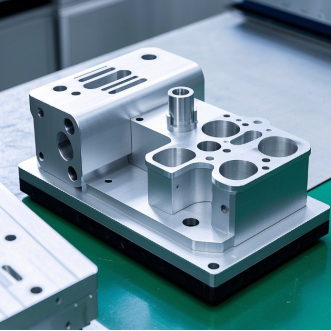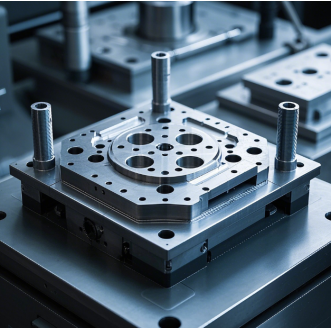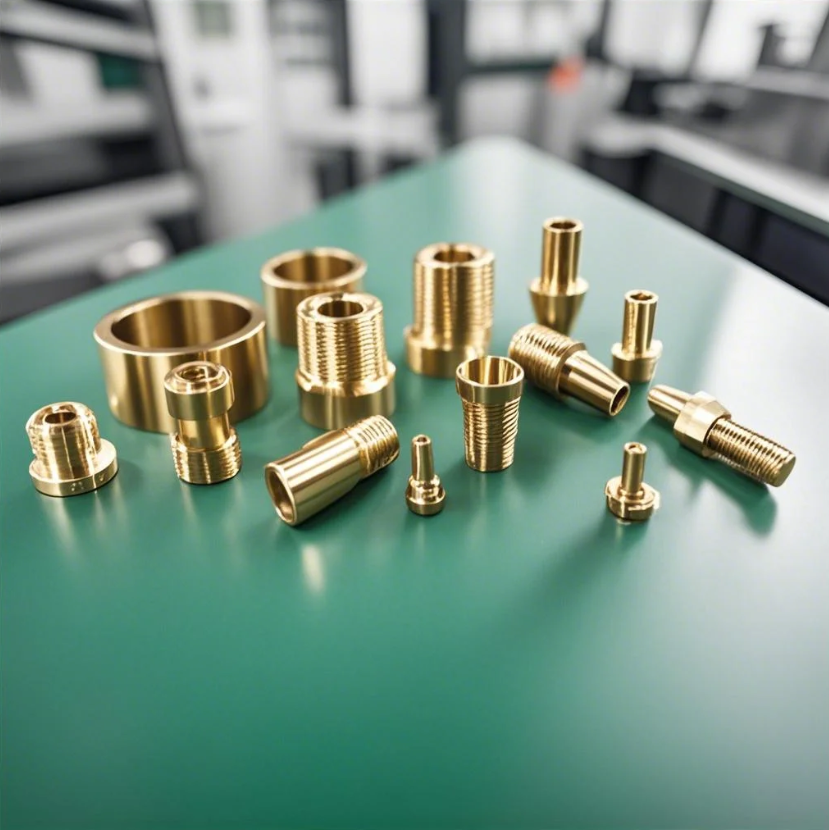
Copper parts CNC Machining
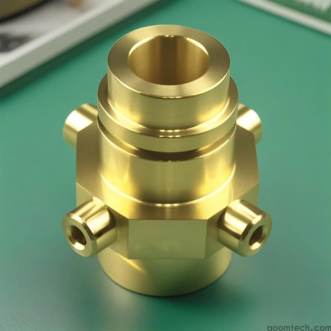
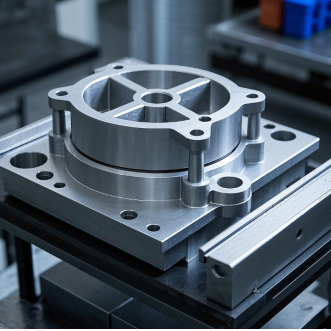
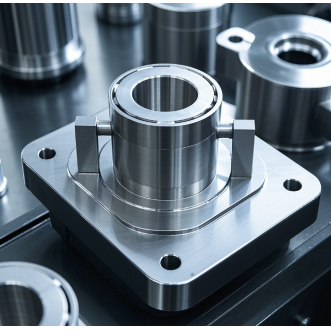
Copper parts CNC Machining is a modern manufacturing method used to produce highly precise copper components for industries such as electronics, electrical engineering, automotive, telecommunications, and renewable energy. Copper is widely valued for its excellent electrical conductivity, thermal conductivity, corrosion resistance, and good formability. CNC (Computer Numerical Control) machining provides a reliable way to turn copper materials into complex and accurate parts with consistent quality.
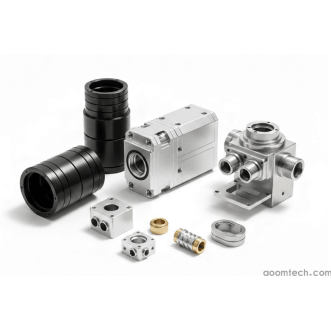
In real-world applications, CNC-machined copper parts play an important role in ensuring stable electrical connections, efficient heat transfer, and long-term product performance. From micro connectors in smartphones to large heat sinks in industrial equipment, copper components are essential for modern technology.
This article explains the significance of CNC machining for copper parts, the full machining workflow, benefits of CNC-machined copper parts, common challenges, and quality control in CNC machining of copper parts.
Significance of CNC Machining for Copper Parts
Precision Manufacturing
CNC machining enables extremely high precision when producing copper parts. The process is controlled by computer programs, which ensures tight tolerances, accurate dimensions, and repeatable quality across large production batches. This level of accuracy is especially important in industries where even small errors can affect performance.
For example, a high-precision copper connector used in an electronic device must fit perfectly with other components to ensure stable electrical flow. CNC machining guarantees this precision and reduces the risk of connection failure.
Complex Geometry Creation
CNC technology also makes it possible to manufacture copper parts with complex and detailed shapes that would be difficult or impossible using traditional methods. Designers can create advanced 3D models, and CNC machines can accurately reproduce them.
For instance, a copper heat sink with complex fin structures can be produced using CNC machining. These intricate fins increase surface area, improving heat dissipation and overall system performance.
Machining Process of Copper Parts by CNC
Design and CAD/CAM Programming
The process begins with CAD (Computer-Aided Design), where engineers create a detailed 3D model of the copper part. The design includes functional requirements, assembly conditions, and industry standards.
Next, CAM (Computer-Aided Manufacturing) software converts the design into machine instructions. This includes toolpaths, cutting speeds, feed rates, and spindle speeds.
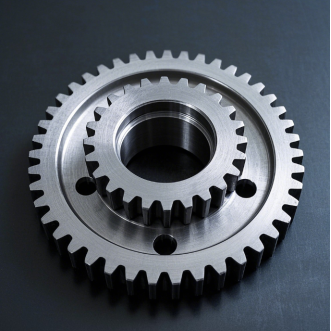
For example, when producing a precision copper gear, programmers must carefully control tool engagement and cutting paths to avoid deformation due to copper’s softness and ductility.
Material Selection and Preparation
Choosing the correct copper grade is essential. Different copper alloys offer different levels of conductivity, strength, and machinability. Some common options include pure copper and copper alloys such as brass or bronze.
Before machining, the material is cut into suitable sizes. In some cases, heat treatment such as annealing is applied to improve machinability. Softer copper alloys require adjusted cutting speeds to avoid surface deformation during machining.
Machining Operations
Milling
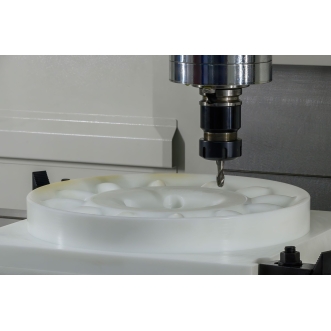
Milling is used to create flat surfaces, grooves, pockets, and complex shapes. Carbide cutting tools are commonly used due to their durability.
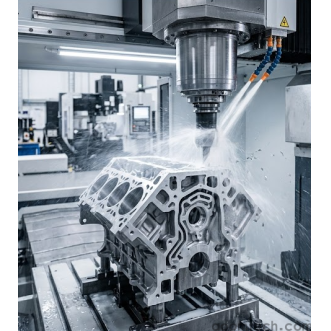
Because copper is soft and sticky, cutting parameters must be carefully adjusted. Higher cutting speeds are often used to reduce material adhesion, while proper cooling helps prevent overheating and surface smearing.
Turning
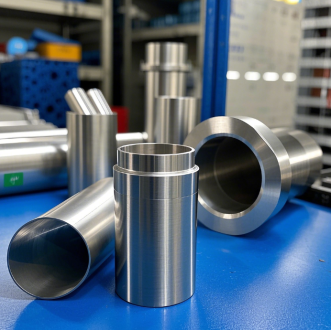
Turning is used for cylindrical copper parts. The workpiece rotates while the cutting tool removes material. This process requires precise control to ensure roundness and smooth surface finish.
Tool selection is important because copper’s ductility can cause built-up edges on cutting tools. Sharp carbide inserts and proper lubrication help maintain accuracy and surface quality.
Drilling
Drilling creates holes in copper components using high-speed steel or carbide drill bits. Proper feed rate and coolant usage are essential to avoid burrs and drill bit damage.
Accurate hole placement is critical in electrical components where alignment affects conductivity and assembly quality.
Finishing Operations
After machining, finishing processes may be applied to improve performance and appearance. These include polishing, plating (such as nickel or tin plating), and surface cleaning.
For example, a polished and nickel-plated copper part can offer improved corrosion resistance and better electrical performance in harsh environments.
Benefits of CNC-Machined Copper Parts
High-Quality Output
CNC machining ensures consistent and high-quality copper parts. Every piece is produced according to the same digital instructions, reducing variation between parts.
For example, batches of copper electrical contacts manufactured by CNC machines maintain stable conductivity and reliable performance in electronic systems.
Cost-Effectiveness for Medium-to-Large Batches
Although setup costs exist, CNC machining becomes cost-efficient for medium and large production runs. Material waste is minimized, and production speed is optimized.
A manufacturing company producing thousands of copper connectors can reduce overall costs by using CNC machining instead of manual production methods.
Quick Turnaround for Prototyping
CNC machining is ideal for fast prototyping. Once the design is ready, the machine can quickly produce sample parts without needing complex tooling.
For example, a company developing a new electronic device can quickly produce copper prototypes to test thermal and electrical performance, speeding up product development.
Challenges in CNC Machining of Copper Parts
Tool Wear and Breakage
Although copper is soft, it can still cause tool wear due to its adhesive nature. Chip buildup and heat generation can reduce tool life.
For example, carbide milling tools may require frequent replacement when producing large quantities of copper parts. Using proper cutting fluid and optimized toolpaths helps extend tool life.
Heat Generation and Dimensional Changes
Copper has high thermal conductivity, which can lead to heat buildup during machining. This may cause thermal expansion and affect dimensional accuracy.
To solve this, manufacturers use coolant systems, controlled cutting speeds, and allow parts to stabilize before final measurement.
Surface Finish and Burring
Copper’s softness can lead to burr formation and surface smearing if cutting parameters are not optimized. This affects both appearance and functionality.
Adjusting feed rates, using sharp tools, and applying post-machining deburring processes can significantly improve surface quality.
Quality Control in CNC Machining of Copper Parts
Inspection of Dimensions
Accurate measurement tools such as calipers, micrometers, and coordinate measuring machines (CMM) are used to verify dimensions.
For example, a CMM may detect small dimensional deviations in a copper shaft, allowing corrections before final assembly.
Surface Finish Inspection
Surface quality is evaluated using visual inspection and roughness measurement tools. A smooth surface is essential for electrical and mechanical performance.
If roughness or defects are found, polishing or rework is applied to meet required standards.
Electrical and Thermal Property Testing
Copper parts are often tested for conductivity and thermal performance to ensure they meet functional requirements.
For instance, if a batch of copper components shows lower conductivity than expected, adjustments in material selection or machining parameters may be required.
Conclusion: Mastering Copper Parts CNC Machining
Copper parts CNC Machining is a critical process in modern manufacturing. It combines precision engineering, advanced software programming, and controlled machining operations to produce high-quality copper components.
Understanding the machining process of copper parts by CNC, recognizing the benefits of CNC-machined copper parts, and managing the challenges in CNC machining of copper parts are essential for achieving reliable production results.
Strong quality control in CNC machining of copper parts ensures that every component meets strict performance standards in electrical, thermal, and mechanical applications.
By applying these principles, manufacturers can improve efficiency, reduce costs, and produce copper parts that meet the demands of modern industries.
RELATED PRODUCTS
-
Medical Brass CNC Machining Parts
-
Precision CNC Machining PEEK Services
-
Precision Custom CNC Machined Car Parts
-
cnc machining optical housings
-
Precision CNC Casting Machining Services
-
Precision Gear CNC Machining Services
-
Precision Stainless Steel Parts CNC Mach
-
CNC Machining of Precision Aluminum Tube
-
CNC Machining of Large Precision Aluminu
-
CNC Machining & Manufacturing of Pre