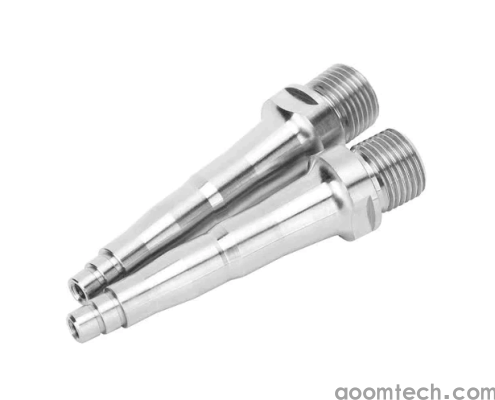
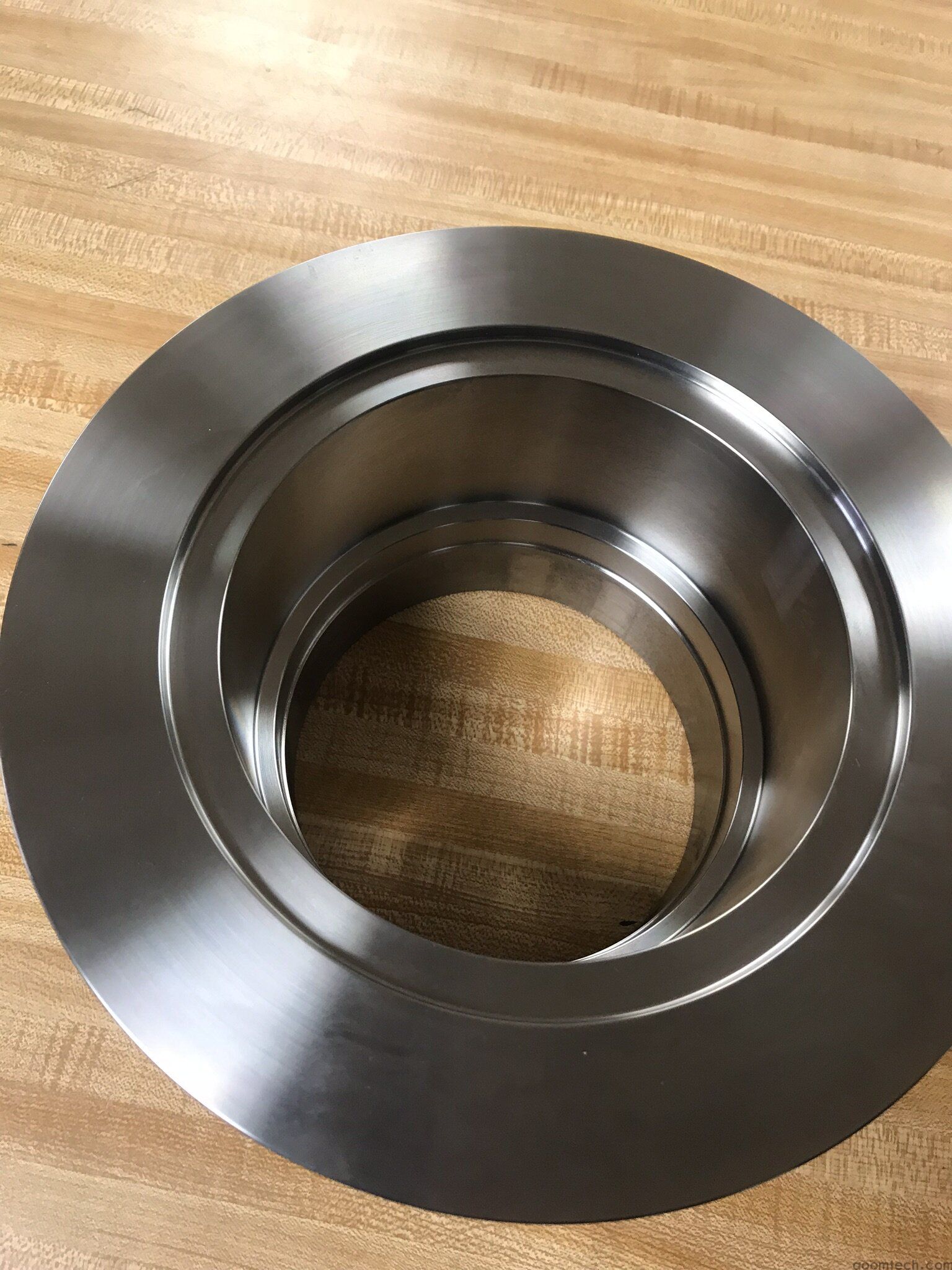
Cost-Optimized CNC Turning Services
Cost - Optimized CNC Turning Services are an essential part of today’s competitive manufacturing world. CNC turning is a precision machining process used to produce cylindrical or rotational parts such as shafts, bushings, pins, and fittings. When this process is optimized for cost efficiency, businesses can reduce production expenses while still maintaining high product quality.
In industries such as automotive, machinery, aerospace, medical devices, and electronics, even small improvements in machining cost can significantly affect overall profitability. This article explains what cost - optimized CNC turning services are, why they matter, and how companies can effectively achieve cost - optimization in CNC turning while selecting the right service provider.
The Significance of Cost - Optimized CNC Turning Services
Cost - Optimized CNC Turning Services help manufacturers produce high-precision parts at the lowest possible cost without sacrificing performance or reliability. This balance is critical in global supply chains where price competition is strong and product quality standards are strict.
For example, in the automotive industry, mass-produced engine components such as pistons and shafts rely heavily on CNC turning. Reducing machining costs even slightly can lead to large savings when producing thousands or millions of units. Similarly, in electronics, precision turned components like connectors and housings must be affordable to keep consumer device prices competitive.
By combining precision engineering with efficient production planning, these services allow companies to scale production while controlling expenses effectively.
Why Cost - Optimization in CNC Turning is Important
Enhanced Competitiveness
Cost - optimized CNC turning services directly improve a company’s competitiveness. When production costs decrease, businesses can offer more attractive pricing to customers without reducing profit margins.
For example, in the automotive sector, reducing the cost of CNC-turned components such as transmission shafts or brake system parts can lower the total vehicle production cost. This allows manufacturers to offer more affordable vehicles and gain a stronger market position.
This approach is a key part of modern cost-optimization in CNC turning, where efficiency and precision are balanced to support market growth.
Profit Margin Improvement
Lower machining costs directly increase profit margins. When the cost of CNC turning decreases, the overall cost of goods sold (COGS) is reduced, allowing businesses to retain more profit per product.
Companies can reinvest these savings into research and development, product innovation, automation, or marketing activities. This creates a positive cycle of growth and competitiveness in long-term business strategy.
How to Achieve Cost - Optimization in CNC Turning Services
Achieving efficient cost-optimization in CNC turning requires a combination of smart engineering decisions, production planning, and process control. Below are the most important factors.
Material Selection
Material selection for cost-optimized CNC turning is one of the most important cost drivers in manufacturing. Different materials vary significantly in price, machinability, and performance.
For example, aluminum is often more cost-effective and easier to machine than stainless steel or alloy steel. If a part does not require extreme strength or heat resistance, selecting aluminum or engineering plastics can significantly reduce machining time and tool wear.
Other important considerations include material availability, supply chain stability, and waste reduction during machining. Choosing widely available materials can also reduce lead times and inventory costs.
Tooling and Cutting Parameters
Tool selection and machining parameters have a direct impact on production cost and efficiency. Using high-quality cutting tools such as carbide inserts can extend tool life and reduce replacement frequency.
Optimizing spindle speed, feed rate, and cutting depth helps reduce machining time while maintaining surface quality. For softer materials, higher speeds and feeds can be used to increase productivity. For harder materials, more conservative parameters help avoid tool damage and rework.
Proper toolpath optimization also reduces unnecessary movement, lowering cycle time and energy consumption.
Production Volume and Batch Sizes
Production planning plays a major role in choosing cost-optimized CNC turning services. Larger batch sizes typically reduce cost per unit because fixed setup costs are spread across more parts.
For example, machine setup, programming, and calibration take the same time whether producing 10 or 1,000 parts. Increasing batch size improves economies of scale and reduces unit cost.
However, excessively large batches may increase inventory storage costs and reduce flexibility. A balanced production strategy is needed to avoid overproduction while still benefiting from scale efficiency.
Process Optimization
Process optimization focuses on improving efficiency throughout the CNC turning workflow. This includes reducing setup time, improving machine utilization, and eliminating unnecessary machining steps.
For example, using quick-change tooling systems can significantly reduce machine downtime during tool replacement. Similarly, optimized CNC programming reduces idle tool movement and improves cycle time efficiency.
Lean manufacturing principles are often applied in CNC machining environments to continuously identify and remove inefficiencies.
What to Consider When Choosing Cost - Optimized CNC Turning Services
When selecting a supplier for Cost - Optimized CNC Turning Services, it is important to evaluate more than just price. True cost efficiency comes from balancing cost, quality, and reliability.
Quality Assurance
Even when cost is a priority, quality cannot be compromised. Poor-quality parts can lead to product failure, rework, or safety issues, which ultimately increase total cost.
A reliable service provider should have a strong quality control system, including:
In-process inspection during machining
Final inspection before delivery
Use of precision measurement tools such as CMM (Coordinate Measuring Machines)
Clear handling procedures for non-conforming parts
Quality assurance is a key indicator of professional CNC machining capability and long-term reliability.
Turnaround Time
Fast and reliable delivery is critical in modern manufacturing. Even if a supplier offers low-cost CNC turning, delays can disrupt production schedules and increase overall project costs.
When comparing suppliers, consider their average lead time, production capacity, and on-time delivery performance. A well-balanced provider ensures both cost efficiency and timely delivery.
Service Provider Expertise
Technical expertise plays a major role in achieving true cost efficiency. Experienced engineers can identify better machining strategies, recommend suitable materials, and optimize production processes effectively.
To evaluate expertise, companies can review:
Past project case studies
Industry experience (automotive, aerospace, electronics, etc.)
Engineering qualifications and certifications
Customer feedback and references
Choosing an experienced partner ensures better decision-making throughout the production process, leading to more reliable cost savings.
Conclusion
Cost - Optimized CNC Turning Services are essential for companies that want to remain competitive in today’s global manufacturing environment. By carefully managing material selection, tooling strategies, production volume, and process efficiency, businesses can significantly reduce manufacturing costs while maintaining high quality standards.
At the same time, selecting the right service provider is equally important. A strong partner should offer not only competitive pricing but also technical expertise, reliable quality control, and consistent delivery performance.
Ultimately, successful cost-optimization in CNC turning is not about cutting corners—it is about making smarter engineering and business decisions that improve both efficiency and long-term profitability.
By applying these principles, manufacturers can fully benefit from modern CNC technology and achieve sustainable growth in highly competitive markets.
RELATED PRODUCTS
-
Medical Brass CNC Machining Parts
-
Precision CNC Machining PEEK Services
-
Precision Custom CNC Machined Car Parts
-
cnc machining optical housings
-
Precision CNC Casting Machining Services
-
Precision Gear CNC Machining Services
-
Precision Stainless Steel Parts CNC Mach
-
CNC Machining of Precision Aluminum Tube
-
CNC Machining of Large Precision Aluminu
-
CNC Machining & Manufacturing of Pre