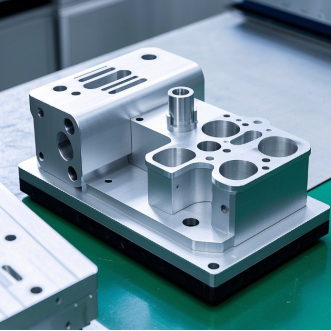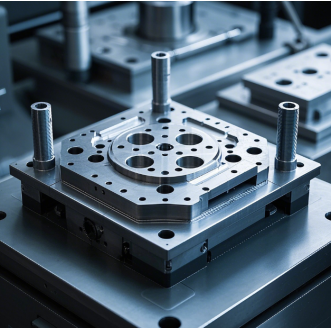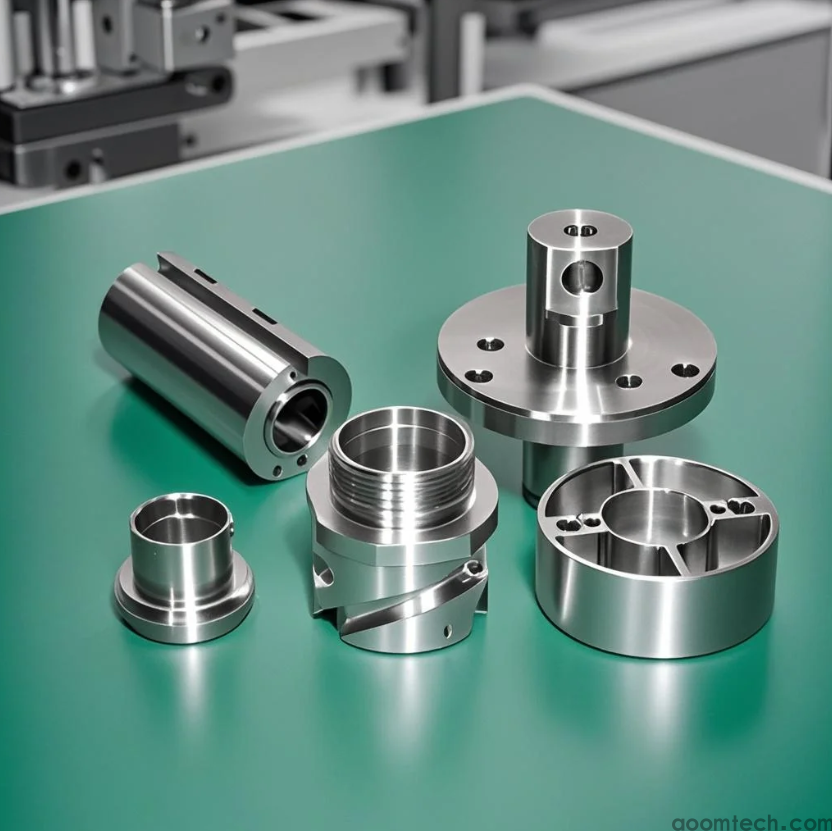
Custom Aluminum Parts CNC Machining
Introduction to Custom Aluminum Parts CNC Machining
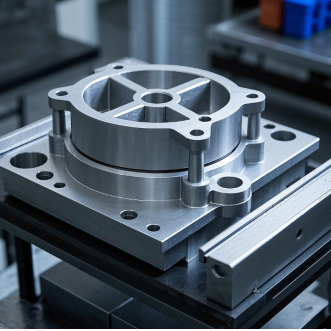
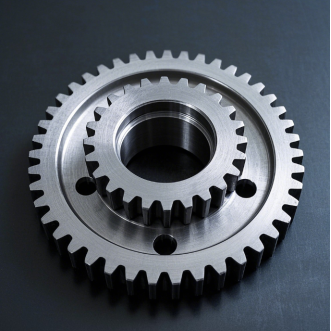
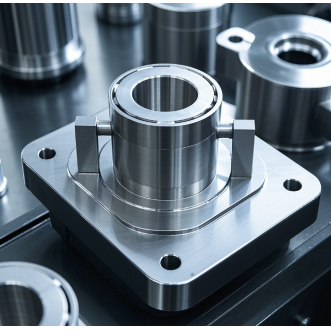
Custom Aluminum Parts CNC Machining plays a critical role in modern manufacturing. CNC (Computer Numerical Control) machining allows precise and repeatable production of aluminum components tailored to specific requirements. Because aluminum has unique physical and mechanical properties, it has become one of the most widely used materials for custom parts across industries such as aerospace, automotive, electronics, and industrial equipment.
Custom-made aluminum parts help engineers and product designers meet strict performance, weight, and durability requirements. Understanding how aluminum CNC machining works is valuable for improving product quality, reducing costs, and optimizing manufacturing efficiency. This knowledge also helps companies select the right materials, tools, and processes for their applications.
Advantages of Using Aluminum for Custom Parts
Lightweight and High Strength-to-Weight Ratio
One of the biggest advantages of aluminum is its lightweight nature. Compared to steel and other metals, aluminum significantly reduces overall part weight while still maintaining strong mechanical performance. This high strength-to-weight ratio is especially important in industries where weight reduction directly improves performance.
For example, in the aerospace industry, lighter components reduce fuel consumption and improve flight efficiency. In the automotive industry, aluminum parts help reduce vehicle weight, leading to better fuel economy and lower emissions. In electronics, lightweight aluminum housings improve portability without sacrificing durability.
Excellent Machinability
Another key benefit of aluminum is its excellent machinability. Aluminum is easier to cut, drill, and mill compared to harder metals. This allows manufacturers to use higher cutting speeds and achieve faster production cycles.
Because aluminum produces less tool wear, it reduces machining costs and extends tool life. It also allows for smoother surface finishes and higher precision. These factors make aluminum highly cost-effective for Custom Aluminum Parts CNC Machining, especially in high-volume production environments.
Corrosion Resistance
Aluminum naturally forms a thin oxide layer when exposed to air. This layer protects the material from corrosion and rust, making it suitable for use in harsh or outdoor environments.
This property is especially important for marine components, outdoor equipment, and industrial machinery that operates in humid or chemically exposed conditions. In many cases, aluminum parts do not require additional protective coatings, further reducing manufacturing costs.
The CNC Machining Process for Aluminum Parts
Design and Programming
The CNC machining process for custom aluminum parts begins with product design. Engineers use CAD (Computer-Aided Design) software to create a detailed 3D model of the part. This model defines dimensions, tolerances, and functional requirements.
Next, CAM (Computer-Aided Manufacturing) software converts the CAD model into machine-readable instructions. These instructions define toolpaths, spindle speeds, feed rates, and cutting depths. Proper programming ensures efficiency, accuracy, and stability during machining.
Machine Setup and Tooling
Before machining begins, the CNC machine must be properly configured. Fixtures are used to securely hold the aluminum workpiece in place. Since aluminum is relatively soft, careful fixture design is required to avoid deformation during clamping.
Tool selection is also essential. Common tools include carbide end mills, drills, and turning inserts specifically designed for aluminum. These tools are chosen based on machining operations such as milling, turning, or drilling. Machine parameters like spindle speed and feed rate are carefully adjusted to match aluminum’s properties.
Machining Operations
Milling
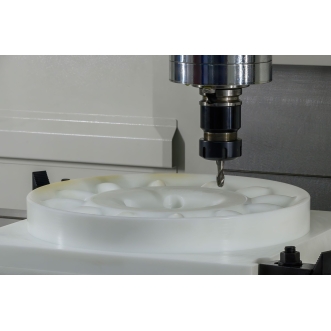
Milling is used to create flat surfaces, slots, holes, and complex 3D shapes. Tool geometry plays an important role in machining quality. Ball-end mills are used for curved surfaces, while flat-end mills are used for straight edges and slots.
Proper chip evacuation is essential because aluminum chips can become long and sticky. If not controlled, chips may affect surface quality and machining accuracy.
Turning
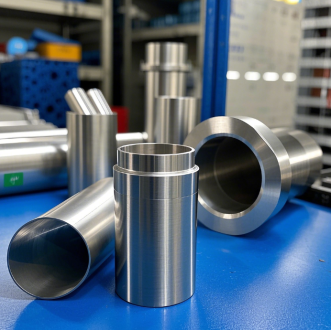
Turning is used to produce cylindrical aluminum parts. The workpiece rotates while a cutting tool removes material to achieve the desired shape.
Maintaining concentricity and surface finish requires precise tool alignment and stable feed rates. Specialized inserts designed for aluminum help improve accuracy and reduce surface defects.
Drilling
Drilling operations create holes in aluminum parts. High spindle speeds are typically used due to aluminum’s softness. However, heat control is important to avoid tool wear or material deformation.
Correct drill selection and feed rate adjustment ensure clean, accurate holes and reduce the risk of tool breakage.
Tooling and Material Considerations in Aluminum Machining
Tool Wear and Replacement
Although aluminum is easy to machine, tool wear still occurs due to high-speed cutting and chip formation. Regular inspection is required to ensure tools remain sharp and effective.
Timely tool replacement is essential for maintaining precision and surface quality. Monitoring systems can also help detect wear before it affects production quality.
Aluminum Alloy Selection
Choosing the correct aluminum alloy is a key factor in achieving optimal performance. Different alloys offer different combinations of strength, machinability, and corrosion resistance.
6061 aluminum alloy: Widely used for general applications due to balanced strength and machinability.
7075 aluminum alloy: High-strength material commonly used in aerospace and high-performance engineering applications.
Selecting the right alloy depends on the functional requirements of the final part, including load conditions, environmental exposure, and cost considerations.
Quality Control in Custom Aluminum Parts CNC Machining
In-Process Inspection
In-process inspection is an essential part of quality control in custom aluminum parts machining. During production, measurements are continuously taken using tools such as calipers, micrometers, and surface roughness testers.
If deviations are detected, machine parameters are adjusted immediately to maintain accuracy. This helps prevent defects and reduces material waste.
Final Inspection
After machining is completed, a final inspection ensures the part meets all design requirements. Coordinate Measuring Machines (CMM) are commonly used for high-precision measurement.
Inspection focuses on dimensional accuracy, surface finish, and structural integrity. Parts that do not meet specifications may be reworked or discarded depending on severity.
Applications of Custom Aluminum Parts Machined by CNC
Aerospace Industry
In aerospace applications, aluminum is widely used due to its lightweight and strong performance. Components such as brackets, structural frames, and engine parts rely on CNC machining for precision and reliability.
High accuracy is essential in aerospace manufacturing because even small deviations can affect safety and performance.
Automotive Industry
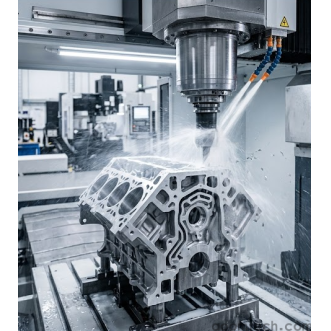
In the automotive industry, aluminum parts are used to reduce vehicle weight and improve efficiency. Engine components, transmission housings, and suspension parts are commonly produced using CNC machining.
These improvements contribute to better fuel economy, lower emissions, and enhanced driving performance.
Electronics Industry
Aluminum is widely used in electronics for heat dissipation and structural enclosures. Heat sinks, device housings, and connectors are commonly produced using CNC machining.
Its thermal conductivity helps protect sensitive electronic components from overheating, improving device reliability and lifespan.
Conclusion: Mastering Custom Aluminum Parts CNC Machining
Custom Aluminum Parts CNC Machining is a highly efficient and precise manufacturing method that supports many modern industries. Understanding the advantages of custom aluminum CNC parts, the CNC machining process for custom aluminum parts, and quality control in custom aluminum parts machining is essential for achieving consistent and high-quality results.
From material selection and tooling to machining strategies and inspection methods, each step plays an important role in product success. Manufacturers and engineers who stay updated with machining technologies and aluminum alloy developments can significantly improve production efficiency and product performance.
In summary, aluminum CNC machining continues to be a cornerstone of advanced manufacturing due to its versatility, cost-effectiveness, and strong performance characteristics.
RELATED PRODUCTS
-
Medical Brass CNC Machining Parts
-
Precision CNC Machining PEEK Services
-
Precision Custom CNC Machined Car Parts
-
cnc machining optical housings
-
Precision CNC Casting Machining Services
-
Precision Gear CNC Machining Services
-
Precision Stainless Steel Parts CNC Mach
-
CNC Machining of Precision Aluminum Tube
-
CNC Machining of Large Precision Aluminu
-
CNC Machining & Manufacturing of Pre