Custom CNC Machining for Gears
Introduction to Custom CNC Machining for Gears
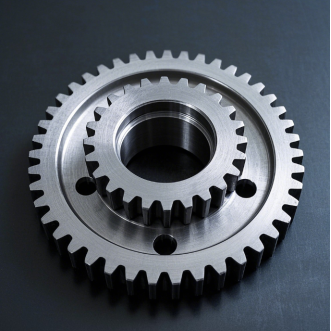
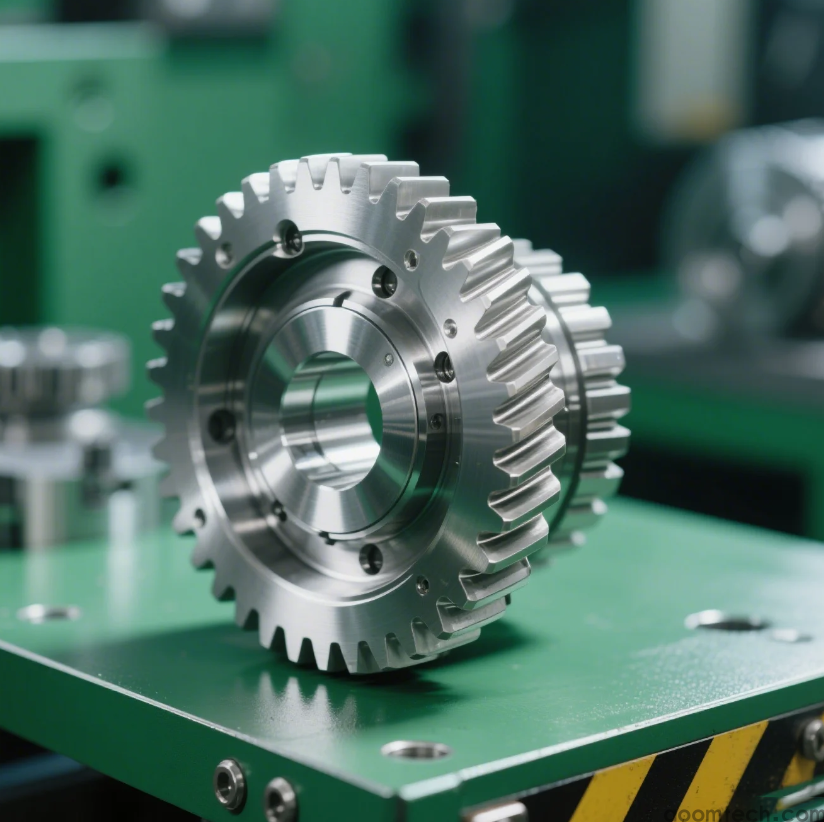
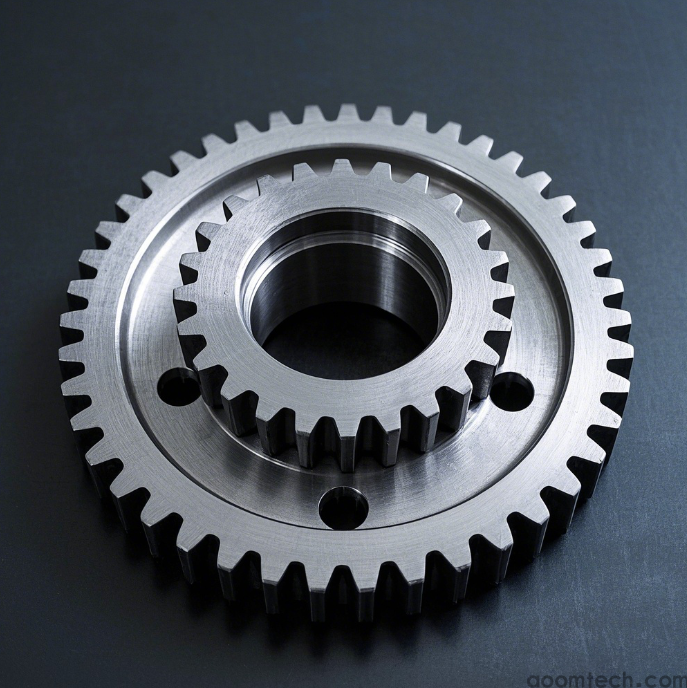
Custom CNC Machining for Gears is a modern manufacturing approach used to produce highly accurate gears designed for specific mechanical applications. Gears are essential components in machines that require controlled motion, power transmission, and speed adjustment. CNC (Computer Numerical Control) technology allows manufacturers to create gears with high precision, consistency, and repeatability, even for complex or customized designs.
The Role of Gears in Machinery
Gears are fundamental parts of many mechanical systems, from small devices to large industrial machines. They transfer power between components, change rotation speed, and adjust torque or direction of motion. For example, in cars, gears in the transmission system help vehicles change speed smoothly and efficiently. In industrial conveyor systems, gears ensure continuous movement and stable operation under heavy loads.
Because gears directly affect performance, even a small manufacturing error can lead to serious mechanical problems such as vibration, noise, or system failure.
Importance of Custom CNC Machining for Gears
Precision Manufacturing
CNC technology enables extremely accurate gear production, especially for tooth profile, pitch diameter, and spacing. This precision ensures smooth meshing between gears, which reduces friction and improves energy efficiency.
High-precision gear production also helps reduce wear and tear, extend machine lifespan, and minimize operational noise. Poorly manufactured gears can cause vibration, energy loss, and early equipment breakdown, which increases maintenance costs and downtime.
Customization for Specific Applications
One of the key advantages of custom CNC machining for gears is flexibility. Different industries require different gear specifications, including size, load capacity, shape, and material.
For example, a mining machine may require large, high-torque gears designed for heavy-duty operation, while a watch mechanism needs extremely small and precise gears for accurate timekeeping. CNC machining allows engineers to meet these unique requirements with high accuracy.
Cost-Effectiveness for Small-Batch Production
For specialized or low-volume production, CNC machining is a cost-effective solution. Once the CNC program is created, manufacturers can produce multiple identical gears with consistent quality.
This is especially useful for maintenance of older machines, prototype development, and industries that require small quantities of customized parts. It reduces tooling costs and shortens production time compared to traditional manufacturing methods.
CNC Machining Processes for Gears
Gear Hobbing
CNC gear hobbing is one of the most widely used processes for manufacturing gears. In this method, a rotating cutting tool called a hob gradually cuts the gear teeth into the workpiece.
The process requires careful selection of tools based on gear type, such as spur gears or helical gears, and material type. Key cutting parameters include hob speed, feed rate, and cutting depth. For example, machining a steel gear requires different settings compared to an aluminum gear due to differences in hardness and heat resistance.
Gear Milling
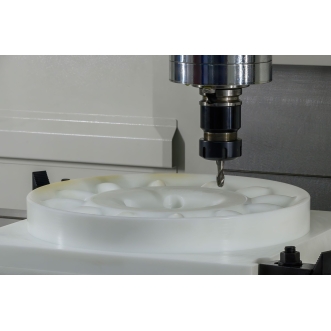
Gear milling is used when gear shapes are complex or when hobbing is not suitable. A milling cutter removes material to form the gear teeth with high accuracy.
Proper control of tooth spacing, profile accuracy, and dimensional precision is essential. This method is commonly used for bevel gears or custom-shaped gears where special geometry is required. Adjusting cutter angles and movement paths ensures precise gear formation.
Heat Treatment and Finishing
Heat treatment processes such as quenching and tempering are used to improve gear strength, hardness, and wear resistance. These processes help gears withstand high loads and harsh working conditions.
After heat treatment, finishing processes like grinding or honing are applied to improve surface smoothness and dimensional accuracy. This reduces friction and ensures quieter, smoother gear operation.
Materials Used in Custom CNC Machining of Gears
Metals
Common materials for custom-made CNC gears include steel, alloy steel, and bronze. Steel is widely used because of its strength, durability, and affordability. Alloy steels are chosen for high-performance applications requiring extra hardness and wear resistance.
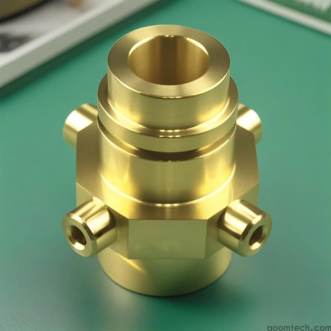
Bronze is often used in applications that require self-lubrication and corrosion resistance, such as marine or low-maintenance systems. Each metal has different machining characteristics, and proper tool selection is important to achieve high-quality results.
Plastics
Plastics such as nylon, polycarbonate, and acetal are also used in gear manufacturing. These materials are lightweight, cost-effective, and can reduce noise during operation.
Nylon gears are commonly used in household appliances due to their wear resistance and quiet performance. Polycarbonate offers excellent impact resistance, while acetal provides strong dimensional stability. However, machining parameters must be carefully controlled to avoid melting, warping, or deformation during production.
Choosing a CNC Machining Service Provider for Custom Gears
Technical Expertise
When selecting a supplier, technical knowledge is critical. A reliable provider of custom CNC gear machining should understand gear geometry, material behavior, and machining processes.
Evaluating case studies, checking engineering experience, and reviewing sample gears can help determine their capability. Providers experienced in industries like automotive or aerospace are often more reliable for high-precision requirements.
Quality Assurance
A strong quality control system ensures that every gear meets strict performance standards. Professional manufacturers use advanced measuring tools such as gear tooth calipers, profilometers, and hardness testers.
Quality assurance typically includes in-process inspections and final inspections to detect defects early. This prevents production errors and ensures consistent product reliability, especially in high-performance applications.
Cost-Effectiveness and Lead Times
Cost is important, but it should always be balanced with quality and reliability. Comparing multiple suppliers helps identify fair pricing for required specifications.
Another key factor is delivery time. A reliable provider should offer realistic lead times and maintain consistent on-time delivery performance. This is especially important for industries where downtime can be costly.
Conclusion
Custom CNC Machining for Gears plays a vital role in modern manufacturing by enabling high precision, flexibility, and efficiency in gear production. From CNC gear hobbing to advanced finishing processes, this technology ensures that gears meet strict performance requirements across industries.
By understanding materials for custom-made CNC gears and carefully evaluating choosing a provider for custom CNC gear machining, businesses can achieve better performance, longer machine life, and reduced operational costs. Whether for small prototypes or industrial-scale production, CNC machining remains one of the most reliable solutions for modern gear manufacturing.
RELATED PRODUCTS
-
Medical Brass CNC Machining Parts
-
Precision CNC Machining PEEK Services
-
Precision Custom CNC Machined Car Parts
-
cnc machining optical housings
-
Precision CNC Casting Machining Services
-
Precision Gear CNC Machining Services
-
Precision Stainless Steel Parts CNC Mach
-
CNC Machining of Precision Aluminum Tube
-
CNC Machining of Large Precision Aluminu
-
CNC Machining & Manufacturing of Pre