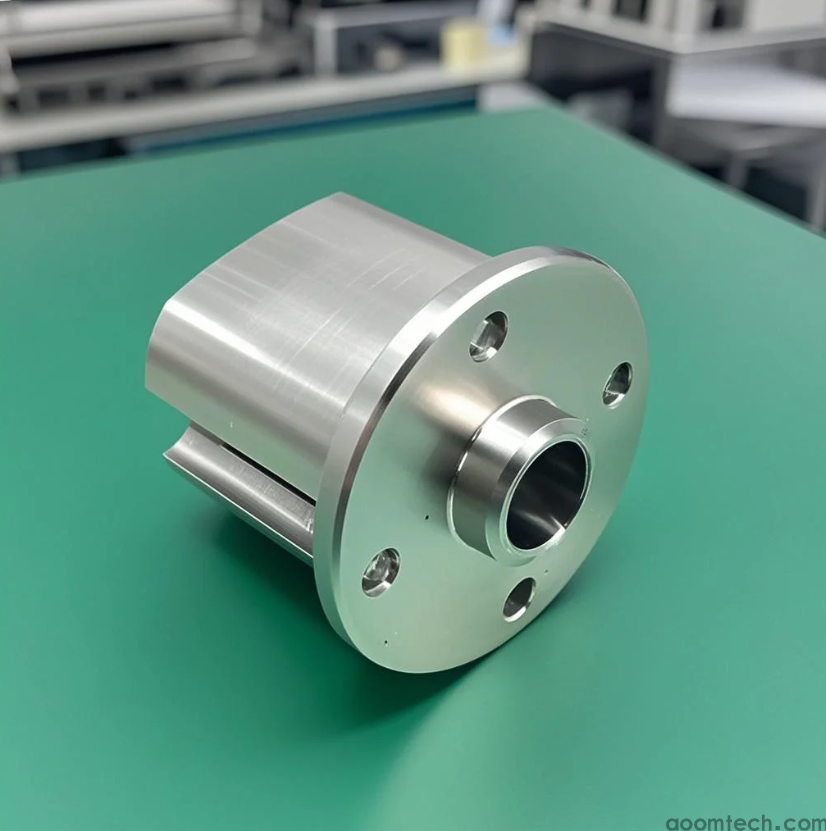
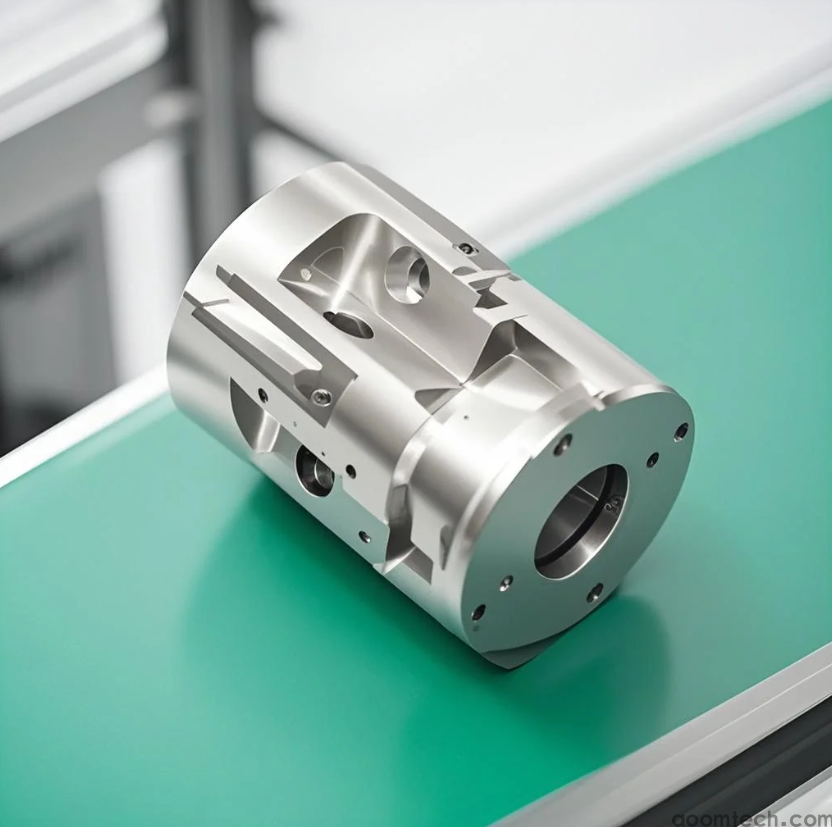
Custom CNC Machining Service for Non-standard Aluminum Parts
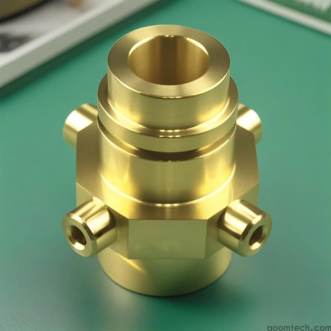
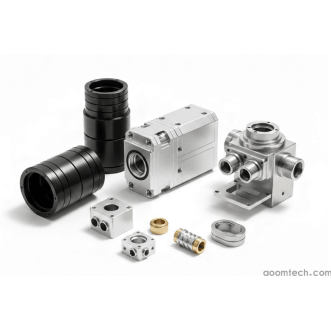
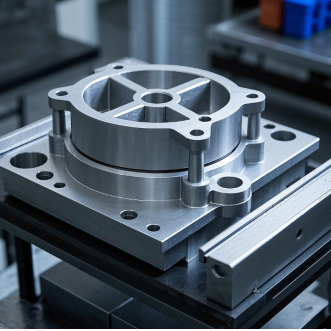
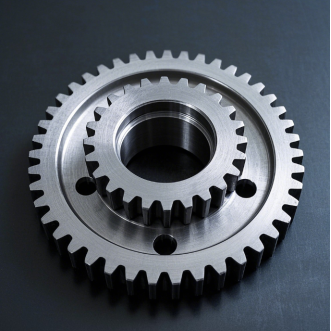
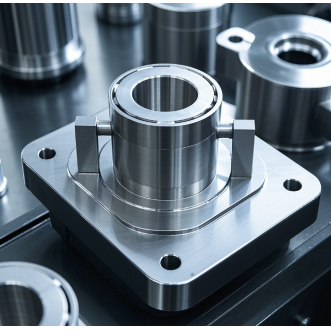
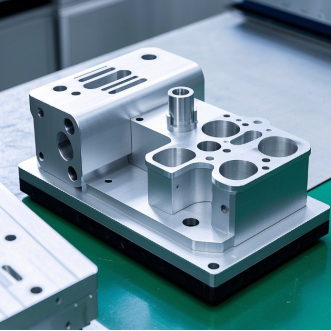
In modern manufacturing, many industries require components that cannot be found in standard catalogs. These are known as non-standard aluminum parts, and they are essential for applications where unique shapes, special functions, or tight performance requirements are needed. A Custom CNC Machining Service for Non-standard Aluminum Parts provides the technology and expertise to produce these components with high accuracy, consistency, and efficiency.
Introduction to Custom CNC Machining Service for Non-standard Aluminum Parts
Custom CNC machining is a manufacturing process that uses computer-controlled machines to shape aluminum into precise parts based on digital designs. Unlike standard parts produced in bulk, non-standard aluminum parts are designed for specific applications and often require complex geometries or tight tolerances.
The Significance of Non-standard Aluminum Parts
Non-standard aluminum parts play a critical role in industries where standard components cannot meet design or performance needs. Aluminum is widely used because it is lightweight, strong for its weight, corrosion-resistant, and has excellent thermal conductivity.
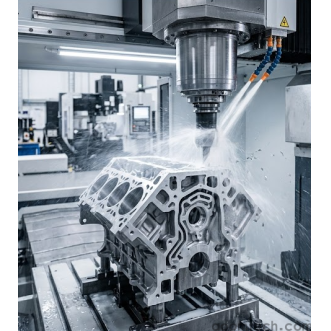
Industries such as aerospace, automotive, electronics, robotics, and industrial machinery frequently rely on these parts. For example, aerospace systems may require custom brackets or structural connectors that must withstand stress while reducing weight. In automotive engineering, custom engine housings or performance components improve efficiency. In electronics, specially designed heat sinks help manage thermal performance in compact devices.
Without custom aluminum parts CNC machining, many modern engineering innovations would not be possible, as off-the-shelf parts simply cannot meet specialized requirements.
Importance of CNC Machining for Non-standard Aluminum Parts
Precision for Unique Designs
One of the biggest advantages of CNC machining is its ability to produce highly precise components. Non-standard aluminum parts often include complex shapes, fine details, and strict tolerances. CNC machines follow digital instructions to ensure every cut and movement is accurate.
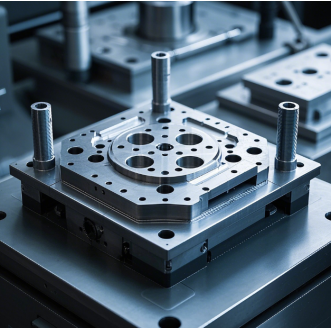
This precision is essential because even small errors can lead to serious problems such as poor assembly, reduced performance, or complete part failure. For example, in a custom aluminum mold used for plastic injection, inaccurate dimensions can result in defective final products.
High precision ensures consistency, reliability, and proper function of the end product.
Customization for Specific Needs
CNC machining allows full customization of aluminum parts based on exact engineering requirements. Each industry and application may require different sizes, geometries, surface finishes, or mechanical properties.
For instance, a factory automation system may need a uniquely shaped mounting bracket to fit limited space. Similarly, electronics may require a custom-designed heat sink with optimized fin structures for improved cooling efficiency.
This flexibility makes custom CNC machining service for non-standard aluminum parts essential for innovation and product development.
Cost-effectiveness for Small-batch Production
Another important advantage is cost efficiency, especially for small or medium production runs. Once a CNC program is created, it can be reused to manufacture multiple identical parts with minimal additional setup.
This reduces labor costs and production time compared to traditional manufacturing methods. It is especially beneficial during prototyping or early-stage product development, where design changes are frequent.
As a result, companies can achieve high-quality results without excessive production costs.
CNC Machining Processes for Non-standard Aluminum Parts
Milling
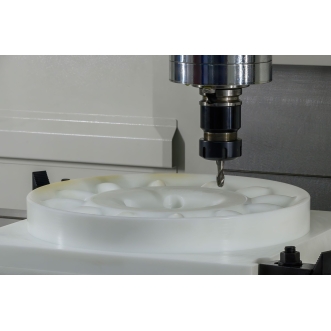
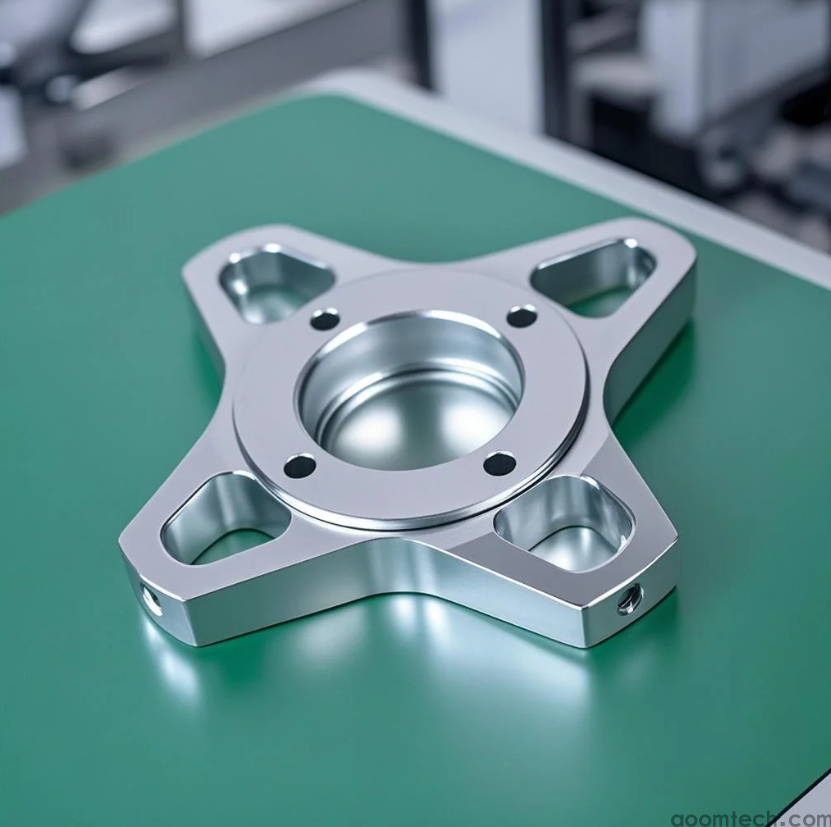
CNC milling for non-standard aluminum parts is one of the most common machining processes. It uses a rotating cutting tool to remove material from a stationary aluminum workpiece. Milling can create flat surfaces, slots, holes, and complex 3D shapes.
Because aluminum is relatively soft, machining can be performed at higher spindle speeds to achieve smooth surface finishes. However, proper feed rate and depth of cut must be carefully controlled to avoid defects.
Sharp cutting tools are essential to prevent burrs and ensure high-quality surface finishes.
Turning
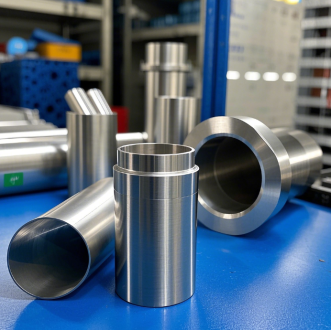
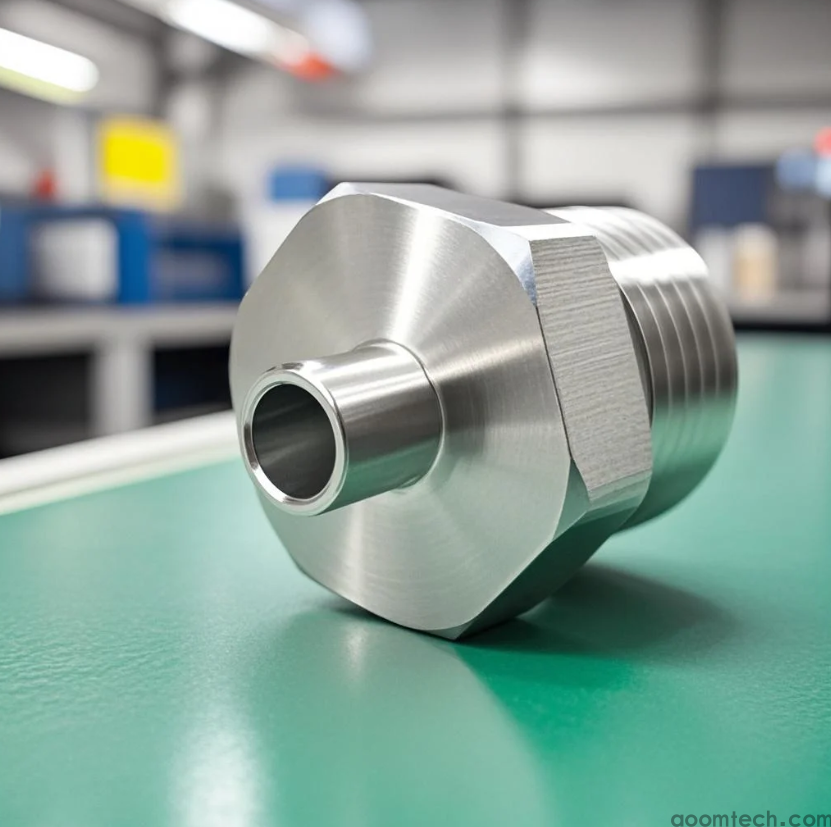
Turning is used for cylindrical aluminum parts. In this process, the aluminum workpiece rotates while a cutting tool removes material to create the desired shape.
This method is ideal for producing shafts, rings, threaded components, and tapered parts. Maintaining concentricity is critical to ensure smooth operation in mechanical systems.
Chip control is also important, as aluminum tends to produce long chips. Proper coolant and chip-breaking tools help maintain machining efficiency.
Drilling
Drilling is used to create precise holes in aluminum parts for assembly, fastening, or fluid flow. Accuracy in hole placement is essential for proper fit and function.
Special drill bits designed for aluminum are used to reduce heat buildup and prevent tool wear. Proper speed and lubrication help avoid issues such as drill breakage or hole distortion.
Challenges in CNC Machining of Non-standard Aluminum Parts
Chip Formation and Control
Aluminum machining often produces long, continuous chips that can wrap around tools or interfere with production. This can reduce efficiency and affect surface quality.
Solutions include using chip-breaking tool designs, adjusting cutting speeds, and applying coolant systems to remove chips effectively. A clean machining environment is essential for stable production.
Surface Finish Quality
Achieving a smooth surface finish is important for both function and appearance. Poor surface quality can affect performance, especially in moving or sealing components.
Manufacturers improve surface finish by using sharp tools, optimizing cutting parameters, and applying post-processing techniques such as polishing, sanding, or deburring.
Tool Wear
Although aluminum is softer than many metals, continuous machining still causes tool wear over time. Worn tools can reduce accuracy and increase production defects.
High-quality carbide tools, regular inspection, and timely tool replacement are key strategies to maintain consistent machining performance.
Choosing a Custom CNC Machining Service Provider for Non-standard Aluminum Parts
Technical Expertise
When selecting a provider, technical expertise is one of the most important factors. A reliable manufacturer should understand aluminum properties, CNC programming, and complex machining processes.
Clients should review case studies, request sample parts, and evaluate engineering capabilities to ensure the provider can handle complex requirements.
This is especially important for choosing a provider for non-standard aluminum parts CNC machining, where design complexity is often high.
Quality Assurance
A strong quality control system ensures that every part meets design specifications. Professional CNC machining companies use measurement tools such as calipers, micrometers, and surface roughness testers.
Quality assurance typically includes:
In-process inspection during manufacturing
Final inspection before delivery
Documentation of measurement results
Handling procedures for non-conforming parts
These systems ensure consistent accuracy and reliability across production batches.
Cost-effectiveness and Lead Times
Cost and delivery time are also important considerations. While lower prices may be attractive, they should not compromise quality or precision.
A good service provider offers transparent pricing, efficient production planning, and reliable delivery schedules. Comparing multiple suppliers can help identify the best balance between cost and performance.
On-time delivery is especially important in industries with strict production deadlines.
Key Long-tail Keywords in CNC Machining Services
This article integrates several important industry-related search terms, including:
CNC milling for non-standard aluminum parts
custom aluminum parts CNC machining
choosing a provider for non-standard aluminum parts CNC machining
precision CNC machining services for aluminum prototypes
high accuracy CNC machining for custom aluminum components
Conclusion
A Custom CNC Machining Service for Non-standard Aluminum Parts is essential for industries that require precision, flexibility, and performance. From aerospace engineering to consumer electronics, custom aluminum components enable innovation and efficiency in product design.
By understanding machining processes, challenges, and supplier selection criteria, businesses can make informed decisions and ensure high-quality manufacturing results. CNC technology continues to be a reliable solution for producing complex and non-standard aluminum parts with excellent accuracy and repeatability.
RELATED PRODUCTS
-
Medical Brass CNC Machining Parts
-
Precision CNC Machining PEEK Services
-
Precision Custom CNC Machined Car Parts
-
cnc machining optical housings
-
Precision CNC Casting Machining Services
-
Precision Gear CNC Machining Services
-
Precision Stainless Steel Parts CNC Mach
-
CNC Machining of Precision Aluminum Tube
-
CNC Machining of Large Precision Aluminu
-
CNC Machining & Manufacturing of Pre