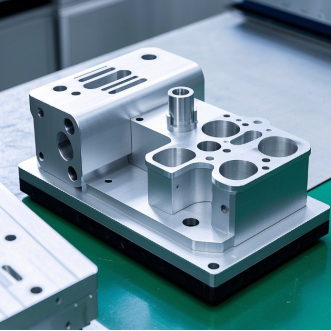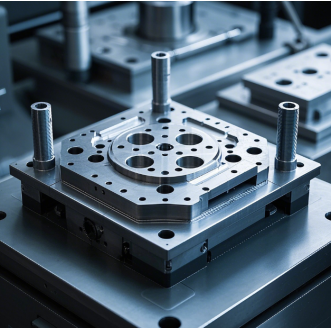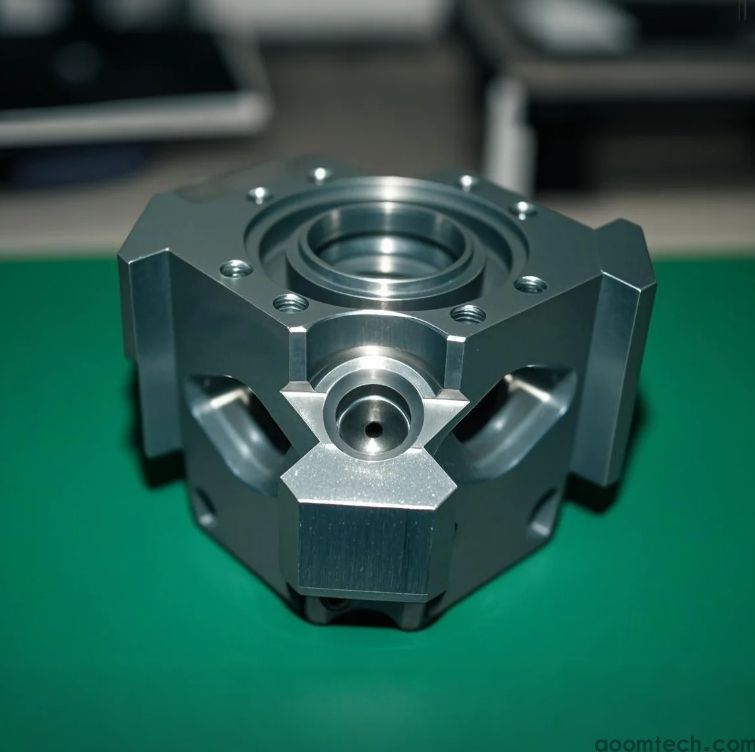
Full-Service CNC Machining
Introduction to Full - Service CNC Machining
What is Full - Service CNC Machining?
Full - Service CNC Machining refers to a complete manufacturing solution where one company handles every step of the production process for CNC-machined parts. This includes design support, engineering, programming, machining, finishing, quality control, and final delivery.
Instead of working with multiple suppliers, customers can rely on a single partner. This one-stop approach simplifies communication, reduces delays, and improves overall efficiency. Because of these benefits, Full - Service CNC Machining is becoming more popular in industries such as automotive, aerospace, electronics, and medical devices.
Advantages of Full - Service CNC Machining
Streamlined Process
One of the key advantages of full - service CNC machining is a streamlined workflow. Customers do not need to manage separate vendors for design, machining, and finishing. Everything is handled under one roof.
For example, a product development company can send a concept drawing and receive fully machined, finished, and inspected parts without coordinating multiple suppliers. This reduces communication errors and shortens production time.
Consistent Quality
When one provider manages the entire process, quality control becomes more consistent. The same team oversees every stage, from design to final inspection.
For example, if a part requires a tight tolerance, the design team and machining team can work together from the beginning to ensure accuracy is maintained throughout production. This reduces the risk of mismatched specifications.
Technical Expertise Under One Roof
Full-service providers usually have engineers, designers, CNC programmers, and skilled machinists working together. This combination of expertise allows for better decision-making and improved part performance.
For example, an engineer might recommend changing a material based on machining behavior, helping improve durability while reducing production difficulty.
Services in Full - Service CNC Machining
Design and Engineering
Providers of Full - Service CNC Machining often support customers in the design stage. They help optimize parts for manufacturability, cost efficiency, and performance.
For example, a complex component can be redesigned with simpler geometry to reduce machining time while maintaining full functionality. This is a common example of services in full - service CNC machining improving efficiency.
CNC Machining Operations
Milling
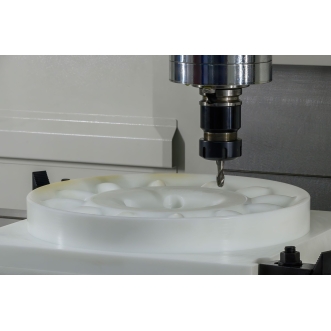
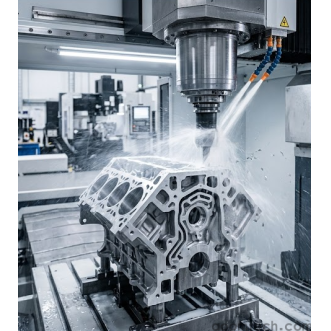
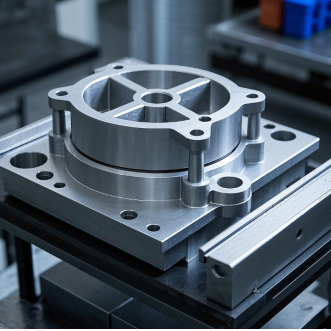
Milling uses rotating cutting tools to remove material from a workpiece. It can create flat surfaces, grooves, holes, and complex 3D shapes.
For example, milling is used to produce electronic device housings with precise internal structures and smooth external surfaces.
Turning
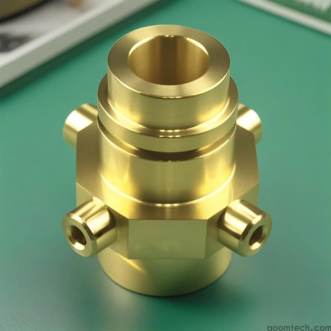
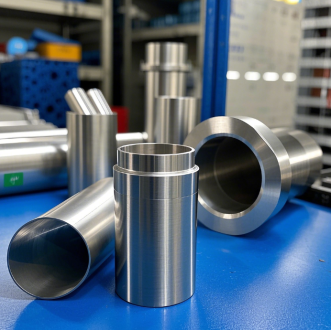
Turning involves rotating the workpiece while a cutting tool removes material to create cylindrical parts. It is commonly used for shafts, rods, and bushings.
Tool selection and setup are important to ensure accuracy and surface finish quality. For example, a mechanical shaft must be perfectly concentric to function properly in rotating systems.
Drilling and Boring
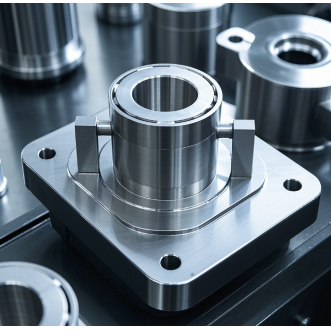
Drilling creates holes in a material, while boring enlarges or refines existing holes to precise dimensions.
For example, a metal mounting plate may require accurately drilled holes for assembly in machinery, ensuring proper alignment during installation.
Surface Finishing and Treatments
Full-service CNC providers also offer finishing options such as anodizing, electroplating, and powder coating.
Anodizing aluminum improves corrosion resistance and appearance. Powder coating adds a protective and decorative layer. These finishes improve both performance and durability of the final part.
Quality Control
Quality assurance is a critical part of Full - Service CNC Machining. Inspection tools such as calipers, micrometers, and coordinate measuring machines (CMMs) are used during and after production.
For example, if a part has a dimensional error during production, it can be detected early and corrected before final delivery, preventing defective parts from reaching the customer.
Delivery and Logistics
Many full-service providers also manage packaging and shipping. This ensures parts are delivered safely and on time.
For example, a manufacturer can receive ready-to-use parts directly for assembly without handling logistics, saving time and effort.
Choosing a Full - Service CNC Machining Provider
Experience and Portfolio
When selecting a provider, experience is very important. Reviewing past projects helps evaluate capability and reliability.
A skilled provider may solve complex machining challenges, such as producing high-precision medical components with very tight tolerances that less experienced shops cannot achieve.
Quality Assurance Measures
A strong quality system is essential. Look for certifications such as ISO 9001 and ask about inspection methods and equipment calibration.
For example, a reliable provider performs regular inspections during production and final testing to ensure all parts meet strict standards, giving customers confidence in the results.
Cost - Effectiveness and Pricing Transparency
Understanding cost factors in full - service CNC machining is important when choosing a provider. Always compare multiple quotes and check what is included.
A transparent provider clearly explains material costs, machining time, finishing, and additional services. To ensure fair pricing, customers should request a full cost breakdown and compare industry averages.
Customer Service and Communication
Good communication ensures smooth project execution. A reliable provider keeps customers updated throughout production and responds quickly to questions or changes.
For example, if a design issue appears during machining, clear communication allows fast adjustments without delaying delivery.
Cost Factors in Full - Service CNC Machining
Part Complexity
Complex parts require more machining time, advanced tools, and skilled programming. This increases overall cost.
For example, a component with internal cooling channels or intricate geometry will cost more than a simple flat bracket due to increased machining difficulty.
Material Costs
Material type significantly affects pricing. High-performance metals or specialty alloys are more expensive than standard materials like aluminum or mild steel.
For example, aerospace-grade titanium parts cost more due to material price and machining difficulty.
Volume of Production
Production quantity also impacts cost. Larger volumes usually reduce per-unit cost due to shared setup and tooling expenses.
For example, ordering 1,000 parts instead of 50 often results in a significantly lower cost per unit.
Conclusion: Making the Most of Full - Service CNC Machining
Summary and Key Takeaways
Full - Service CNC Machining offers a complete solution that simplifies manufacturing by combining design, machining, finishing, quality control, and delivery in one place.
Key benefits include streamlined workflow, consistent quality, and access to technical expertise. Understanding services in full - service CNC machining and evaluating choosing a full - service CNC machining provider carefully can help businesses achieve better results.
By considering cost factors in full - service CNC machining, companies can optimize budgets while maintaining high-quality production standards. For anyone involved in product development or manufacturing, exploring this integrated approach is a practical step toward efficiency and reliability.
RELATED PRODUCTS
-
Medical Brass CNC Machining Parts
-
Precision CNC Machining PEEK Services
-
Precision Custom CNC Machined Car Parts
-
cnc machining optical housings
-
Precision CNC Casting Machining Services
-
Precision Gear CNC Machining Services
-
Precision Stainless Steel Parts CNC Mach
-
CNC Machining of Precision Aluminum Tube
-
CNC Machining of Large Precision Aluminu
-
CNC Machining & Manufacturing of Pre