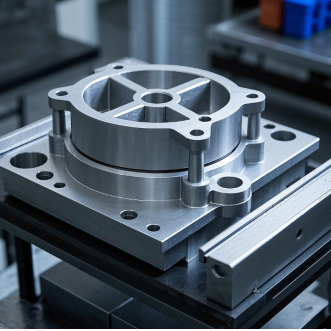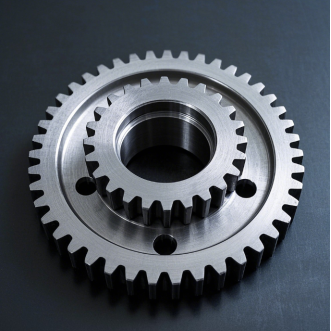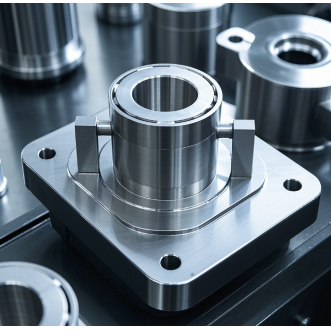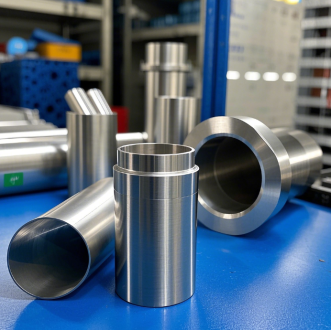
High-precision parts CNC Machining & partion
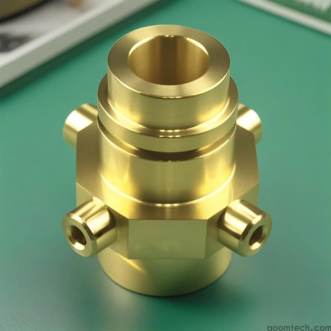
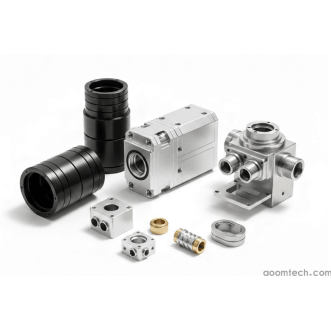
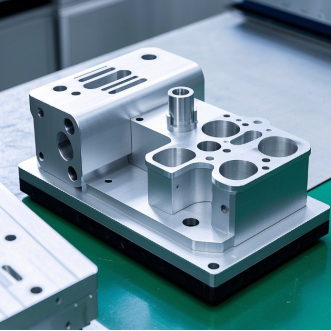
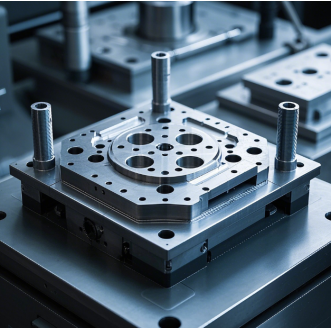
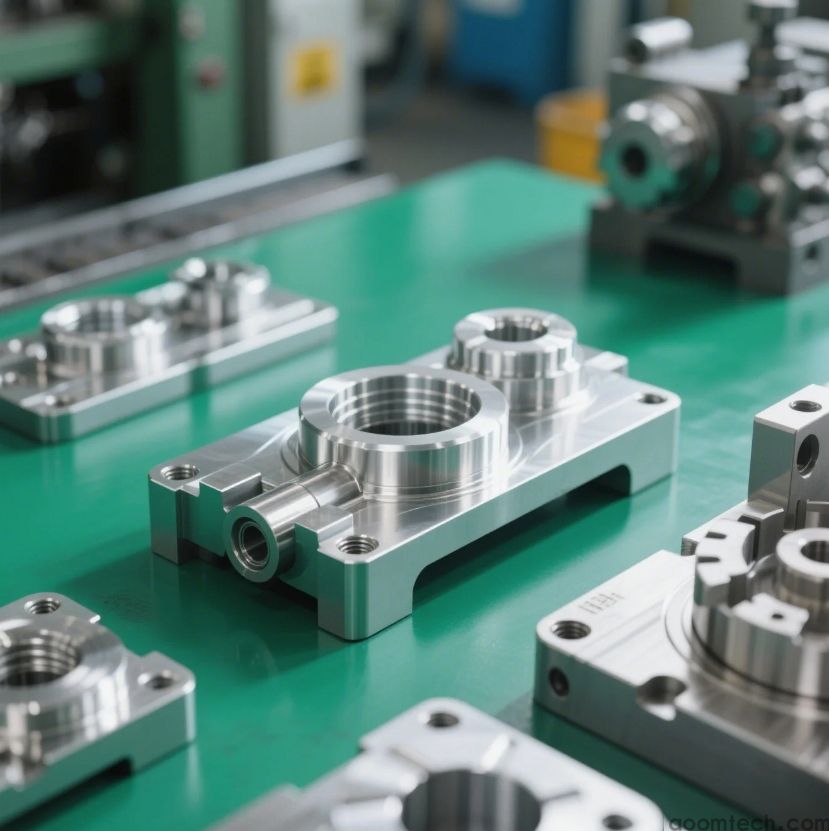
High - precision parts CNC Machining & Partition is a modern manufacturing approach used to produce extremely accurate components for demanding industries. These parts are essential in aerospace, medical devices, electronics, robotics, and automotive systems, where even a very small error can affect safety, performance, or reliability.
This guide explains the significance, processes, benefits, challenges, and quality control methods involved in high - precision CNC machining and partitioning. The goal is to help readers clearly understand how complex parts are made with accuracy and consistency in real production environments.
The Significance of High - precision Parts and Partition in CNC Machining
High - precision parts are components manufactured with extremely tight tolerances and excellent surface quality. They must perform reliably under strict working conditions. In industries like aerospace, medical, and electronics, these parts ensure system stability and product safety.
Partitioning in CNC machining refers to dividing a large workpiece into smaller sections or splitting the machining process into multiple controlled stages. This strategy helps manage complex designs, reduce machining risk, and improve production efficiency. Together, high - precision CNC machining and partitioning ensure that even the most complex products maintain stability and accuracy.
Significance of High - precision CNC Machining for Parts
Enhanced Product Performance
High - precision CNC machining ensures that every component fits together perfectly. This is critical in systems where multiple parts must work in harmony.
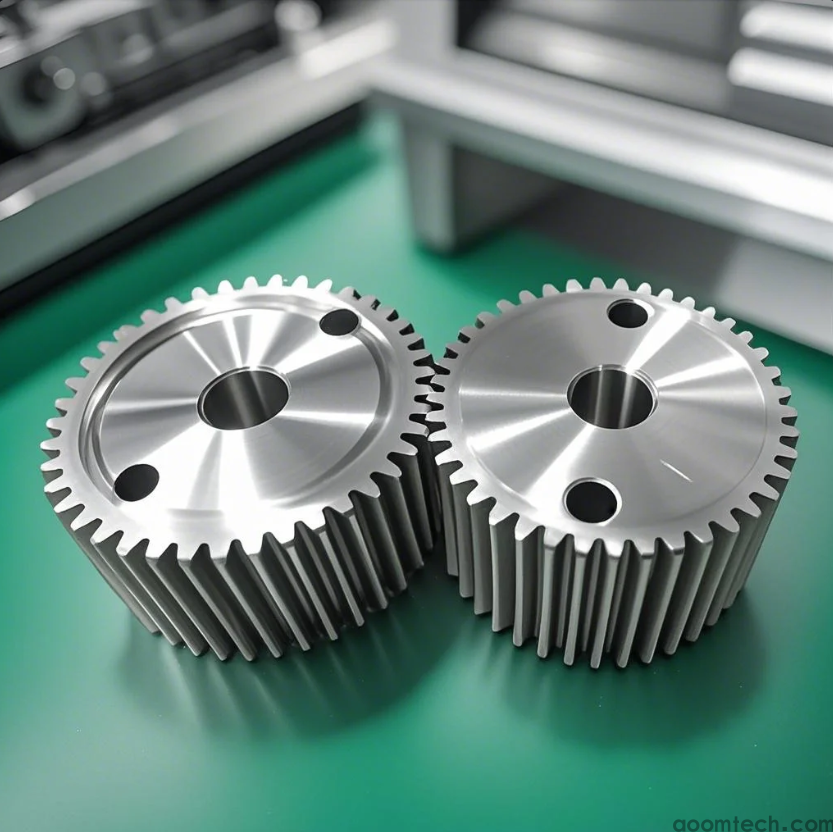
For example, in an aircraft engine, a high - precision gear manufactured through CNC machining allows smooth power transmission and reduces vibration. Even a tiny deviation in size could lead to inefficiency or mechanical failure.
Significance of high - precision CNC machining for parts: It guarantees consistent accuracy, improving overall system performance and safety.
Meeting Stringent Industry Standards
Many industries require strict compliance with international standards. CNC machining makes it possible to achieve these requirements with high repeatability and accuracy.
In the medical industry, surgical instruments and implant components must meet strict dimensional and biocompatibility standards. For instance, a titanium implant produced through CNC machining ensures precise fit inside the human body, reducing risks and improving patient recovery outcomes.
Machining Process of High - precision Partitioned Parts by CNC
Design and CAD/CAM Programming
The process begins with detailed digital design using Computer - Aided Design (CAD, a scientific concept in digital engineering). Engineers create a 3D model of the part, carefully defining dimensions, tolerances, and functional requirements.
If partitioning is required, engineers also decide how the part or process should be divided into smaller sections. This planning is crucial for reducing stress, improving machining accuracy, and simplifying production.
Next, Computer - Aided Manufacturing (CAM) software generates machine instructions. These include toolpaths, cutting speeds, feed rates, and spindle speeds. For example, when producing a complex electronic housing, engineers may divide the machining into multiple partitions to avoid deformation during cutting and ensure final accuracy.
Machining process of high - precision partitioned parts by CNC: Careful programming ensures that each partition aligns perfectly during final assembly.
Material Selection and Preparation
Material selection directly affects machining performance and final part quality. Different materials have different hardness, thermal expansion, and machinability properties.
For example, aluminum is easy to machine but may expand under heat, while titanium offers strength but is more difficult to cut. In high - precision applications, even thermal expansion must be considered because it can change part dimensions during machining.
Before machining, materials may undergo heat treatment such as annealing or stress relief to improve stability and reduce internal stress. This ensures that high - precision parts maintain accuracy throughout the CNC process.
Machining Operations
Milling
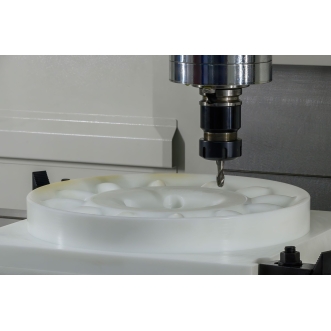
Milling is used to create flat surfaces, grooves, and complex 3D shapes. High - precision milling often uses carbide or diamond-coated tools. Cutting speeds are carefully controlled to minimize vibration and tool deflection. Light feeds and stable toolpaths help achieve high accuracy.
Turning
Turning is used for cylindrical components. It requires precise control of rotation speed and cutting force to maintain concentricity. Proper tool selection ensures smooth surface finish and dimensional consistency, especially for shafts and rotating parts.
Partition-related Operations
When partitioning is required, processes like wire EDM (Electrical Discharge Machining), laser cutting, or precision sawing are used. For example, a large metal block may be divided using EDM into multiple smaller high - precision parts without introducing mechanical stress.
Finishing Operations
After machining, finishing processes improve surface quality and accuracy. These may include grinding, lapping, and coating.
For example, a ground and coated aerospace component can resist corrosion and wear in harsh environments, extending its service life and improving reliability.
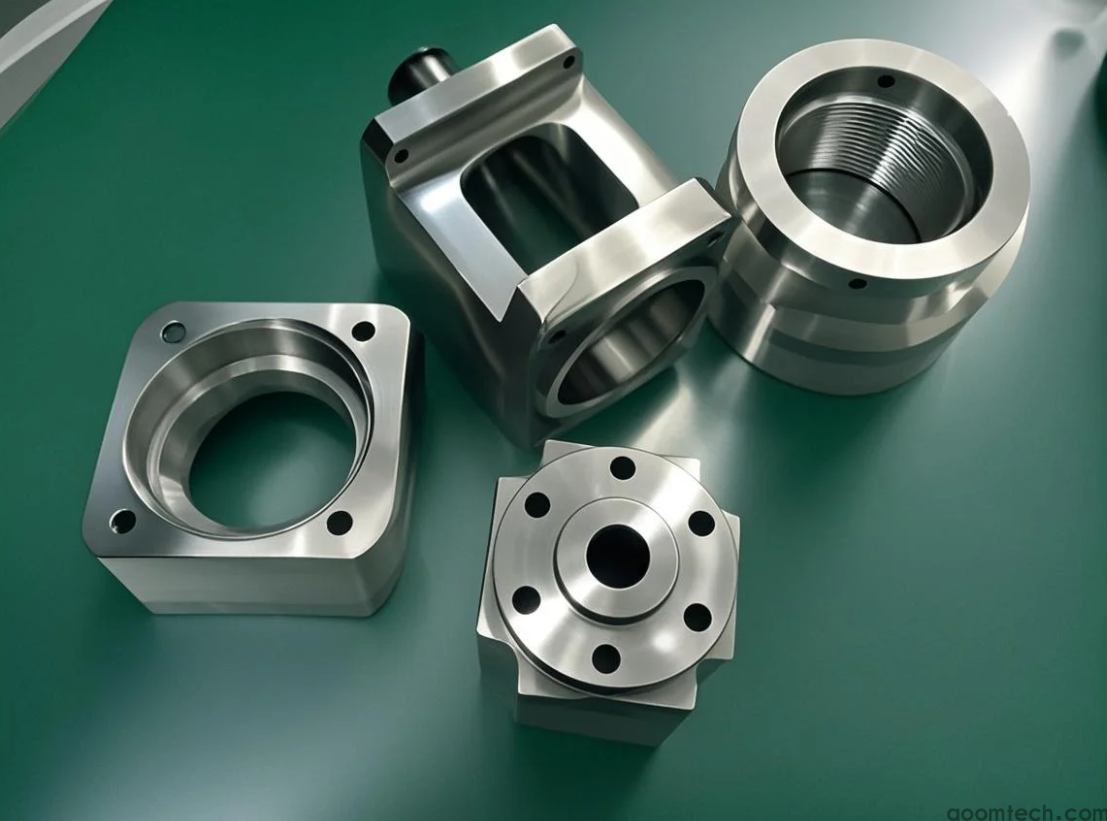
Benefits of CNC - machined High - precision Partitioned Parts
Improved Machining Efficiency
Partitioning allows machining tasks to be divided into smaller, more manageable steps. This improves tool access, reduces setup time, and increases efficiency.
For example, a large aerospace structure can be divided into sections, allowing each part to be machined separately with higher precision and less risk of error.
Benefits of CNC - machined high - precision partitioned parts: Better workflow control and reduced production time.
Cost - effectiveness for Complex Parts
Partitioning reduces material waste and prevents total scrap loss in case of errors. Instead of discarding an entire large component, only a small section may need correction.
In medical device manufacturing, partitioning complex components helps reduce cost while maintaining strict accuracy requirements.
Flexibility in Production
Partitioning also improves flexibility. Manufacturers can produce small batches or prototype designs more efficiently.
For example, in electronics development, high - precision partitioned parts allow fast testing and adjustment of designs before mass production.
Challenges in High - precision Parts CNC Machining with Partition
Maintaining Precision during Partition
Partitioning can introduce stress or slight dimensional changes in parts. Cutting processes like EDM or laser cutting may cause thermal effects that affect accuracy.
For example, a metal part may slightly deform after partitioning due to heat. This issue can be controlled using stress-relief heat treatment and optimized cutting strategies.
Challenges in high - precision parts CNC machining with partition: Maintaining stability and dimensional accuracy during and after separation.
Tool Wear and Breakage
High - precision machining often uses delicate tools that wear out quickly. This is especially true when working with hard materials like stainless steel or titanium.
For example, diamond-coated tools used in fine machining may require frequent replacement, increasing production cost.
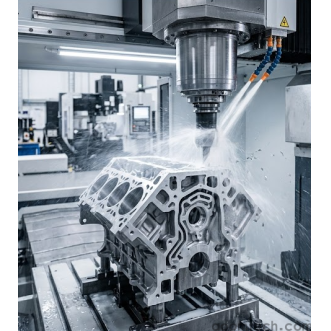
Solutions include using proper cutting fluids, optimizing toolpaths, and selecting suitable tool materials to extend tool life.
Assembly and Alignment of Partitioned Parts
After partitioning, reassembly requires extremely precise alignment. Even a small mismatch can affect performance.
For example, in optical devices, misalignment of partitioned components can reduce accuracy. Special fixtures and alignment tools are used to ensure perfect assembly.
Quality Control in High - precision Parts CNC Machining & Partition
Inspection of Dimensions
Dimensional inspection ensures that every part meets required specifications. Tools such as calipers, micrometers, and Coordinate Measuring Machines (CMM, a scientific concept used for precision measurement) are used throughout production.
For example, a CMM may detect a small deviation after partitioning, allowing corrections before final assembly.
Surface Finish Inspection
Surface quality is critical for performance, especially in moving or sealing parts. Roughness testers and visual inspection are used to ensure smooth surfaces.
A rough surface can increase friction and reduce efficiency, so polishing or grinding is applied when necessary.
Functional Testing
Final testing ensures that parts perform correctly under real working conditions. This may include load testing, vibration testing, or thermal testing.
For example, a high-speed machine component may fail initial testing due to imbalance. After adjustment and re-machining, performance can be significantly improved.
Quality control in high - precision parts CNC machining & partition: Ensures reliability, safety, and long-term performance.
Conclusion: Mastering High - precision Parts CNC Machining & Partition
High - precision Parts CNC Machining & Partition is a powerful manufacturing method that enables the production of complex, reliable, and highly accurate components. It combines advanced digital design, precise machining, material science, and strict quality control.
Key takeaways include the importance of careful design, proper material selection, controlled machining processes, and strict inspection methods. While challenges such as tool wear and alignment exist, they can be managed through proper engineering practices.
Understanding these principles helps manufacturers improve efficiency, reduce cost, and achieve high-quality results in demanding industries. For companies working with precision parts, applying these methods can significantly enhance product performance and reliability.
RELATED PRODUCTS
-
Medical Brass CNC Machining Parts
-
Precision CNC Machining PEEK Services
-
Precision Custom CNC Machined Car Parts
-
cnc machining optical housings
-
Precision CNC Casting Machining Services
-
Precision Gear CNC Machining Services
-
Precision Stainless Steel Parts CNC Mach
-
CNC Machining of Precision Aluminum Tube
-
CNC Machining of Large Precision Aluminu
-
CNC Machining & Manufacturing of Pre