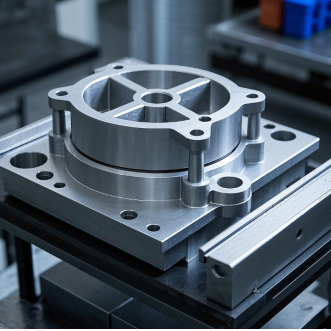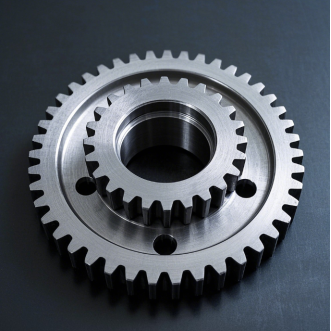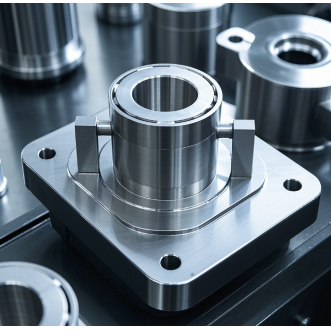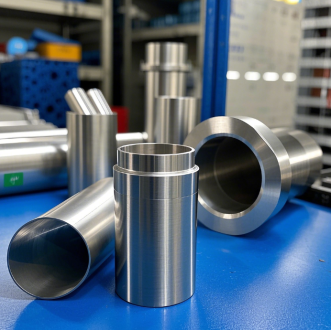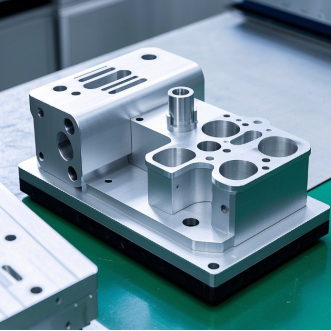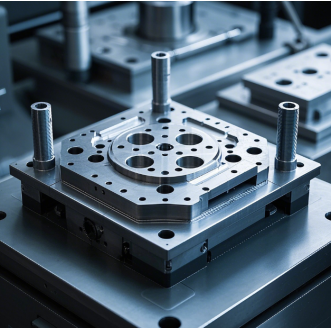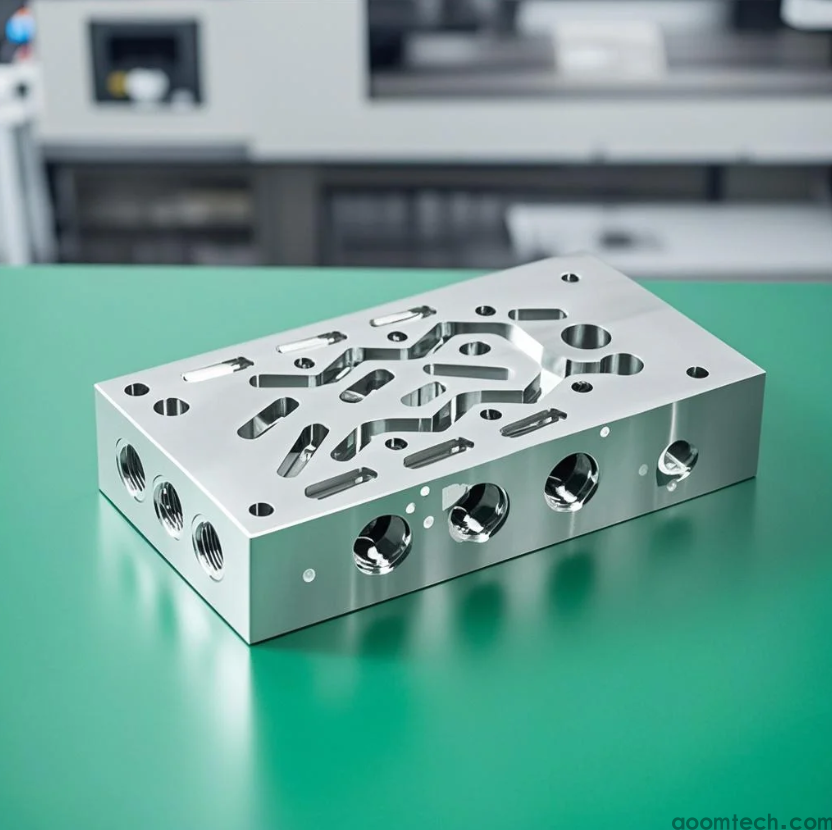
High Precision Parts CNC Machining
Introduction to High Precision Parts CNC Machining
The Significance of High Precision Parts CNC Machining
High precision parts are the backbone of many advanced industries such as aerospace, medical, automotive, and electronics. These industries depend on parts that must fit, move, and function with extremely small tolerances. CNC (Computer Numerical Control) machining makes it possible to produce these parts with very high accuracy and repeatability.
With High Precision Parts CNC Machining, manufacturers can create components that ensure smooth operation, high reliability, and long service life of complex systems. For example, in aerospace engines, even a tiny error in a turbine blade can affect fuel efficiency, performance, and safety. This is why precision is not optional—it is essential.
The CNC Machining Process for High Precision Parts
Design Phase
The CNC machining process for high precision parts begins with careful design. Engineers use CAD (Computer-Aided Design) software to build a detailed 3D model of the part. Every dimension, curve, and tolerance is defined at this stage.
The design must consider how the part will function, the environment it will face, and how tight the tolerances need to be. For example, a medical implant must fit perfectly inside the human body and must also be safe for long-term use. Any small design error can lead to production failure or poor performance in real-world applications.
CNC Programming
After the design is completed, it is converted into a CNC program using CAM (Computer-Aided Manufacturing) software. This program defines every movement of the machine tools.
It includes toolpaths, spindle speed, feed rate, cutting depth, and tool selection. Programmers must carefully optimize these parameters based on material type and part geometry. Even a small programming mistake can result in dimensional errors, surface defects, or part rejection.
Machine Setup and Tooling
Machine setup is a critical step in achieving precision. High accuracy CNC machines with advanced positioning systems are required. These machines must maintain stability even during long machining cycles.
Tooling selection is equally important. Hard materials may require diamond-coated or carbide tools, while softer metals may use high-speed steel tools. The correct combination of spindle speed, feed rate, and tool type ensures stable cutting and precise results. Proper calibration and setup directly affect the final quality of the part.
Machining Operations
Milling
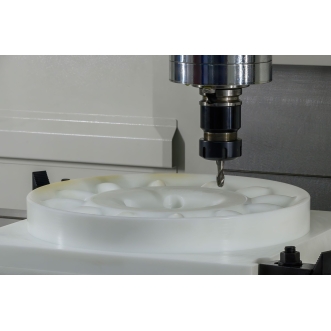
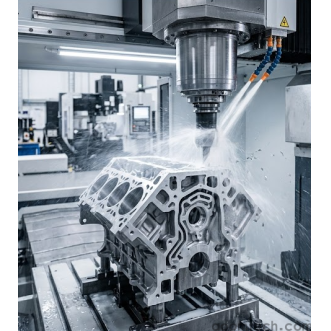
Milling is one of the most common processes in CNC machining process for high precision parts. A rotating cutting tool removes material to create flat surfaces, holes, grooves, and complex 3D shapes.
For aluminum electronic components, high-speed milling with low feed rates is often used to achieve smooth surface finishes and tight tolerances. Tool selection depends on the material—carbide tools are often preferred for durability and precision.
Turning
Turning is used for cylindrical parts. The workpiece rotates while the cutting tool shapes the outer surface. This process is essential for shafts, rods, and rotating components.
Maintaining concentricity is crucial. Precision-ground inserts and stable machine conditions help reduce vibration and improve surface quality. For example, high-speed motor shafts require extremely balanced turning to prevent operational vibration and wear.
Grinding
Grinding is used when extremely tight tolerances and fine surface finishes are required. It is often the final step in high precision machining.
This process can correct small dimensional errors and improve surface smoothness. Different grinding wheels are used depending on material hardness. Grinding ensures parts meet strict quality standards where other machining methods are not sufficient.
Material Selection for High Precision Parts CNC Machining
Metals
Metals are the most common materials in high precision machining. Titanium, stainless steel, and aluminum alloys are widely used.
Titanium offers high strength-to-weight ratio and corrosion resistance, making it ideal for aerospace and medical applications. Stainless steel provides durability and resistance to rust, commonly used in surgical tools and food processing equipment. Aluminum alloys are lightweight and thermally conductive, widely used in electronics and automotive components.
Understanding material selection in high precision part machining is essential because each metal behaves differently during cutting and affects tool wear, heat generation, and dimensional stability.
Ceramics
Ceramics are used in applications requiring extreme hardness, wear resistance, and thermal stability. They are often found in high-temperature industrial environments.
However, machining ceramics is challenging because they are brittle. Special diamond tools and controlled cutting strategies are required to avoid cracking or chipping. Precision grinding is often the preferred method for shaping ceramic parts.
Composites
Composite materials, such as carbon-fiber reinforced polymers, combine strength and light weight. They are widely used in aerospace and high-performance automotive industries.
Machining composites requires special care to avoid delamination and fiber damage. Sharp cutting tools, proper feed control, and optimized cutting angles help maintain surface integrity and dimensional accuracy.
Quality Control in High Precision Parts CNC Machining
In-Process Inspection
Quality control begins during machining. Sensors and measuring systems continuously monitor dimensions, tool wear, and surface conditions.
Advanced instruments like laser measuring systems and optical microscopes help detect deviations early. If an error is found, adjustments are made immediately to prevent defective parts. This real-time monitoring is a key part of quality control of high precision CNC parts.
Final Inspection
After machining is complete, parts undergo final inspection using Coordinate Measuring Machines (CMMs). These machines can measure dimensions with sub-micron accuracy.
Inspectors check dimensional accuracy, surface roughness, and structural integrity. Parts that do not meet specifications are either reworked or rejected. Strict inspection ensures only high-quality parts reach customers.
Applications of High Precision Parts CNC Machining
Aerospace Industry
In aerospace, high precision parts are used in engines, landing gear, and structural systems. Turbine blades and engine components must meet extremely tight tolerances to ensure efficiency and safety.
CNC machining allows production of complex geometries that cannot be made using traditional manufacturing methods.
Medical Industry
Medical devices require extreme accuracy and biocompatibility. Surgical tools, implants, and diagnostic equipment depend on precision components.
CNC machining is used to manufacture parts from titanium and stainless steel that meet strict health and safety standards. Even a small deviation can affect patient safety, so precision is critical.
Electronics Industry
In electronics, miniaturization requires extremely small and accurate parts. CNC machining is used to produce housings, connectors, heat sinks, and semiconductor components.
High precision ensures proper alignment, heat management, and electrical performance in modern devices.
Conclusion: The World of High Precision Parts CNC Machining
Summary and Key Takeaways
High Precision Parts CNC Machining is a highly advanced manufacturing process that requires careful attention to design, programming, material selection, machining operations, and quality control. Every stage plays an important role in achieving accurate and reliable parts.
The integration of modern technology, skilled engineering, and strict inspection systems ensures that parts meet demanding industrial standards. Continuous improvement, investment in advanced CNC equipment, and proper training of operators are essential for long-term success.
By understanding the full CNC machining process for high precision parts, manufacturers can produce components that support innovation in aerospace, medical, electronics, and many other industries.
RELATED PRODUCTS
-
Medical Brass CNC Machining Parts
-
Precision CNC Machining PEEK Services
-
Precision Custom CNC Machined Car Parts
-
cnc machining optical housings
-
Precision CNC Casting Machining Services
-
Precision Gear CNC Machining Services
-
Precision Stainless Steel Parts CNC Mach
-
CNC Machining of Precision Aluminum Tube
-
CNC Machining of Large Precision Aluminu
-
CNC Machining & Manufacturing of Pre