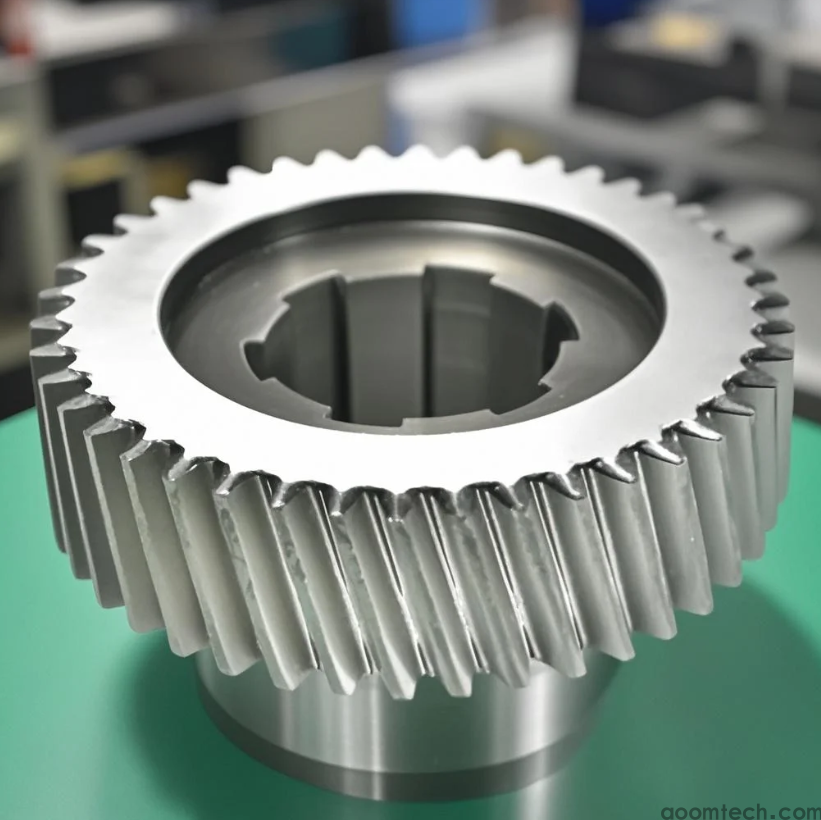
High-Volume Automotive Parts CNC Machining
Introduction to High-Volume Automotive Parts CNC Machining
High-Volume Automotive Parts CNC Machining refers to the large-scale production of vehicle components using computer-controlled machining systems. In the modern automotive industry, manufacturers such as , , and rely on CNC technology to produce millions of precise and reliable parts every year.
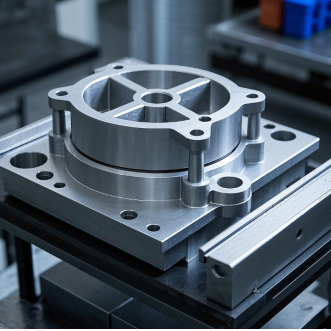
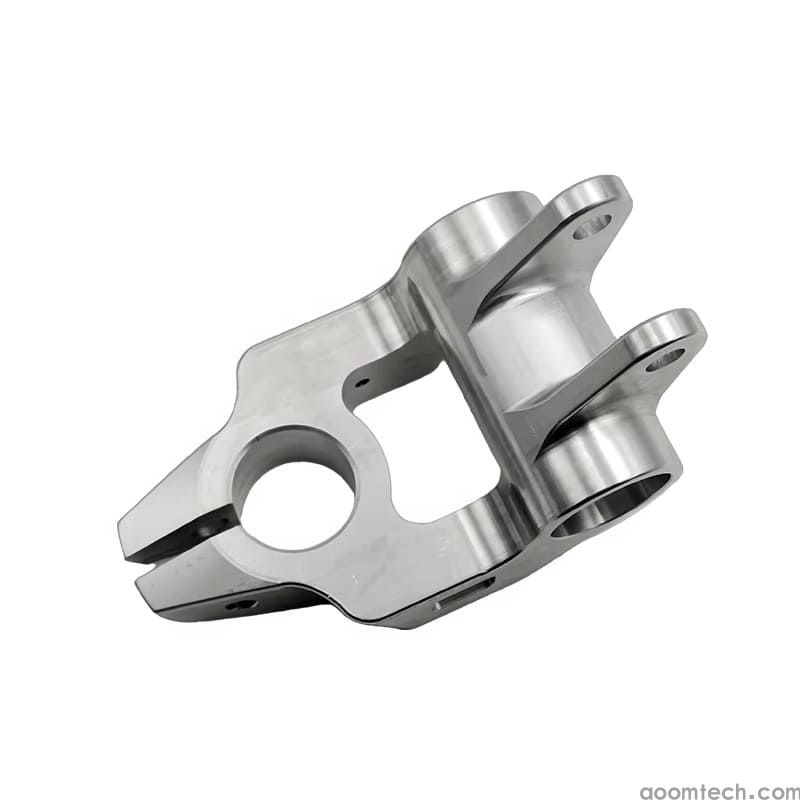
The significance of high-volume automotive parts machining lies in its ability to produce components that are essential for vehicle functionality, safety, and performance. Common examples include engine blocks, transmission gears, brake discs, steering components, and suspension parts. A precisely machined engine block, for example, improves combustion efficiency, reduces wear, and enhances long-term durability of the engine system.
Importance of CNC Machining in High-Volume Automotive Parts Production
Precision and Consistency
CNC machining ensures extremely high precision and consistency across large production batches. Computer-controlled systems maintain tight tolerances, which is critical for parts that must fit together perfectly inside a vehicle system.
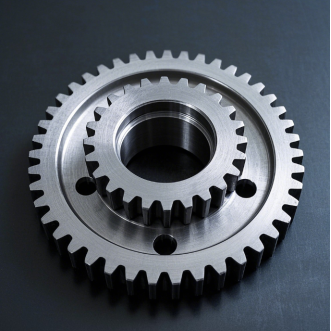
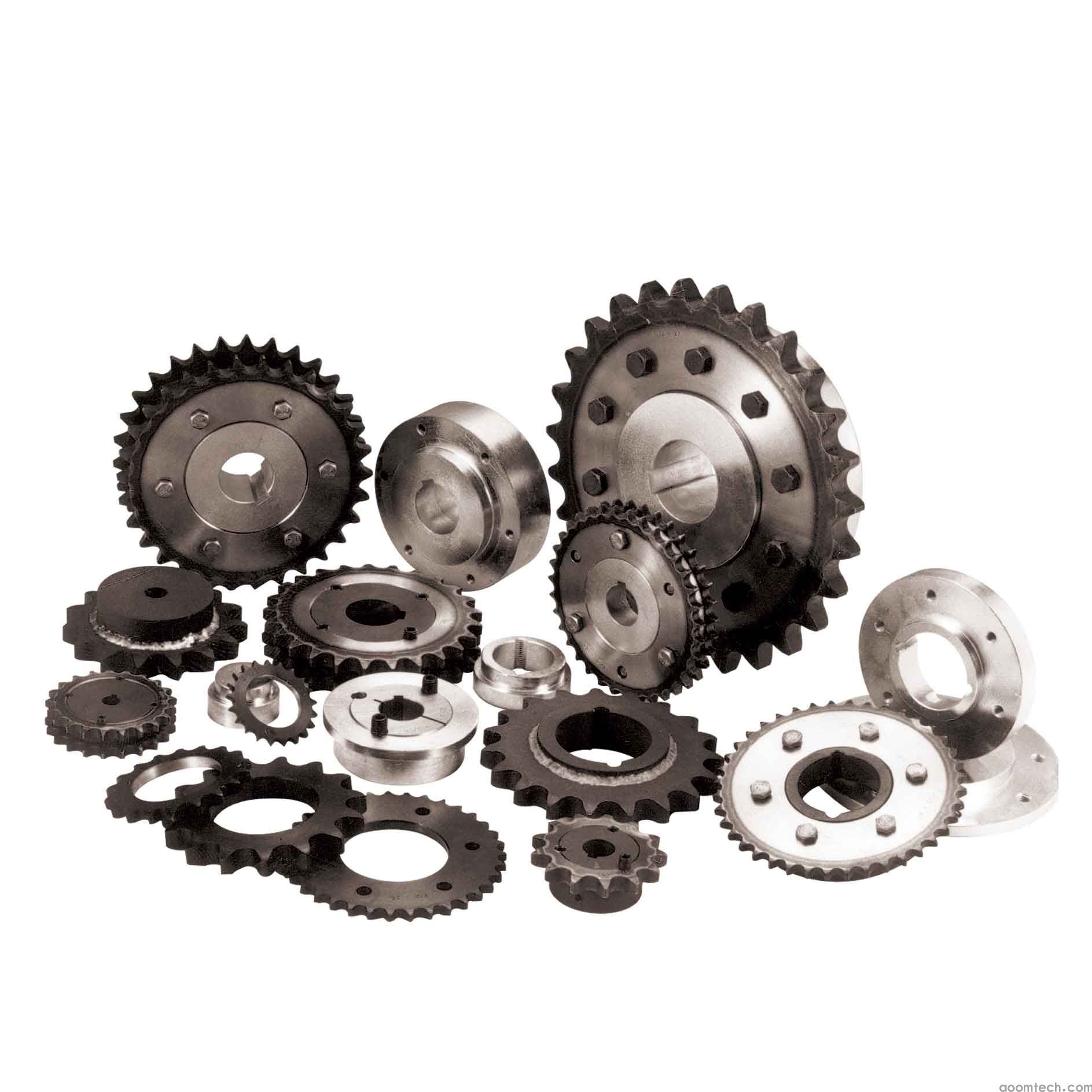
Without this level of accuracy, problems such as vibration, poor alignment, and mechanical failure may occur. For instance, if transmission gears have inaccurate tooth profiles, drivers may experience rough shifting, noise, and faster wear of the transmission system. This is why CNC machining is the backbone of modern automotive manufacturing.
High-Efficiency Production
Once a CNC program is developed, machines can run continuously with minimal interruption. Automated tool changers, optimized toolpaths, and reduced setup times significantly improve productivity.
In large automotive factories, CNC machining supports continuous production lines by supplying engine components and structural parts in high volumes. This ensures that assembly plants never face shortages of critical components.
Cost-Effectiveness in Volume
Although CNC equipment and programming require initial investment, the cost per unit decreases significantly in mass production. This is due to economies of scale, reduced labor input, and efficient material usage.
For example, producing thousands of brake discs using CNC machining is far more cost-effective than many traditional manual machining methods, especially when consistency and precision are required.
CNC Machining Processes for High-Volume Automotive Parts
Milling
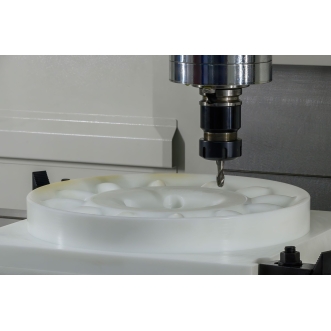
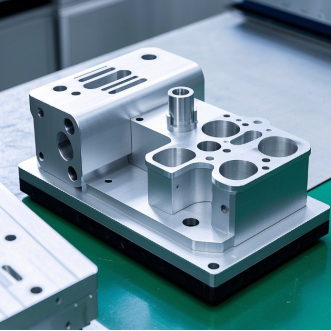
Milling is one of the most important processes in CNC milling for high-volume automotive parts. A rotating cutting tool removes material to create flat surfaces, grooves, holes, and complex 3D shapes.
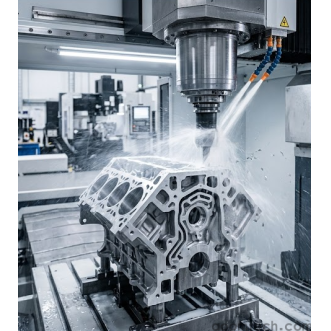
Carbide tools are commonly used because automotive materials like alloy steel require high wear resistance. Proper selection of spindle speed, feed rate, and cutting depth is essential for achieving accuracy and surface quality. For example, milling an engine block requires precise machining of cylinder bores and mounting surfaces.
Turning
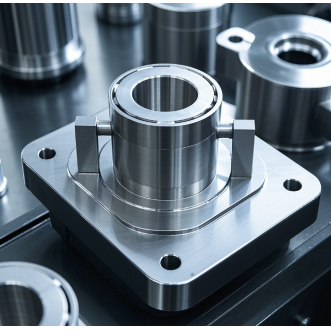
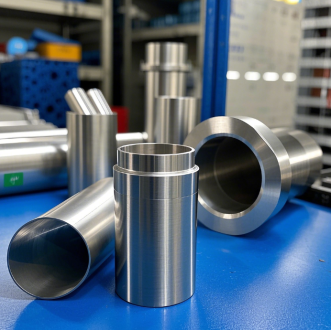
Turning is used for cylindrical parts such as shafts, axles, and bushings. The workpiece rotates while a cutting tool removes material to achieve the desired diameter and surface finish.
Maintaining concentricity is critical. Poor control can lead to imbalance in rotating components like driveshafts, resulting in vibration and reduced vehicle performance. Coolant systems and proper tool selection help manage heat and tool wear during high-volume production.
Drilling
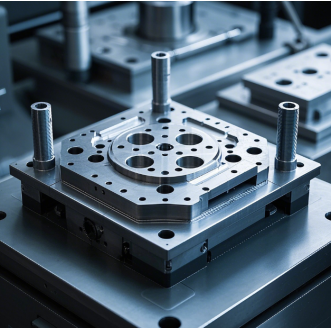
Drilling is used to create precise holes for fasteners, fluid channels, and assembly alignment. In automotive manufacturing, even small errors in hole placement can cause assembly failure.
High-speed steel drills with coatings are often used to improve durability. Proper feed rates and cooling are essential to avoid overheating and maintain dimensional accuracy.
Materials Used in High-Volume Automotive Parts CNC Machining
Steel
Steel is widely used due to its strength and durability. Carbon steel is commonly used for structural and engine components, while alloy steel is used for high-stress parts like gears and shafts. Stainless steel is often used in exhaust systems due to corrosion resistance.
Materials for high-volume automotive part machining must be carefully selected based on performance requirements and machining characteristics.
Aluminum Alloys
Aluminum alloys are widely used because they are lightweight and help improve fuel efficiency. They also provide good thermal conductivity, making them ideal for engine components and housings.
However, aluminum is softer than steel, requiring careful control of cutting speed and tool geometry to avoid burr formation and deformation.
Magnesium Alloys
Magnesium alloys are even lighter than aluminum and are used in high-end automotive applications. However, they require special machining precautions due to flammability risks and lower thermal stability.
Proper coolant systems, dust control, and lower cutting speeds are essential when machining magnesium components.
Challenges in High-Volume Automotive Parts CNC Machining
Tool Wear and Replacement
Continuous production leads to tool wear, especially when machining hard metals. Worn tools reduce accuracy and surface quality.
Manufacturers use tool monitoring systems and scheduled replacements to prevent production interruptions and maintain consistent quality.
Quality Control
Maintaining consistent quality across thousands or millions of parts is a major challenge. Automated inspection systems, coordinate measuring machines (CMM), and statistical process control are commonly used.
Early detection of defects prevents large-scale production of faulty parts and reduces waste.
Production Planning and Scheduling
Efficient scheduling ensures that materials, machines, and labor are properly coordinated. Unexpected machine failures or supply delays can disrupt production.
Manufacturers often use advanced planning software and backup production strategies to maintain delivery schedules.
Choosing a CNC Machining Service for High-Volume Automotive Parts
Technical Expertise
A reliable provider of choosing a service for high-volume automotive parts CNC machining should have deep experience in automotive manufacturing. This includes knowledge of materials, machining processes, and industry standards.
Reviewing case studies, certifications, and sample parts helps evaluate technical capability.
Quality Assurance System
A strong quality system is essential. Leading manufacturers use CMMs, hardness testers, and in-process inspections to ensure every part meets specifications.
A well-structured inspection process reduces defects and ensures reliability in automotive applications where safety is critical.
Cost and Lead Time Efficiency
Cost is important, but it must be balanced with quality and reliability. High-volume production requires consistent lead times and stable supply chains.
Comparing multiple suppliers, reviewing delivery performance, and evaluating production capacity helps in selecting the right partner.
Conclusion
High-Volume Automotive Parts CNC Machining plays a critical role in modern vehicle manufacturing. It ensures precision, efficiency, and cost-effective production of essential automotive components.
With advanced machining processes, carefully selected materials, and strong quality control systems, CNC technology supports the global automotive industry in delivering safer, more efficient, and more reliable vehicles.
High-Volume Automotive Parts CNC Machining
Introduction to High-Volume Automotive Parts CNC Machining
High-Volume Automotive Parts CNC Machining refers to the large-scale production of vehicle components using computer-controlled machining systems. In the modern automotive industry, manufacturers such as , , and rely on CNC technology to produce millions of precise and reliable parts every year.
The significance of high-volume automotive parts machining lies in its ability to produce components that are essential for vehicle functionality, safety, and performance. Common examples include engine blocks, transmission gears, brake discs, steering components, and suspension parts. A precisely machined engine block, for example, improves combustion efficiency, reduces wear, and enhances long-term durability of the engine system.
Importance of CNC Machining in High-Volume Automotive Parts Production
Precision and Consistency
CNC machining ensures extremely high precision and consistency across large production batches. Computer-controlled systems maintain tight tolerances, which is critical for parts that must fit together perfectly inside a vehicle system.
Without this level of accuracy, problems such as vibration, poor alignment, and mechanical failure may occur. For instance, if transmission gears have inaccurate tooth profiles, drivers may experience rough shifting, noise, and faster wear of the transmission system. This is why CNC machining is the backbone of modern automotive manufacturing.
High-Efficiency Production
Once a CNC program is developed, machines can run continuously with minimal interruption. Automated tool changers, optimized toolpaths, and reduced setup times significantly improve productivity.
In large automotive factories, CNC machining supports continuous production lines by supplying engine components and structural parts in high volumes. This ensures that assembly plants never face shortages of critical components.
Cost-Effectiveness in Volume
Although CNC equipment and programming require initial investment, the cost per unit decreases significantly in mass production. This is due to economies of scale, reduced labor input, and efficient material usage.
For example, producing thousands of brake discs using CNC machining is far more cost-effective than many traditional manual machining methods, especially when consistency and precision are required.
CNC Machining Processes for High-Volume Automotive Parts
Milling
Milling is one of the most important processes in CNC milling for high-volume automotive parts. A rotating cutting tool removes material to create flat surfaces, grooves, holes, and complex 3D shapes.
Carbide tools are commonly used because automotive materials like alloy steel require high wear resistance. Proper selection of spindle speed, feed rate, and cutting depth is essential for achieving accuracy and surface quality. For example, milling an engine block requires precise machining of cylinder bores and mounting surfaces.
Turning
Turning is used for cylindrical parts such as shafts, axles, and bushings. The workpiece rotates while a cutting tool removes material to achieve the desired diameter and surface finish.
Maintaining concentricity is critical. Poor control can lead to imbalance in rotating components like driveshafts, resulting in vibration and reduced vehicle performance. Coolant systems and proper tool selection help manage heat and tool wear during high-volume production.
Drilling
Drilling is used to create precise holes for fasteners, fluid channels, and assembly alignment. In automotive manufacturing, even small errors in hole placement can cause assembly failure.
High-speed steel drills with coatings are often used to improve durability. Proper feed rates and cooling are essential to avoid overheating and maintain dimensional accuracy.
Materials Used in High-Volume Automotive Parts CNC Machining
Steel
Steel is widely used due to its strength and durability. Carbon steel is commonly used for structural and engine components, while alloy steel is used for high-stress parts like gears and shafts. Stainless steel is often used in exhaust systems due to corrosion resistance.
Materials for high-volume automotive part machining must be carefully selected based on performance requirements and machining characteristics.
Aluminum Alloys
Aluminum alloys are widely used because they are lightweight and help improve fuel efficiency. They also provide good thermal conductivity, making them ideal for engine components and housings.
However, aluminum is softer than steel, requiring careful control of cutting speed and tool geometry to avoid burr formation and deformation.
Magnesium Alloys
Magnesium alloys are even lighter than aluminum and are used in high-end automotive applications. However, they require special machining precautions due to flammability risks and lower thermal stability.
Proper coolant systems, dust control, and lower cutting speeds are essential when machining magnesium components.
Challenges in High-Volume Automotive Parts CNC Machining
Tool Wear and Replacement
Continuous production leads to tool wear, especially when machining hard metals. Worn tools reduce accuracy and surface quality.
Manufacturers use tool monitoring systems and scheduled replacements to prevent production interruptions and maintain consistent quality.
Quality Control
Maintaining consistent quality across thousands or millions of parts is a major challenge. Automated inspection systems, coordinate measuring machines (CMM), and statistical process control are commonly used.
Early detection of defects prevents large-scale production of faulty parts and reduces waste.
Production Planning and Scheduling
Efficient scheduling ensures that materials, machines, and labor are properly coordinated. Unexpected machine failures or supply delays can disrupt production.
Manufacturers often use advanced planning software and backup production strategies to maintain delivery schedules.
Choosing a CNC Machining Service for High-Volume Automotive Parts
Technical Expertise
A reliable provider of choosing a service for high-volume automotive parts CNC machining should have deep experience in automotive manufacturing. This includes knowledge of materials, machining processes, and industry standards.
Reviewing case studies, certifications, and sample parts helps evaluate technical capability.
Quality Assurance System
A strong quality system is essential. Leading manufacturers use CMMs, hardness testers, and in-process inspections to ensure every part meets specifications.
A well-structured inspection process reduces defects and ensures reliability in automotive applications where safety is critical.
Cost and Lead Time Efficiency
Cost is important, but it must be balanced with quality and reliability. High-volume production requires consistent lead times and stable supply chains.
Comparing multiple suppliers, reviewing delivery performance, and evaluating production capacity helps in selecting the right partner.
Conclusion
High-Volume Automotive Parts CNC Machining plays a critical role in modern vehicle manufacturing. It ensures precision, efficiency, and cost-effective production of essential automotive components.
With advanced machining processes, carefully selected materials, and strong quality control systems, CNC technology supports the global automotive industry in delivering safer, more efficient, and more reliable vehicles.
RELATED PRODUCTS
-
Medical Brass CNC Machining Parts
-
Precision CNC Machining PEEK Services
-
Precision Custom CNC Machined Car Parts
-
cnc machining optical housings
-
Precision CNC Casting Machining Services
-
Precision Gear CNC Machining Services
-
Precision Stainless Steel Parts CNC Mach
-
CNC Machining of Precision Aluminum Tube
-
CNC Machining of Large Precision Aluminu
-
CNC Machining & Manufacturing of Pre