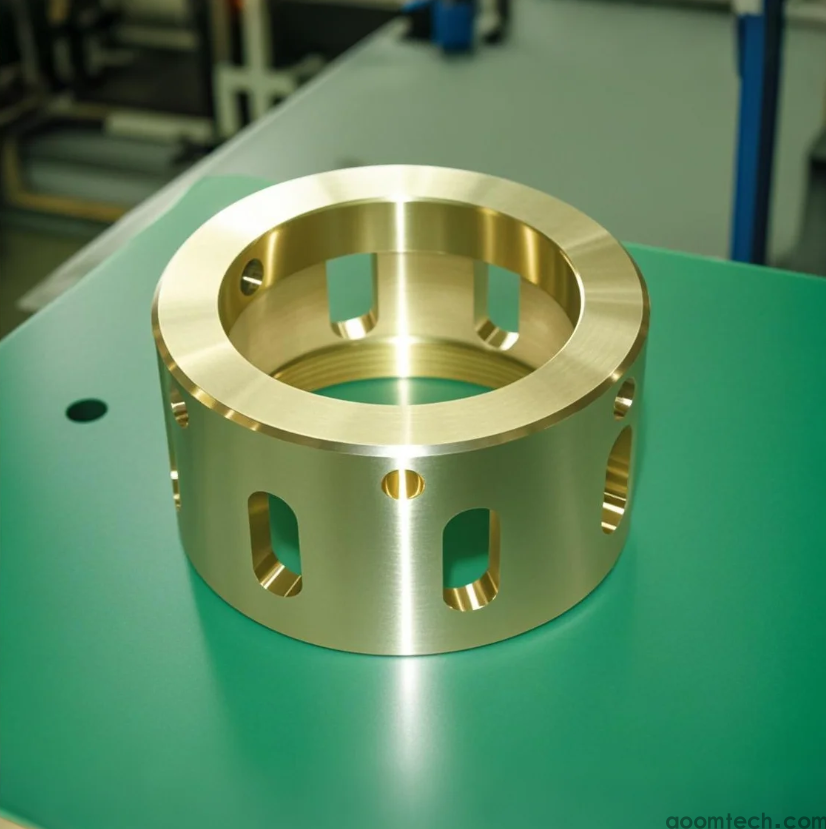
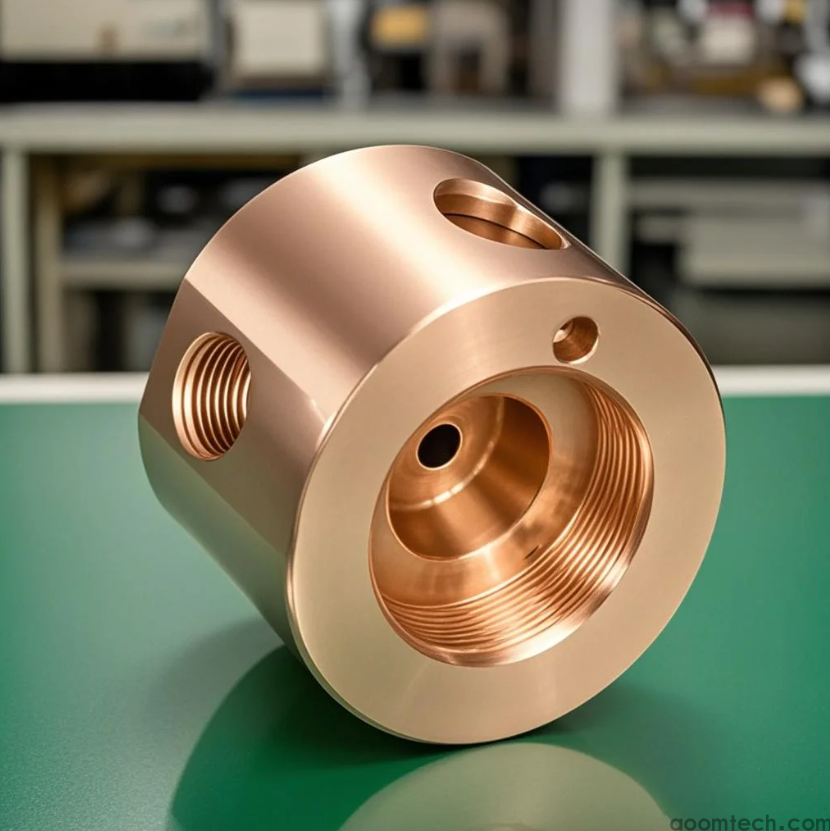
Mass CNC Machining Service for Precision Copper Parts
Introduction to Mass CNC Machining Service for Precision Copper Parts
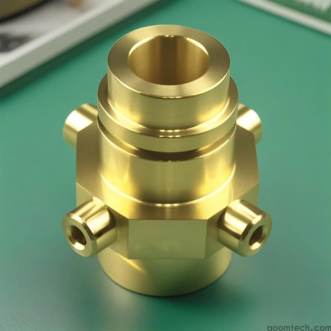
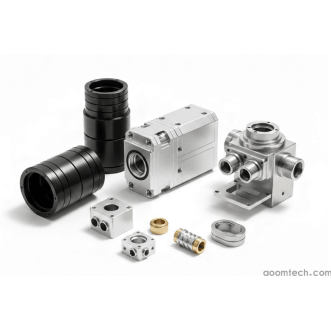
A Mass CNC Machining Service for Precision Copper Parts refers to the large-scale production of copper components using computer numerical control (CNC) machines. These machines follow programmed instructions to cut, shape, and finish copper materials with high accuracy and repeatability. This manufacturing method is widely used when industries need thousands or even millions of identical copper parts with strict quality requirements.
Copper is one of the most important industrial materials because of its excellent electrical conductivity, thermal performance, corrosion resistance, and workability. For this reason, precision copper parts are essential in many industries such as electronics, electrical systems, and plumbing.
Examples of applications include PCB-related copper components in electronics, connectors and terminals in electrical systems, and pipes and fittings in plumbing infrastructure. Without mass production of these parts, modern industrial systems would not function efficiently or reliably.
The Significance of Precision Copper Parts in Mass Production
Precision copper parts play a key role in modern manufacturing because they ensure stable performance in systems that require reliable conductivity and durability. In the electronics industry, copper is used in circuit connections, heat dissipation components, and conductive terminals. In electrical engineering, it is used for connectors, busbars, and grounding systems. In plumbing, copper fittings and pipes provide long-lasting and corrosion-resistant solutions.
Mass production using CNC technology ensures that these components are manufactured consistently, even in very large quantities. This is essential for global supply chains where uniform quality and fast delivery are required.
Importance of Mass CNC Machining for Precision Copper Parts
High-volume Precision Manufacturing
CNC machining allows manufacturers to produce copper parts with extremely tight tolerances, even in large batches. Each part is controlled by programmed instructions, ensuring identical dimensions across production runs.
This precision is critical. For example, in electronics, even a slight deviation in copper connectors can cause poor conductivity or system failure. In plumbing systems, inaccurate fittings can lead to leaks. In electrical equipment, poor dimensional accuracy can reduce efficiency and safety.
The ability to maintain accuracy at scale is one of the main reasons industries rely on mass CNC machining copper components.
Cost-effectiveness in Volume
Once a CNC program is developed, it can be reused repeatedly with minimal adjustment. This reduces setup time and labor costs, making large-scale production more economical compared to traditional machining methods.
Other cost-saving factors include optimized tool usage, reduced material waste, and economies of scale. For example, in mass CNC machining copper connectors for electrical panels, unit cost decreases significantly as production volume increases.
Consistent Quality across Batches
Automation ensures that every copper part meets the same quality standards. This consistency is essential for industries requiring interchangeable parts.
Consistent quality reduces assembly time, minimizes product failures, and improves brand reliability. For example, in electronic device manufacturing, uniform copper components help reduce warranty claims and improve customer satisfaction.
CNC Machining Processes for Mass-produced Precision Copper Parts
Milling
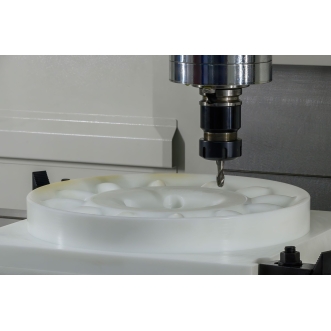
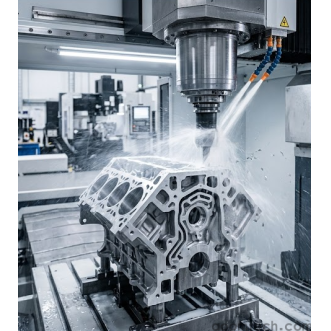
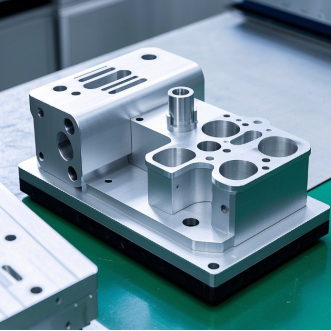
Milling is a key process in CNC milling for mass-produced precision copper parts. A rotating cutting tool removes material from a copper workpiece to create flat surfaces, grooves, holes, and complex 3D shapes.
Proper tool selection is important. Pure copper requires sharp tools due to its softness, while copper alloys may require more durable tooling. Cutting parameters such as spindle speed, feed rate, and depth of cut must be carefully optimized.
Using coolant and high-quality cutting tools helps improve surface finish and extend tool life during continuous production.
Turning
Turning is used to manufacture cylindrical copper parts such as rods, bushings, and tubes. The workpiece rotates while a cutting tool shapes its outer or inner surface.
Maintaining concentricity and surface quality is essential. Copper tends to produce long, stringy chips, so proper chip-breaking techniques and coolant systems are required.
Tool wear must be monitored regularly to ensure consistent accuracy during mass production cycles.
Drilling and Boring
Drilling is used to create holes, while boring improves hole accuracy and size. These processes are critical for parts that require assembly or fluid or electrical passage.
High-speed steel and carbide tools are commonly used depending on material hardness. Proper feed rates and speeds help prevent drill breakage and dimensional errors.
Types of Copper and Alloys Used in Mass CNC Machining
Pure Copper
Pure copper offers excellent electrical and thermal conductivity, making it ideal for electrical wiring and conductive components.
However, it is soft and can be difficult to machine. Challenges include tool deflection and poor chip control. These issues can be managed by using sharp tools, optimized cutting conditions, and effective cooling systems.
This is a key material in types of copper in mass CNC machining for high-conductivity applications.
Brass (Copper-Zinc Alloy)
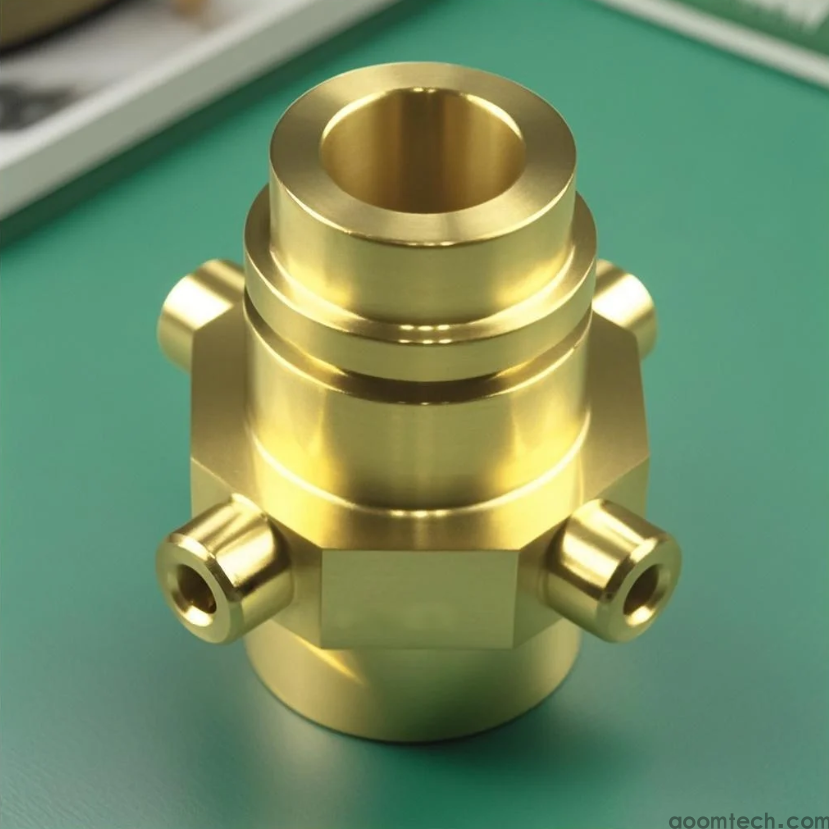
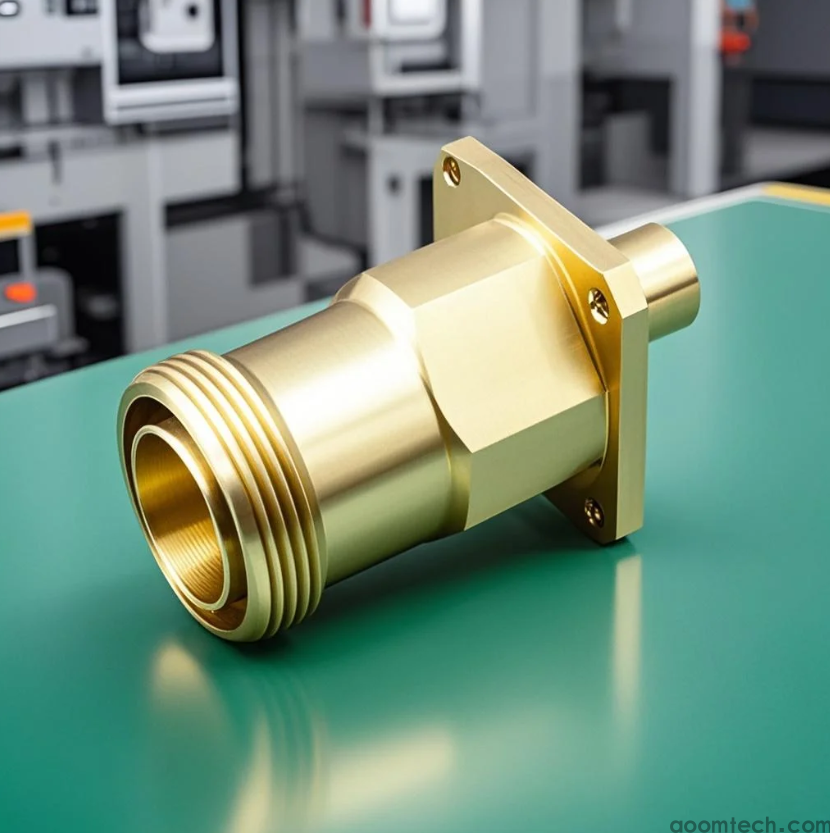
Brass is widely used due to its good machinability, corrosion resistance, and attractive appearance. It is commonly found in plumbing fixtures, electrical connectors, and decorative components.
Compared to pure copper, brass is harder and allows for smoother machining with better surface finishes in high-volume production.
Bronze (Copper-Tin Alloy and others)
Bronze is known for its strength, wear resistance, and corrosion resistance. It is commonly used in bearings, bushings, and marine components.
However, bronze may work-harden during machining, requiring specialized cutting tools and controlled machining conditions to maintain efficiency in mass production.
Challenges in Mass CNC Machining of Precision Copper Parts
Chip Formation and Control
Copper often produces long, continuous chips that can interfere with machining operations. These chips may wrap around tools or workpieces, affecting performance.
Solutions include chip-breaker tools, optimized cutting speeds, and efficient coolant systems. Proper chip removal is essential for maintaining production efficiency.
Tool Wear
Even though copper is relatively soft, continuous mass production leads to gradual tool wear. This can affect accuracy and surface finish.
Manufacturers often use carbide or diamond-coated tools and implement regular tool inspection schedules to maintain consistent output quality.
Surface Finish and Dimensional Accuracy
Maintaining smooth surface finishes and precise dimensions is critical in high-volume production. Any deviation can impact product performance.
Manufacturers use fine finishing processes, real-time monitoring systems, and in-process inspection to ensure consistent quality across all parts.
Choosing a Mass CNC Machining Service Provider for Precision Copper Parts
Technical Expertise
A reliable provider should have strong experience in machining copper and its alloys. They should understand material behavior, machining parameters, and high-volume production requirements.
When evaluating a provider, review case studies, production samples, and technical capabilities to ensure they can handle complex projects.
This is especially important when choosing a provider for mass CNC precision copper parts machining.
Quality Assurance
A strong quality control system is essential for mass production. Providers should use advanced measuring tools such as micrometers, calipers, and surface roughness testers.
Quality control processes should include in-process inspection, final inspection, and sampling strategies to ensure consistent production quality.
Proper handling of non-conforming parts is also important for maintaining reliability.
Cost-effectiveness and Lead Times
Cost efficiency should balance with quality and reliability. Providers should offer transparent pricing, including tooling, setup, and production costs.
Lead times are equally important. A good supplier should demonstrate consistent on-time delivery for large orders and maintain stable production capacity.
Conclusion
A Mass CNC Machining Service for Precision Copper Parts is essential for industries that require high-volume, high-accuracy copper components. From electronics to plumbing and electrical systems, these parts ensure stable performance and long-term reliability.
By understanding machining processes, material types, challenges, and supplier selection criteria, businesses can make better decisions when sourcing copper components. With the right manufacturing partner, companies can achieve high efficiency, consistent quality, and cost-effective production at scale.
RELATED PRODUCTS
-
Medical Brass CNC Machining Parts
-
Precision CNC Machining PEEK Services
-
Precision Custom CNC Machined Car Parts
-
cnc machining optical housings
-
Precision CNC Casting Machining Services
-
Precision Gear CNC Machining Services
-
Precision Stainless Steel Parts CNC Mach
-
CNC Machining of Precision Aluminum Tube
-
CNC Machining of Large Precision Aluminu
-
CNC Machining & Manufacturing of Pre