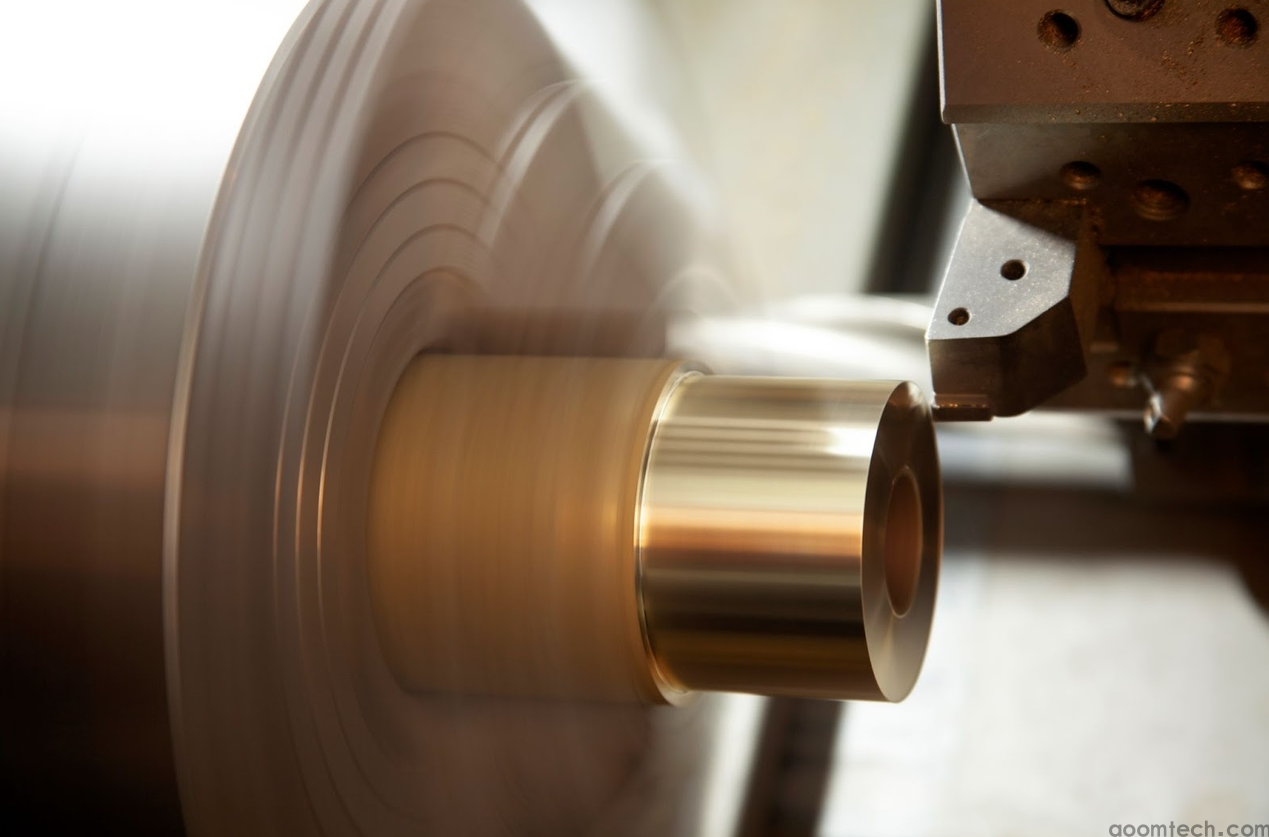
Precision CNC Turning Service
A Precision CNC Turning Service is a modern manufacturing solution used to produce high-accuracy cylindrical components for a wide range of industries. From aerospace and automotive systems to medical devices and electronics, this process ensures that critical parts are made with tight tolerances, consistent quality, and excellent surface finish. In today’s competitive manufacturing world, precision turning is not just an option—it is a requirement for reliable performance and safety.
The Significance of Precision CNC Turning
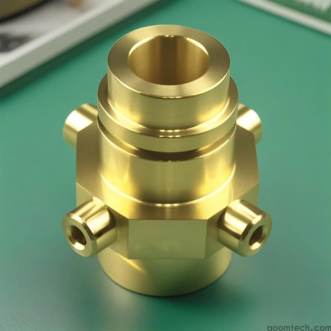
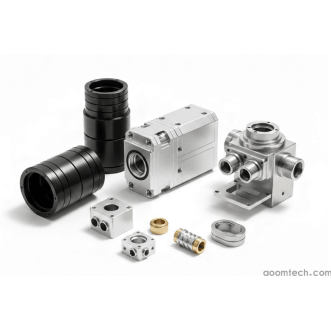
Precision CNC turning is a crucial machining process that creates cylindrical components with extreme accuracy. It is widely used to manufacture parts such as shafts, bushings, pins, and threaded components. These parts often serve as essential building blocks in complex mechanical systems.
For example, a precisely machined motor shaft ensures smooth rotation and reduces vibration in electric motors. In aerospace systems, high-precision turned components contribute to stable engine performance and structural reliability. Even small deviations in these parts can lead to performance issues or system failure.
Because of its accuracy and repeatability, CNC turning has become a core technology in modern manufacturing industries that demand consistent and high-quality production.
Importance of Precision CNC Turning
High-Precision Manufacturing
One of the biggest advantages of a Precision CNC Turning Service is its ability to produce parts with extremely tight tolerances, often measured in microns. CNC machines are controlled by programmed instructions, allowing them to cut materials with exceptional accuracy and consistency.
This level of precision is essential in industries where even the smallest error can cause serious problems. For instance, an improperly sized shaft in an aircraft engine may lead to vibration, overheating, or mechanical failure. High-precision machining ensures safe and reliable operation in such critical systems.
Complex Geometries and Customization
Modern CNC turning is not limited to simple shapes. It can produce complex geometries including threads, grooves, tapers, and contoured surfaces. This flexibility supports the production of customized components designed for specific applications.
For example, a custom bushing with internal lubrication grooves can improve performance in a high-speed gearbox by reducing friction and wear. This capability makes CNC turning ideal for industries requiring specialized and innovative designs.
Long-tail keyword: CNC external turning for precision parts allows manufacturers to achieve highly detailed external shapes with consistent accuracy across large production runs.
Cost-Effectiveness for Batch Production
Another major advantage is cost efficiency in mass production. Once the CNC program is created and tested, it can be used repeatedly to produce identical parts with minimal variation. This reduces labor costs and setup time, making production more economical.
For example, when manufacturing large quantities of threaded rods for construction equipment, CNC turning ensures consistent quality while keeping per-unit costs low. This makes it an ideal solution for both medium and large-scale production.
CNC Turning Processes for Precision Parts
External Turning
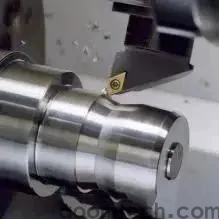
External turning involves removing material from the outer surface of a rotating workpiece using a cutting tool. This process is used to create cylindrical shapes, steps, and contours.
Tool selection depends on the material being machined. For example, harder materials like steel require carbide tools, while aluminum may require sharper tools with different geometries. Cutting parameters such as spindle speed, feed rate, and depth of cut must be carefully optimized for each material.
Using a CNC external turning for precision parts approach ensures smooth surface finish and accurate dimensions, especially in high-performance applications.
Internal Turning (Boring)
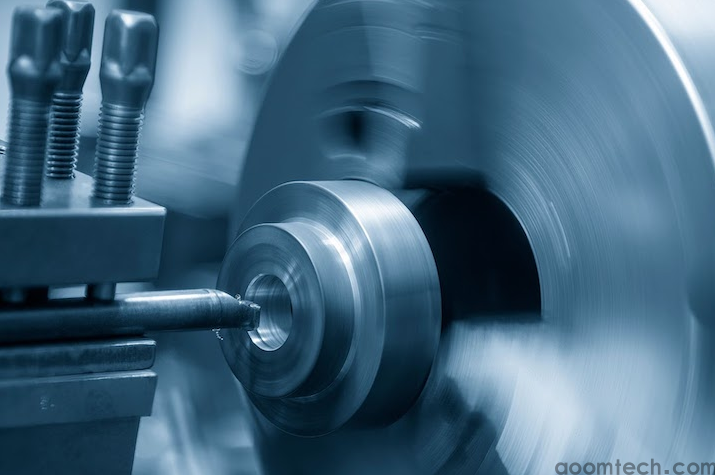
Internal turning, also known as boring, is used to enlarge or finish internal holes with high accuracy. This process is critical for ensuring proper fit between components such as shafts and bushings.
Maintaining concentricity between internal and external surfaces is essential. Even slight misalignment can lead to assembly issues or mechanical wear. Precision boring tools and stable machining conditions help achieve the required accuracy.
Thread Cutting
Thread cutting is used to produce internal or external threads on a component. These threads are essential for fastening and assembly in mechanical systems.
Depending on requirements, single-point threading tools or specialized threading inserts are used. Correct pitch, depth, and tool geometry must be maintained to ensure thread strength and accuracy.
In hydraulic systems, for example, precise threading is essential to prevent leaks and ensure secure connections under high pressure.
Materials Used in Precision CNC Turning
Metals
Metals are the most commonly used materials in precision CNC turning due to their strength and durability.
Steel: Offers high strength and wear resistance, ideal for shafts and heavy-duty mechanical parts.
Aluminum: Lightweight and corrosion-resistant, widely used in automotive and aerospace components.
Titanium: Known for its excellent strength-to-weight ratio and corrosion resistance, used in aerospace and medical applications.
Materials for precision CNC turning must be carefully selected based on performance requirements, cost, and machining difficulty.
Plastics
Plastics such as nylon, polycarbonate, and acetal are also widely used in CNC turning. They offer advantages like low weight, chemical resistance, and self-lubricating properties.
Nylon: Good wear resistance and noise reduction
Polycarbonate: High impact resistance
Acetal: Excellent dimensional stability
Machining plastics requires careful control of cutting speed and heat to prevent melting or deformation.
Challenges in Precision CNC Turning
Tool Wear
Tool wear is a common issue in precision machining. As cutting tools are used continuously, they gradually lose sharpness, affecting accuracy and surface quality.
To manage this, manufacturers use high-quality coated carbide tools and implement regular tool inspection schedules. In advanced systems, sensors can detect tool wear in real time to prevent defective parts.
Heat Generation
Heat is generated during the cutting process and can affect both the tool and workpiece. Excessive heat may lead to dimensional changes and reduced tool life.
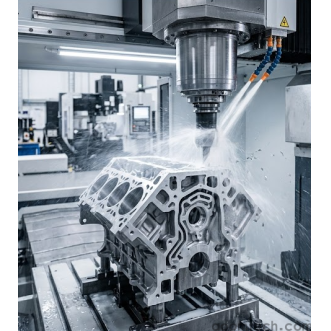
Using coolant effectively, optimizing cutting speeds, and selecting heat-resistant tools are essential strategies to control temperature during machining.
Surface Finish
Achieving a smooth surface finish is critical for both functional and aesthetic reasons. Poor surface quality can affect sealing, friction, and overall performance.
Solutions include using sharp tools, optimizing machining parameters, and applying post-processing techniques such as polishing or grinding when necessary.
Choosing a Precision CNC Turning Service Provider
Technical Expertise
When selecting a provider for a precision CNC turning service for high-tolerance components, technical expertise is one of the most important factors. A reliable provider should understand material behavior, machining strategies, and complex design requirements.
Evaluating past case studies, technical capabilities, and sample parts can help determine whether the provider meets your standards.
Quality Assurance Systems
A strong quality control system ensures that every part meets strict specifications. Reliable providers use precision measuring tools such as micrometers, calipers, and surface roughness testers.
Quality assurance typically includes in-process inspections and final product verification. Any non-conforming parts should be identified and corrected before delivery.
Cost-Effectiveness and Lead Time
Cost is important, but it should be balanced with quality and reliability. The cheapest option is not always the best if it compromises precision or durability.
Lead time is also critical, especially for industries with tight production schedules. A professional provider should offer realistic delivery timelines and maintain a strong on-time delivery record.
Long-tail keyword: choosing a provider for precision CNC turning service requires evaluating both technical capability and production efficiency.
Conclusion
Precision CNC turning plays a vital role in modern manufacturing by producing high-quality cylindrical components with exceptional accuracy. Its ability to create complex shapes, maintain tight tolerances, and support large-scale production makes it essential for industries such as aerospace, automotive, electronics, and medical technology.
By understanding the processes, materials, challenges, and supplier selection criteria, businesses can make informed decisions when sourcing machining services. A reliable Precision CNC Turning Service not only improves product performance but also enhances efficiency, safety, and long-term cost savings.
RELATED PRODUCTS
-
Medical Brass CNC Machining Parts
-
Precision CNC Machining PEEK Services
-
Precision Custom CNC Machined Car Parts
-
cnc machining optical housings
-
Precision CNC Casting Machining Services
-
Precision Gear CNC Machining Services
-
Precision Stainless Steel Parts CNC Mach
-
CNC Machining of Precision Aluminum Tube
-
CNC Machining of Large Precision Aluminu
-
CNC Machining & Manufacturing of Pre