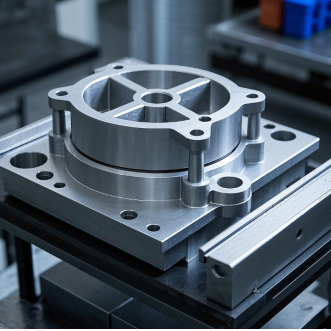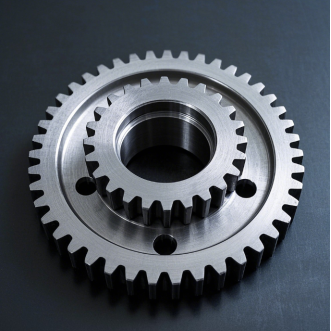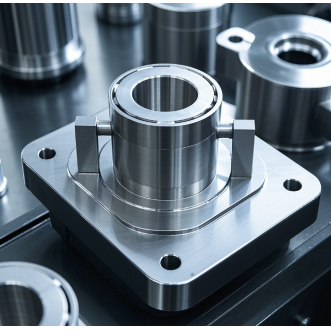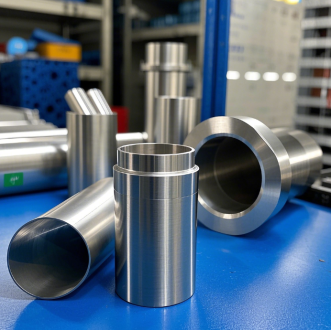
Stainless Steel parts CNC Machining
Introduction to Stainless Steel parts CNC Machining
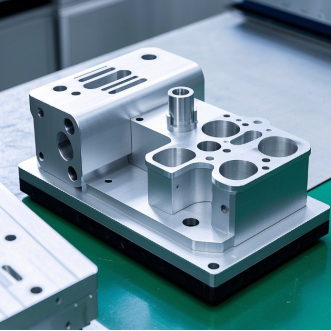
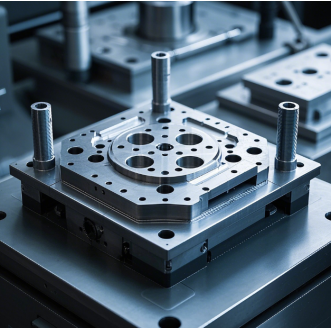
Stainless Steel parts CNC Machining is a modern manufacturing method used to create precise and durable parts from stainless steel using Computer Numerical Control (CNC) machines. In simple words, it means using computer-controlled machines to cut, shape, and finish stainless steel into exact parts based on digital designs.
Stainless steel is widely known for its corrosion resistance, high strength, and clean appearance. When combined with CNC technology, it becomes possible to produce highly accurate components for many industries such as construction, food processing, medical equipment, automotive, and energy systems. These parts improve product reliability, safety, and long-term performance.
In this article, we will explain the significance of stainless - steel parts CNC machining, the full manufacturing process, key benefits, common challenges, and real-world applications.
Significance of Stainless Steel parts CNC Machining
Meeting Demands for Durable and Corrosion-resistant Parts
Many industries need parts that can work in harsh environments such as moisture, chemicals, and high temperatures. Stainless steel is ideal because it does not easily rust or weaken. With CNC machining, manufacturers can produce parts with very tight accuracy, ensuring they fit and perform correctly.
For example, in the food processing industry, conveyor rollers and mixing components must be safe, clean, and resistant to frequent washing. CNC-machined stainless steel parts ensure both hygiene and long service life, reducing maintenance costs and downtime.
This shows the real importance of significance of stainless - steel parts CNC machining in industries that require safety and durability.
Utilizing Stainless Steel's Strength for High-performance Applications
Stainless steel is also strong and stable under heavy loads. In construction, CNC-machined stainless steel components are used in structural supports, connectors, and fasteners in buildings. These parts must be extremely accurate to ensure safety and stability.
For example, in high-rise buildings, stainless steel connectors made through CNC machining help ensure proper alignment and strong load distribution. This demonstrates how applications of CNC - machined stainless - steel parts are critical in modern infrastructure.
Process of Stainless Steel parts CNC Machining
Design and Programming
The process begins with design using CAD (Computer-Aided Design) software. Engineers create a detailed 2D or 3D model of the part. After that, CAM (Computer-Aided Manufacturing) software converts the design into machine instructions.
These instructions define tool paths, cutting speed, feed rate, and depth. Stainless steel is harder than many materials, so programmers must carefully adjust settings to avoid tool damage and ensure precision. For example, medical device parts often require complex programming due to tight tolerances and detailed shapes.
This stage represents the core process of stainless - steel parts CNC machining.
Material Preparation
Before machining starts, stainless steel must be properly prepared. The surface is cleaned to remove dust, oil, or contaminants. The material is also checked for flatness and stability.
If the material is not properly prepared, it may lead to uneven cutting or measurement errors. The workpiece is then securely fixed onto the CNC machine to prevent movement during machining.
Machining Operations
Milling
Milling is used to create shapes such as slots, pockets, and complex surfaces. Carbide tools are commonly used because stainless steel is tough. Cutting speed and feed rate must be carefully controlled to avoid tool wear and achieve smooth surfaces.
Turning
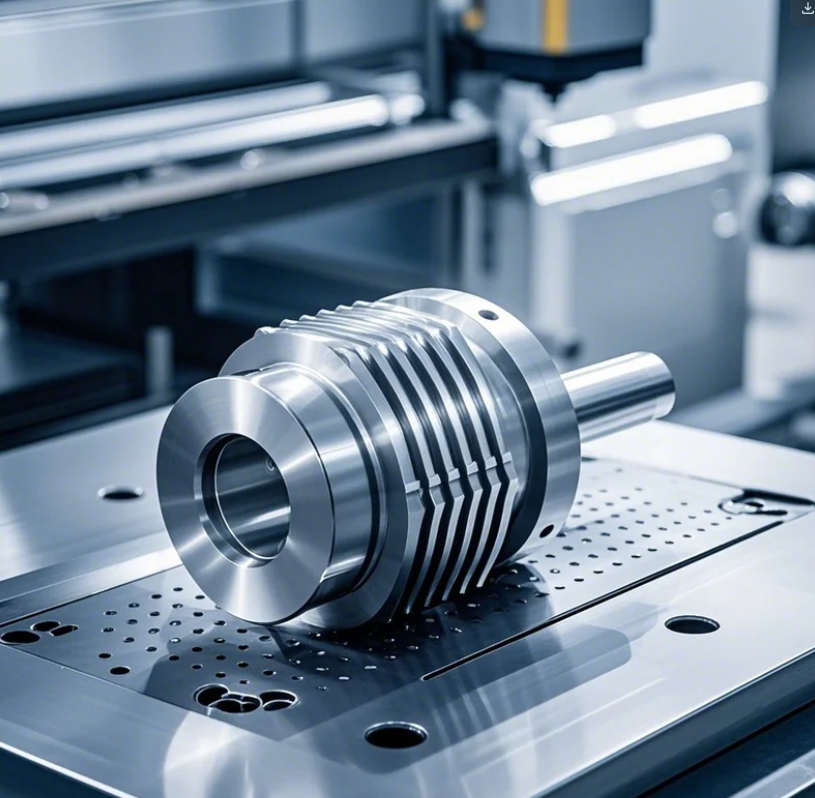
Turning is used for cylindrical parts. The stainless steel rotates while the cutting tool shapes it. Coolant is often applied to reduce heat and prevent deformation.
Drilling
Drilling is used to create precise holes. It requires stable pressure and proper cooling to avoid overheating or breaking the drill bit.
Quality Control and Inspection
After machining, parts are inspected using calipers, micrometers, and coordinate measuring machines (CMM). These tools check dimensions, surface quality, and defects.
For example, if a CMM detects a small deviation in a medical component, engineers adjust the machining program to improve accuracy in future production.
Benefits of CNC-machined Stainless Steel Parts
High Precision and Accuracy
CNC machining ensures extremely high accuracy, which is essential for industries requiring tight tolerances. For example, measuring instruments rely on perfectly shaped stainless steel parts to function correctly.
Cost-effectiveness for Medium to Large Production
Once the machine is programmed, it can produce large quantities of identical parts efficiently. This reduces cost per unit and improves production speed, especially in automotive and industrial manufacturing.
This highlights the benefits of CNC - machined stainless - steel parts in mass production environments.
Enhanced Surface Finish
CNC machining produces smooth and clean surfaces. This improves appearance, reduces corrosion risk, and makes cleaning easier. For example, stainless steel kitchen equipment benefits from smooth finishes for hygiene and durability.
Challenges in Stainless Steel parts CNC Machining
Tool Wear and Breakage
Stainless steel is hard and can quickly wear cutting tools. This increases production cost and requires high-quality carbide tools and proper cooling systems to extend tool life.
Heat Generation and Dimensional Changes
During machining, heat buildup can cause expansion and deformation. If not controlled, this may lead to inaccurate dimensions. Using coolant and optimizing cutting speed helps reduce this issue.
Chip Control
Stainless steel chips are often long and sticky. They can wrap around tools and interrupt machining. Special chip-breaking tools and correct cutting settings help solve this problem.
These issues are part of the challenges in stainless - steel parts CNC machining.
Applications of CNC-machined Stainless Steel Parts
Construction Industry
Stainless steel CNC parts are used in handrails, connectors, and structural supports. They provide strength, safety, and a modern appearance in buildings.
Food Processing Industry
In food production, stainless steel parts are used in mixers, conveyors, and storage systems. Their corrosion resistance ensures hygiene and long-term reliability.
Medical Industry
Medical tools such as surgical clamps, implants, and device components rely on CNC-machined stainless steel for precision and safety. Even small errors can affect performance, so accuracy is critical.
Conclusion: The Role of Stainless Steel parts CNC Machining in Modern Manufacturing
Stainless Steel parts CNC Machining plays an important role in modern manufacturing by combining material strength with high-precision technology. It ensures durable, accurate, and high-performance parts used in construction, food processing, medical, and many other industries.
While there are challenges such as tool wear, heat generation, and chip control, proper machining strategies can effectively solve these issues. As industries continue to demand higher quality and reliability, CNC machining of stainless steel will remain a key manufacturing solution.
For manufacturers and engineers, understanding this process helps improve product quality, reduce cost, and enhance performance in real-world applications.
RELATED PRODUCTS
-
Medical Brass CNC Machining Parts
-
Precision CNC Machining PEEK Services
-
Precision Custom CNC Machined Car Parts
-
cnc machining optical housings
-
Precision CNC Casting Machining Services
-
Precision Gear CNC Machining Services
-
Precision Stainless Steel Parts CNC Mach
-
CNC Machining of Precision Aluminum Tube
-
CNC Machining of Large Precision Aluminu
-
CNC Machining & Manufacturing of Pre